2026.10.08
where to begin?
A vital importance is attached to any multiversal sojourn's point of departure, namely, the more obscure the point the better.
As to Philadelphian obscurity, the place where, in 2022, Piranesi's final project was discovered, where, in 1884, Harriet Crawford invented the hoax that Ury House originated as a 1645 New Sweden fort, where, in 1824, Charles Willson Peale drew a sketch of Ury House, where, in 1812, Miers Fisher, the man who named Ury House, entertained the first Russian ambassador to the United States, where, in 1811, Benjamin Henry Latrobe painted a watercolor of Ury House, and where, in 1803-04, the teenaged John James Audubon lived the first four months of his life in the United States, abundantly fulfills the obscurity quotient.
Francesco Piranesi 1758 - 1810
Jean-Jacques Lequeu 1757 - 1826
Miers Fisher 1748 - 1819
In the immortal words of Morgan Fairchild, "Fashion your seatbelts."
31-32 y.o. Francesco Piranesi 1790
Collezione delle piu belle statue di Roma
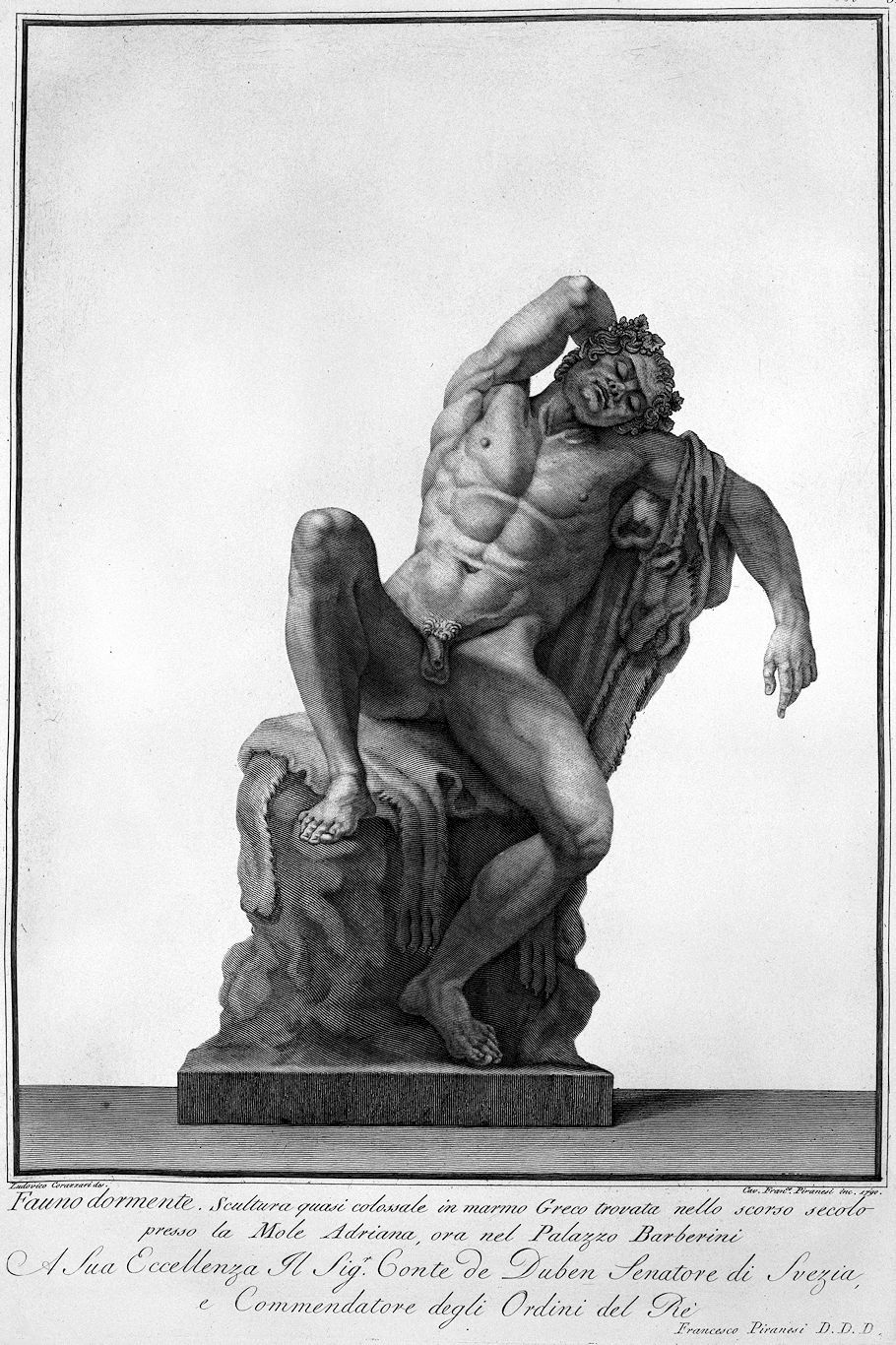
Sleeping faun. Almost colossal sculpture in Greek marble found in the last century at the Mole Adriana, now in the Palazzo Barberini
To His Excellency The Count de Duben Senator of Sweden, and Commander of the King's Orders
Francesco Piranesi D. D. D.
Ludovico Corazzari drawn Francesco Piranesi engraved 1790.
Where did Francesco Piranesi live and work in 1800?
In 1800, Francesco Piranesi lived and worked in Paris, France.
Following the fall of the short-lived Roman Republic (where he had served as a government official), he fled Rome in late 1799 alongside his younger brother, Pietro. Once in Paris, the brothers established a branch of their family printmaking enterprise known as Piranesi Frères (Piranesi Brothers).
During this time, they worked out of Paris republishing their father Giovanni Battista Piranesi’s famous collections of architectural etchings, along with republishing Francesco's own collection of architectural and art etching, and expanding their business to manufacture and decorate terracotta vases
2024.10.08
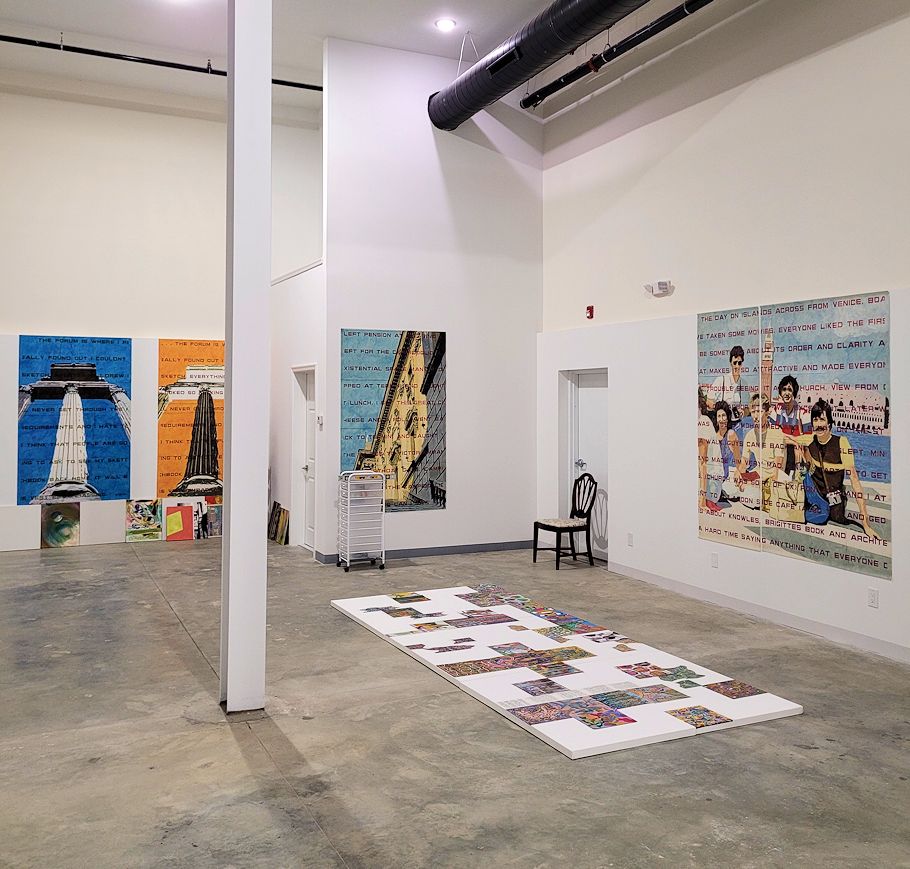
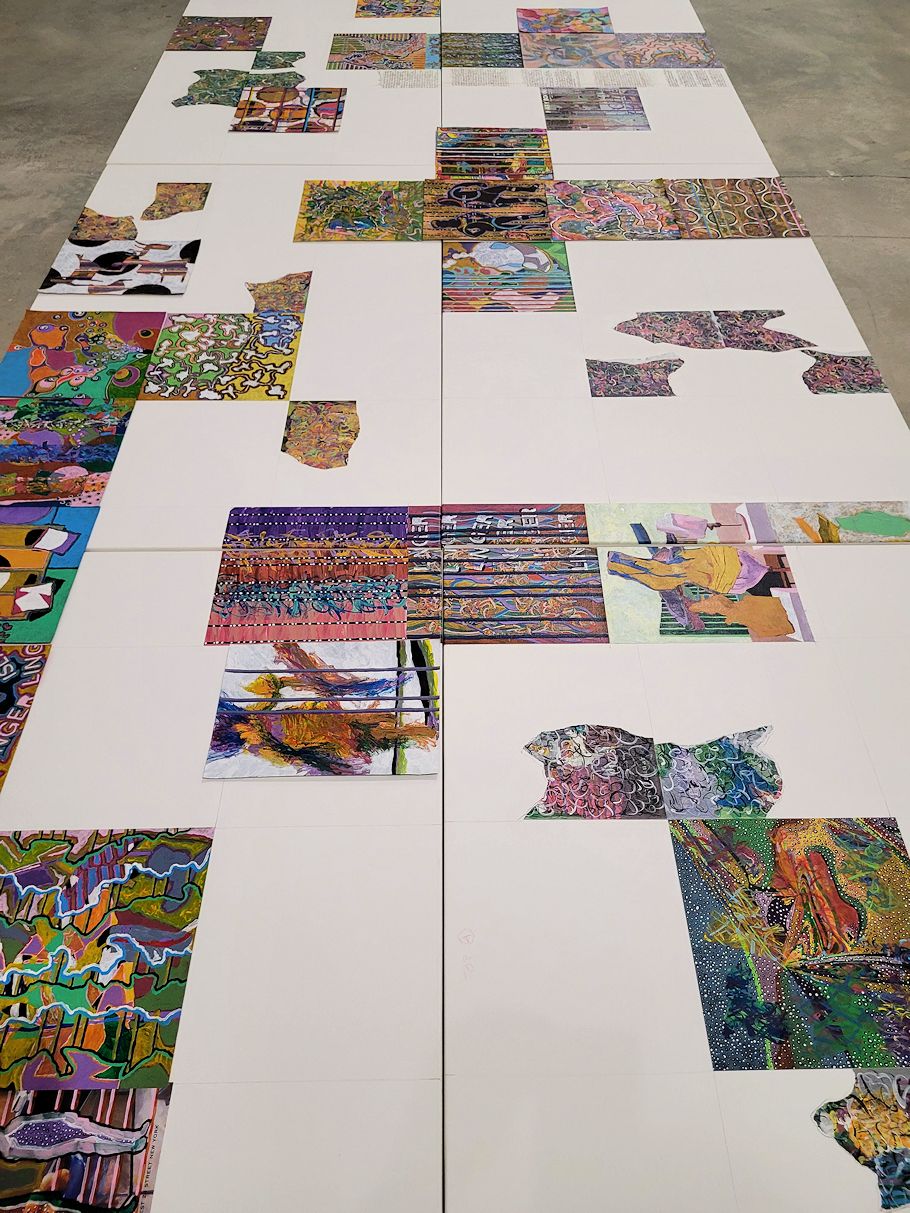
451 Rhawn Gallery
2021.10.08
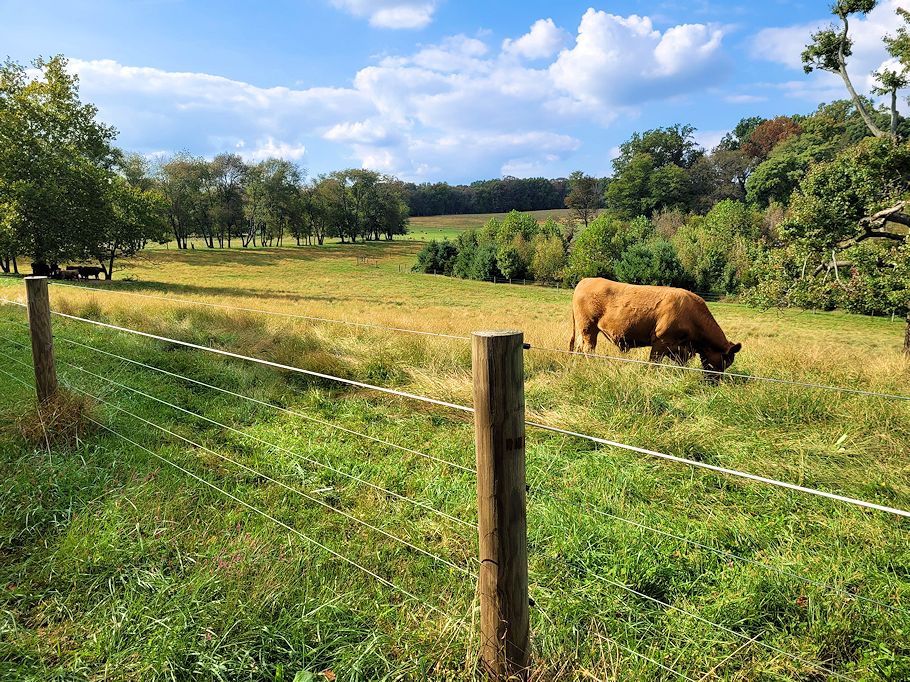
Fox Chase Farm

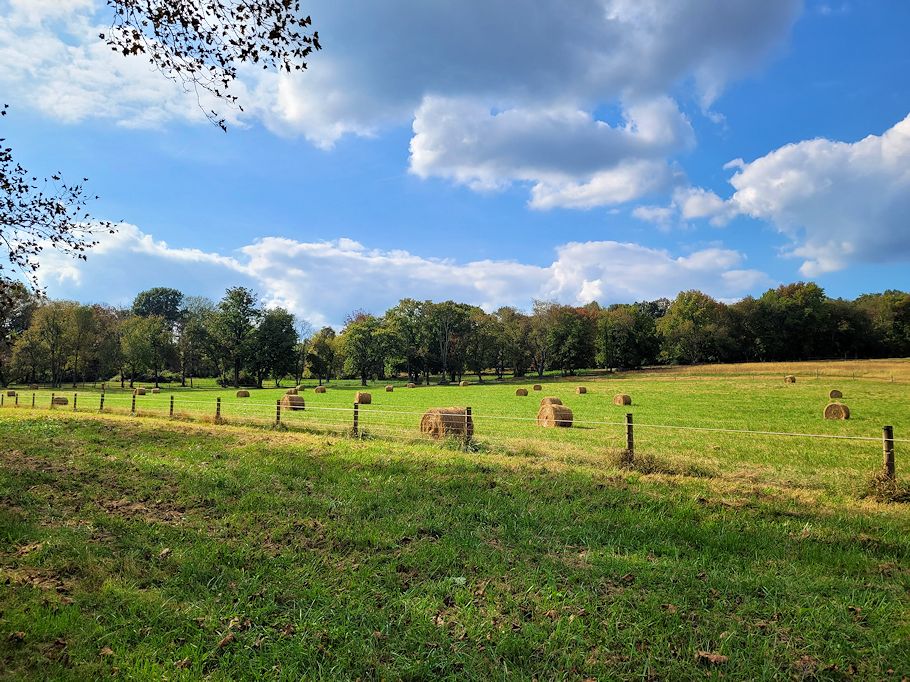
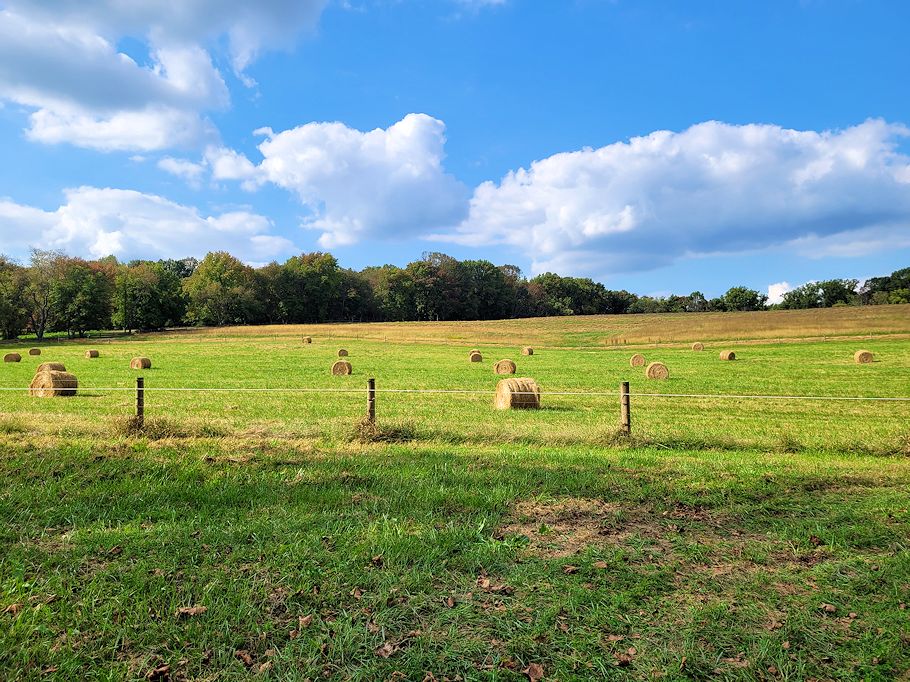
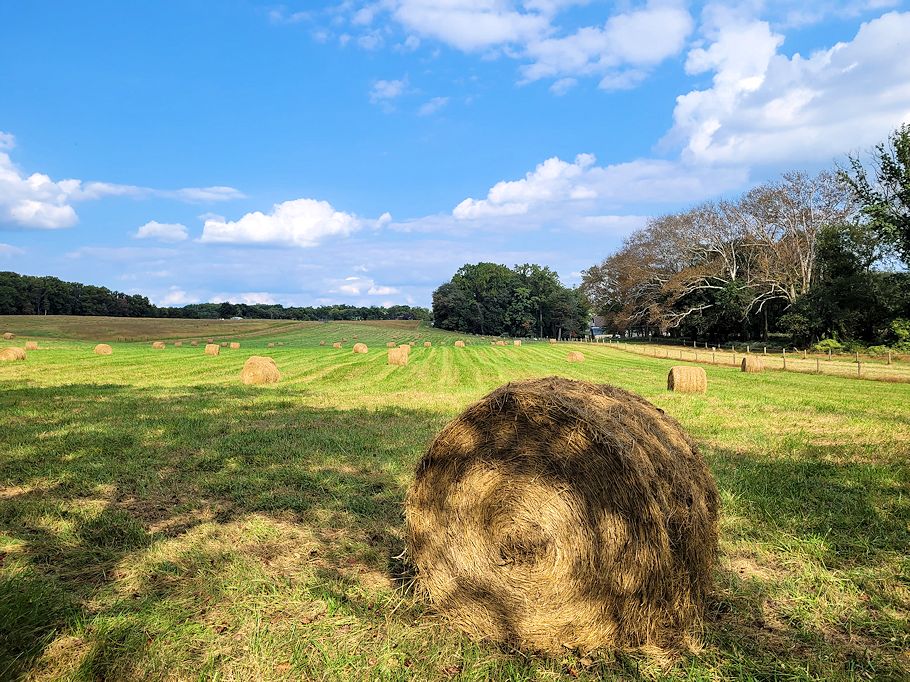
2017.10.08
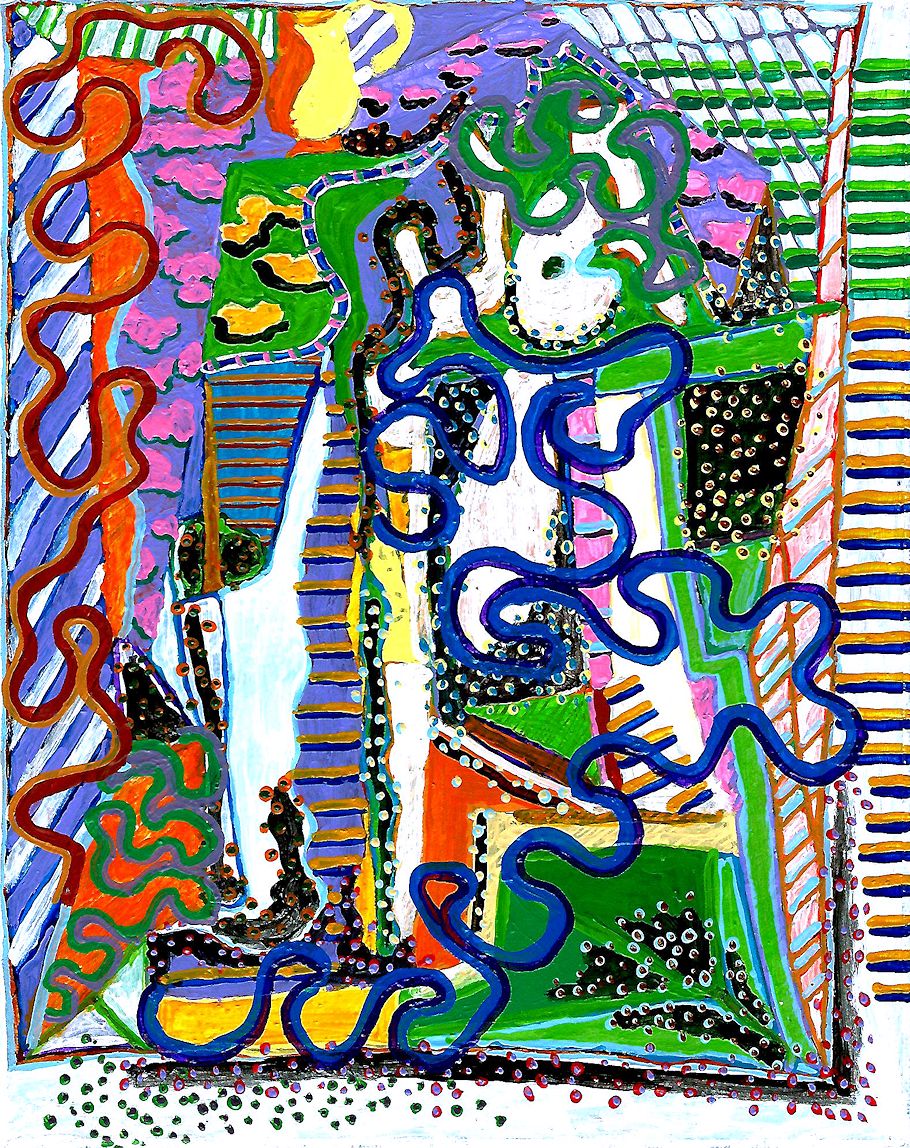
POPICA 001
2002.10.08
Museum Trip 2001.03.25
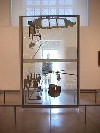
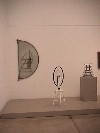
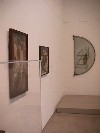
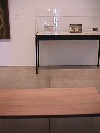
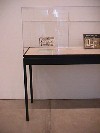
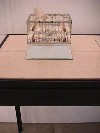
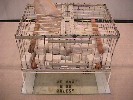
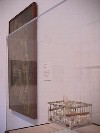
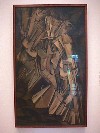
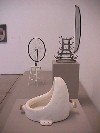
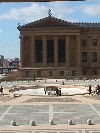
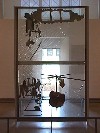
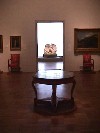
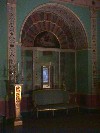
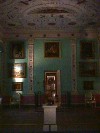
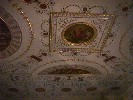
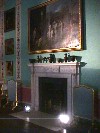
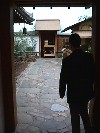
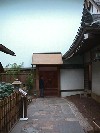
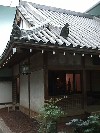
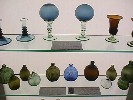
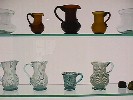
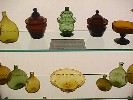
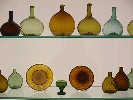
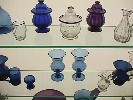
Museum Trip 2001.03.25 entitles a display beginning at xxx.htm comprising a series of images recorded at the Philadelphia Museum of Art on 25 March 2001. These images, rendered here at approximately the size of side images on a light table, are ordered in the exact sequence that they were taken. More than half of the images depict an investigation of what other works of art at the Philadelphia Museum are axial with The Large Glass. For example, immediately adjacent the Duchamp gallery are galleries containing the works of Brancusi and Twombly respectively. Directly above the Duchamp gallery is a room by 18th century Scottish architect Robert Adam. In the museum's other wing across the courtyard is a fine collection of American glass, (a fitting symmetrical counterpoint to The Large Glass), a collection of Pennsylvania German artifacts, and on the floor above a selection of temples from the Orient.
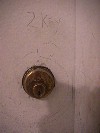
Inspiration for this investigation derives from the very strong axial relationship between Duchamp's The Bride Stripped Bare By Her Bachelors, Even and Jennewein's Western Civilization as clearly manifest on the Philadelphia Museum of Art's northern courtyard facade, as well as the quondam axial relationship between The Large Glass and Martin's Yara. Museum Trip 2001.03.25 further considers the other axial, albeit by chance, occurrences at Philadelphia with regard to The Large Glass, and, as chance would have it, it was during the recording of the Brancusi gallery that the chance 'discovery' of Etant Donnés inscripted back door occurred.
1963.10.08
1963. Tuesday, Pasadena
In the afternoon Joan Smith takes the Duchamps to a tea party organized by Mrs Toby Franklin Wilcox at 1071 Arden Road. With Walter Hopps they linger long enough to watch the television newscast. In the evening at the crowded public opening of the exhibition, seated in the middle of the
gallery, which is arranged with the chess paintings and objects, Duchamp and Hopps concentrate on a game of chess. Julian Wasser, who was in attendance at the preview the night before, is taking more pictures, then suddenly has an idea: he asks a young friend, Eve Babitz, if she would
agree to be photographed nude playing chess with Duchamp. With her consent, Wasser then disappears and arranges for the session to take place one morning a few days later.
Ephemerides
1951.10.08
1951. Monday, New York City
Duchamp has received a copy of Art has many faces, Katharine Kuh's "wonderful new book". There are illustrations of the famous Nude [18.3.1912], Mariée [25.8.1912] and the Large Glass [5.2.1923J. In a chapter entitled "The Machine" she comments that, in his work, Duchamp "mechanizes the human being and humanizes the machine..."
Harper Brothers, the publishers, have now written asking Duchamp for his comments on the book. "If they intend to use them for their publicity," explains Duchamp to Mrs Kuh, "I would rather give them excerpts of an informal letter to you."
He continues: "So refreshing to 'see' an Art book and not read it--an Art book should carry its message through images, not through words. And this, the common error of all art books to 'explain' Art in the very inadequate jargon of the critic has been here successfully avoided, with the result that I hope more people will begin to open their eyes rather than their ears where and when art is concerned. "
Ephemerides
|