2026.10.09
Philadelphia Museum of Art
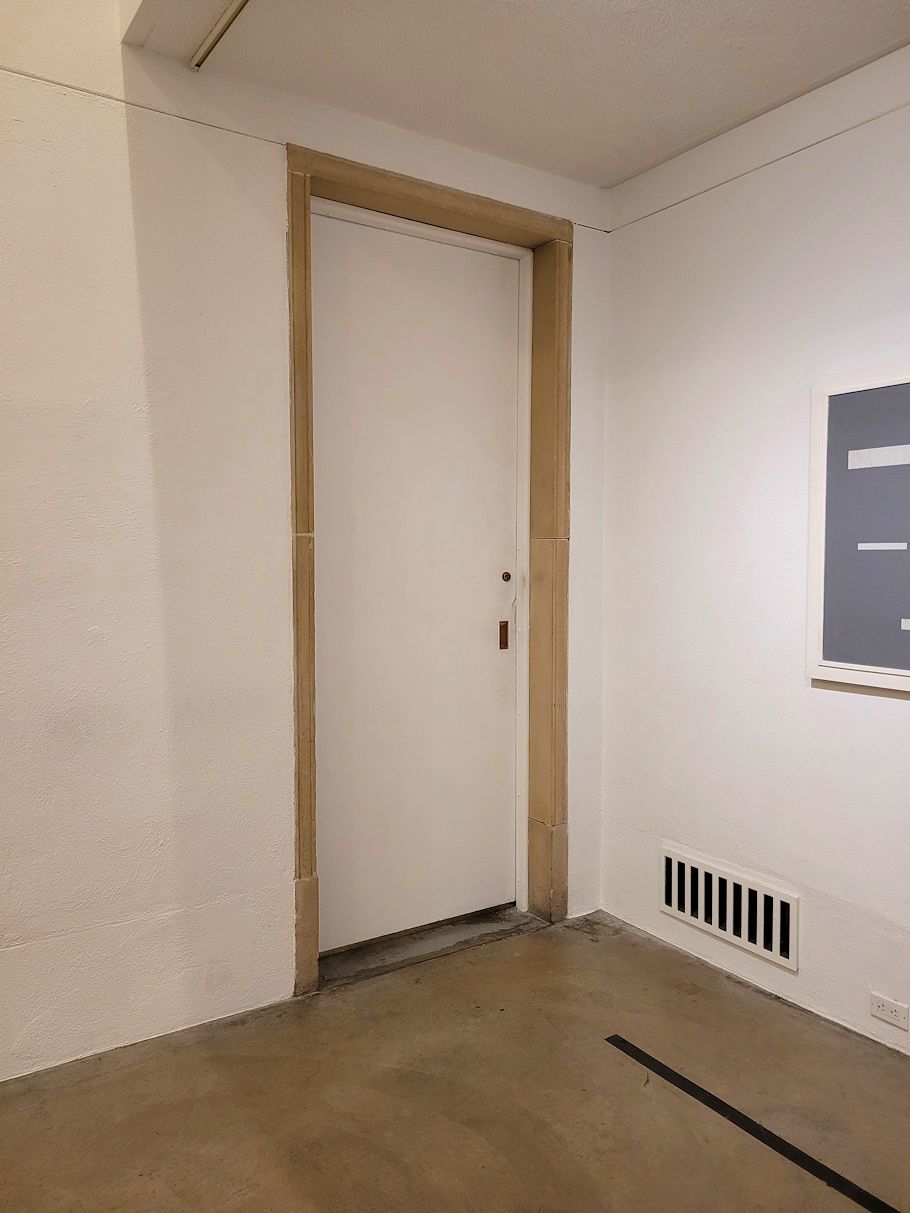
After going through all the galleries of the Marcel Duchamp exhibition, I paid a visit to Étant donnés' Back Door, still as unbekannt as ever.
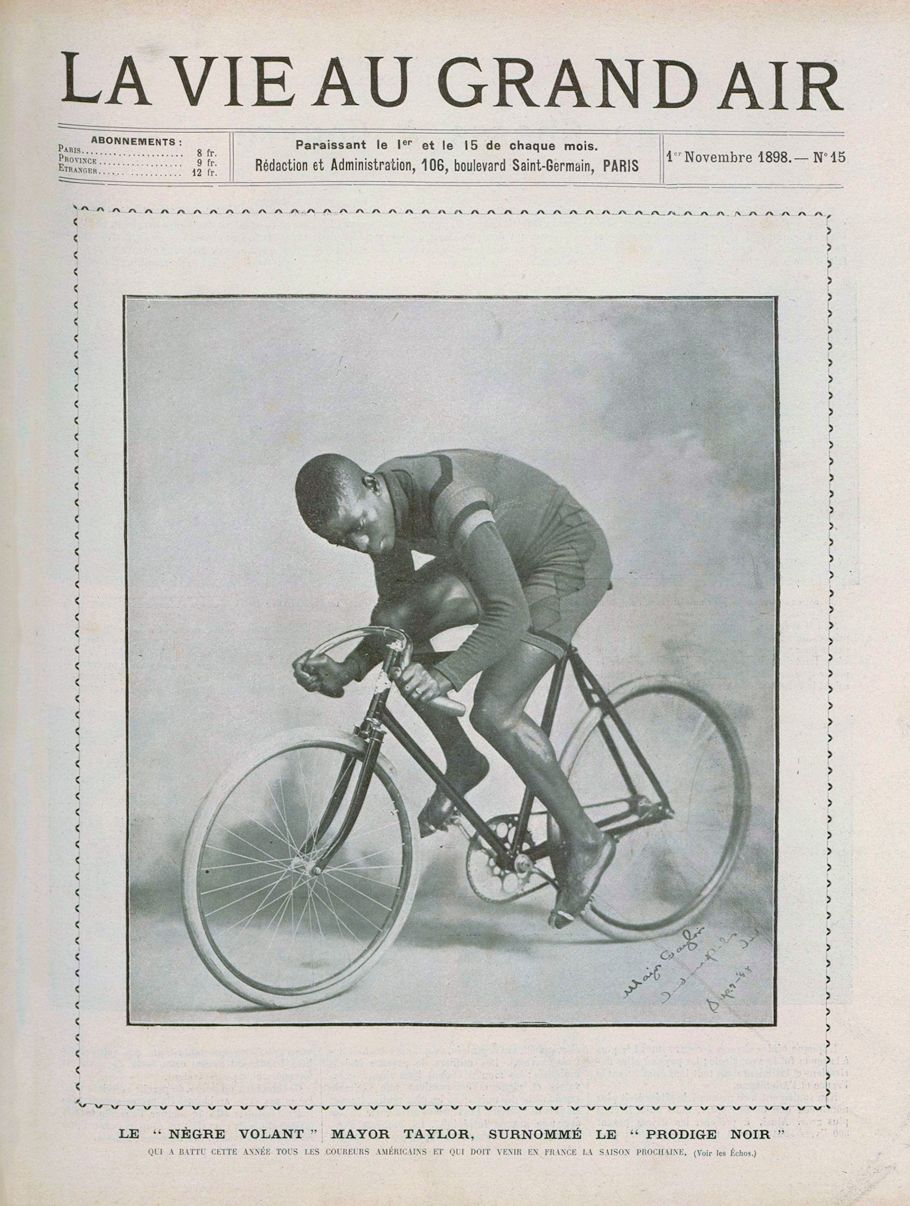
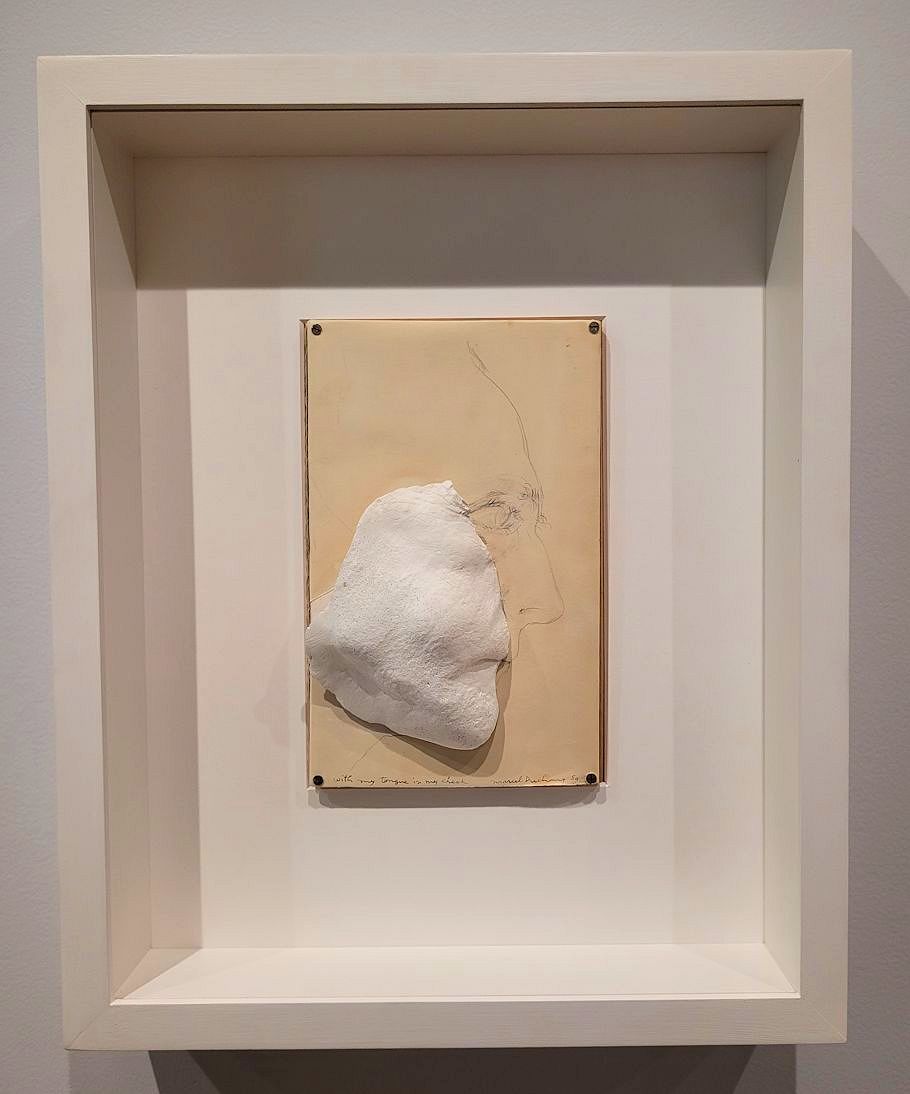
After showing this image to Matthew Affron and briefly explaining the Marshall "Major" Taylor story, he merely said, "We will never know for sure." I grimaced while thinking Affron would probably have said something else if he had made the discovery.
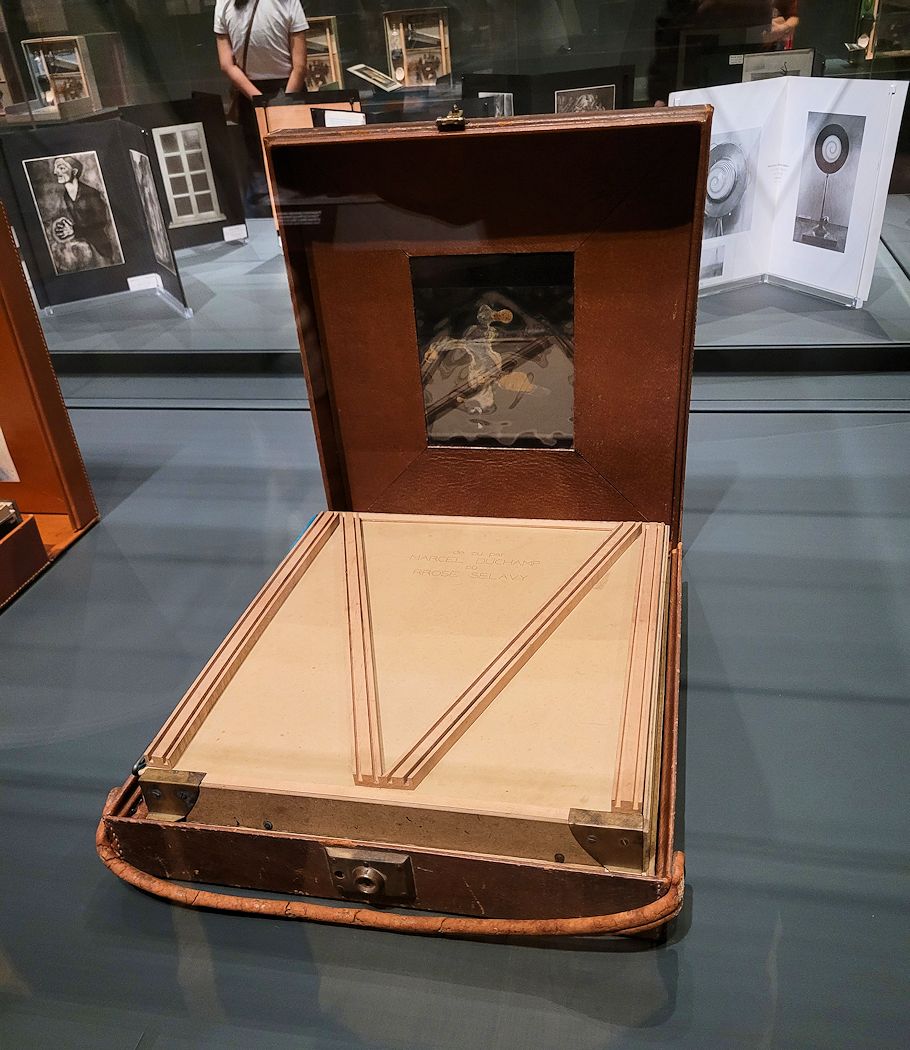
I told Cynthia, "That's Duchamp's sperm." To which she replied, "Eww!"
Then I told her I have a feeling that the married mistress Maria was a dominatrix.
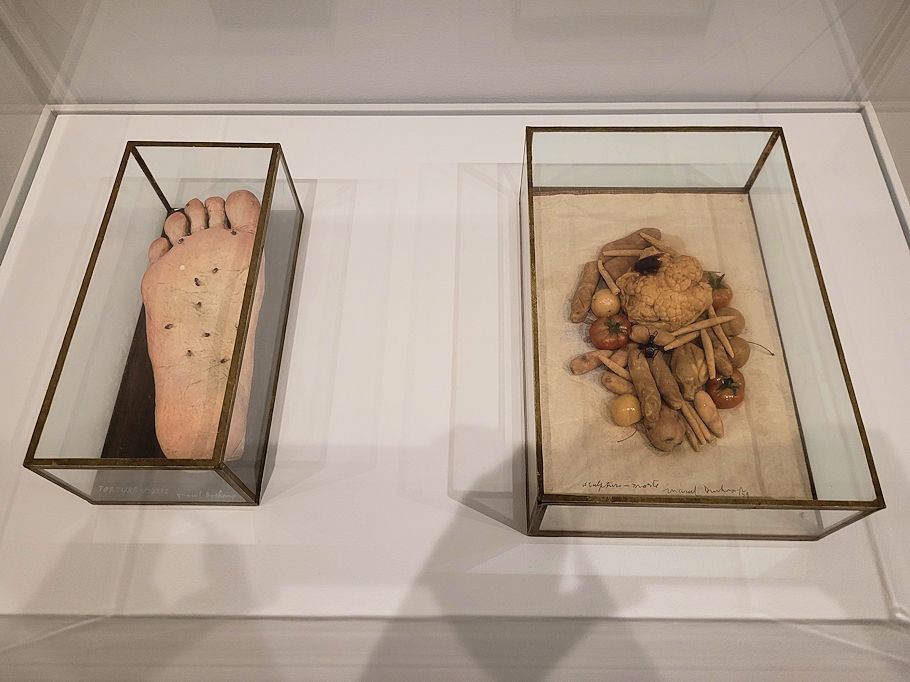  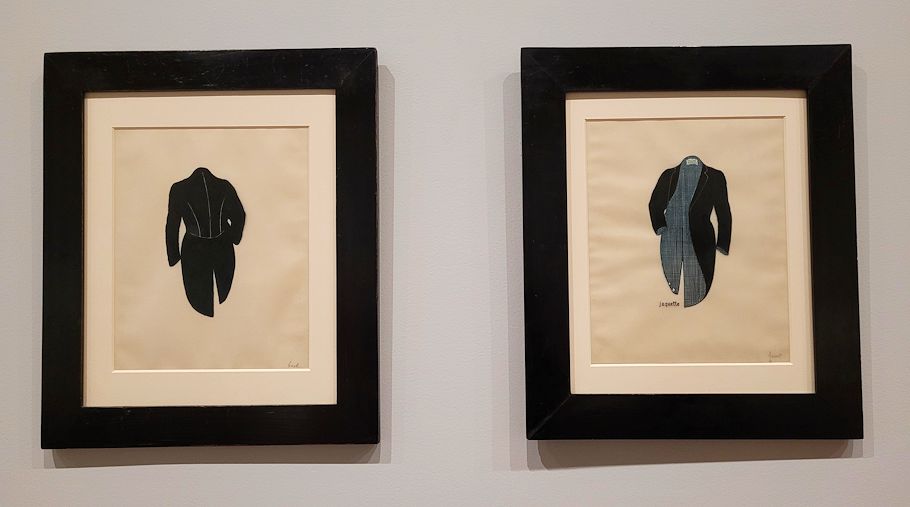
Later, I told Cynthia about the "rejection pile."
2024.10.09
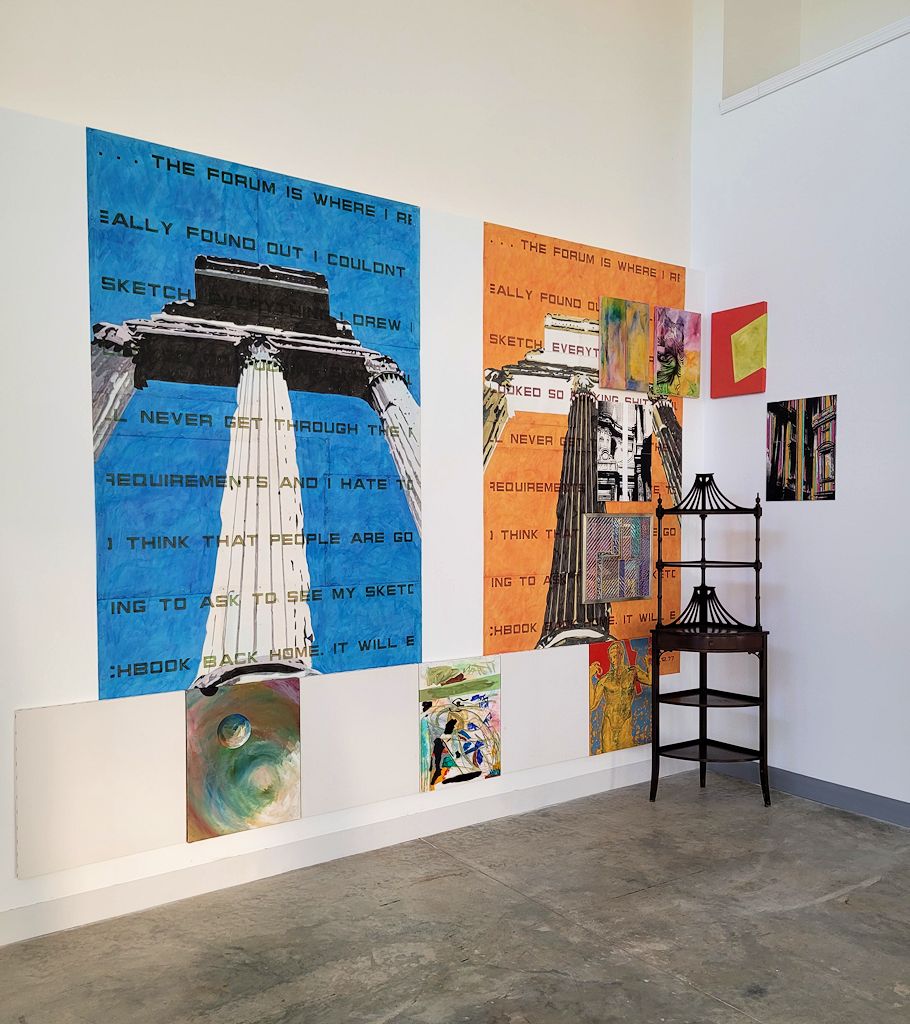
451 Rhawn Gallery
2022.10.09
From The Discovery of Piranesi's Final Project:
9 October 2022 Sunday
"Legrands says the Piranesi instructed Francesco in Roman history and the Latin language as soon as he could draw. He was sent to study at the French Academy and was destined for the church but, since the Rezzonico pope died before he was old enough to take orders, that plan was abandoned. He adds that he learned architecture from his father's friend Pierre-Adrien Pâris, drawing from Corvi of the French academy, landscape from Hackert and etching from Cunego and Volpato.
It is interesting to see how Francesco altered the balance of the firm's customers. He relied much less on the British connections and the dedications of, for instance, the plates of his edition of ancient statues were addressed to numerous Poles and Swedes and more Italians, especially from Venice, but Abbondio Rezzonico received a plate as did the Braschi cardinal who had succeeded G. B. Rezzonico as Majordomo to Pius VI."
Jonathan Scott, Piranesi (London: Academy Editions, 1975), p. 319.
2021.10.09
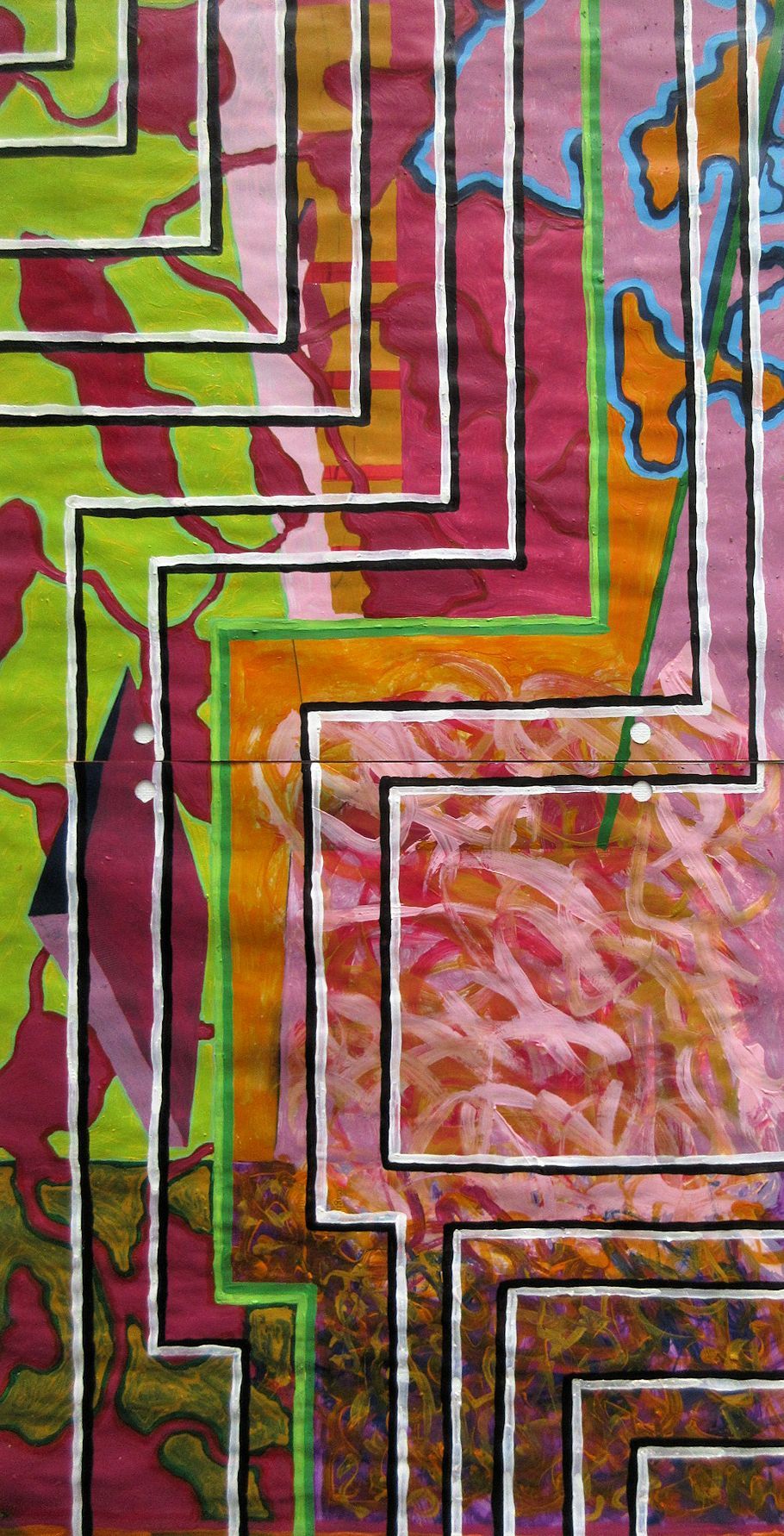
some pages within [Felix's Light Bulbs]
2012.10.09
3D CAD database
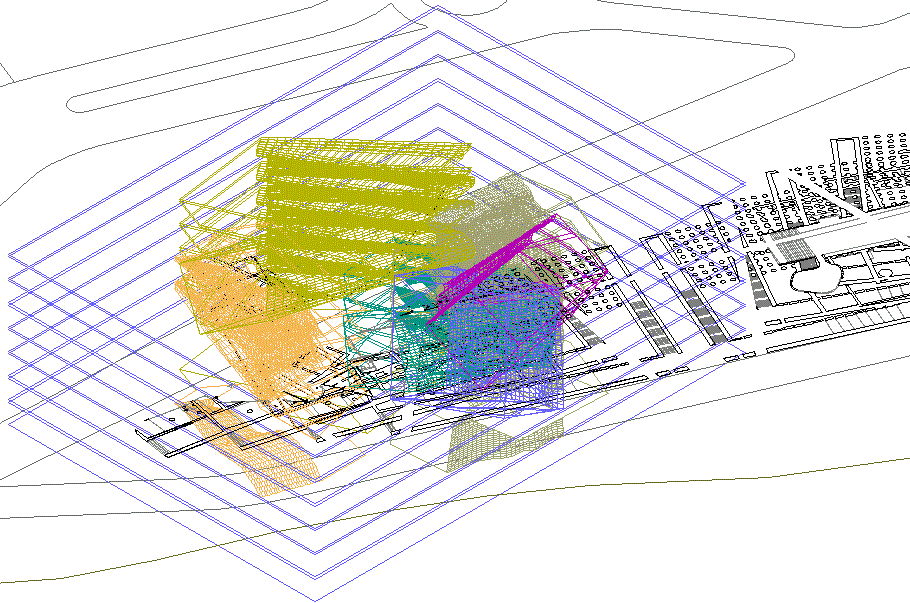
12100901.db Working Title Museum 003 floor plate generator
2005.10.09
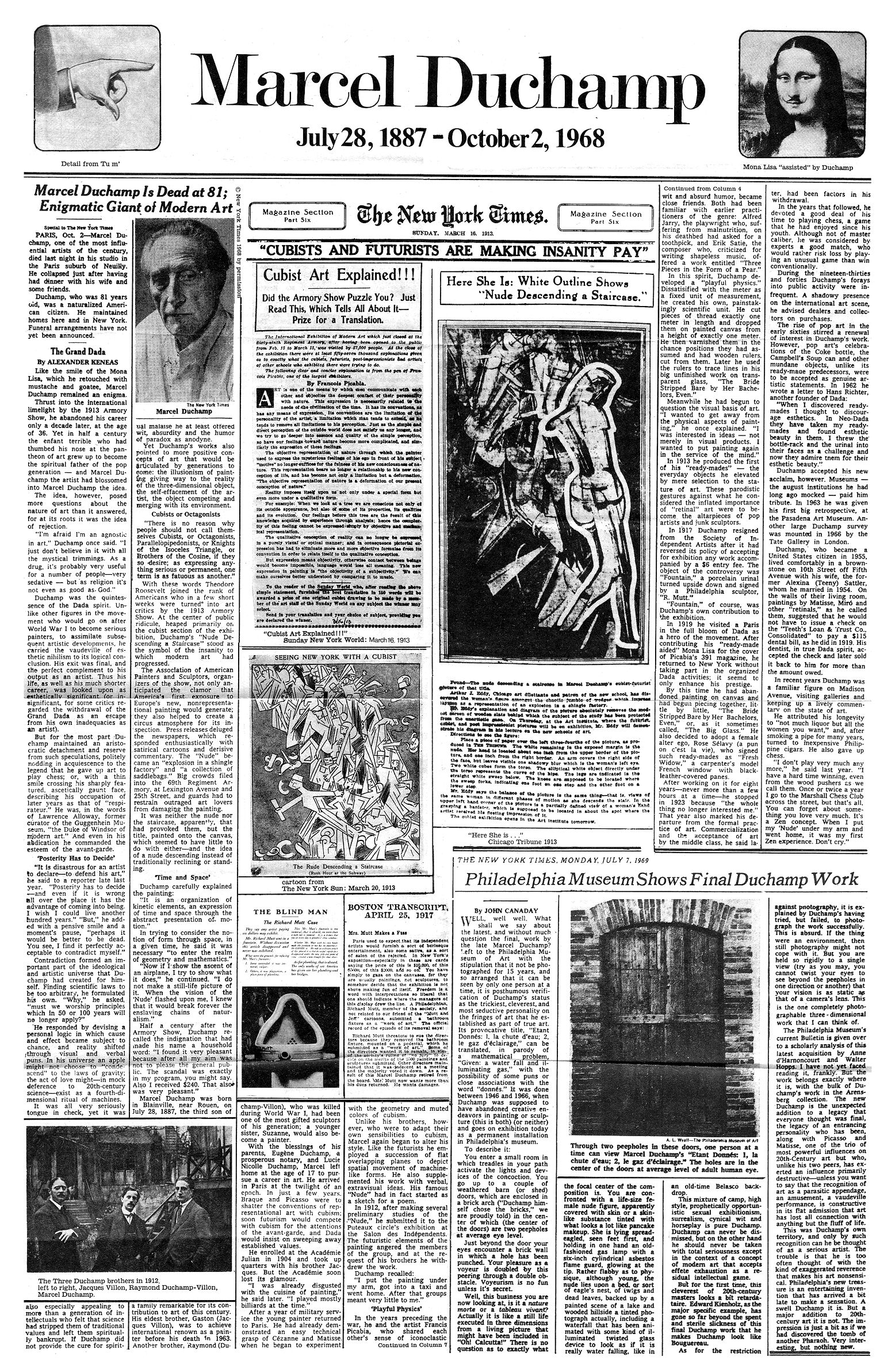
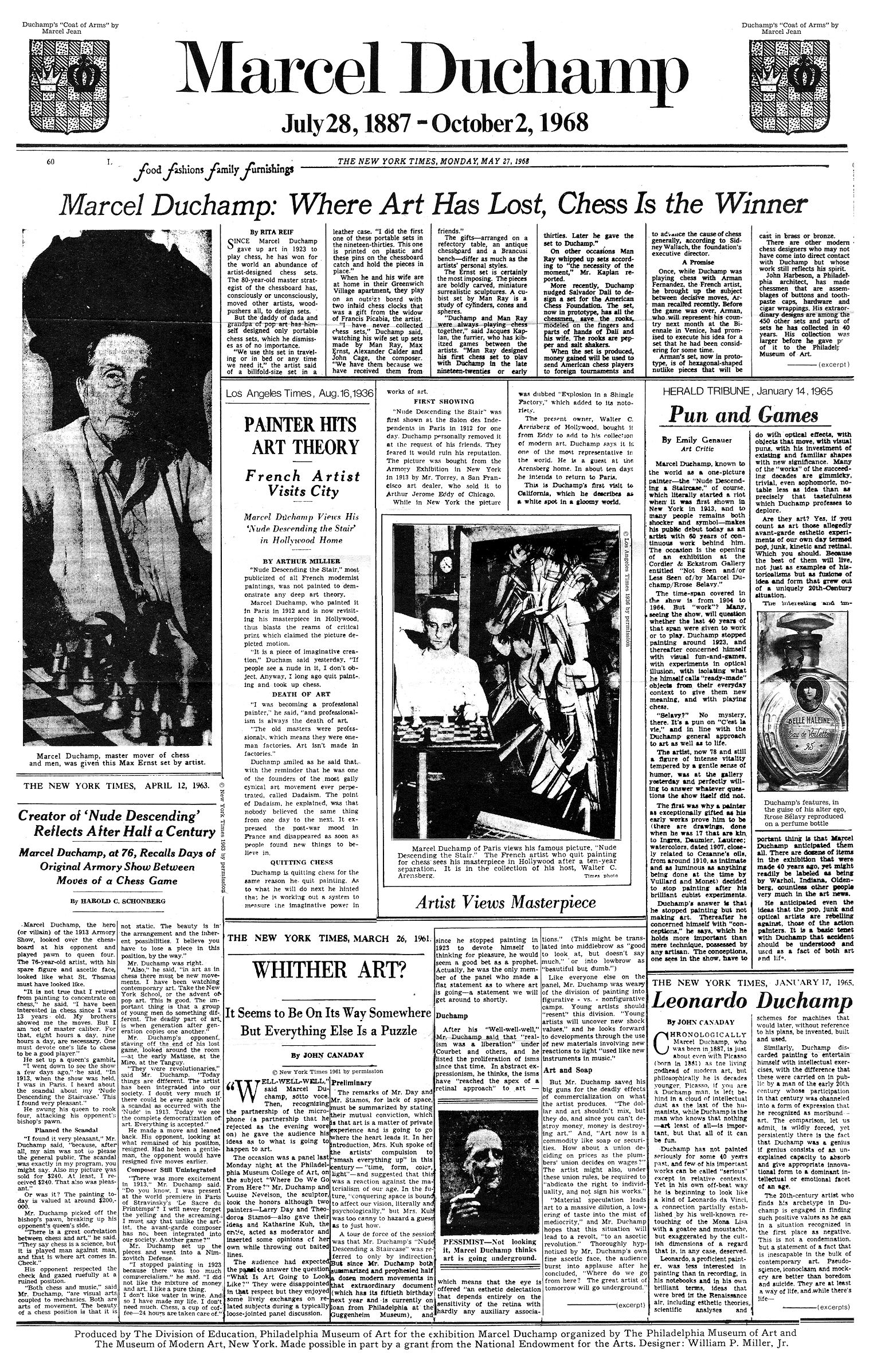
Media Magnification
2002.10.09
art
1. Welcome to the Hotel Anecdotal
2. "Self and Other Portraits"
3. Art Knot in America series
4. Art Not in America series
1986.10.09
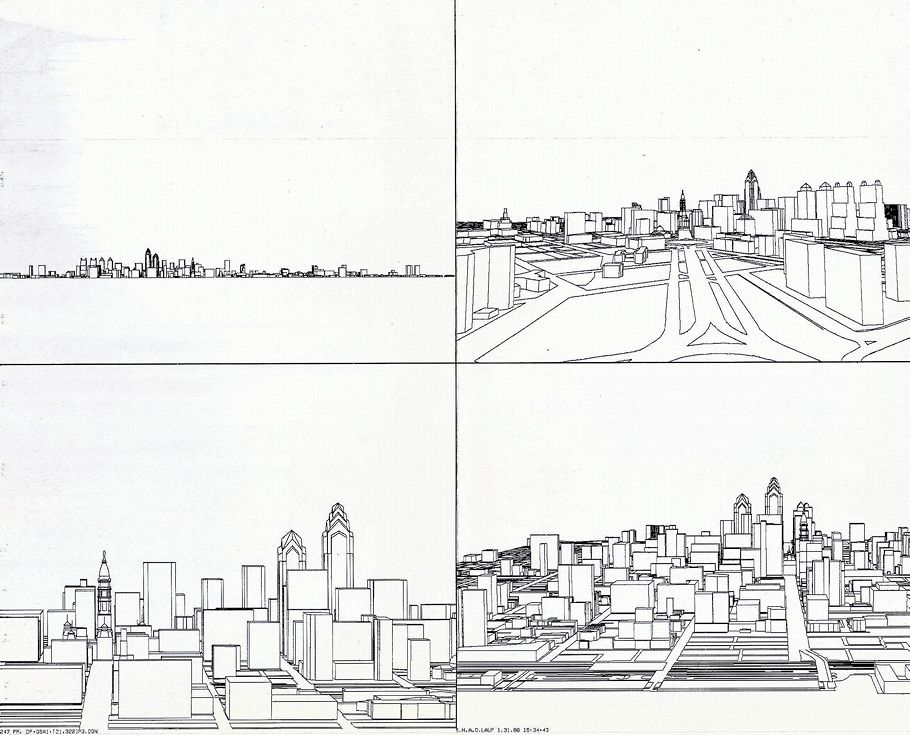
Three-Dimensional Graphic Model of Center-City Philadelphia
The following drawing and text first appeared in Drawing Toward Building: Philadelphia Architectural Graphics, 1732-1986, catalogue of the "Drawing Toward Building" exhibit, Pennsylvania Academy of the Fine Arts, October 9, 1986, through January 4, 1987.
"It would quickly be seen that the tools that man has made for himself, . . . and which till now have undergone only slight modifications in a slow evolution, have been transformed all at once with an amazing rapidity. These tools in the past were always in man's hands; today they have been entirely and formidably refashioned and for the time being are out of our grasp. The human animal stands breathless and panting before the tool that he cannot take hold of; progress appears to him as hateful as it is praiseworthy . . . This is a great but critical period, . . . we must create the state of mind which can understand what is going on . . . we will see that things have changed: and changed for the better."
The above excerpt, written in 1923 and taken from the opening paragraph of "Architecture or Revolution," the concluding chapter of Le Corbusier's Towards a New Architecture, almost prophesies the arrival of graphics computers in the world of architecture and more specifically their arrival in the world architectural drawing. The graphics computer is indeed a new drawing tool, one that has not "refashioned" the old tools as much as it has replaced them. Pencils, triangles and parallel rules are simply no longer necessary to produce a drawing. However, the heart of the issue is that the graphics computer has also eliminated the need for manual skill, that is, the graphic dexterity of the architect/delineator. Until now, an architect's drawing could be appreciated for both the idea that is manifested and the dexterity with which the idea is presented. It has always been the combination of mind and hand that has made architectural drawings very appealing. The question now is whether a drawing generated with the aid of a computer can be appreciated in the same way.
The 3-D graphic model of center city, commissioned by the Philadelphia City Planning Commission, is a prime example where the capabilities of the machine, in this case Intergraph, far outweigh the capabilities of a delineator or any number of delineators. The model extends from the Delaware River to the Schuylkill River, and from Spring Garden Street down to South Street. On the overall street map are projected, into three dimensions, the general mass of buildings. Since the nature of a 3-D "drawing" allows one to view the subject isometrically from any angle and offers the ability to draw perspectives from any vantage point, the Philadelphia City Planning Cormnission uses the 3-D model to view and compare the effect of zoning recommendations as well as study the effect of proposed development in center city.
In addition to the infinite number of drawings and views that can be produced through a 3-D graphic model, the computer also offers the chance to view the city dymanically, directly on the screen monitor, as if the city were floating and rotating in space, and the ability to set up a series of selected perspectives to simulate what a person might see walking down a given street.
Stephen Lauf, Drawing Toward Building: Philadelphia Architectural Graphics 1732-1986 (Philadelphia: University of Pennsylvania Press, 1986), p. 263-4.
1965.10.09
1965. Saturday, Neuilly-sur-Seine
In case he has not received an invitation for the exhibition "Hommage à Caïssa", due to open on 8 February for the benefit of the American Chess Foundation, Duchamp invites Daniel Spoerri [10.3.1961] "formally" and asks him either to deposit the work he is donating at the Galerie Iolas or to arrange for International Art Transport to collect it. "In recompense," explains Duchamp, "I will give you an etching [11.5.l965] that I made especially at the beginning of the summer for all the participants."
Ephemerides
1943.10.09
1943. Saturday, New York City
At seven o'clock Marcel (who himself has just moved) dines with Mary Reynolds at her new home at 73 Perry Street. Mary has also invited the Kieslers, from whom Marcel was subleasing accommodation until 1 October.
Ephemerides
1937.10.09
1937. Saturday, Paris
During Andre Breton's lecture "L'Humour noir" at the Comédie des Champs-Elysées, Marcel Jean is invited to demonstrate on a blackboard the mechanism of Duchamp's door at 11 Rue Larrey. As shown in the pages of Orbes, which appeared in the summer of 1933, Duchamp's door contradicts the maxim that a door is either open or closed: "When one opens the door to enter the bedroom, it closes the entrance to the bathroom, and when one opens the door to enter the bathroom it closes the entrance to the studio..."
Duchamp was compelled to find a way of providing privacy between the studio and the bedroom after Lydie, his fiancée [12.5.1927], on leaving the bathroom one day in a state of undress found herself face to face with Jean Crotti, her future brother-in-law.
Ephemerides
1912.10.09
1912. Wednesday, Paris
Issuing from the activities of the Société Normande de Peinture Moderne, combined with the energy and ideas generated by the circle at Puteaux, the exhibition opening nine days after the Salon d' Automne is baptized "Section d'Or".
"The few artists whose works are assembled here exhibited last year [20.11.1911] in too small a gallery to show to their advantage," writes René Blum in the preface to the catalogue, "...they have no common direction nor deep affinities between themselves but a unique thought leads them: to disentangle Art from tradition..."
It is curious, all the same, that the invitation to the candlelight opening of the "Section d'Or" at 64 Rue La Boétie is made in Duchamp's name together with Gleizes, Picabia, Dumont and Valensi, when Duchamp has been absent for several months [19.6.1912] and has made no promises to his brothers about the exact date of his return [26.9.1912].
According to the catalogue, Duchamp exhibits six works, four of which are identifiable. After its rejection earlier in the year and its voyage to Barcelona [20.4.1912], Nu descendant un Escalier, No.2 [18.3.1912] is shown to the Parisian public for the first time and passes almost unnoticed.
The two works on the chess theme, made after the Nude but before Duchamp went to Munich--a watercolour entitled Le Roi et la Reine traversés par des Nus en vitesse and a canvas, Le Roi et la Reine entourés de Nus vites--contrast with the earlier chess picture Portrait de Joueurs d'Echecs [15.6.1912].
For Le Roi et la Reine entourés de Nus vites, Duchamp claims he used the back of the canvas on which he painted Le Paradis in 1910 because he didn't have anything else available at the time. Compared with the richly coloured, tranquil landscape in which, with a voluptuous Eve, his friend Dumouchel represents Adam, the new painting focuses sharply on two static, sculptural elements; "the right-hand side on top is male, the King, and on the left-hand side is a female, and that was very important," Duchamp explains. "I felt that the line should express it without using the descriptive form of the body." The King and the Queen are beset by two, rapid cross-currents, one of a steely blue. "The swift nudes are a flight of imagination [19.8.1912]," says Duchamp, "introduced to satisfy my preoccupation of movement still present in the painting."
Ephemerides
|