2026.08.23
view point
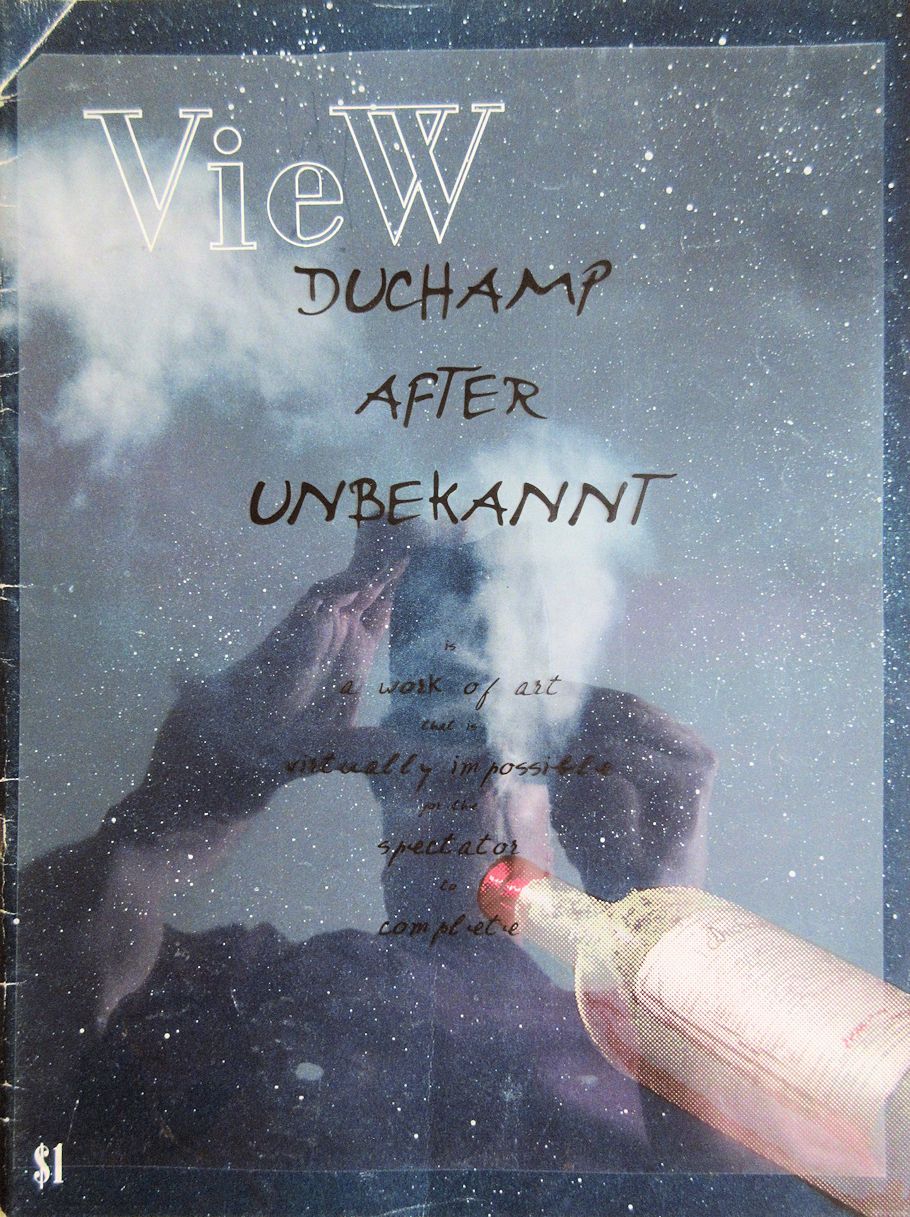
Stephen Lauf DUCHAMP AFTER UNBEKANNT is a work of art that is virtually impossible for the spectator to complete 001 2026.08.23
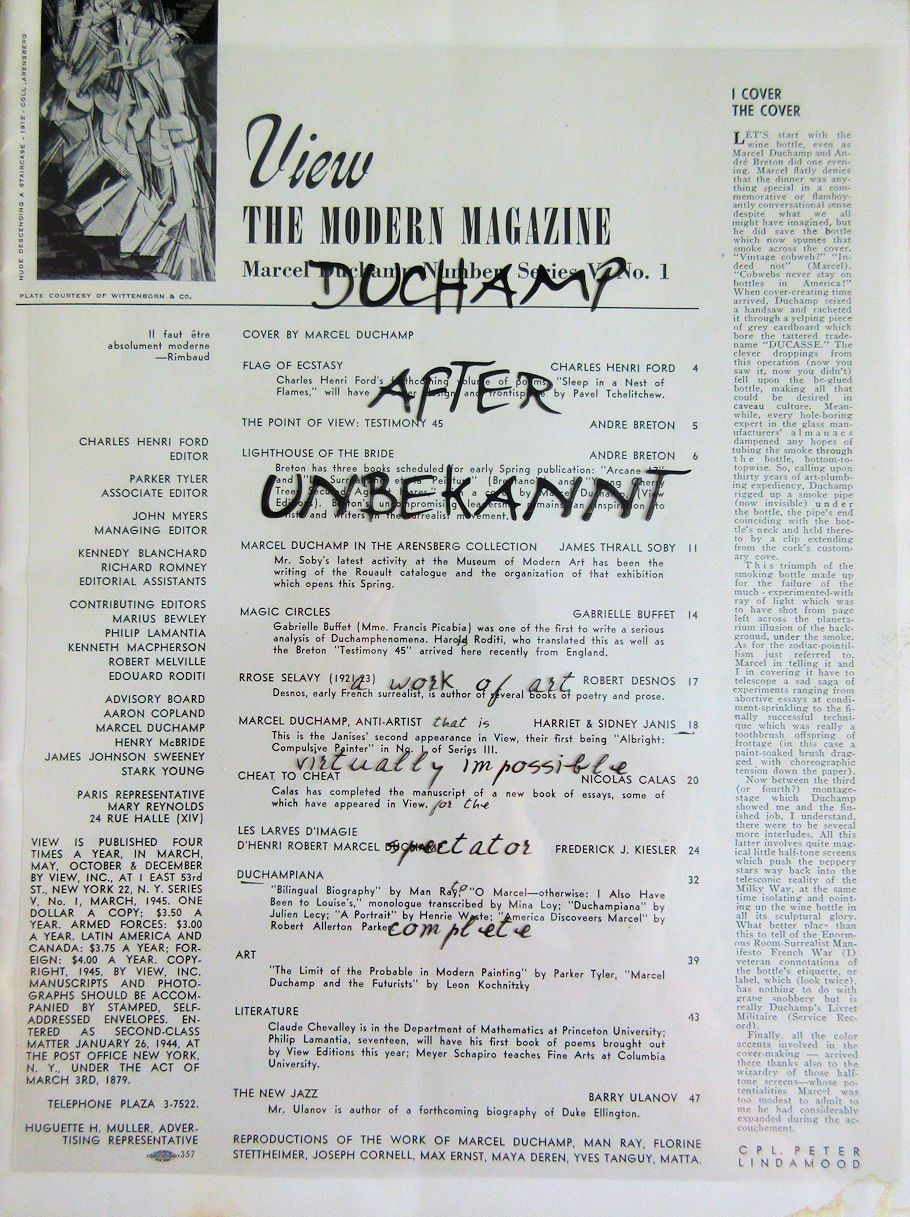
Stephen Lauf DUCHAMP AFTER UNBEKANNT is a work of art that is virtually impossible for the spectator to complete 005 2026.08.23
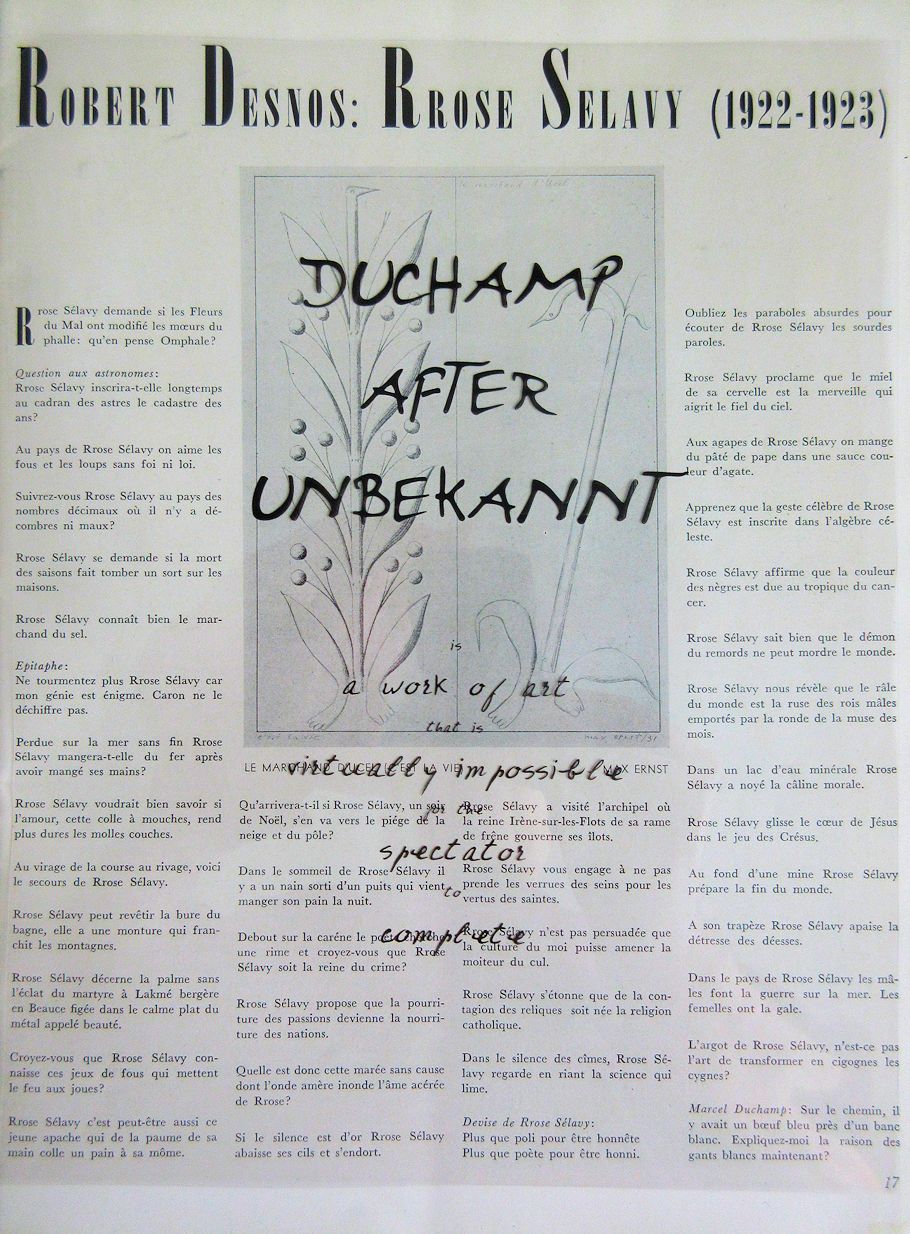
Stephen Lauf DUCHAMP AFTER UNBEKANNT is a work of art that is virtually impossible for the spectator to complete 019 2026.08.23
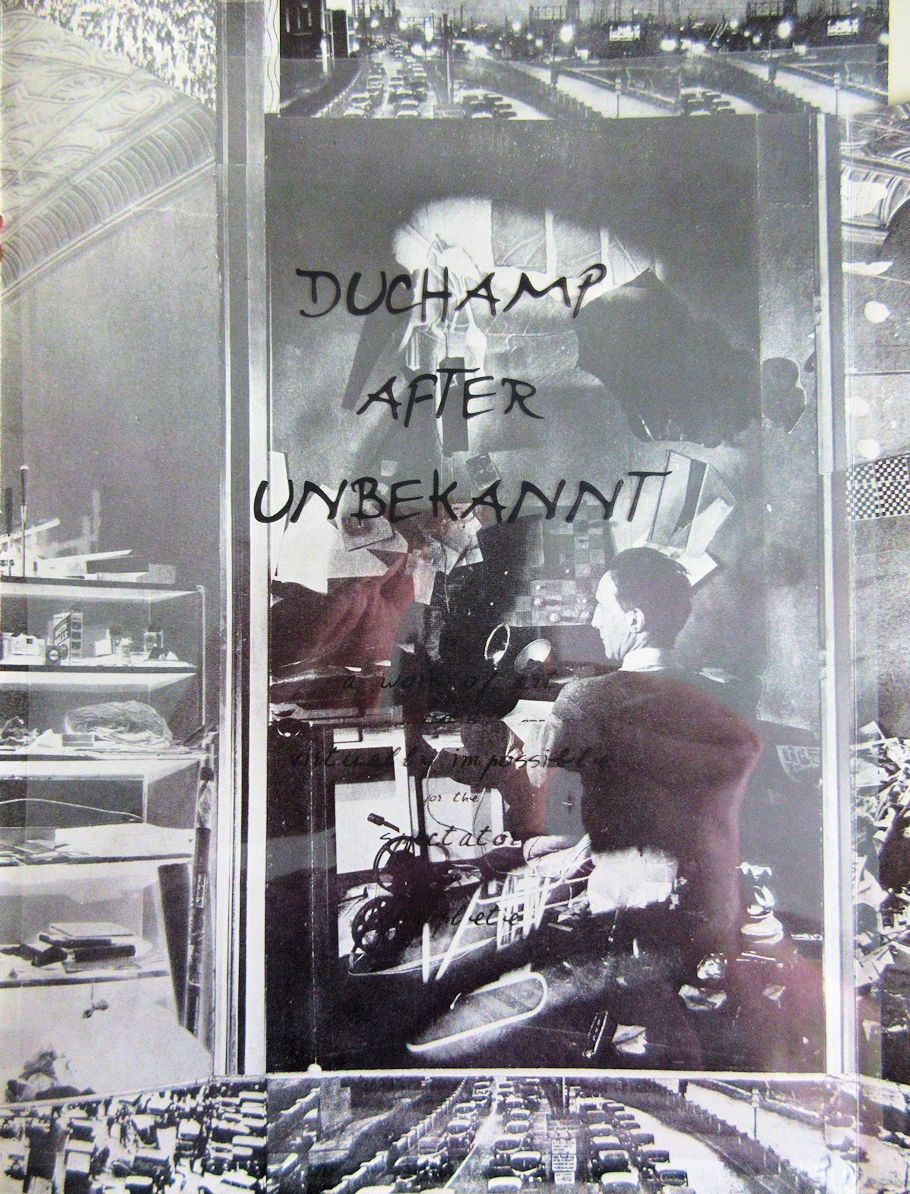
Stephen Lauf DUCHAMP AFTER UNBEKANNT is a work of art that is virtually impossible for the spectator to complete 034 2026.08.23
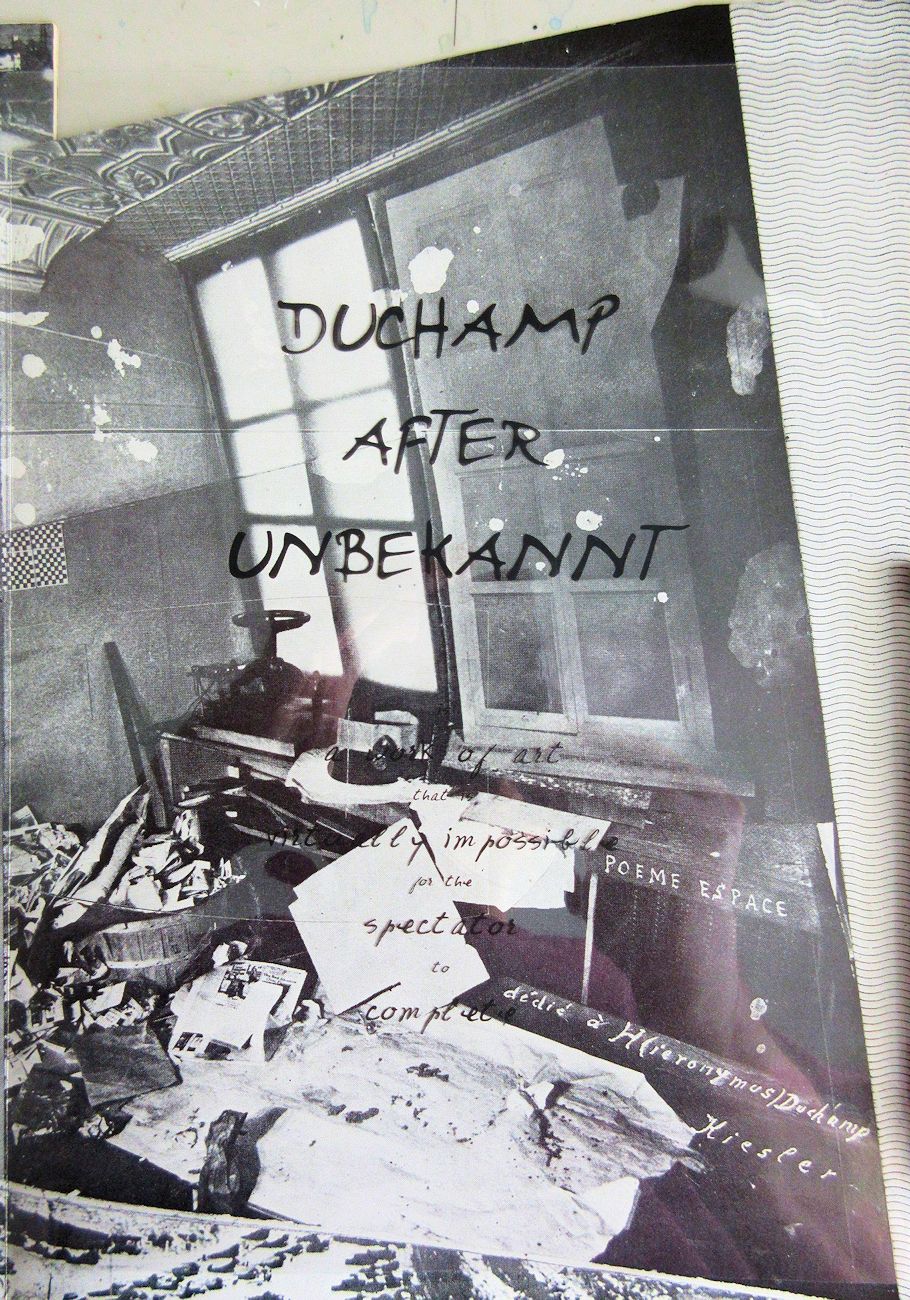
Stephen Lauf DUCHAMP AFTER UNBEKANNT is a work of art that is virtually impossible for the spectator to complete 035 2026.08.23
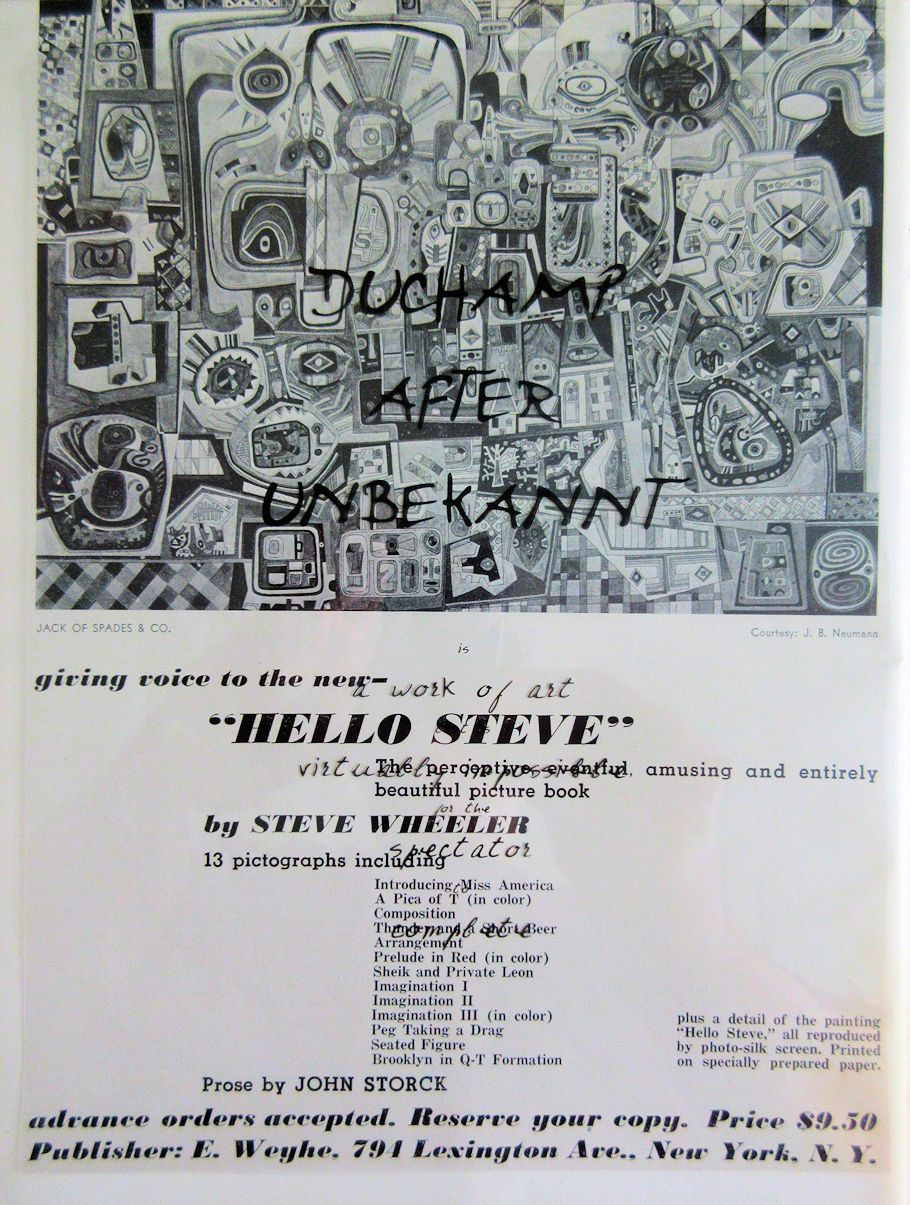
Stephen Lauf DUCHAMP AFTER UNBEKANNT is a work of art that is virtually impossible for the spectator to complete 054 2026.08.23
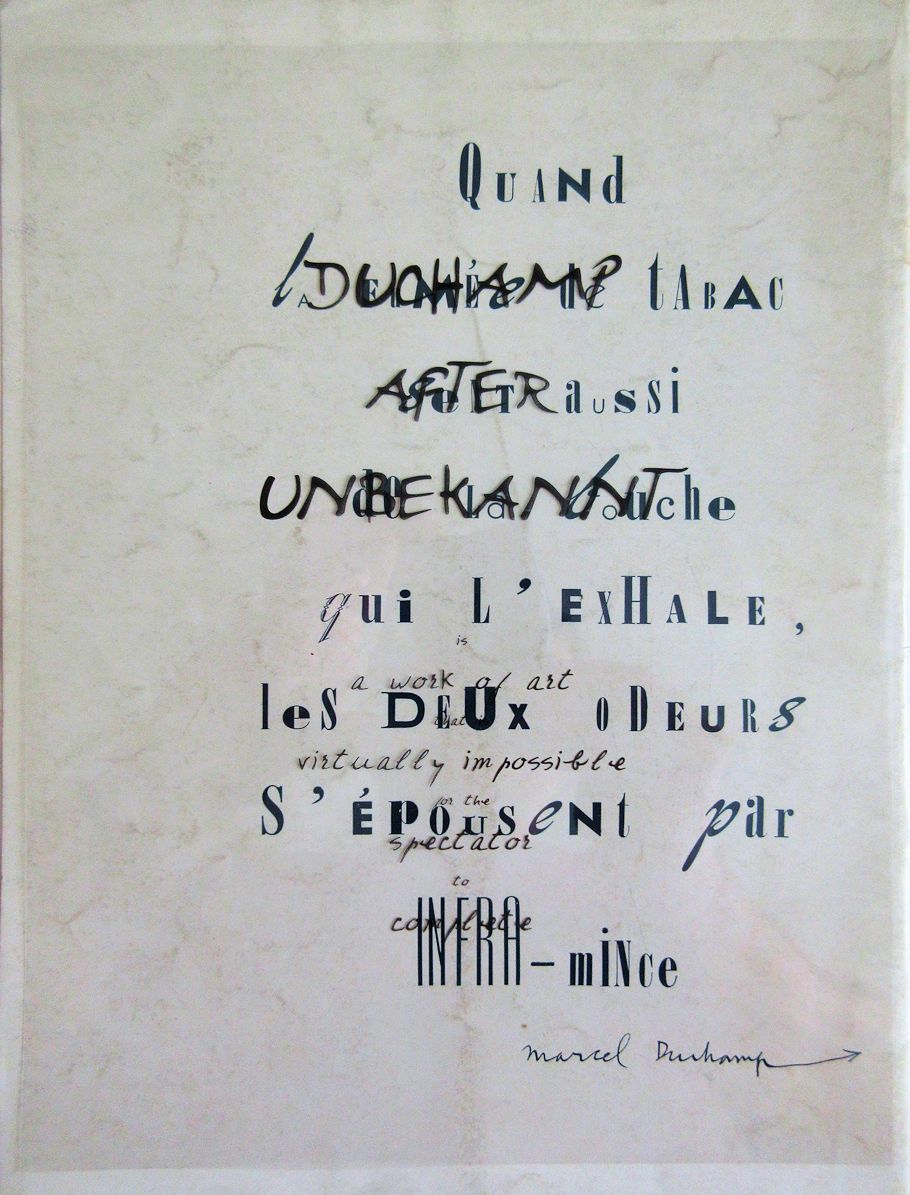
Stephen Lauf DUCHAMP AFTER UNBEKANNT is a work of art that is virtually impossible for the spectator to complete 062 2026.08.23
2017.08.23
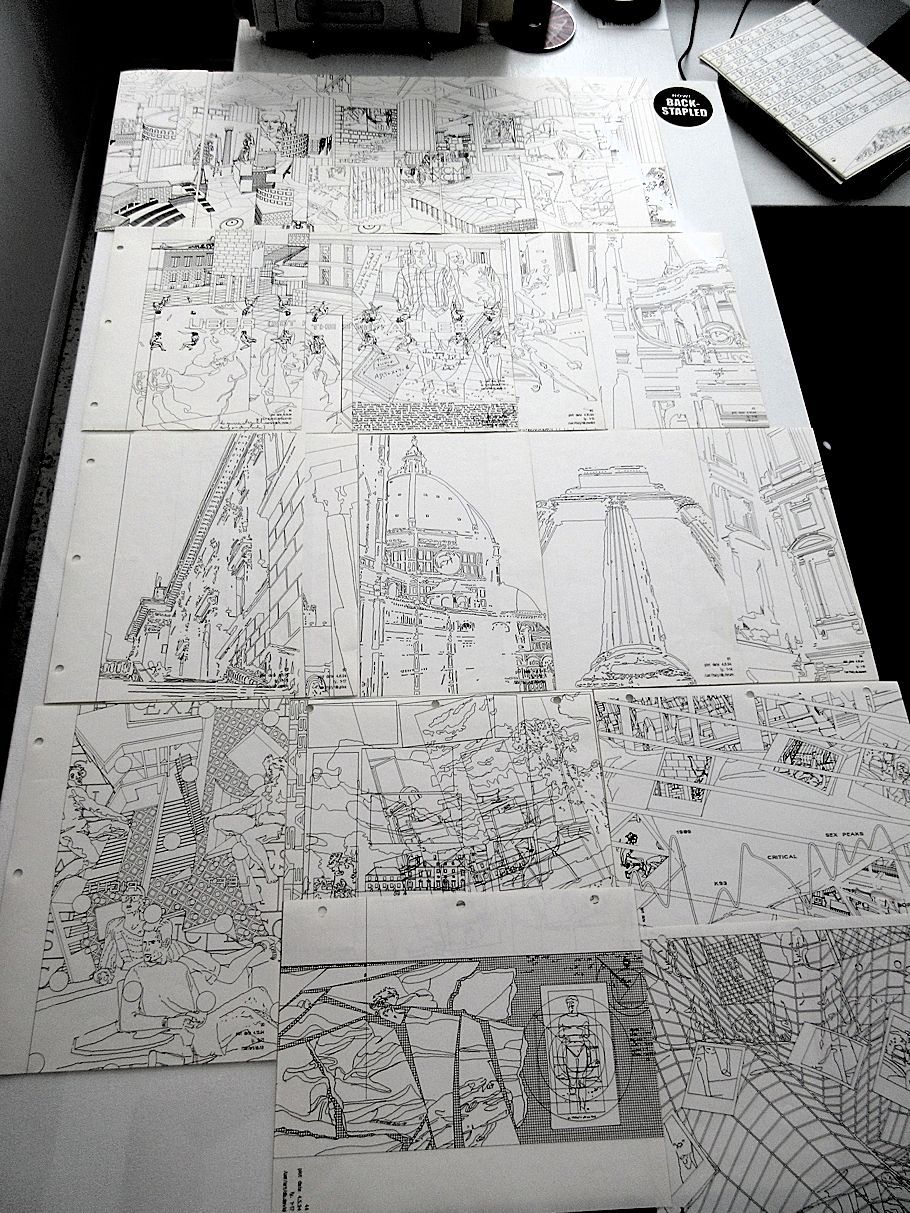
2017.08.23 09:54
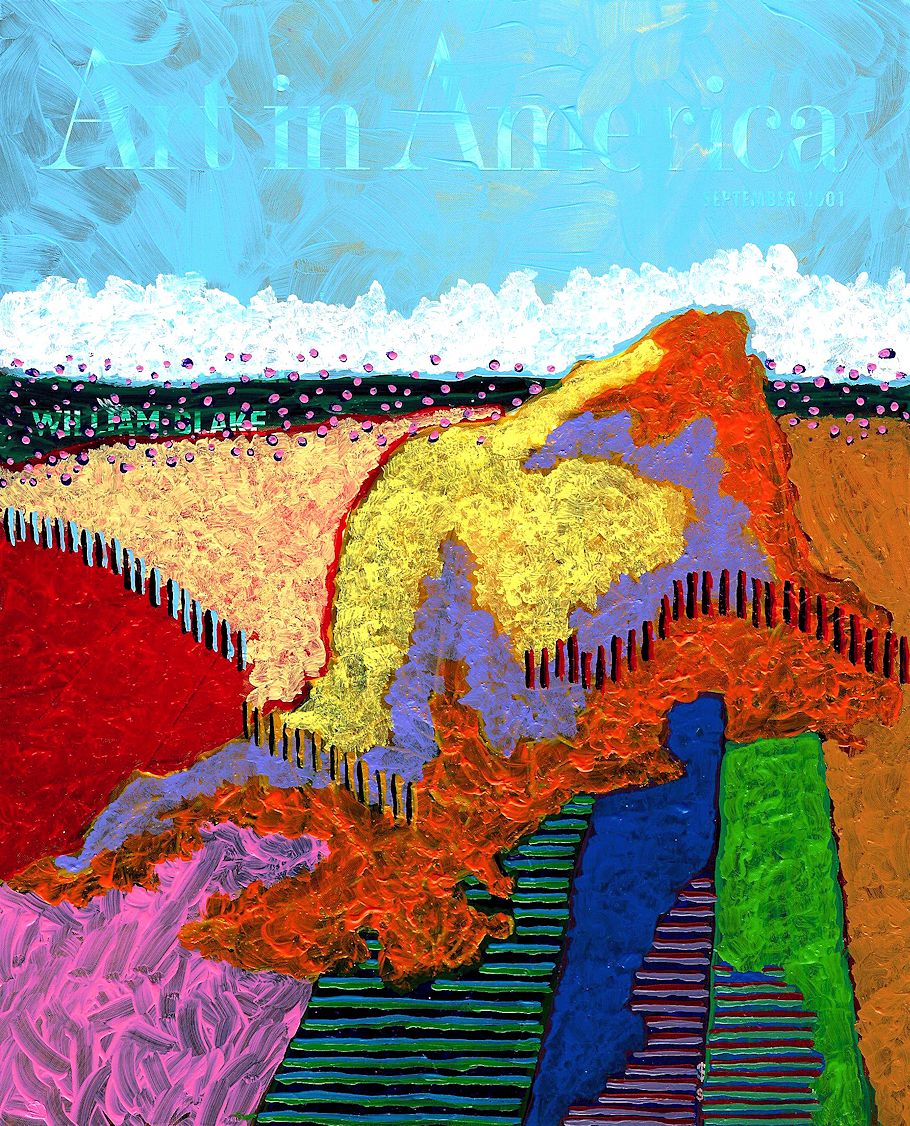
zero seven four
2013.08.23
2D CAD database
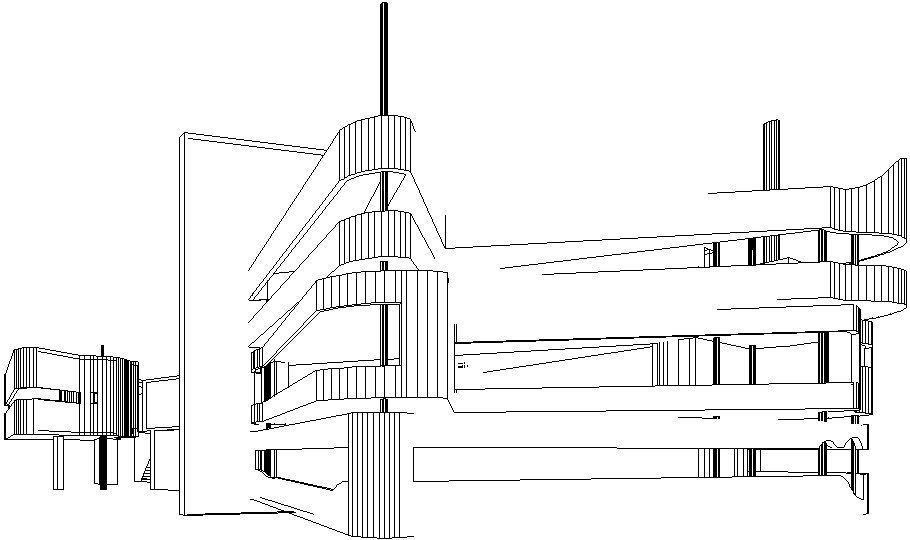
13082304.db Bye House Distorted perspective
2005.08.23
Tiring architects VS Real Architects
The late period of artists is often under-rated. Picasso's Late Period was mostly disliked while he was alive--seen as repetitious and unimportant. Yet, with Picasso dead, the late works are not so unimportant anymore, in fact they manifest one of Picasso's most creative periods.
Frank Gehry may be in a wonderful position if he continues to do architecture for another decade or so, because, when he isn't around anymore, his late works might just manifest his most creative period.
I like to look at and study the late periods of artists because of all the facile-ness and confidence and even (if you're lucky) the "I don't give a fuck" found there.
Philip Johnson produced an interesting late period, and he did change 'styles' with every new project, yet his overall style has always been reenactionary architecturism.
2003.08.23
Re: calendars of space, time, place
Somewhere in the first book of Joseph and His Brothers, Thomas Mann writes several pages comparing and contrasting lunar and solar based calendars, calling out that it is an old, old [hi]story amounting to a kind of interweaving of the two.
I like the solar based calendar because of the equinoxes and the solstices (and the seasons thus engendered in between). If I became interested in a/the lunar calendar, I would be inclined to look for somewhat steady oscillating/periodic changes in gravitational pull (or something like that--who knows).
Of late, I more see (my 'brand' of) "calendrical coincidence" like a somewhat large mnemonic structure/house comprised of 365.25 rooms, one 'room' for each full planetary spin as the planet itself makes one full rotation around the sun. Many different 'events' get sorted into these individual rooms based on the day first, and then by the year second (you could say)--historical events, saints days, Holy and Holidays, personal events, etc. I'm realizing it is interesting to "remember" history in this manner, where, instead of 'analyzing' events by decade or quarter or half century (for example), analysis is done by (a) specific day (cutting through all [solar] years).
[Chronosomatics--The Timepiece of Humanity, the calendar incarnate--very much sees the design of the human body as the ur-mnemonic structure of human history. I won't get into this now; I just wanted give "calendrical coincidence" further specific (to me) context.]
This past Thursday and Friday I've been putting together an inventory list of the artwork I've produced since 1983 (when I coincidentally also learned CAD). Early on I started dating my work at least down to the day completed, and I almost always did this since. [So far the number of physical titled works is between 200 and 300, whereas the virtual/digital works are of a sort of potentially anything number.] Ultimately, this inventory will be calendrically "mnemonified" at www.museumpeace.com.
Perhaps the same questions can be asked of any calendrical system, i.e., what are the signifiers? And what, if anything, is the significance of signifiers that coincide?
1998.08.23
@ home @ 5233
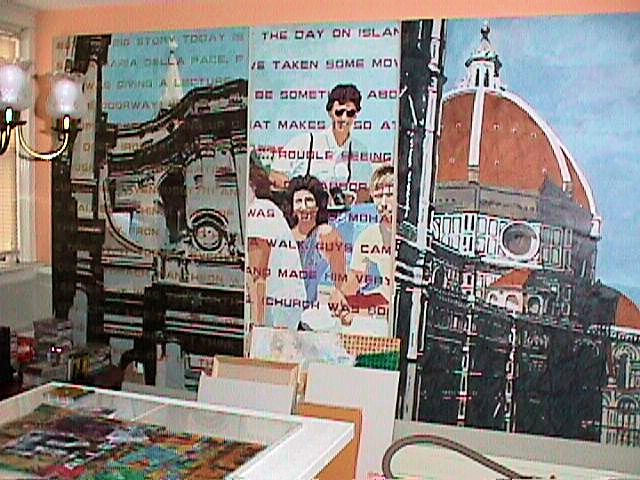
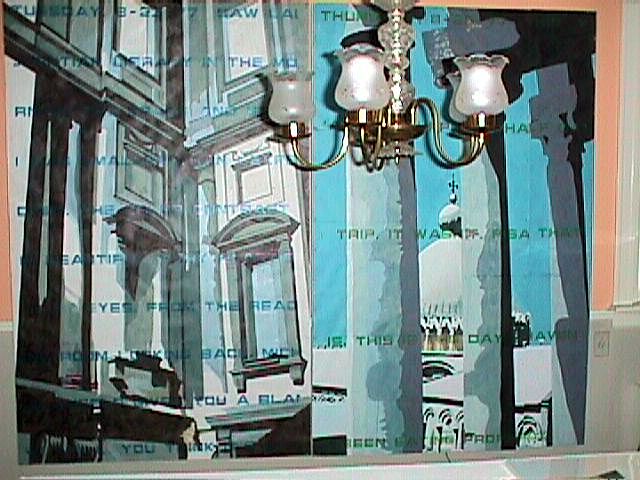
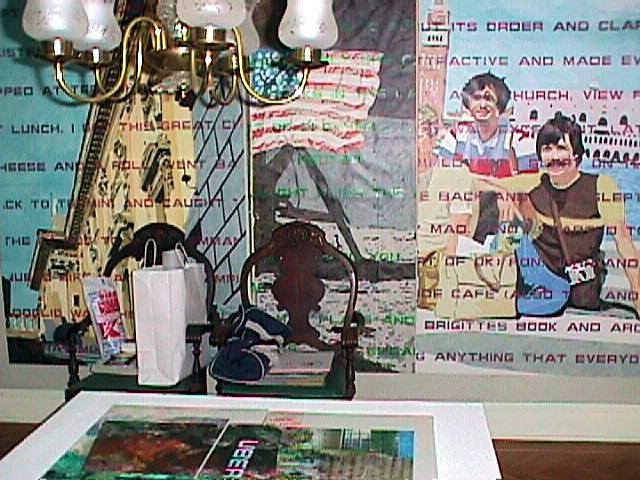
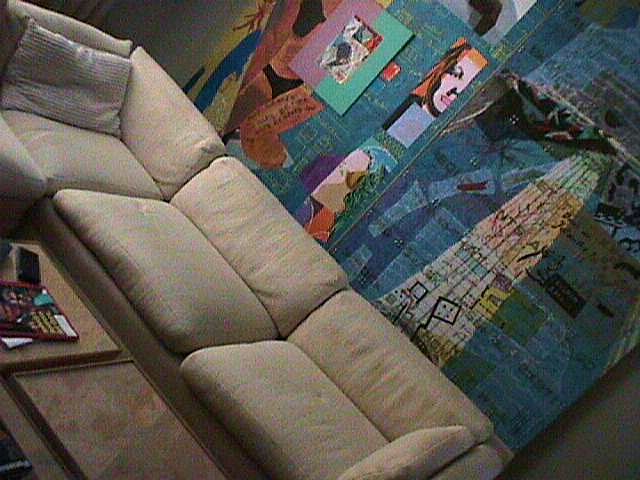
Hypermural for the Altes Museum
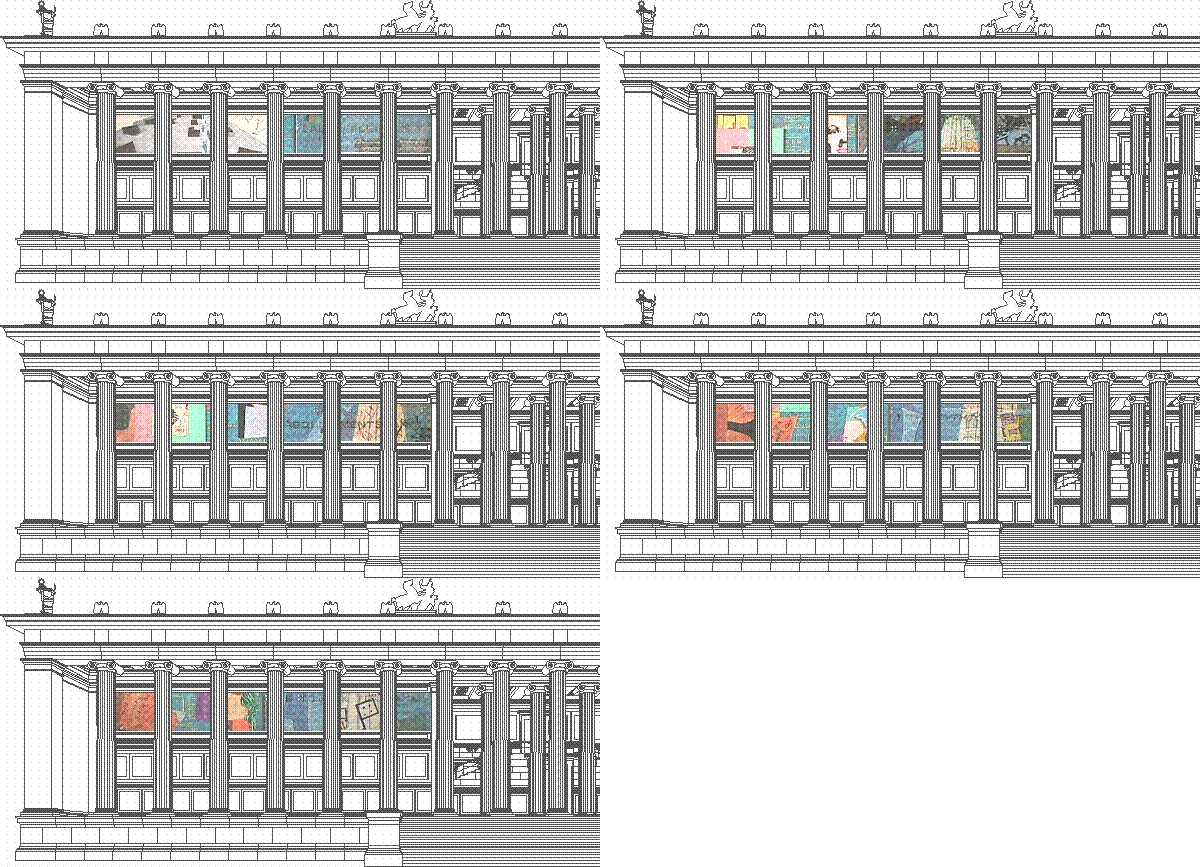
1985.08.23
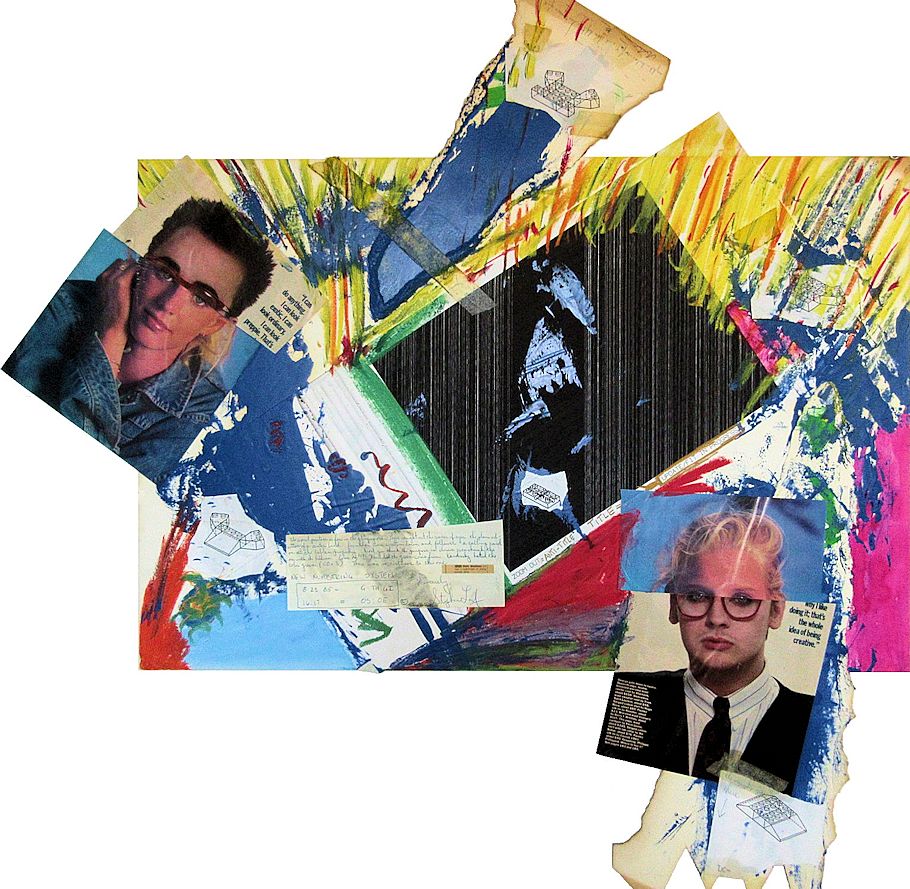
Stephen Lauf Update/Fit in Progress (Zoom Out) 1985.08.23
1977.08.23
August 23, 1977. Tuesday, Florence
Saw Laurentian Library in the morning. The space and stair was smaller than expected. The color contrast is beautiful. Very plastic in my eyes. From the reading room looking back, Michelangelo gives you a blank wall. You think it's strange, but it's really great because you are hardly conscious of the other room that is (the staircase hall) beyond it.
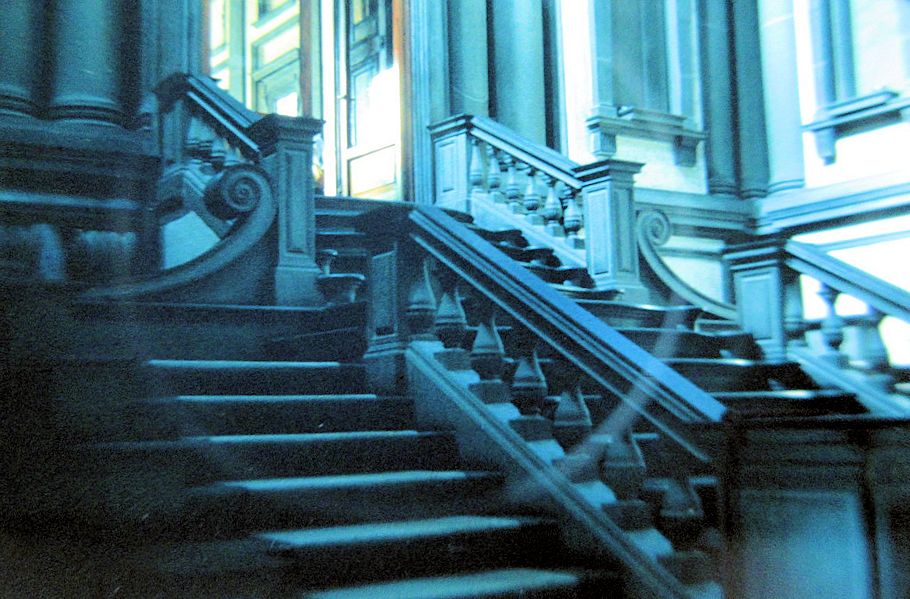
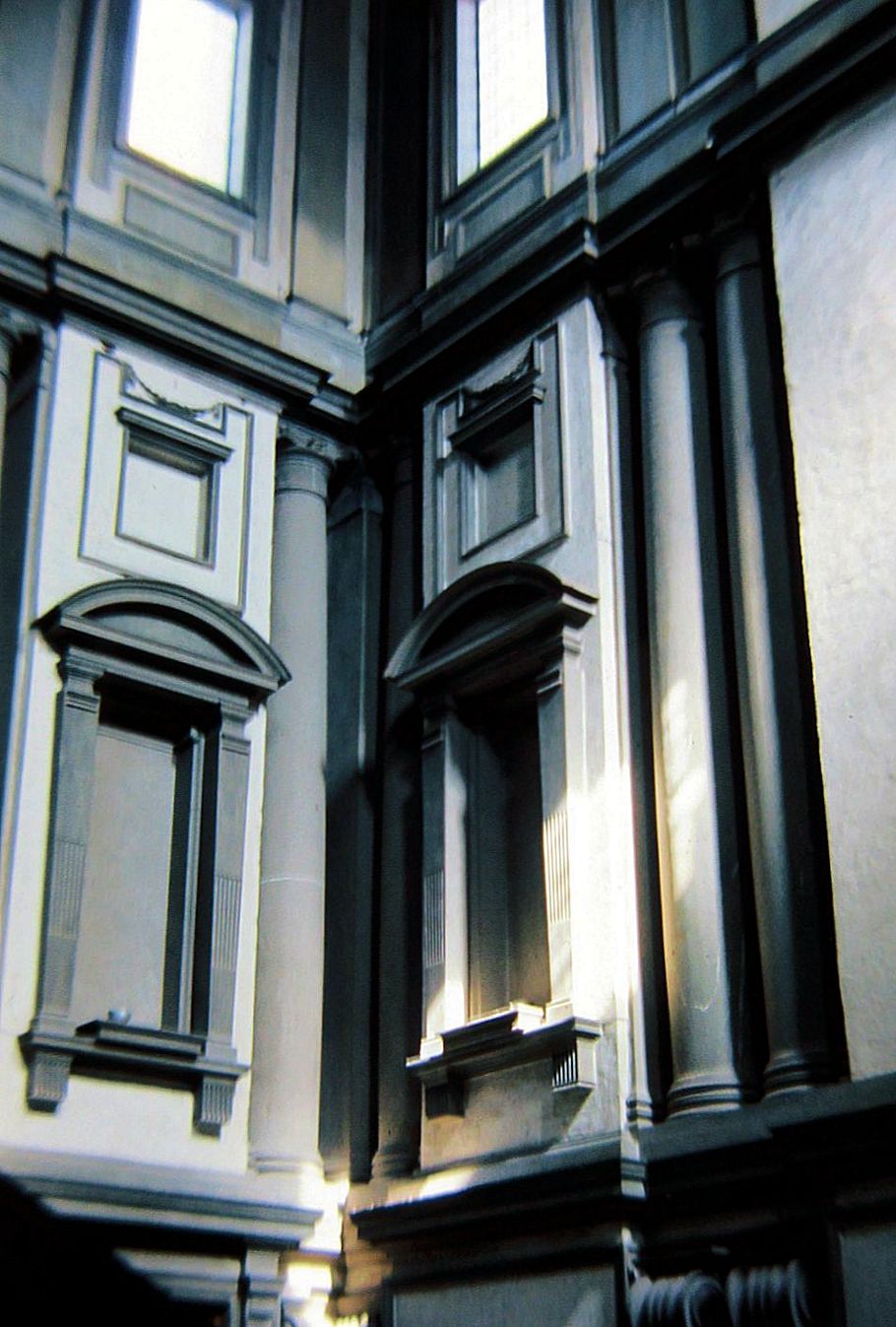
The only thing that distracted me was the light coming in from the entrance of the cloister. It weakened the balance by automatically pulling you in that direction. Granted the space is no place to stay, and movement is all it caters. The "openness" of that one side almost put a glare on the room that fuzzed the detail of compositions[?]
I bought a new Parker fountain pen this morning. Had a little difficulty with the sales girl, but she was very nice and all was ok.
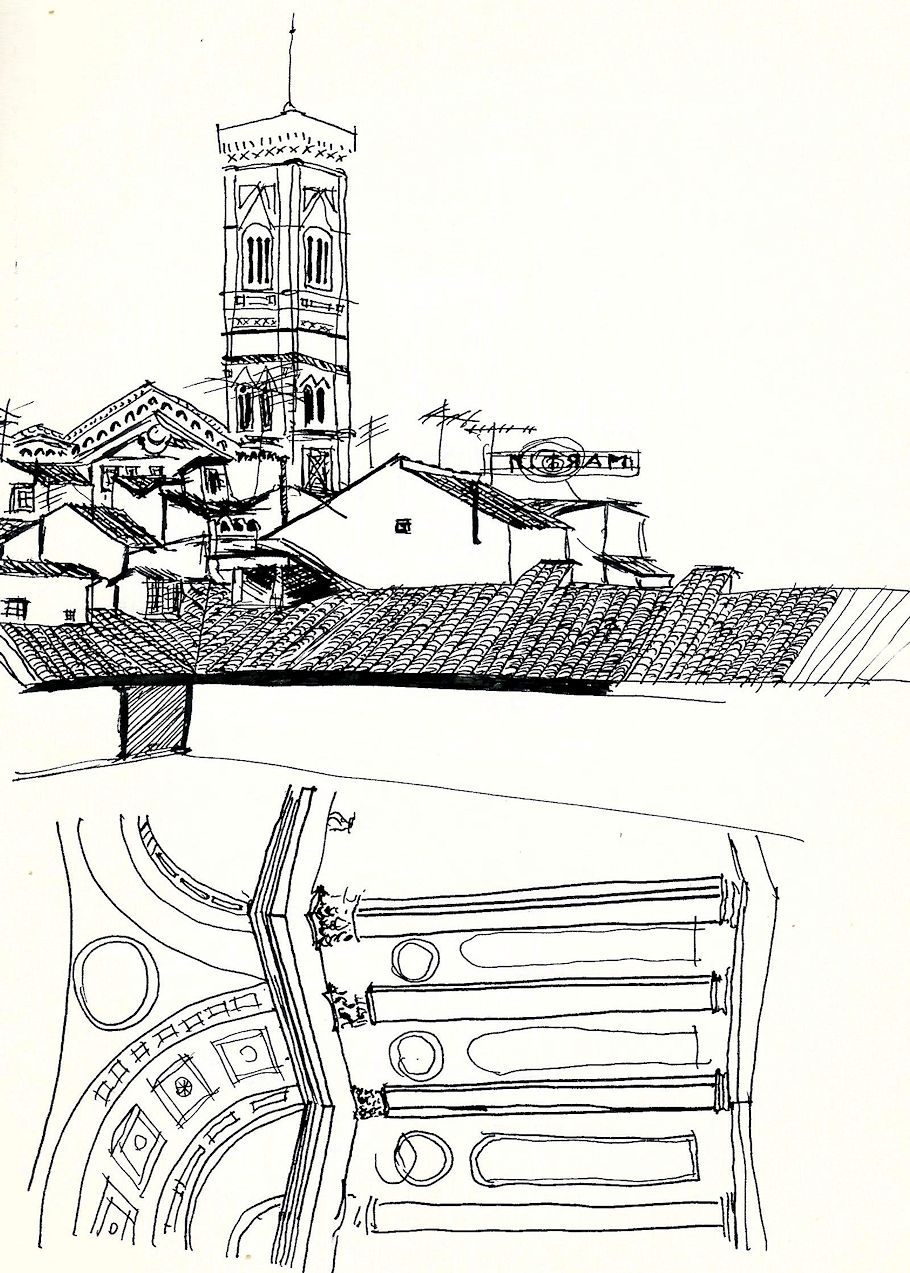
Anyway, went to San Croce, saw the tomb of Michelangelo. I'm sure he hates it. It was horrible. I think it should have been a plain box.
Later went to the Uffizi. It gave me a headache, like all museums do (even though the Vatican didn't), probably because there were so many paintings in the Uffizi. Met the Prons and was with them a little bit.
The Brunelleschi exhibit was very good. I'm going back again to take some notes on some techniques and maybe some small copies.
Forgot to mention the Pazzi Chapel at San Croce. It was a fine little chapel.
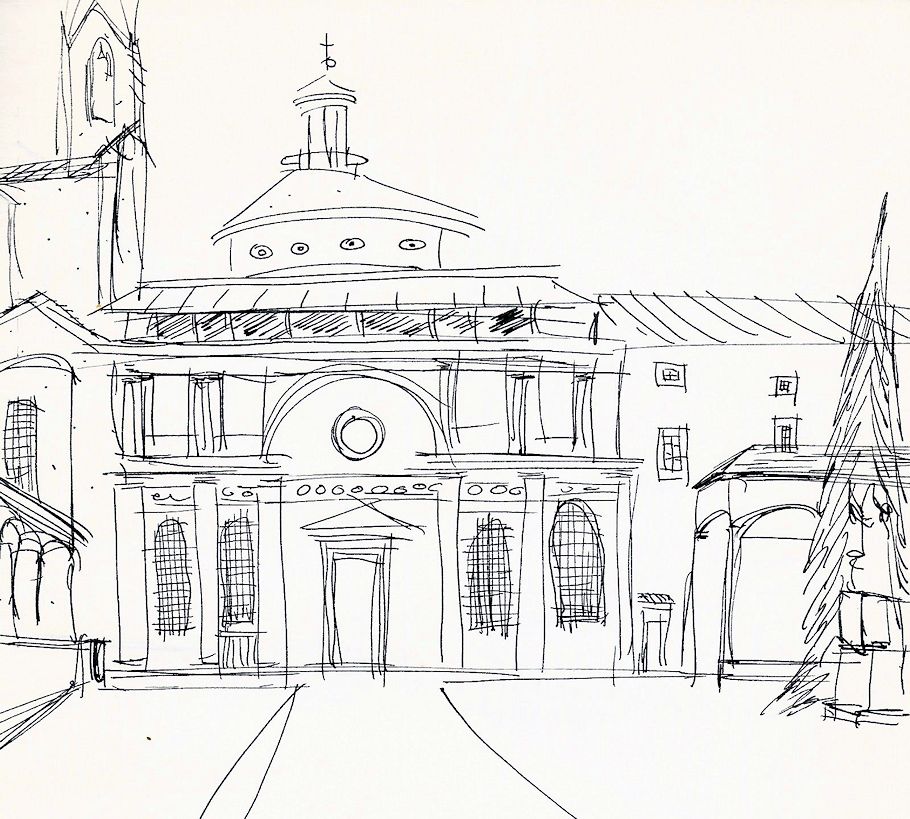
I seem to question the early Renaissance architecture for churches. I think it doesn't fit the program for a Christian church. I don't know; something just bothers me.
Ate lunch in the Uffizi courtyard with Mindy, Marcy, Jane, Tom, later joined by Pron and much later Ron. Pron and I went to the Boboli Gardens. John was being himself about the axis and everything. We had a vermouth and talked for a while overlooking Florence--it was the best afternoon I've spent so far.
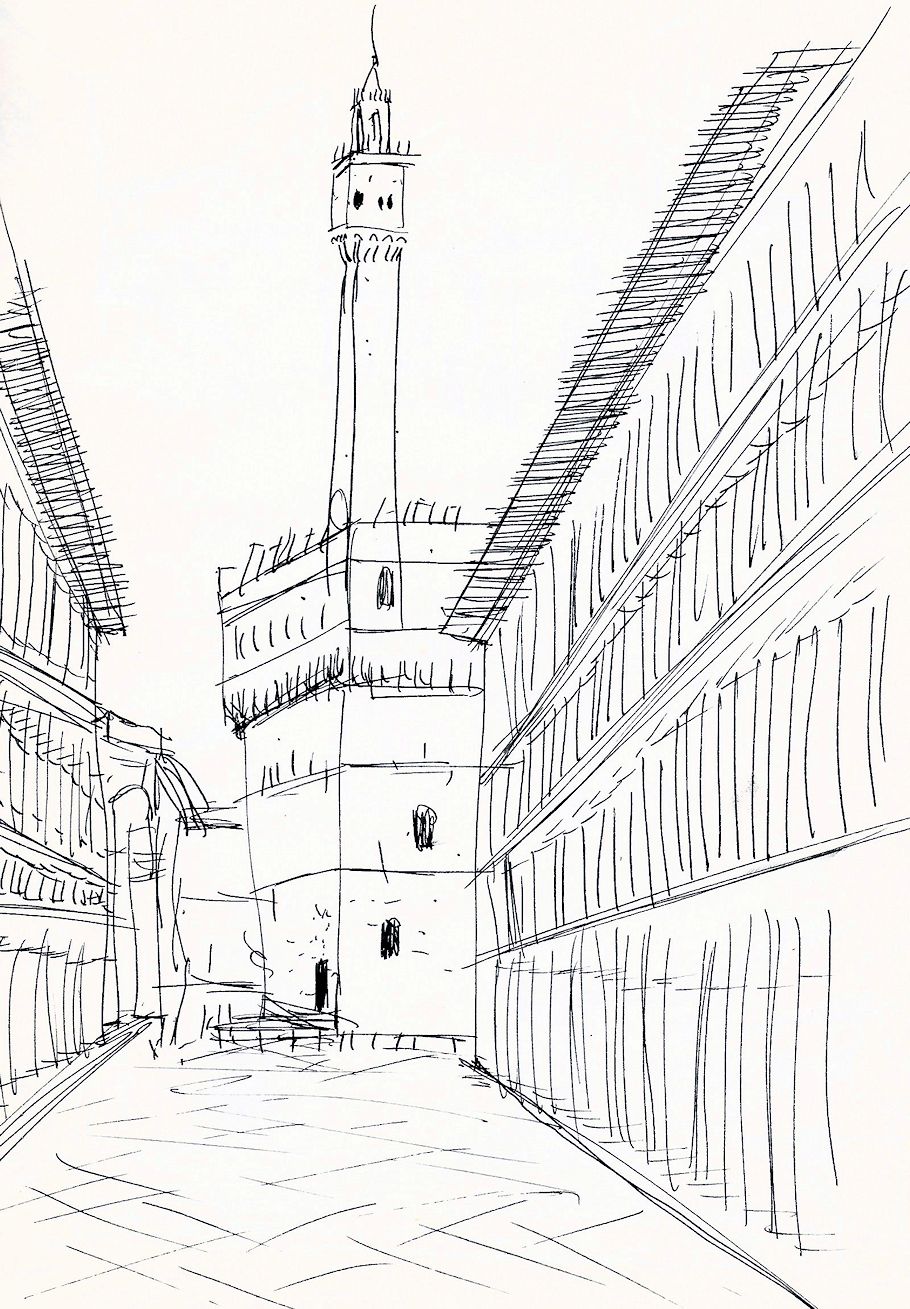
Went to San Spirito and Alberti's Palazzo Rucellai, which was 1/3 taken away.
Came home around 4:30. Moved into room with Tom because John Parson went to the Amalfi coast. Had dinner with the guys, girls went somewhere else. Ron and I had Florentine steak. It was much more meat than I expected or wanted. I'm really used to Italian food and I like it.
Italian Study Tour Journal
1954.08.23
1954. Monday, Philadelphia
Visiting the museum to see the Louise and Walter Arensberg Collection, which is "presented with plenty of air in some ten rooms", Duchamp lunches with Carl Zigrosser and is "very touched by the kindness of the directors", who have consulted him on every detail of the installation.
Ephemerides
1950.08.23
1950. Wednesday, New York City
Marcel has only received $21 from the publisher of The Dada Painters and Poets by Robert Motherwell for Gabrielle Buffet-Picabia's contribution. "I was unable to argue," he explains to Gaby. "But I advise you to protest to Motherwell and insist on the $50."
Ephemerides
1936.08.23
1936. Sunday, Albuquerque
"In the train, I'm coming back and I'm not dead. Taking the Normandie on 2 September will be in Paris on 7 or 8," writes Duchamp to Dumouchel his hand shaking with the movement of the train. He mails the postcard (which shows a spectacular view of the Grand Canyon from near Lipan Point) during the stop at Albuquerque on the Rio Grande in New Mexico.
He also writes to Brancusi.
Ephemerides
1917.08.23
1917. Thursday, New York City
The evening at Joel's with Walter Arensberg, Aileen [Dresser?] and three or four of her friends ends in a punch-up. Some brutes from another table approach, singing loudly, and want to start kissing the girls: "Drunker than us," recounts Marcel, "they chucked Walter to the ground without injury and I received a great punch in the ear..."
Ephemerides
|