2026.08.24
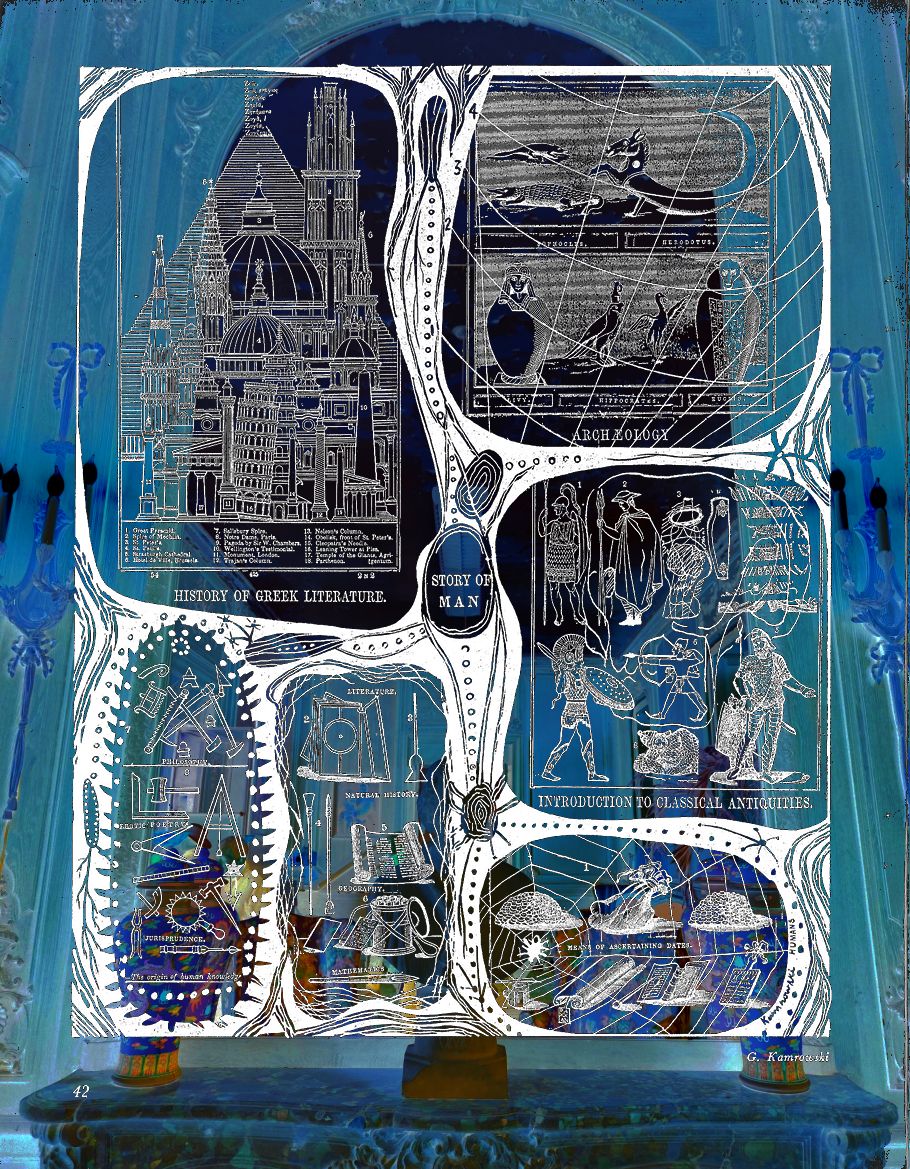
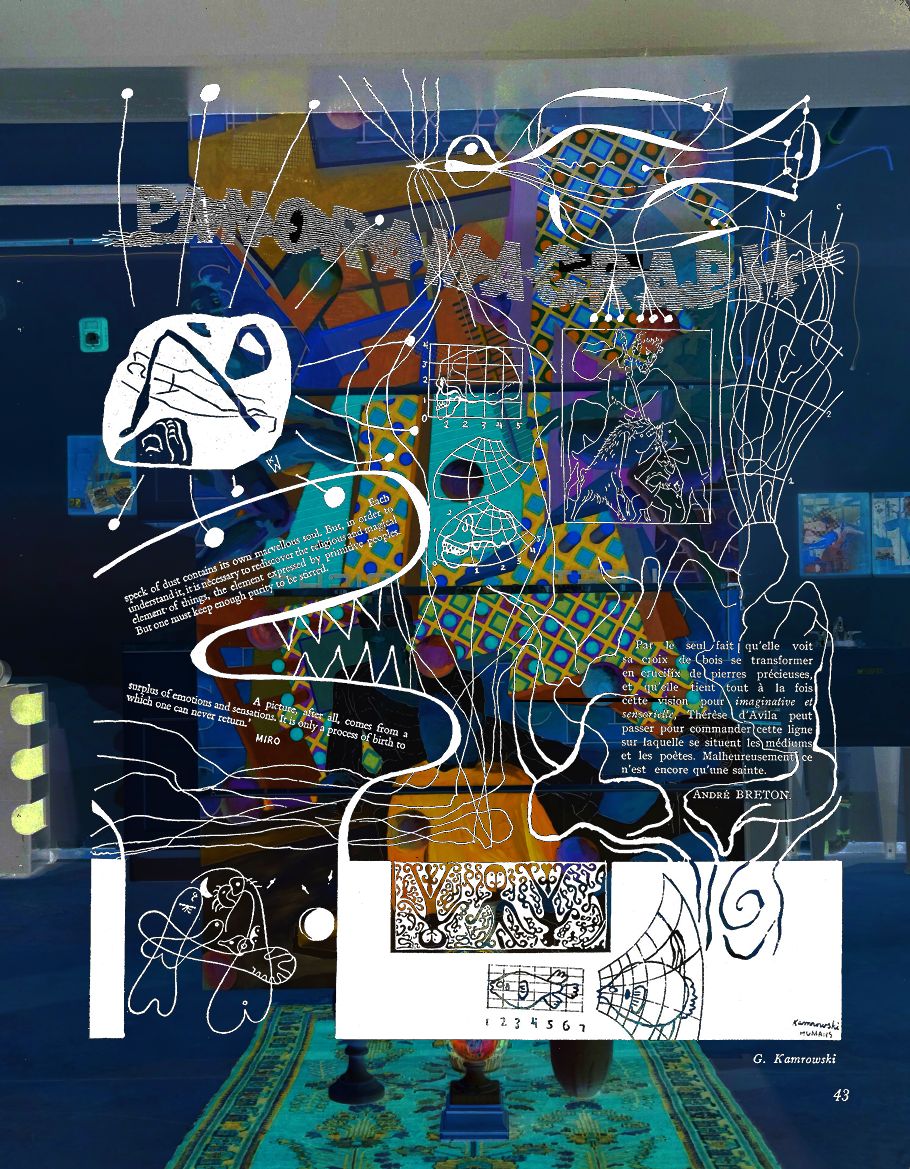
scanning VVV Number 2-3, etc.
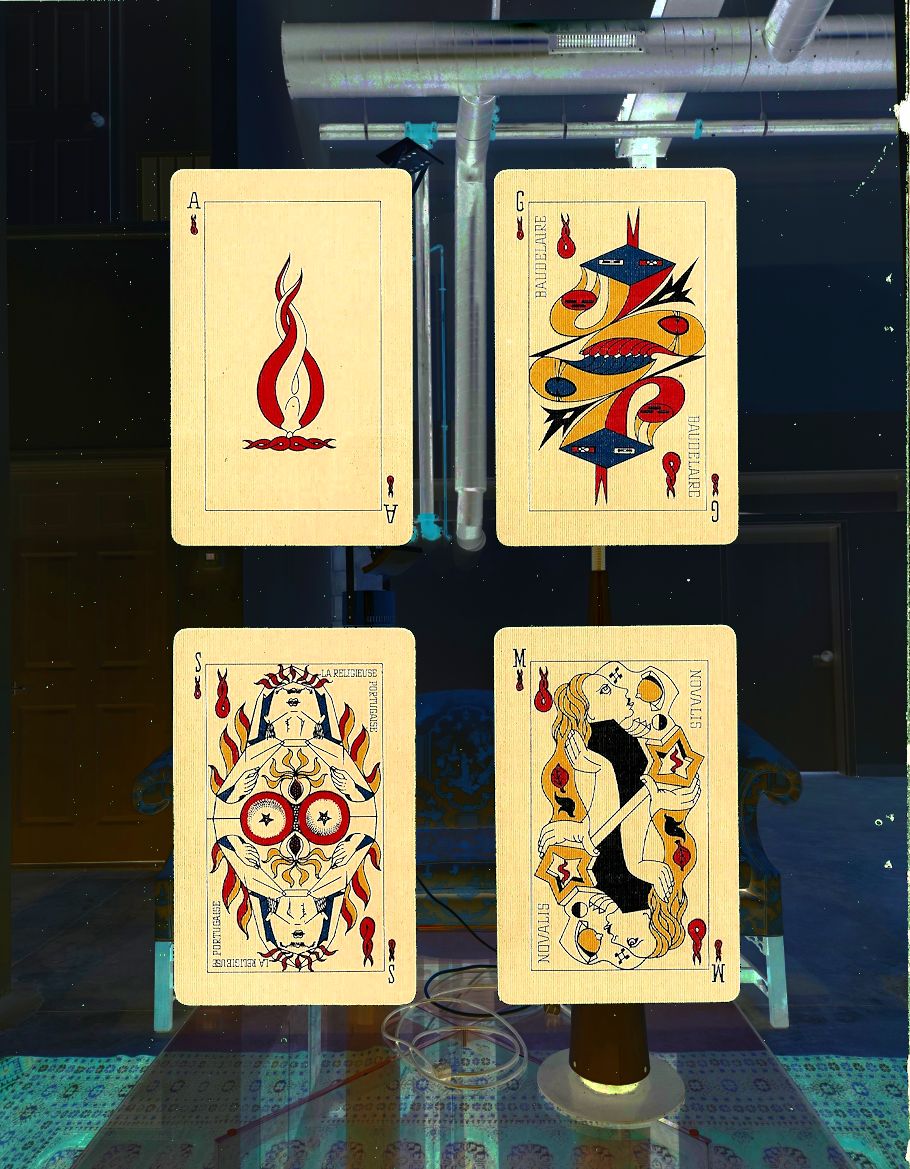
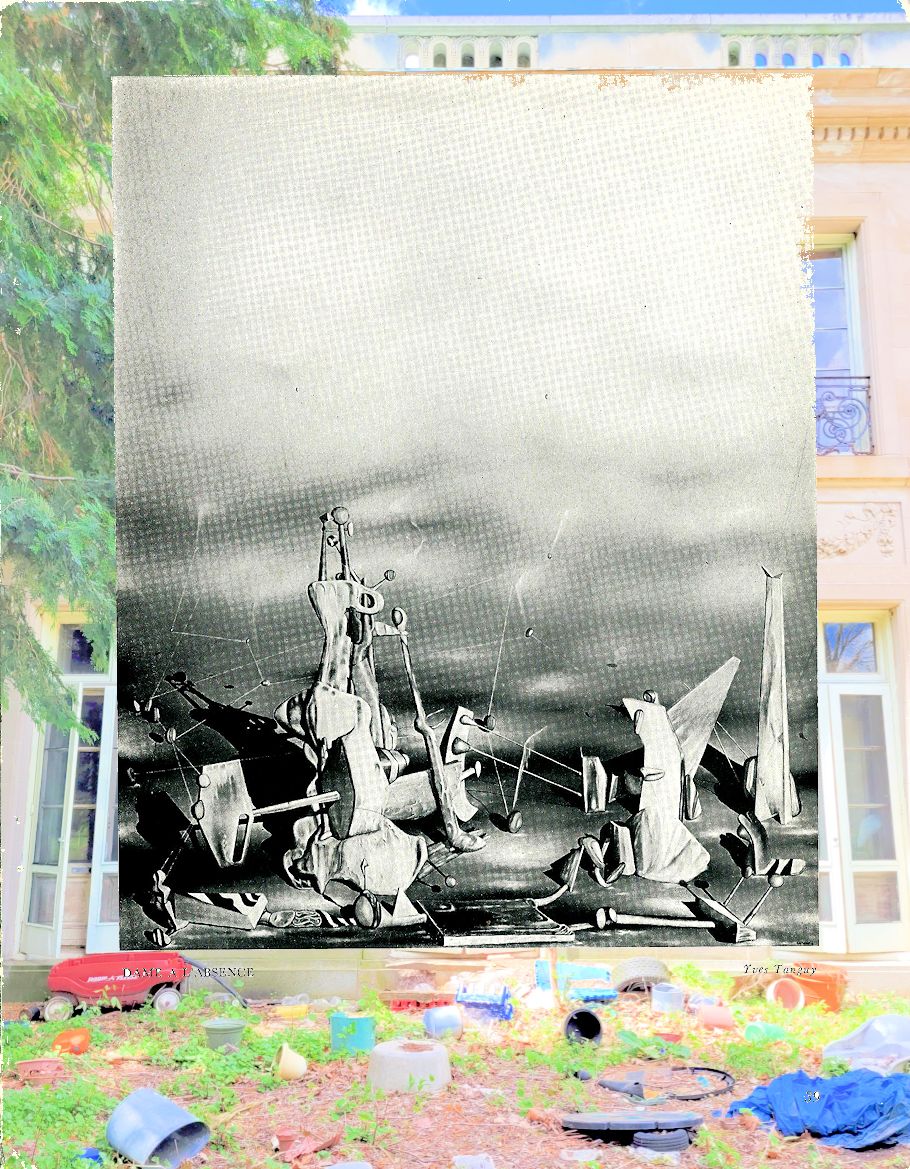
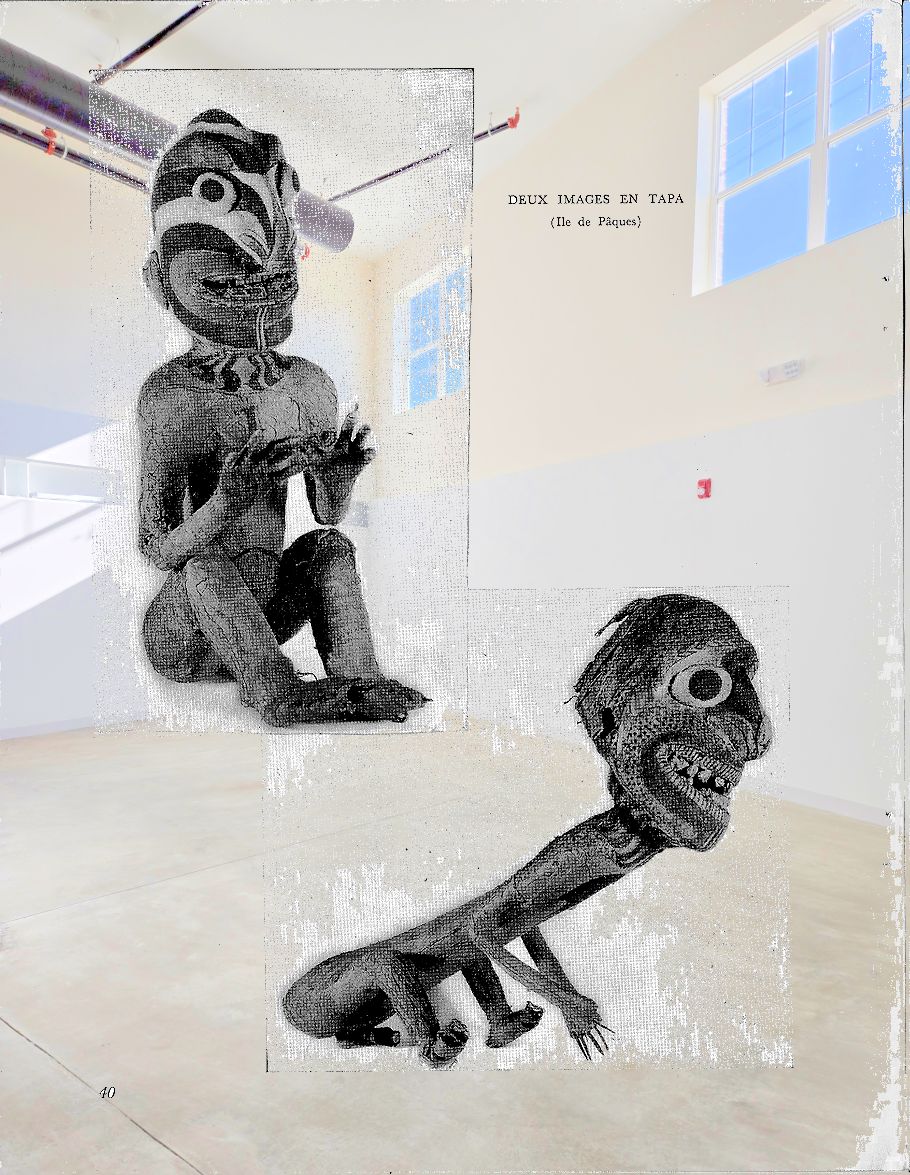
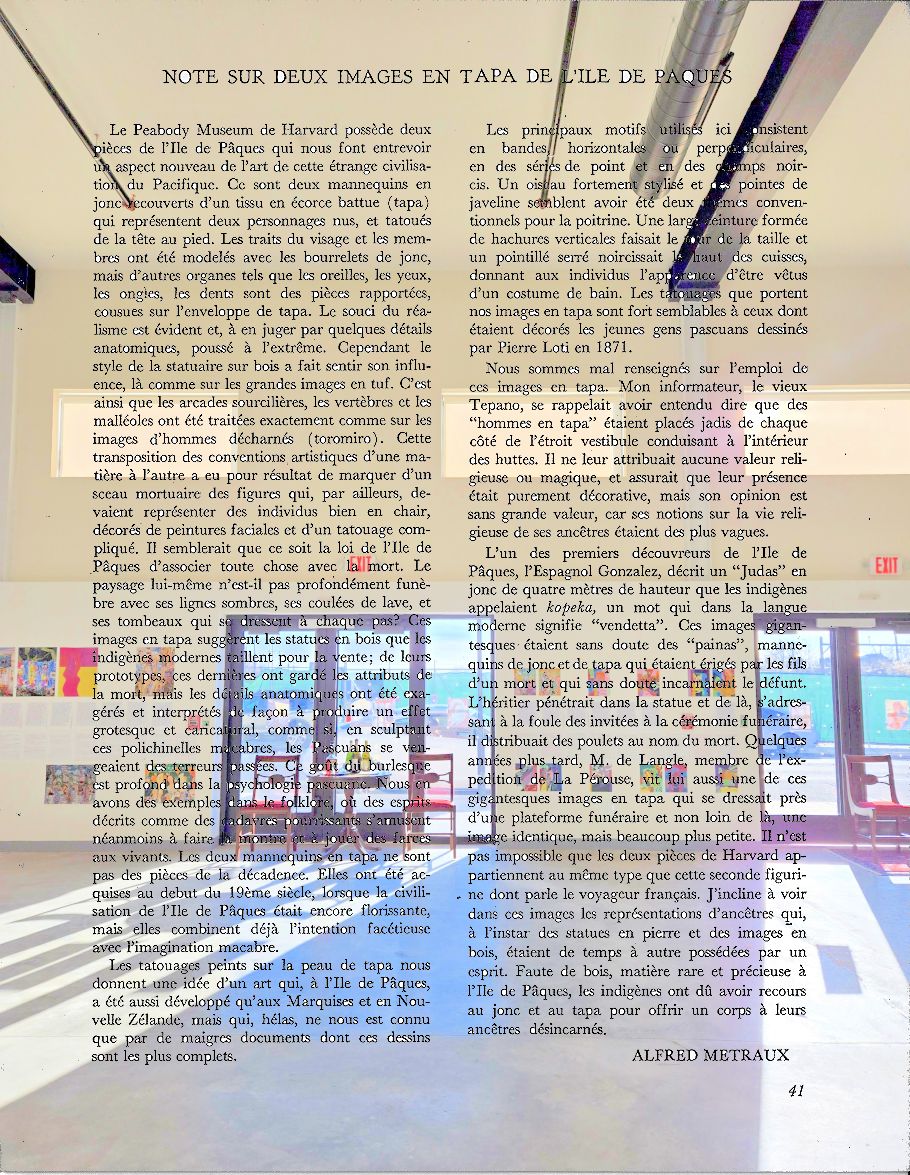
2025.08.24
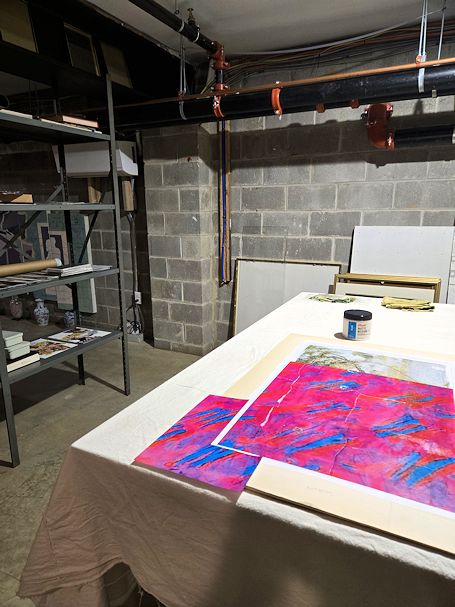
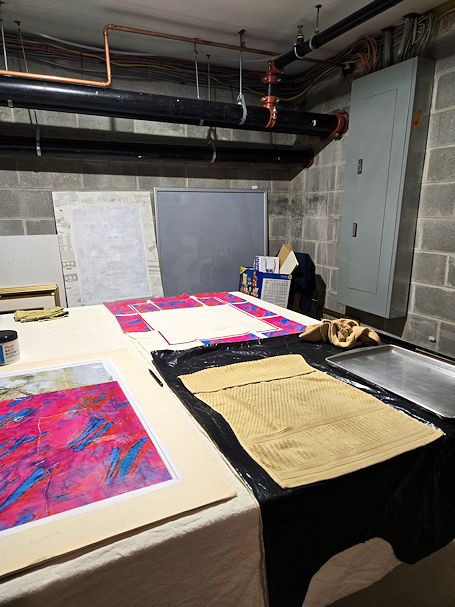
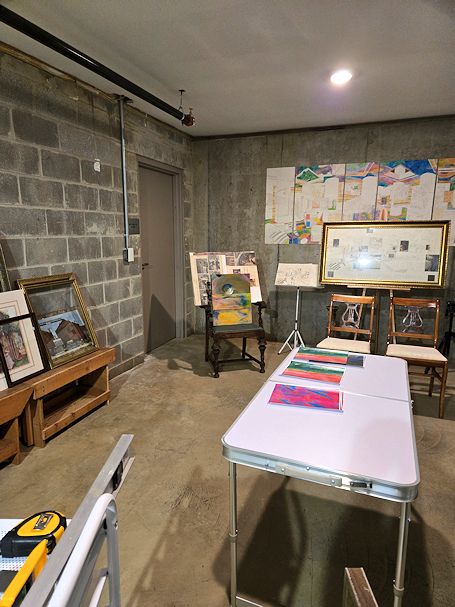
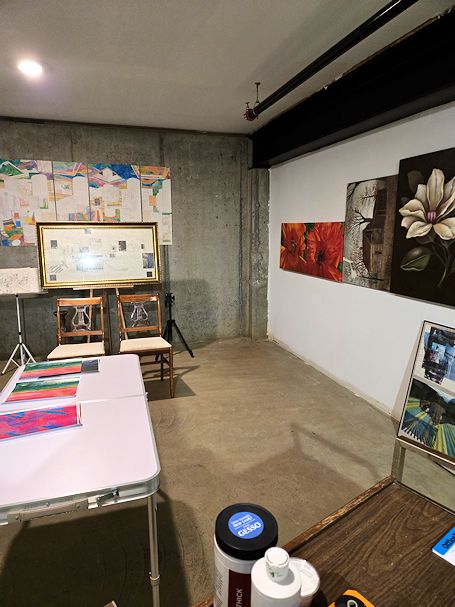
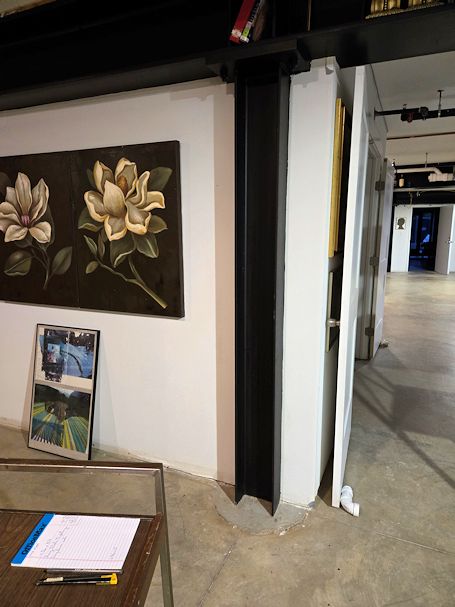
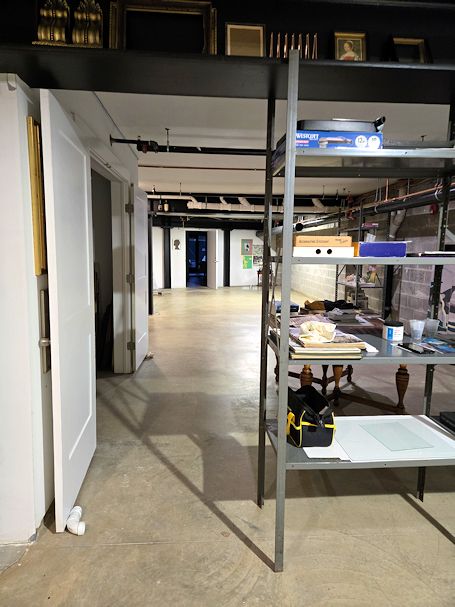
451 Rhawn Gallery
2017.08.24

zero seven five
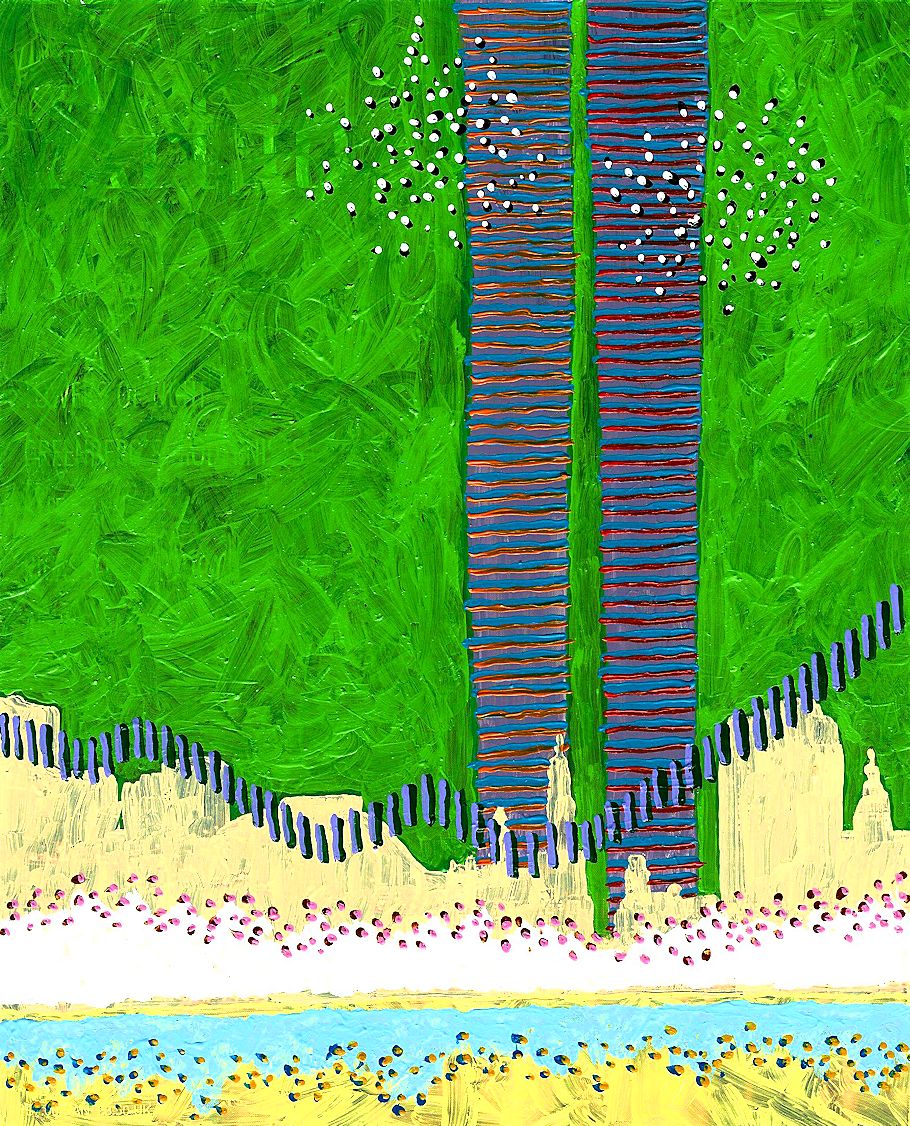
zero seven six
a page from Flowers Stamped
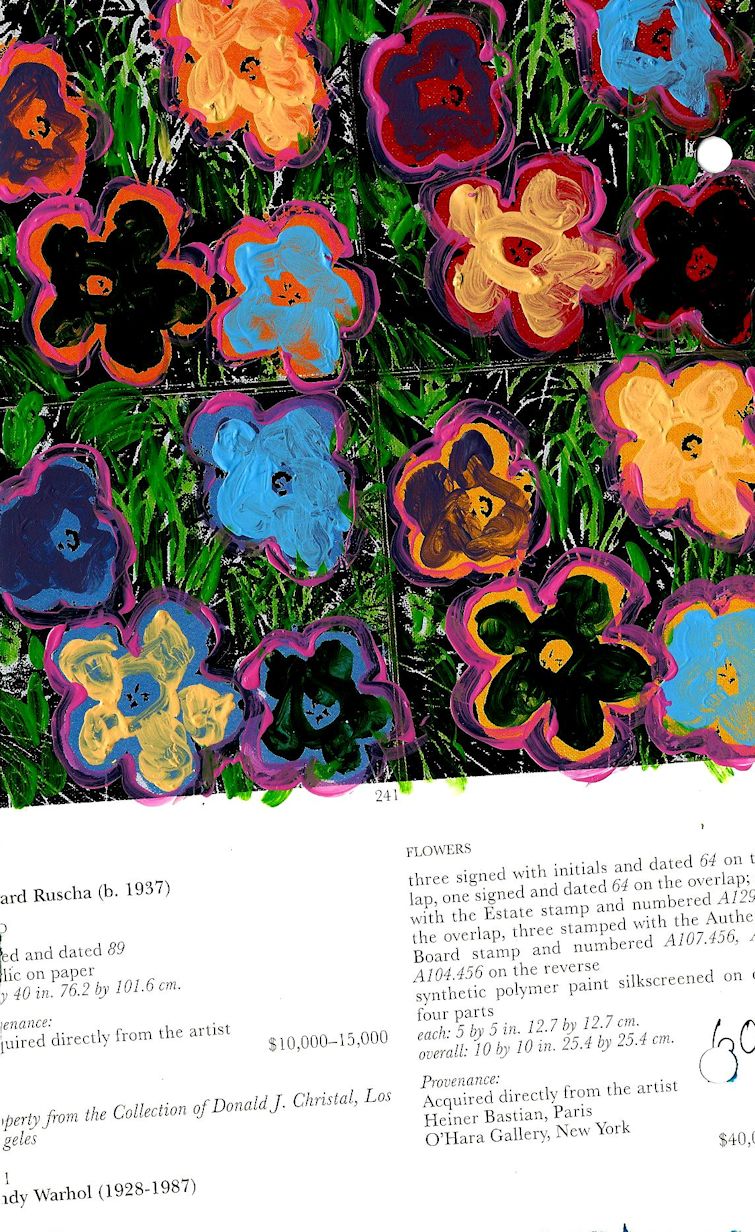
a work (still) in progress
2002.08.24
3D CAD database
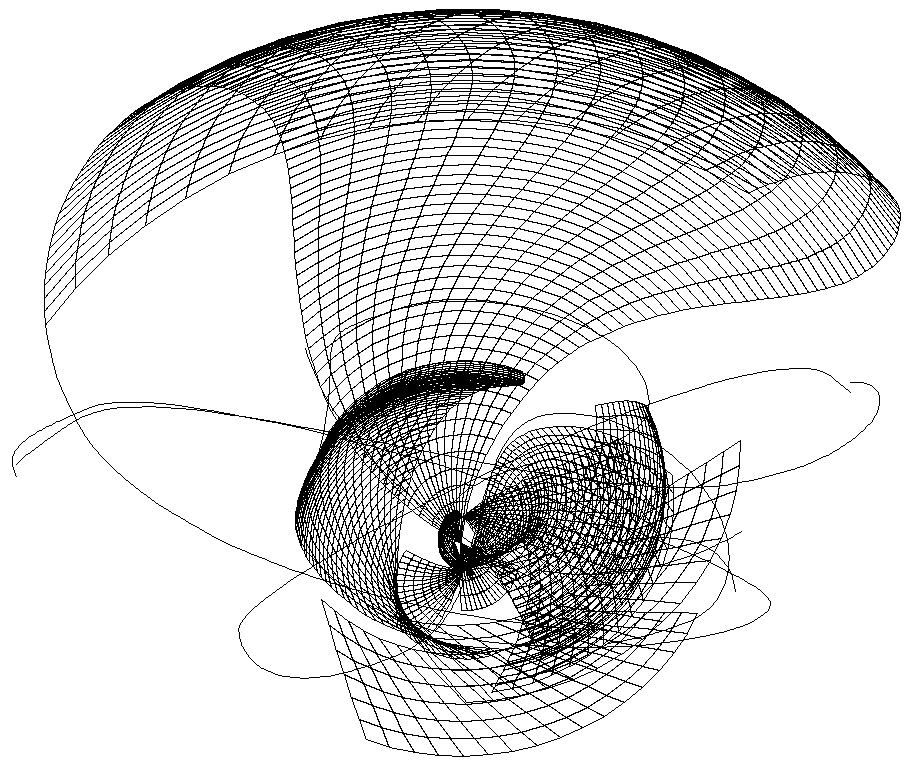 02082401.db rems models plus older stuff
1999.08.24
The rape of the Sabine women
Plutarch tells us (I believe within the Life of Romulus--it's years since I read it) that the bridal tradition of the husband carrying the bride over the threshold stems from the rape of the Sabine women.
Now there's an example of putting a favorable spin on something otherwise not the best of circumstances.
Furthermore, I find it interesting that Romans held virgins in such high regard, to the point that to kill a virgin was one of the greatest offenses one could perform, hence raping a virgin prior to killing her became the loophole (so to speak).
The execution of St. Agnes, a young Roman Christian girl who refused marriage, was proceeded by her being sent to a brothel (the legendary location of which is St. Agnes on the Piazza Navona). Agnes, however, was protected there by an angel. The ultimate execution of Agnes sent shock waves through Rome precisely because those in power publicly killed a virgin. Many Romans were so outraged that they then actually converted to Christianity.
1977.08.24
August 24, 1977. Wednesday, San Gimignano
On our way to San Gimignano. On the bus Pron started to explain why we're going very loudly. A few people were turning around wondering who the fuck is back there giving a guided tour. Of course none of us were looking at him because we would be looking like little kids listening to what teacher had to say.
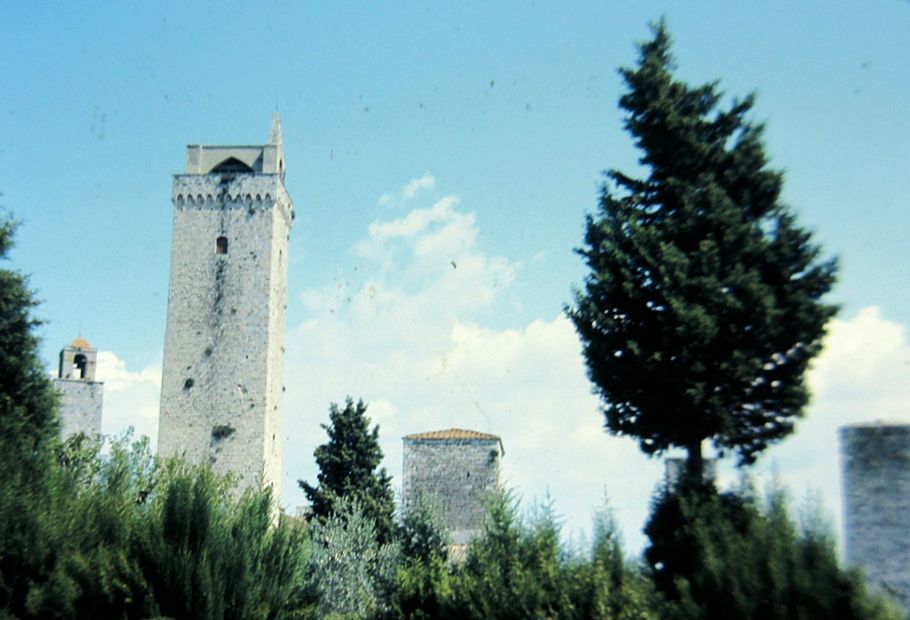
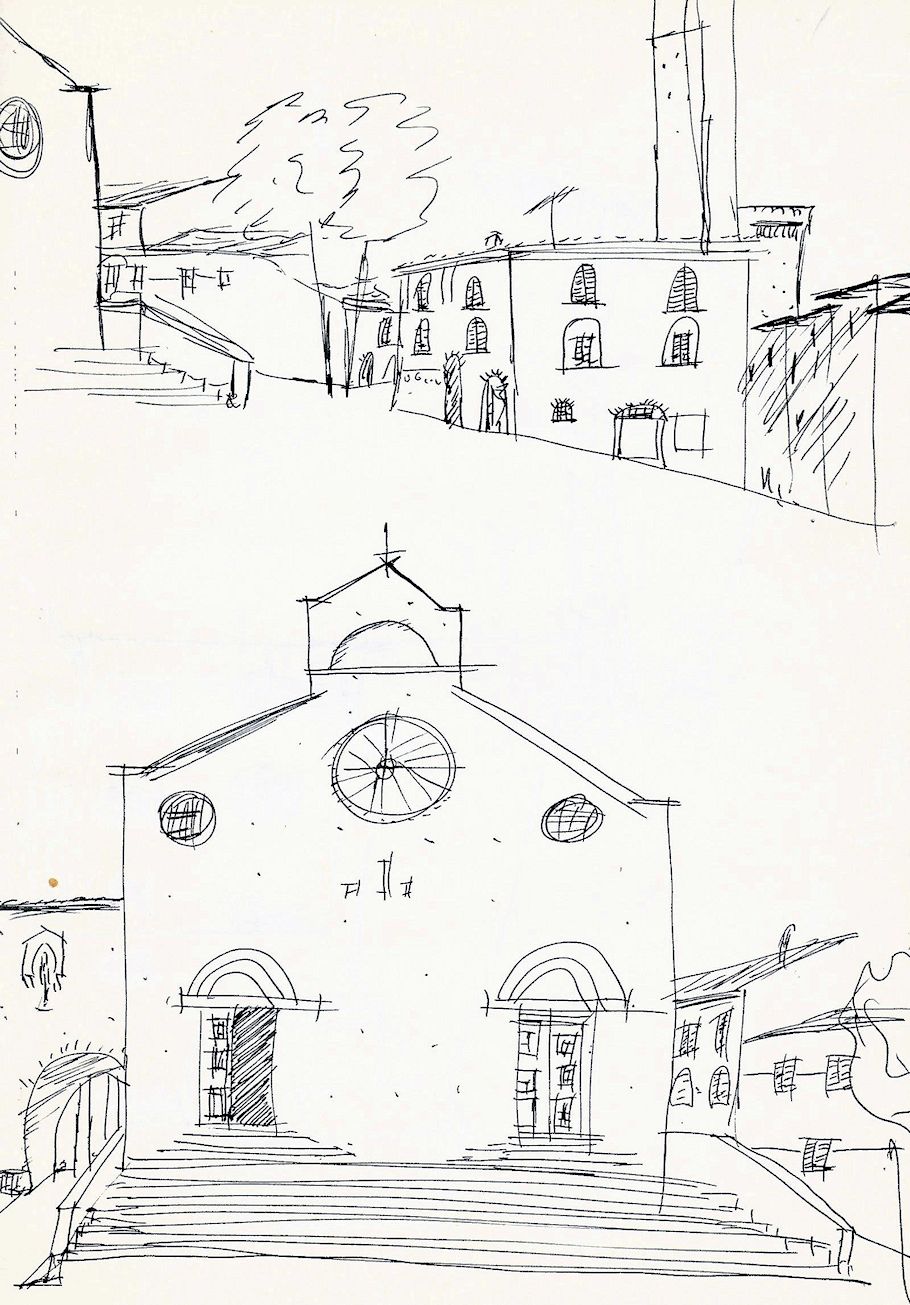
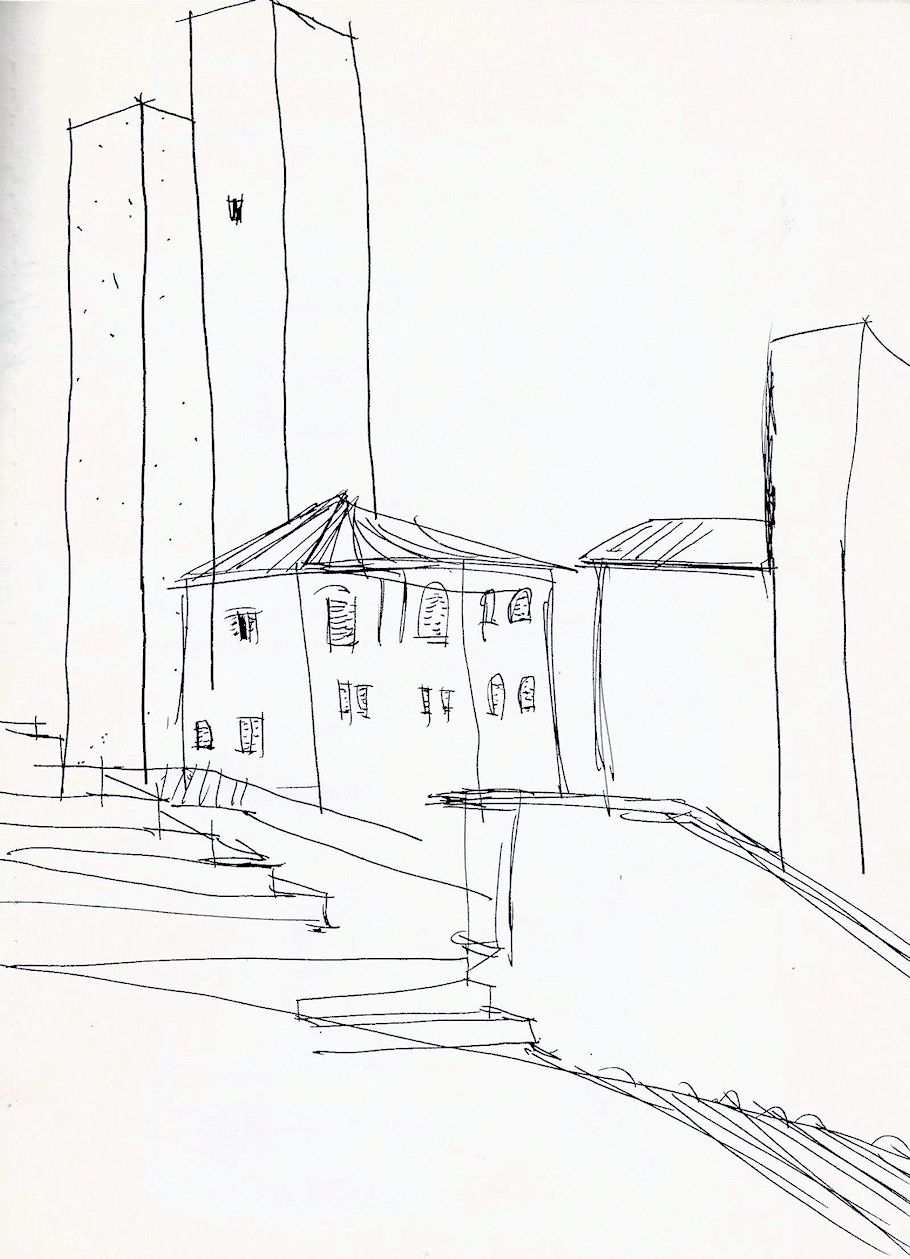
I have liked neither Siena or San Gimignano. I don't see how people can live in those towns. They seem old and out of everything. Except for the fact that they have TV. It seems so totally out of context. The whole town seems out of context in today's world. The feeling of stunted growth is very much felt. The only growth they have is cheap, touristy and sloppy. The horrible shadow of what once was disturbs me a lot. I can't really put my finger on it though. I think (though not sure) that it has to do with their lack of response to almost everything. Like who decided or how was the decision made to know when to stop. Did the world get too big for them? (Probably)
These towns put a heavy question on any idea of existence. Is everything really relative? Then how do I fit in when I am there?
We sat out in the fields at lunch. Everyone raved about it being utterly beautiful which ruined the whole experience.
Italian Study Tour Journal
1963.08.24
1963. Saturday, Cadaqués
Concurs with Lebel that "the portrait is certainly drawn by Picabia (although not absolutely sure)" and regarding the signature: "I have a very vague memory of having signed this drawing," Duchamp ventures, "probably all between two glasses of mirth at Mougins or even in Paris..."
*
"Here are my answers to your troubles," replies Duchamp to Richard Hamilton who, after spending a week in Cadaqués [28.7.1963], is back in London and endeavouring to complete his lecture on the Large Glass. After the holiday in Herne Bay [8.8.1913], Duchamp explains that in October 1913 he
took a new studio at 23 Rue Saint-Hippolyte [22.10.1913]. Here he commenced the "General plan Perspective on the plasterwork mainly for the bottom glass from the focal point on the line of the vêtements de la Mariée".
The next step, in November (?), "after establishing the Choc[olate] Grinder and the Glider," was to place the Malic Moulds on the plan so that once in perspective they would "be within the general frame and not fall outside the glass".
Then in December (?) he continued "first placing in the plan the 9 moulds and then perspectiving that rectangle and seeing that in this perspective form they would be all visible inside the edges of the glass". Duchamp's decision to add a ninth mould, "which did not change anything to the general operation," he states, "must have taken place around Dec[ember 19]13 or Jan[uary] Feb[ruary 19]14."
During the first six months of 1914, he "began operating on the perspectiving of the 9 tubes capillaires so that each tube would meet the head of one moule mâlic". First he made a large painting in plan [19.5.1914] with the idea of photographing it "horizontally from the correct perspective angle", which turned out to be "too inaccurate". Instead he squared the painting, "to obtain through the same squaring in perspective the final perspective drawing of the tubes as they are now."
From memory Duchamp thinks the final perspective drawing for the Sieves [3.8.1914] "may or may not have been made in Paris". [In fact it was drawn in Yport.]
Ephemerides
1937.08.24
1937. Tuesday, Paris
"It's a cousin of my own [30.8.1935]," remarks Dee thanking Miss Dreier for the Stroboscope disc, an instrument used for regulating gramophones, which she has sent him for his birthday.
The portfolios for the 40 Variations "are finished and very beautiful" and Dee has chosen the finest of the lithographs to complete the set [15.7.1937], which should be ready in September.
Regarding the Verlaine manuscript [29.9.1936] that Dee is trying to sell for Miss Dreier, it is back from Switzerland but unsold.
Miss Dreier's discussions with Frederick Kiesler about leaving The Haven as a museum have left her feeling "that the whole thing is like a white elephant and that it might be better to sell everything and to return the gifts to their owners". The first time that he has heard of her "being depressed", Dee says: "I hope it was only a 'low' day." Keeping together the paintings and sculptures which she has collected is, to him, "more important than thinking of a Monument or any grandiose form of doing it."
Ephemerides
1917.08.24
1917. Friday, New York City
His ear swollen and still bleeding from the previous night's punch-up, Marcel sends Lou Arensberg a copy of the latest issue of Rong-wrong. The magazine publishes Marcel Douxami's criticism of 391 [5.5.1917], and the moves of the chess game played by the rival editors, Roché and Picabia [23.5.1917], whose win for 391 seals the fate of the Blind Man [5.5.1917] and was the inspiration for a prose poem by Walter Arensberg published in the current issue of 391. Rongwrong also includes contributions from Carl van Vechten, Helen Freeman and Allen Norton: "Men may come and men may go, but women go on for ever."
"Summer here is exactly like winter," Marcel tells Lou, who has disappeared to Boston. "We drink a bit, I have been drunk a few times. Apart from that I hardly work--I have a few lessons. We go to bed earlier (3 a.m. instead of 5)." He says that Walter looks well. "And you," Marcel enquires, "what are you doing? So far away, are you so sick of New York... And when are you coming back to us?" He would be so pleased if Lou would write to him.
Ephemerides
|