2026.08.06
Ein unbekannter Untergrund/Künstler
1956 1887
1957 1888
1958 1889
1959 1890
1960 1891
1961 1892
1962 1893
1963 1894
1964 1895
1965 1896
1966 1897
1967 1898
1968 1899
1969 1900
1970 1901
1971 1902
1972 1903
1973 1904
1974 1905
1975 1906
1976 1907
1977 1908
1978 1909
1979 1910
1980 1911
1981 1912
1982 1913
1983 1914
|
1984 1915
1985 1916
1986 1917
1987 1918
1988 1919
1989 1920
1990 1921
1991 1922
1992 1923
1993 1924
1994 1925
1995 1926
1996 1927
1997 1928
1998 1929
1999 1930
2000 1931
2001 1932
2002 1933
2003 1934
2004 1935
2005 1936
2006 1937
2007 1938
2008 1939
2009 1940
2010 1941
|
2011 1942
2012 1943
2013 1944
2014 1945
2015 1946
2016 1947
2017 1948
2018 1949
2019 1950
2020 1951
2021 1952
2022 1953
2023 1954
2024 1955
2025 1956
2026 1957
2027 1958
2028 1959
2029 1960
2030 1961
2031 1962
2032 1963
2033 1964
2034 1965
2035 1966
2036 1967
2037 1968
|
1961.01.10
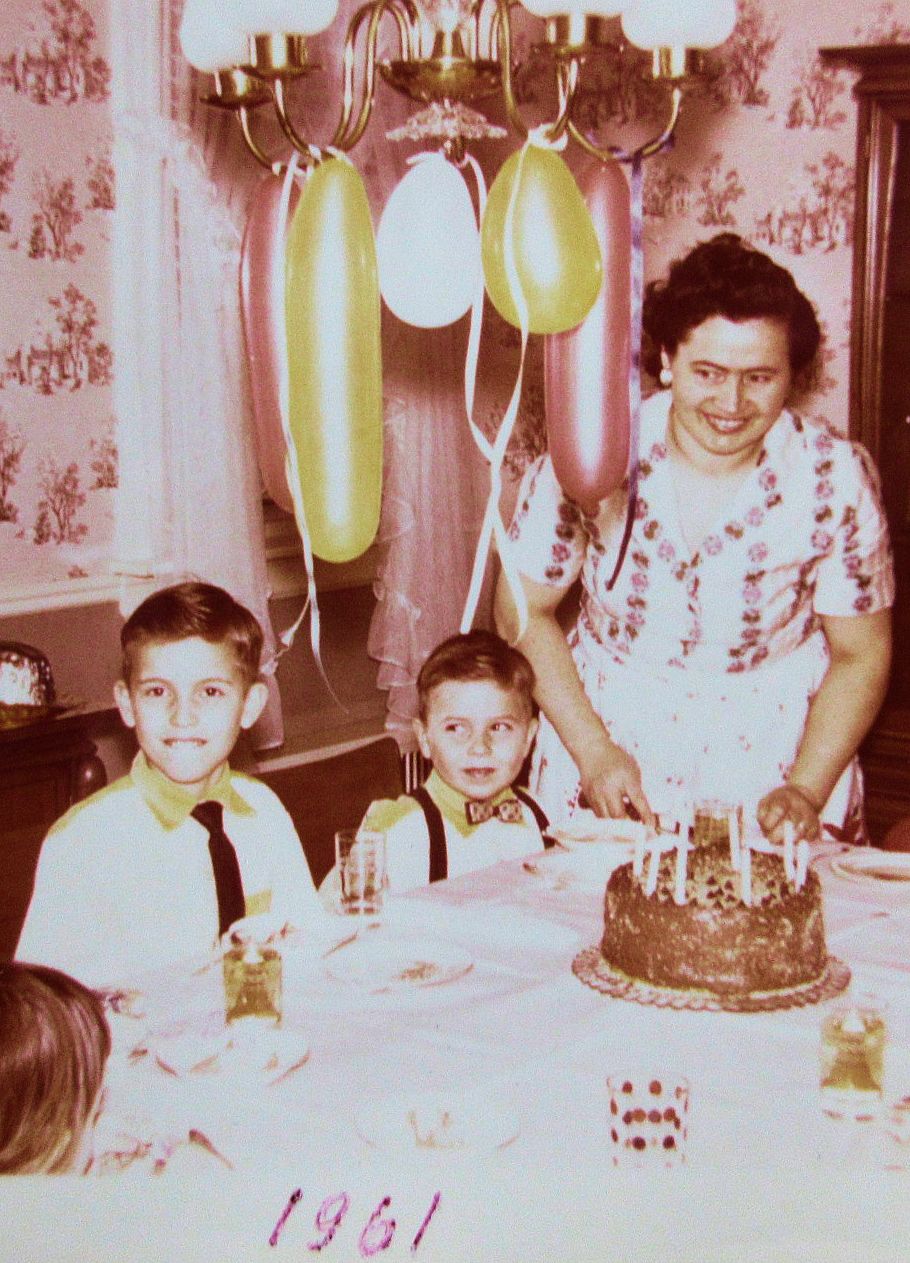
Otto George Lauf is celebrating his eighth birthday in Philadelphia. Sitting next to Otto, making shifty eyes for the camera, is his younger brother Stephen.
1961.03.20
While Stephen Lauf is celebrating his fifth birthday in Philadelphia, Marcel Duchamp is also in Philadelphia proclaiming, "The great artist of tomorrow will go underground."
1892.07.28
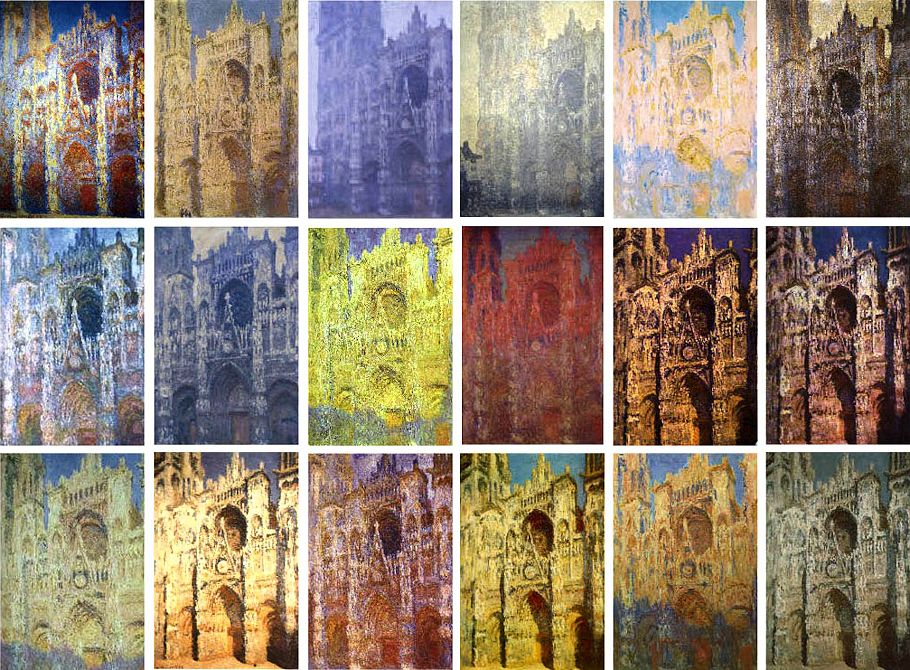
While Marcel Duchamp is celebrating his fifth birthday in Blainville-Crevon, Claude Monet is in Rouen pioneering his "Series" paintings, capturing the Rouen Cathedral at different times of the day and under various light conditions, a project that permanently alters the trajectory of modern abstract light study.
2025.08.06
451 Rhawn Gallery
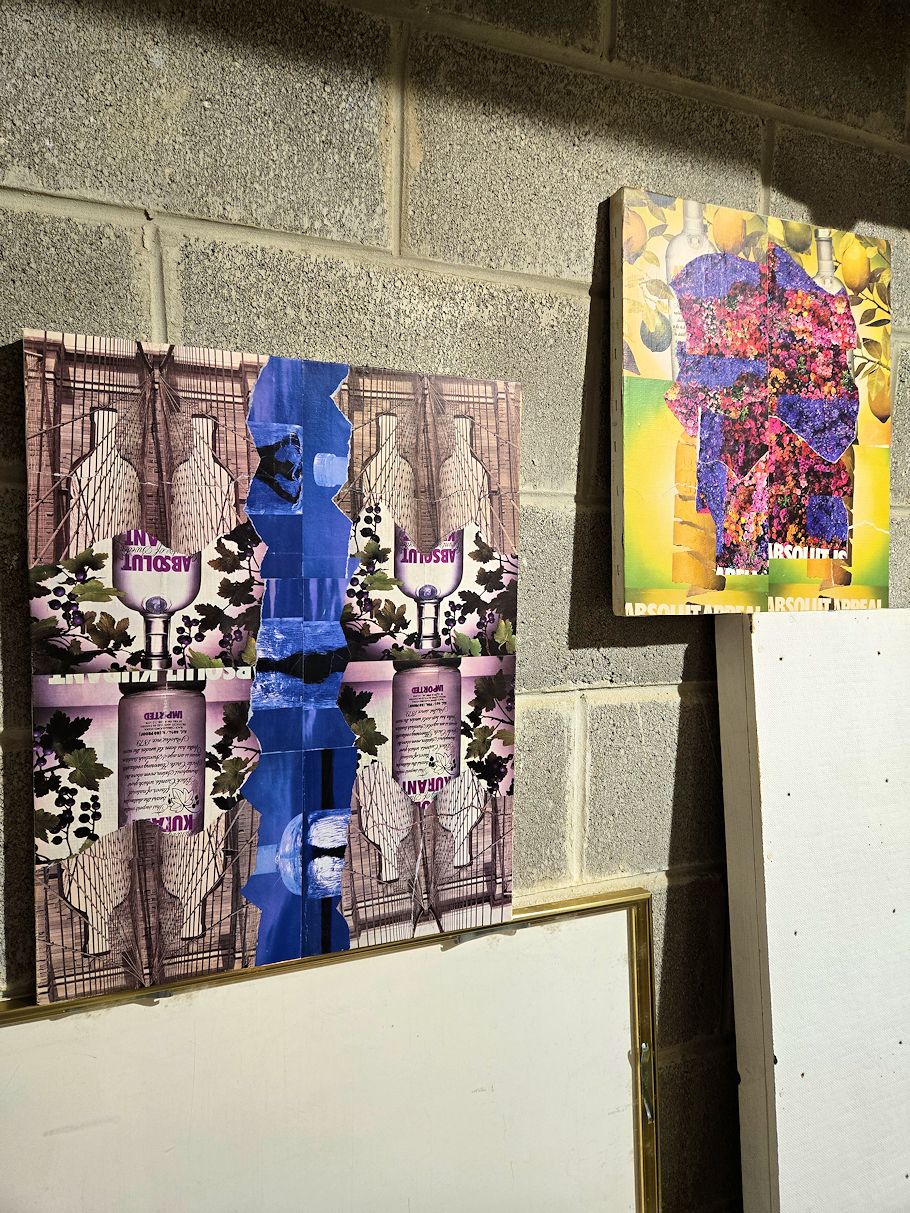
Stephen Lauf Breaking the Ice 2025.08.06
2007.08.06
not looking forward to
I never went to grad school and all I do is "explore and expand upon my most deeply-felt interests."
not looking forward to
Nothing's ideal. All work is often enough tedious or boring or frustrating. Perhaps my only advantage is being able to choose my tediums, boredoms and frustrations.
2004.08.06
Re: movin' on up...some thoughts?
"I Balls"
entitles the 25 foot long poem
running through
Hey Art Picasso How's Your Brother Dick?
"The Sound Of Your Negative Reminds Me Of Purple You Steak"
entitles the (only?) poem with a flipside
running through
2 = odd, Dick.
"I Balls" was written in 1983.
"The Sound Of Your Negative Reminds Me Of Purple You Steak" was written in 1984.
Is masturbatory narcissism meta-inspirational?
The Final Dick Manifesto
contains the
2nd Self Portrait.
Rare stuff indeed.
Otto and Maria might just throw a Casa Vogue fetish party.
link ins in fields
www.soane.org
houses that morph [into other stuff, Dick]
Picasso at home
Picasso at home
My azalea bush right out front blooms twice a year, in the Spring like all the other azaleas, and again mid-Summer. How rare is that?
speaking of retirement
Venue is one of my legal fictitious names.
1983.08.06
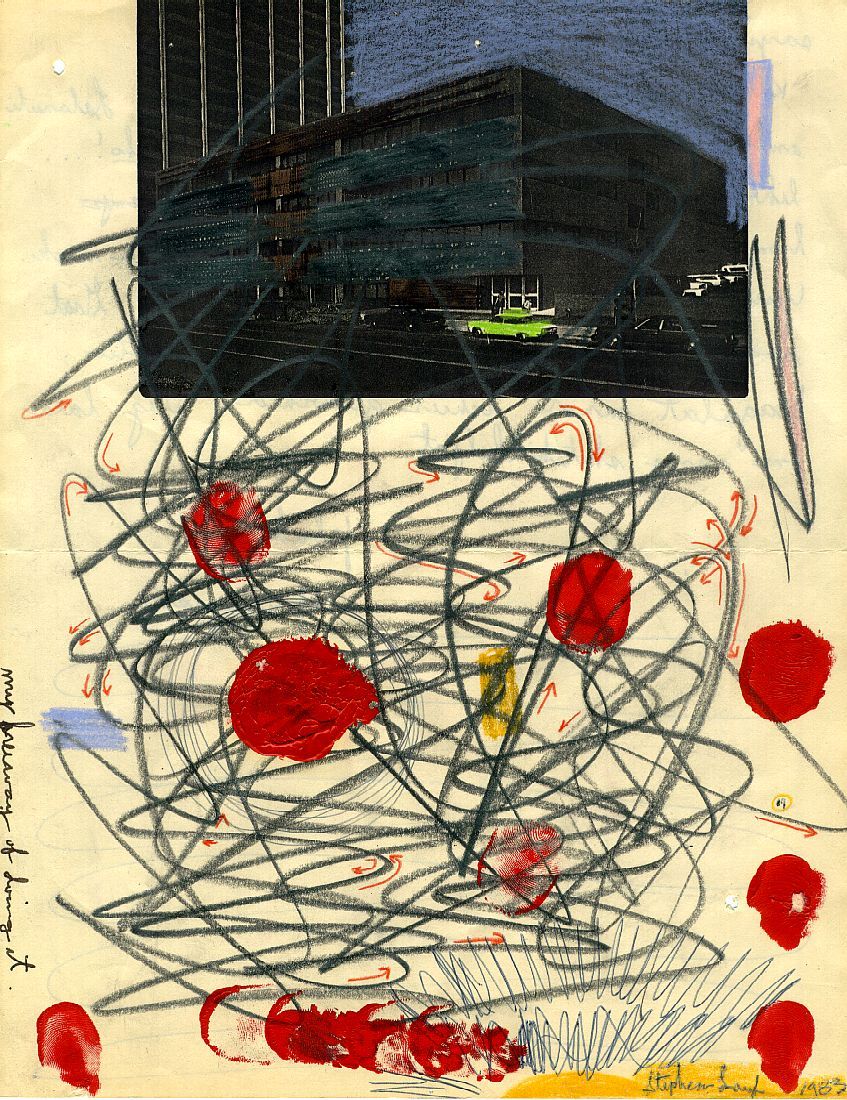
Stephen Lauf my freeway of doing it 1983.08.06
1960.08.06
1960. Sunday, Cadaqués
Duchamp replies to Serge Stauffer's letter of 24 July, enclosing his answers (which he has prepared with great care) to all--or almost all--of his
hundred questions. Among these answers (which can only be summarized here) Duchamp says that he probably knew Raymond Roussel's Locus Solus in 1914 or 1915; his first research for La Mariée mise à nu par ses Célibataires, même [5.2.1923] was in Munich in 1912 dating from the same time as the two Vierge [7.8.1912]; it was Suzanne Crotti who must have bought the geometry book for Ready-made malheureux [14.4.1919]; Aeroplane [19.8.1912] has nothing to do with the Bride [25.8.1912]; Louise Varese did have a chimney cowl; he worked at the Bibliothèque Sainte-Genevieve from the end of 1913 [1.11.1913] until May; A la manière de Delvaux [14.10.1942] is a photographic version (a detail) of Delvaux's painting; "The Richard Mutt Case" was written by the editorial board of the Blind Man [5.5.1917]; he has forgotten the inscription for Egouttoir [15.1.1916]; the Large Glass is not a "ruin", simply "wrinkled"; the Cœurs Volants [16.8.1936] on the cover of Cahiers d'Art is the original; the small glass 9 Moules Mâlic [19.1.1915] was placed against an armchair on castors, which rolled away and it broke [24.1.1918]; André Breton did not baptize the ninth Malic Mould "Stationmaster", because when Duchamp made the 9 Moules Mâlic Breton was only 16 (!); there is only one version of Fresh Widow [20.10.1920], and if the knobs are at different heights, the knobs may have fallen off and been replaced differently; Rrose Sélavy [20.10.1920] still lives, appearing rarely or not at all; it is correct that the Large Glass is "unfinished" because the Toboggan and other details are missing; the Dust Breeding [20.10.1920] was conceived specially to colour the Sieves; the text Rendez-vous du 6 féurier 1916 was composed "laboriously" over several weeks; he claims not to have read or heard of the Futurist Manifesto, published in Le Figaro on 20 February 1909, when he painted the Nu descendant un Escalier [18.3.1912]; 3 Stoppages Etalon [19.5.1914] is an independent work, later employed in the Large Glass and Tu m' [8.7.1918]; Portrait de Joueurs d'Echecs [15.6.1912] was painted by gaslight to experience the chromatic distortion in the green-based light of the Bec Auer; "une crécelle" is a toy which makes a noise when turned by hand; Recette [7.1.1941] was written in order to play with the idea of a "kilo of feathers and a kilo of lead"; the windows [22.9.1935] avoided the business of making paintings; Breton's "Post Coitum animal triste" is not a general rule; he won't discuss the sociological effects of man's physical strength and his-so called, superiority over woman; he claims that there is "un esprit de famille" between the "cyclist" and the "slope" in the lithe cyclist climbing a hill (Avoir l' apprenti dans le soleil [25.12.1949]); the flesh colour of Milky Way is painted directly on the back of the glass and protected by sheets of lead; as the Trébucbet (a readymade coat rack) was nailed to the floor of his studio in New York, he doesn't think that it was exhibited at the Bourgeois Galleries [1.4.1916]; he believes it was he who invented the pun with the letters L.H.O.O.Q. [6.2.1930]; yes, he left out the point in the centre of the small circle of the Oculist Witnesses, yes, he removed the base line under the Grinder, yes, he shortened the axle to the left of the Water Mill, yes, he cut the Bayonet at the level of the Scissors when repairing the Large Glass, and strengthened the whole by solidifying the strips of glass between the upper and lower halves [28.8.1936]; he was drawn to Max Stirner, at least his Unique et sa Propriété he doesn't remember the stereoscopic film made in 1920-21 but has always enjoyed anaglyphs [4.4.1919]; categorically, he has no unpublished texts "in reserve, or to unearth" [!!!]; and the door of the Rue Larrey [9.10.1937] still exists and functions, et cetera, et cetera.
Ephemerides
1954.08.06
1954. Friday, East Hampton
The Duchamps are spending a few days by the sea in a little house on Long Island that is very familiar to both of them. Belonging to Teeny's best friend Gardie, Mrs Rolf Tjeder (the sister of Olga Carter [18.4.1954]), it is the house which Marcel has come to many times in the summer of the last two or three years to visit Teeny.
Sending Roché another intimate bulletin
[5.7.1954] of his steady recovery from the prostate operation [25.6.1954], Marcel says that even "sex exercises are quite normal". He enquires about
Roché's convalescence [18.11.1953] at Saint-Robert in Corrèze and tells him that he and Teeny have decided to stay in New York this summer, except for maybe ten days' chess at the New York State Championship near Rochester.
Marcel describes the permanent installation [19.7.1954] of the Large Glass in the midst of the Arensberg Collection at the Philadelphia Museum of Art, and remarks: "I am very pleased with their willingness to make something satisfactory in the presentation."
Ephemerides
|