2026.07.08
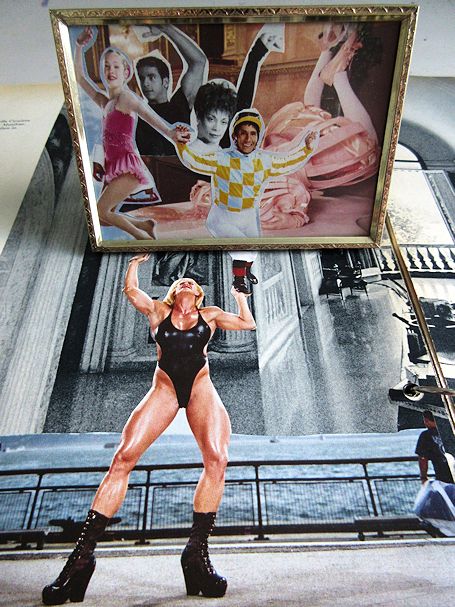
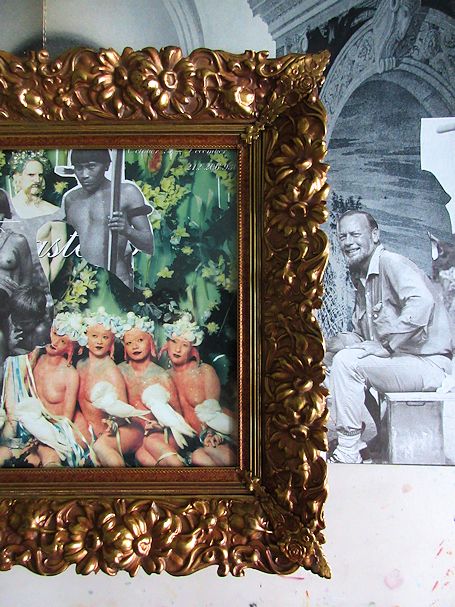
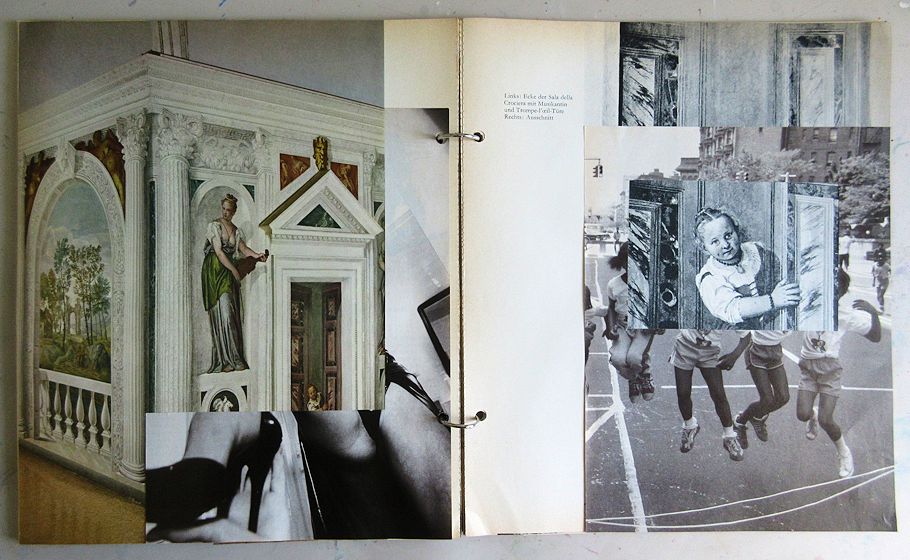
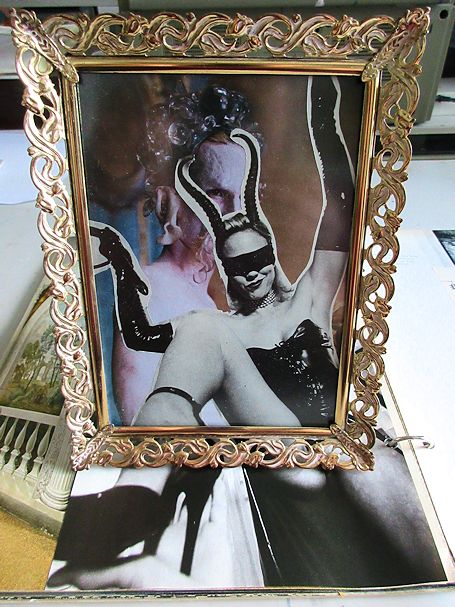
more pages from Duchamp & Ich, etc.
2025.07.08
451 Rhawn Gallery
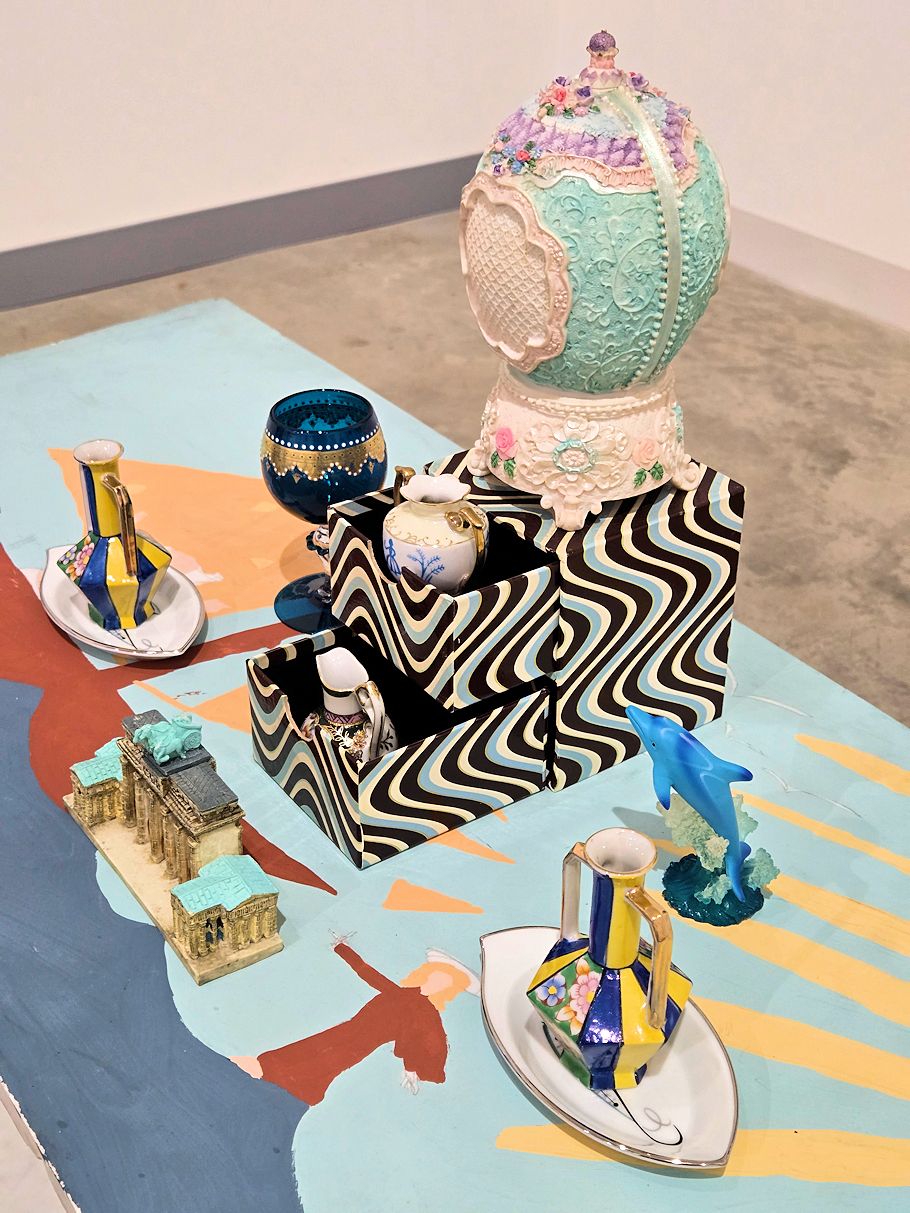
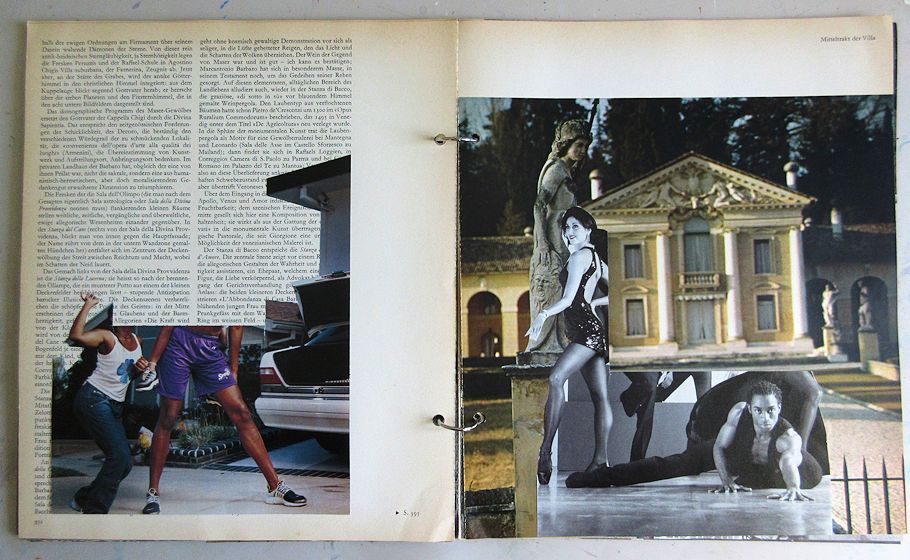
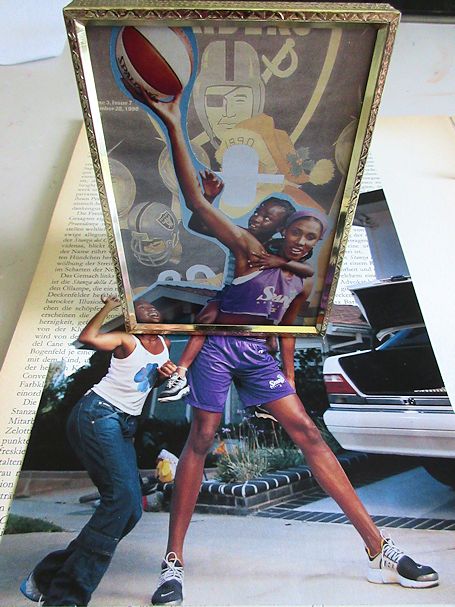
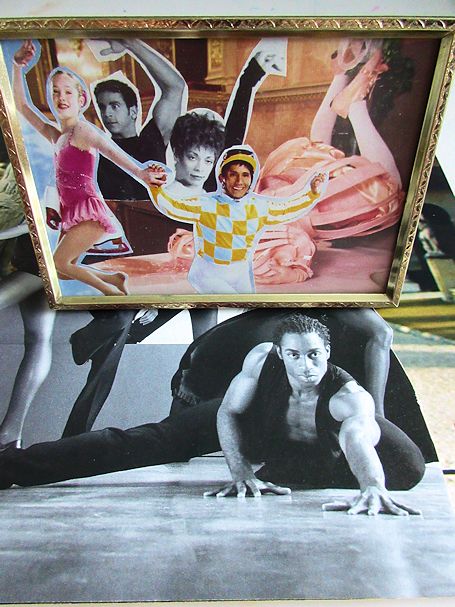
Stephen Lauf Wolfhilde von Schlittenfahrt Readymade Heirlooms 2025.07.08
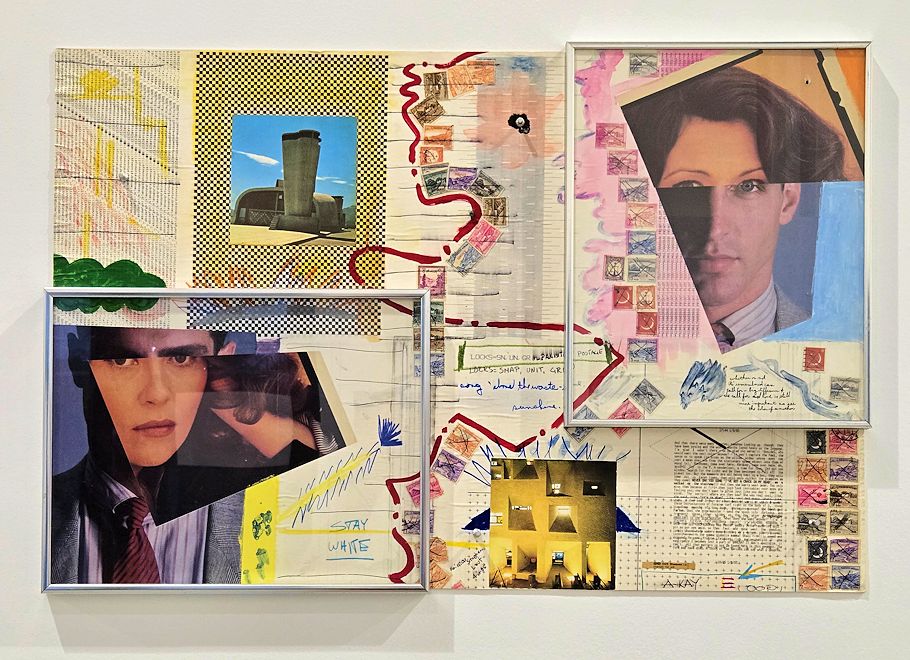
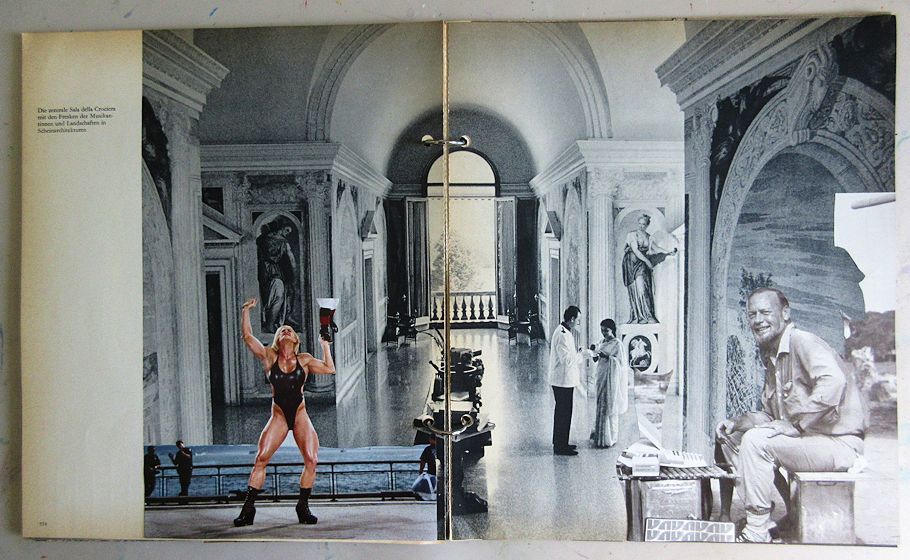
Stephen Lauf Locks=SN, UN, GR or Pakistan Postage 2025.07.08 2025.07.08
2019.07.08
3D CAD databases
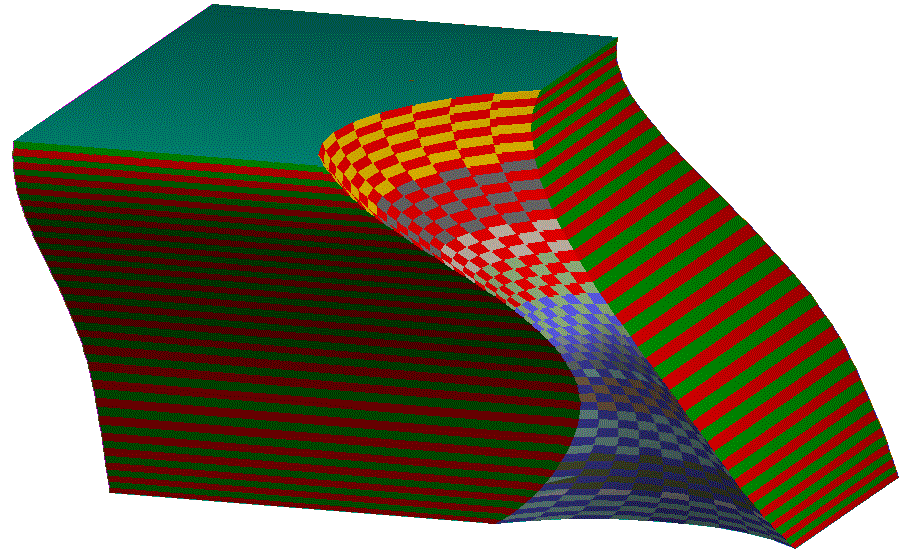
19070801.db rem surface cubed from 01052302
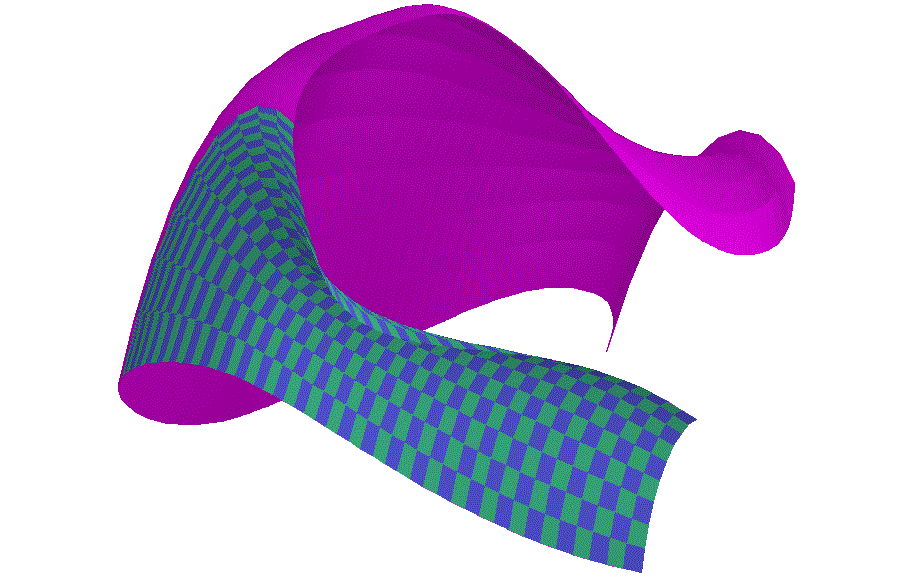
19070803.db rem surface from 01052302
2015.07.08
Art + Architecture: Jimenez Lai's 'Beachside Lonelyhearts' at Jai & Jai Gallery
$500,000.00 is more or less ten times what the piece is worth.
2015.07.08
Art + Architecture: Jimenez Lai's 'Beachside Lonelyhearts' at Jai & Jai Gallery
When Lavin asked if she could buy just a piece of the work, the gallerista should have answered, "Yes, the price of the entire work is $500,000.00, but if you only want a select piece of the work, that will cost you $600,000.00." I mean, doesn't anyone there know how the art world actually works?!
2014.07.08
what do you all think of this? http://www.best-un-built.com
In fact, I recently 'plunked down' plans of the Villa Savoye to where I'm living/sitting right now.
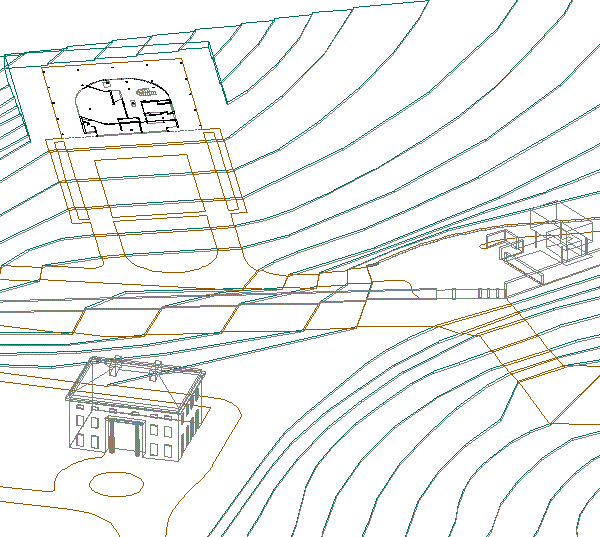
2004.07.08
3D CAD database
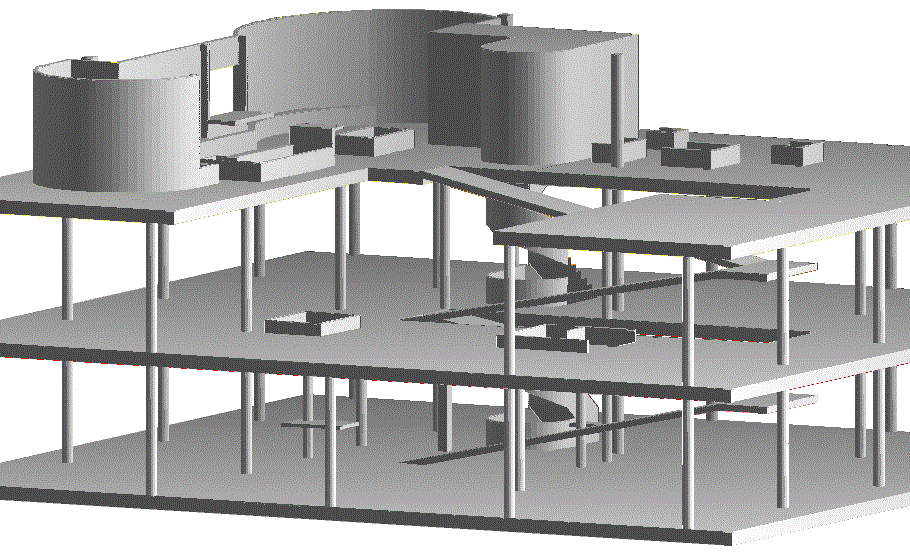
040708a.db Villa Skeleton model
2002.07.08
9/11 at D-L
...a very real and indeed interactive architectural novel where characters come in and out of the "narrative" both expectedly and unexpectedly, and the "story" meanders like one of those great rivers that sometimes overflows and floods and sometimes runs dry while raindrops are eagerly awaited.
Re: Orwellian Image
An interesting inversion of Bentham's Panopticon design, is Eastern State Penitentiary, Philadelphia (c. 1828, slightly post Bentham's Panopticon ideas/drawings). Eastern State is often hailed as the first modern prison. It's original radial cell block design accommodated many rows of individual cells where inmates were held in solitary confinement to commune with God (according to Quaker principles). Each cell had a small oculus in its vault ceiling for natural light, indoor plumbing (unlike most houses at that time), and an outdoor courtyard for daily, although still completely private, exercise. Meals were delivered to the inmates via a slot in the cell door.
The solitary confinement "experiment" failed miserably, and Eastern State soon became just like all the other prisons we know today. Seems that even when it is only God watching, it still doesn't do much good.
One could say that Freud created a whole other kind of human surveillance. I for long have thought that what really bothered Freud was knowing that his mother was not still a virgin after Freud was born. Had she remained post-natally virginal, Freud would surely have been the true Jewish Messiah. Alas, Freud never did know his mother as a virgin, so he played Almighty creator instead by dividing man into three parts, ego, id, and super-ego, just like the Christian God, Freud's real nemesis, is divided into three persons.
Inspiration for the above idea came about 20 years ago when I read an essay by Schorske in the book Fin-De-Siecle Vienna. (I don't have the book anymore because a drunk, sleepwalking friend of mine took a middle of the night piss on it back in 1987. I'm not kidding, and the next sentence will tell you why I want you to believe I'm not kidding.) The essay focused on a particular/peculiar relationship between Freud and his father--I remember something about Freud having a recurring dream where he is holding up a urinal for his father to pee in. After reading several pages of father-son, father-son, father-son, I found myself asking, "So where is the Holy Ghost?" That's when it hit that there was no Holy Ghost in Freud. My first instinct was to try and figure out how to make some good intellectual joke out of all this, and in that process is where I came up with the post-natal-virginity-envy idea. A few years later I read "Italian Freud" in October 28, within which I learned of Freud visceral 'fear' of Rome when he first went gen Italia, to Italy that it. It's only when I remember stories like this that I kind of wish I was young again.
1951.07.08
1951. Sunday, New York City
"For the glass, in principle I have no objection," writes Marcel to Roche following a request from Sidney Janis to borrow 9 Moules Mâlic [19.1.1915J for his exhibition "Brancusi to Duchamp", due to open on 17 September. He warns Roche that in the transport the three pieces of glass will rub against one another, "which could partially destroy what is left." As for the central glass, which is broken, "the pieces are only held together by the lead wires and the colour! Think about it and explain to Janis."
*
After hearing from Monique Fong [25.6.1951] that Elisa and Andre Breton have left Paris and gone to the Lot for a while, Marcel writes to them at Saint Cirq-Lapopie. Aware of the unrest in the Surrealist group, Marcel compliments Breton on one of the most recent documents, Haute Fréquence.
As Michel Sanouillet, who is preparing his thesis on Dada, is in Paris and wishes to meet Breton but has not had any reply to his request for an interview, Marcel intercedes on behalf of the young professor of Toronto University.
Ephemerides
1950.07.08
1950. Saturday, New York City
"I am very proud 'to become vice-president of the Francis Bacon Foundation," writes Marcel to Lou and Walter Arensberg. He gives them a report on his visit to Philadelphia [5.7.1950J saying: "you have ample room for everything, pre-Columbian sculpture included," and he sums up: "Fiske Kimball is all keyed up again and ready to see your points with sympathy." Marcel agrees with Walter about "no sales and (almost?) no loans" when the gift of their collection is finalized.
*
Marcel writes by return to Mary Reynolds at the Hotel Bellevue, Souillac, where she is due to arrive today via Perpignan from La Preste [28.6.1950J assisted by Franz Thomassin. By resting there a week or two, she hopes to gain strength for the long journey back to Paris.
Ephemerides
1918.07.08
1918. Monday, New York City
Although he has not worked on the Large Glass for some-time, Marcel tells Jean Crotti that he has now finished Tu m', a long panel to fill a space between bookshelves and ceiling in Miss Dreier's New York apartment [9.1.1918]. This aerial composition, his first oil on canvas since 1914, is a "résumé" of earlier works and ideas. Using his own basis of measurement 3 Stoppages Etalon [19.5.191], Marcel has woven into the shadow play games with measurement, perspective, reality, illusion, various sorts of dimensions and translations. There are evocations of Roue de Bicyclette [15.1.1916], his Porte-chapeaux and even, by association, Egouttoir [15.1.1916]. On the other hand, unlike these tangible readymades, the corkscrew (which invisibly is to provide the "uncorking" at the end of the Bachelor's operations in the Large Glass) exists only by its shadow falling across the canvas of Tu m'.
Ephemerides
|