2025.12.05
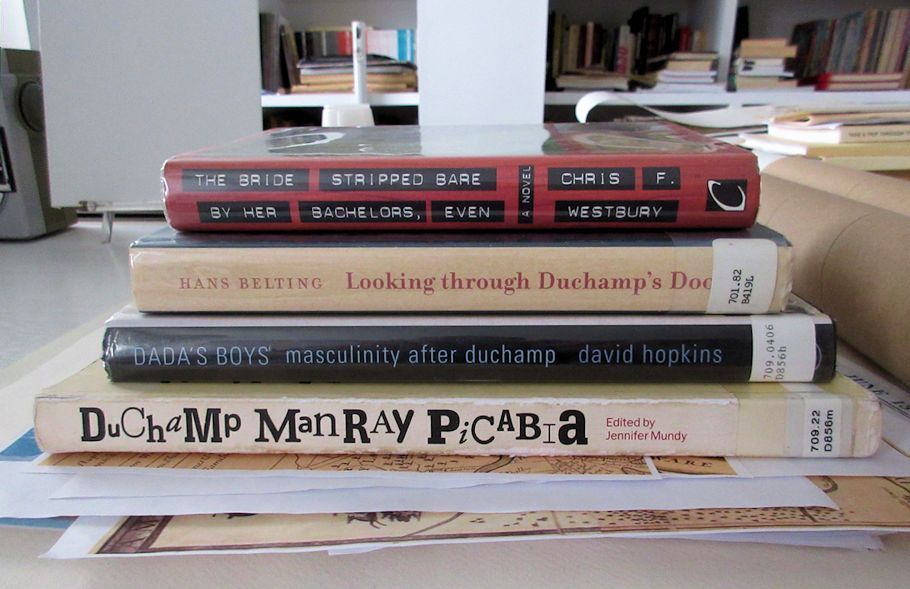
more books to read, at least partially
2024.12.05
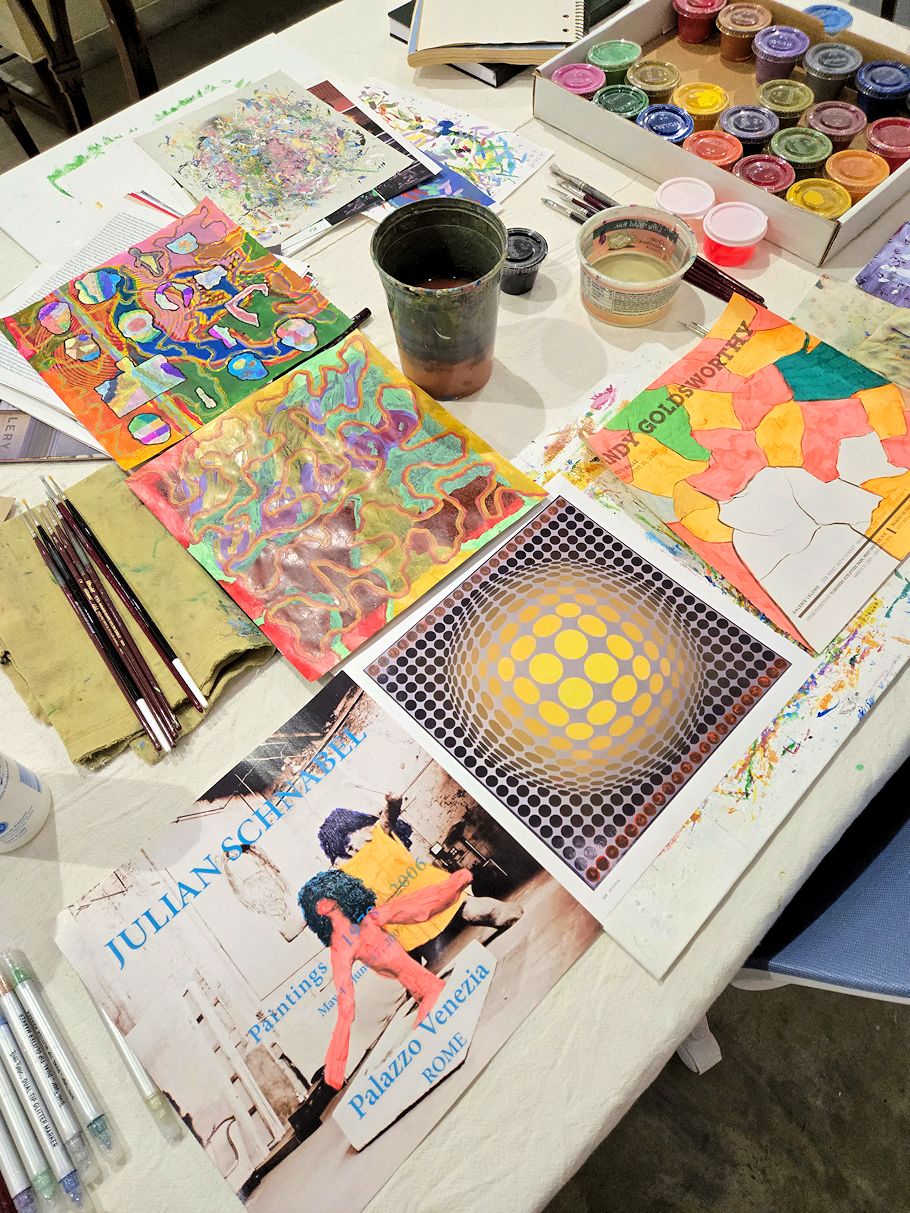
541 Rhawn Gallery
2022.12.05
From The Discovery of Piranesi's Final Project
5 December 2022 Monday
Were Miers Fisher Jr. and his wife Hélène Gregoroffsky in line to inherit Ury?
Audubon, Latrobe, and Gregoroffsky Fisher all wound up going west.
Do some Piranesi/Audubon collages.
Funny how I virtually never have the time to contemplate what Miers Fisher and I are doing on the same day and at the same place 210 years apart, yet we are both doing the exact same thing whenever we write.
Francesco is the reason The Discovery of Piranesi's Final Project continues beyond 9 November, because he is the one that intermittently published the eight clues throughout most of his 32 year career.
 
selfie/selfie corrected
2020.12.05
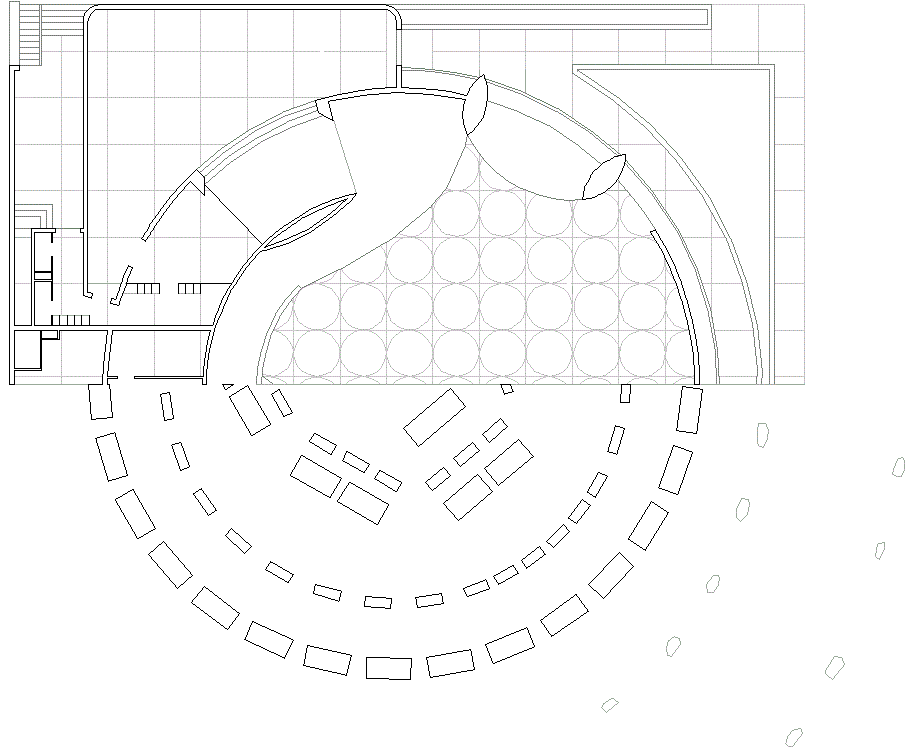
20120501.db Guggenheim Museum/Stonehenge plans
2015.12.05
"Are we human?" Curators Beatriz Colomina and Mark Wigley announce concept for 2016 Istanbul Design Biennial
Cities are artificial, even uniquely artificial in that they don't imitate nature at all.
"Are we human?" Curators Beatriz Colomina and Mark Wigley announce concept for 2016 Istanbul Design Biennial
artificial : made or produced by human beings rather than occurring naturally, typically as a copy of something natural
There are also things that human beings make naturally, like bodily fluids, digestive waste, skin tissue, offspring, etc., and perhaps even thoughts, memories, imagination can be considered natural human production.
Cities don't occur naturally.
2009.12.05
where's the avant-garde?
Get a notion or idea
that most will resist,
and chances are
that it's avant-garde.
2002.12.05
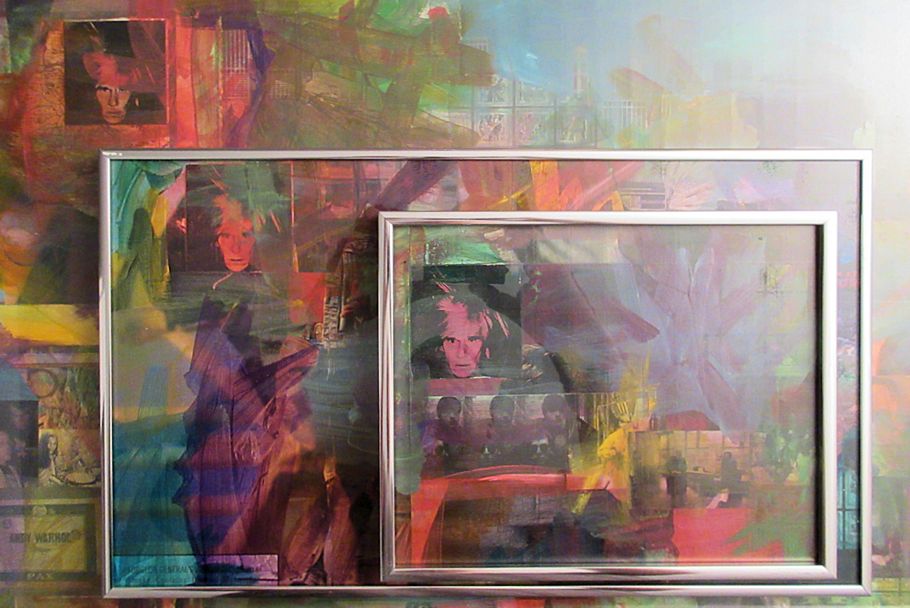
Untitled/Untitled/Untitled
2001.12.05
virtual Gerusalemme
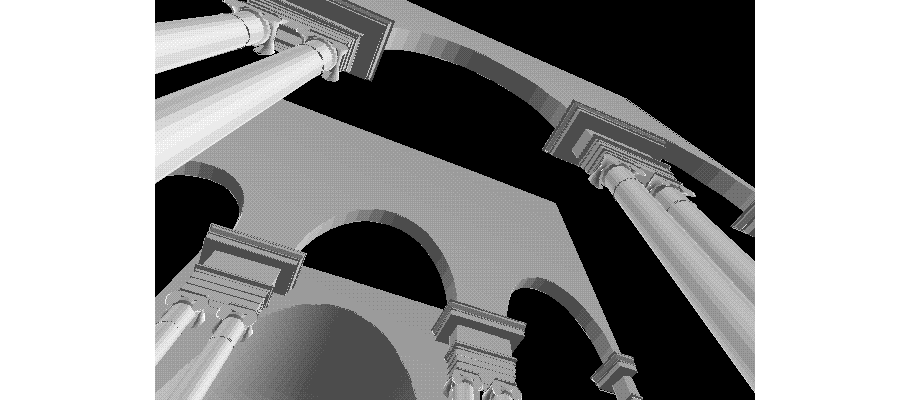
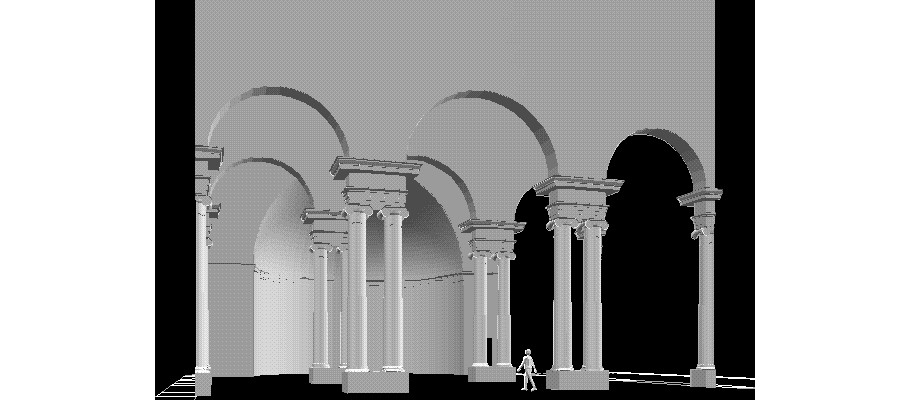
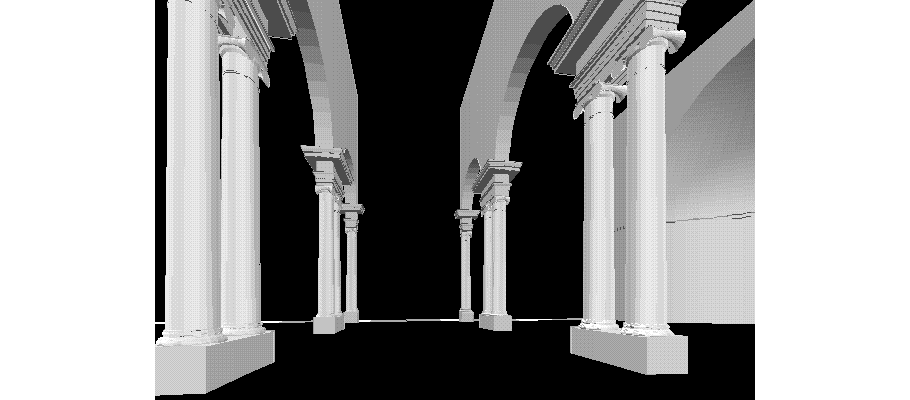
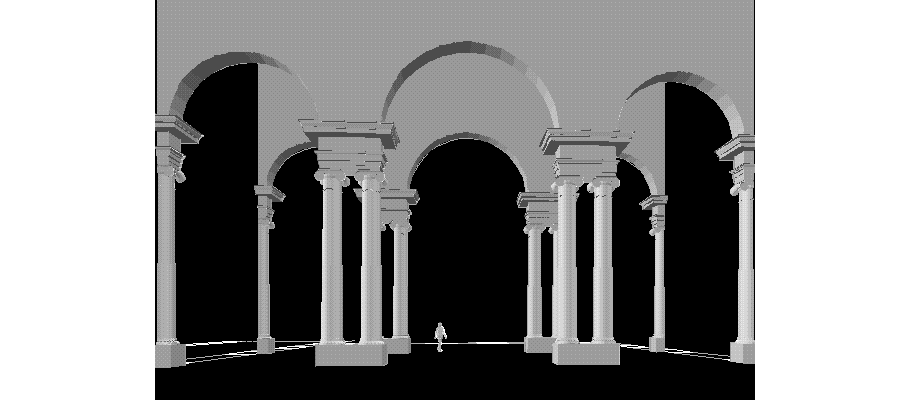
Images derived from a 3d computer model of the Basilica Hierusalem, the original Santa Croce in Gerusalemme are now available at Quondam.
The model is based on a plan of the basilica as featured in the Corpus basilicarum Christianarum Romae, and on a schematic reconstruction featured in Krautheimer's Early Christian and Byzantine Architecture.
Recently, architectural historian Joseph Rykwert made (at least) one factual error within The Seduction of Place (2000). On page 150, Rykwert states:
"The attempt to provide a mimetic "condensation" of another place and time is not new. Centuries ago pilgrimages to remote and sacred places were replicated for those who could not afford to leave home. The fourteen [S]tations of the [C]ross, which you may find in any Roman Catholic church, are a miniaturized and atrophied version of the pilgrimage around holy places in Jerusalem."
The above is complete misinformation. The Stations of the Cross do not represent a "pilgrimage around holy places in Jerusalem." The Stations of the Cross are a ritual reenactment of what Christ experienced on the day of His crucifixion.
Ironically, the example that Rykwert should have put forth is that of Santa Croce in Gerusalemme, the church in Rome built within the Sessorian Palace, the imperial home of Helena Augusta, which today houses Christianity's most valuable relics (of the "Stations of the Cross"). Additionally, Santa Croce (which means Holy Cross) is built upon ground brought back by Helena from Golgotha, site of Christ's crucifixion. Santa Croce is indeed Rome's primal pilgrimage church.
Seeing how Santa Croce is indeed a "mimetic 'condensation' of another place and time," I am now curious if there are other earlier examples of such "reenactionary" buildings/places. Or does the Basilica Hierusalem actually set the precedent for this type of building in Western civilizations? Any clarifications or suggestions would be most appreciated.
ps
You will note that I have dated the Basilica Hierusalem as circa late 326. This indicates my contention that the basilica came into being after Helena's death (circa 1 August 326), and that the basilica was constructed (perhaps under the guidance of Eutropia) to both honor Helena as well as the relics she (Helena) had just brought to Rome. This thinking coincides with what happened at the "the house of Crispus" in Trier after his murder/death. The Imperial house at Trier was demolished, and an enormous double basilica was erected in its place (and there are still today two churches at Trier on the double basilica site).
1998.12.05
assimilating architecture?
Since c.1500, humanity (however, mostly Western/European culture) has operated predominantly under the influence of an assimilating imagination--a process whereby everything about this planet, and even beyond, has been and still is run through the workings of absorption--absorption of land, data, capital, whole societies, etc. (Science in general is a very assimilating process, and genocide is just one example of absorption in the extreme--purge.)
According to chronosomatics, a theory based on the interrelationship of time and the human body (The Timepiece of Humanity - the calendar incarnate), there are roughly 200 years left where assimilation will play a major role with regard to the human imagination, and, more importantly, the next 200 years of assimilation will also be the largest and grossest 'chunks' of assimilation yet, perhaps culminating with the total and complete knowledge of every bit of rhyme, reason, cause and effect of the human genome. Chronosomatics also shows us that metabolism (equal doses of creation and destruction) has been steadily becoming the new and eventually predominate operation of the human imagination. Therefore there is a strong pluralism within the operation of the human imagination today as well.
Are there thus some things within the last 500 years architectural history that relate to the notion of an assimilating architecture? Is there something about the present state of architectural affairs that points to an assimilating and/or metabolic architecture? For example, is the high eclecticism of the late 19th century one form of assimilating architecture? Is Le Corbusier's Purism akin to assimilating architecture in the extreme? Is the current widespread/global land development precisely a continuation of the assimilating process begun by the likes of Christopher Columbus? Will humanity, 200 years hence, have come extremely close to assimilating (for better or for worse) every square inch of this planet?
Personally, I think the answer is yes, but that's not the worst of it. After assimilation ceases to be a major element within the operation of the human imagination, humanity will spend 500 years working under the influence of an almost purely metabolic imagination. Imagine living on Earth when pretty much everything thought and done is create and destroy, create and destroy, create and destroy. . . . .
1961.12.05 Tuesday Philadelphia
After staying overnight and doing "some more rearranging at the Museum", the Duchamps return to New York.
|