2026.09.20
commencing with an enigmatic poem?
Contents
FOREWORD BY ROBIN MIDDLETON
PREAMBLE: IMPROPRIETIES
1 A CERTAIN CHINESE ENCYCLOPAEDIA
2 TROPOLOGICAL SPACE
3 ORNAMENT AND CRIME
Prologue
The Comic Illusion of a Model: Palladio
Good and Ill Fortunes of Piranesi's Theoretical Texts
True Happiness is in the Countryside:
Lequeu, Fourier, and Brillat-Savarin, Even
From Ledoux to le Corbusier:
The Rite of Neue Sachlichkeit
First Demountable Approximation:
Impressions of Africa
Duchamp, Encyclopede:
"To have the apprentice in the sun" (Lequeu)
Aunt Sally, or Knock the Lady out of Bed:
"Use a Lequeu as an Ironing-board"
Demolishing an Architect: Le Corbusier
Slender Appendix
Epilogue: Mediocrity
Last Demountable Approximation:
"Make an Imprint", The Bride
4 ANEMIC-CINEMA: THE PLATES
Architecture Civile
Nouvelle Méthode
Figures lascives
Figures et architecture
5 THE MOMENT TO CONCLUDE
Lequeu's History as Experience
Lequeu Studies
Autobiography of Lequeu: Dates, 1756–1825
The Other Lequeux
INVENTORY OF LEQUEU MATERIAL
NOTES ON THE PLATES
INDEX
page 16
Lequeu studied at Descamps' free school of drawing in Rouen and then worked as an architectural draughtsman, first in Rouen with the architect Le Brument, then in Paris in 1779 with Jacques-Germain Soufflot's nephew and assistant, nicknamed Soufflot le Romain, in the office of works at Soufflot's unfinished church of Sainte-Geneviève (now known as the Panthéon).
page 19
Inasmuch as it is fiction, Lequeu's work, which at first sight appears to be the product of a disordered imagination, finds its place within 'a certain Chinese encyclopaedia'. It is Lequeu's monstrous achievement that he constructs a space in which encyclopaedic listing, carried to excess, ruins classical representation. His game is a deadly Aunt Sally, a jeu de massacre.
page 26
As Lequeu was born on 14 September (Holy Cross Day), 1757, according to these calculations, he would have died in 1819. This would leave a mystery to be solved: Who made the Lequeu bequest to the Bibliothèque Royale? The Cabinet des Estampes seal was not stamped on the manuscripts until some time between 1906 and 1925. But the document in question was drawn up by Lequeu himself, 'dessiné par Ju Jes Lequeu de Rrouen'; one should take note here of the double Rr in Rouen.
2025.09.20
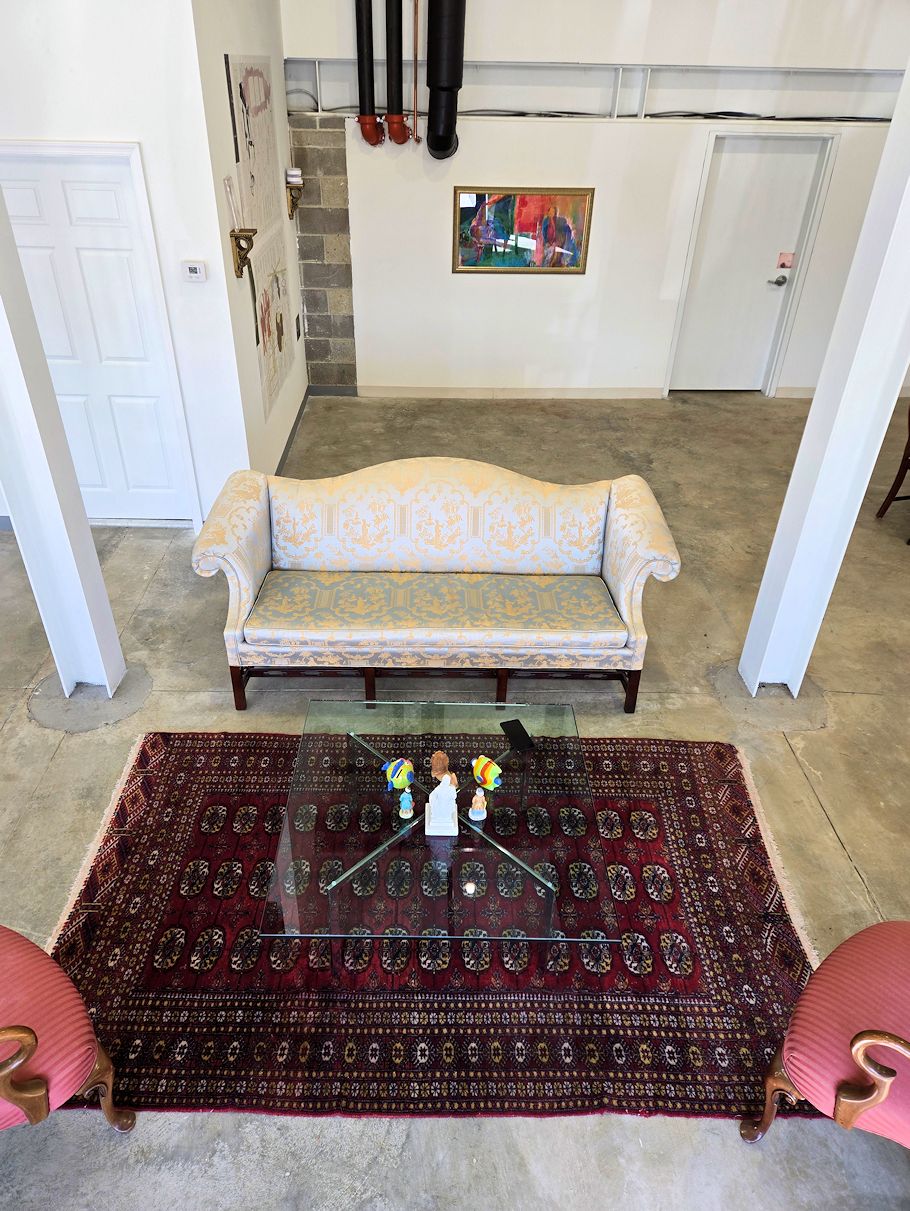
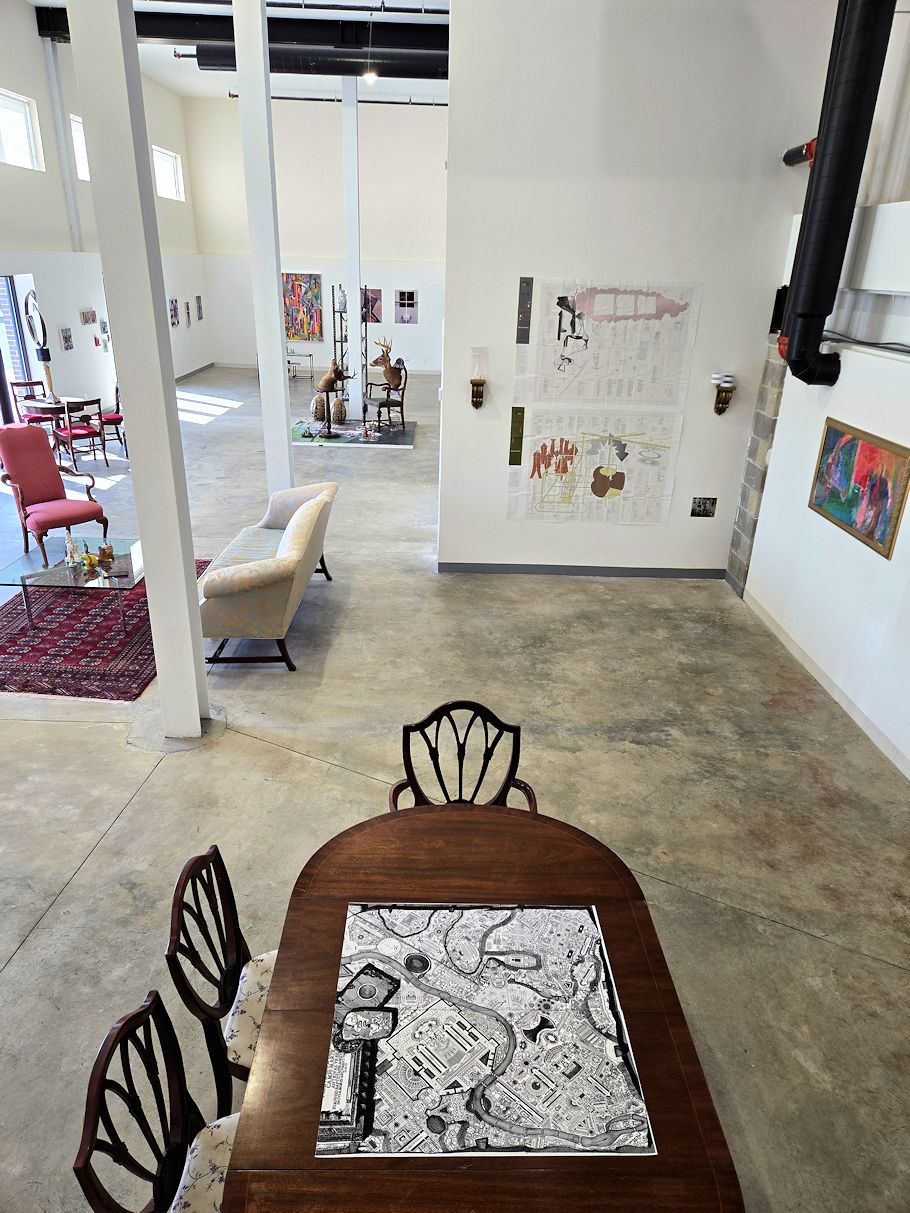
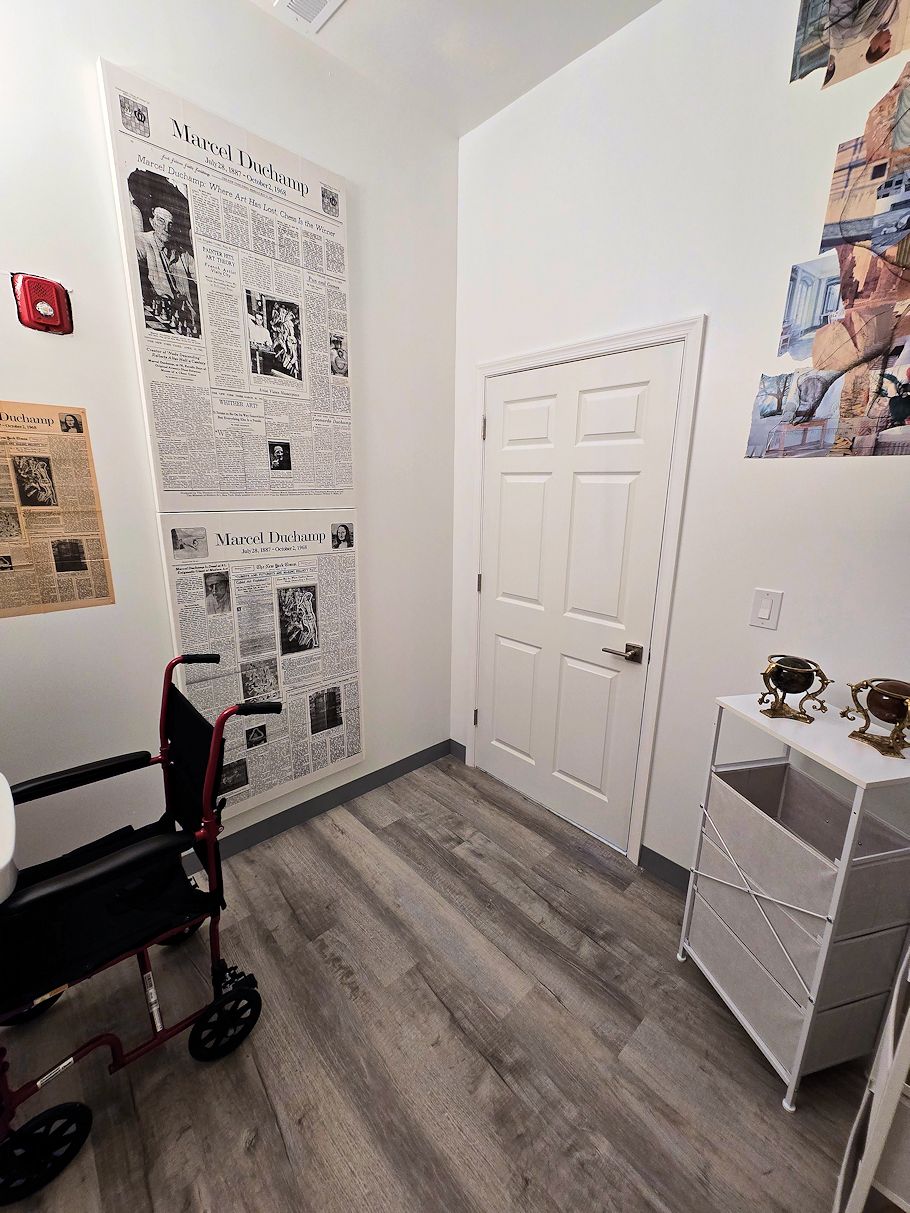
451 Rhawn Gallery
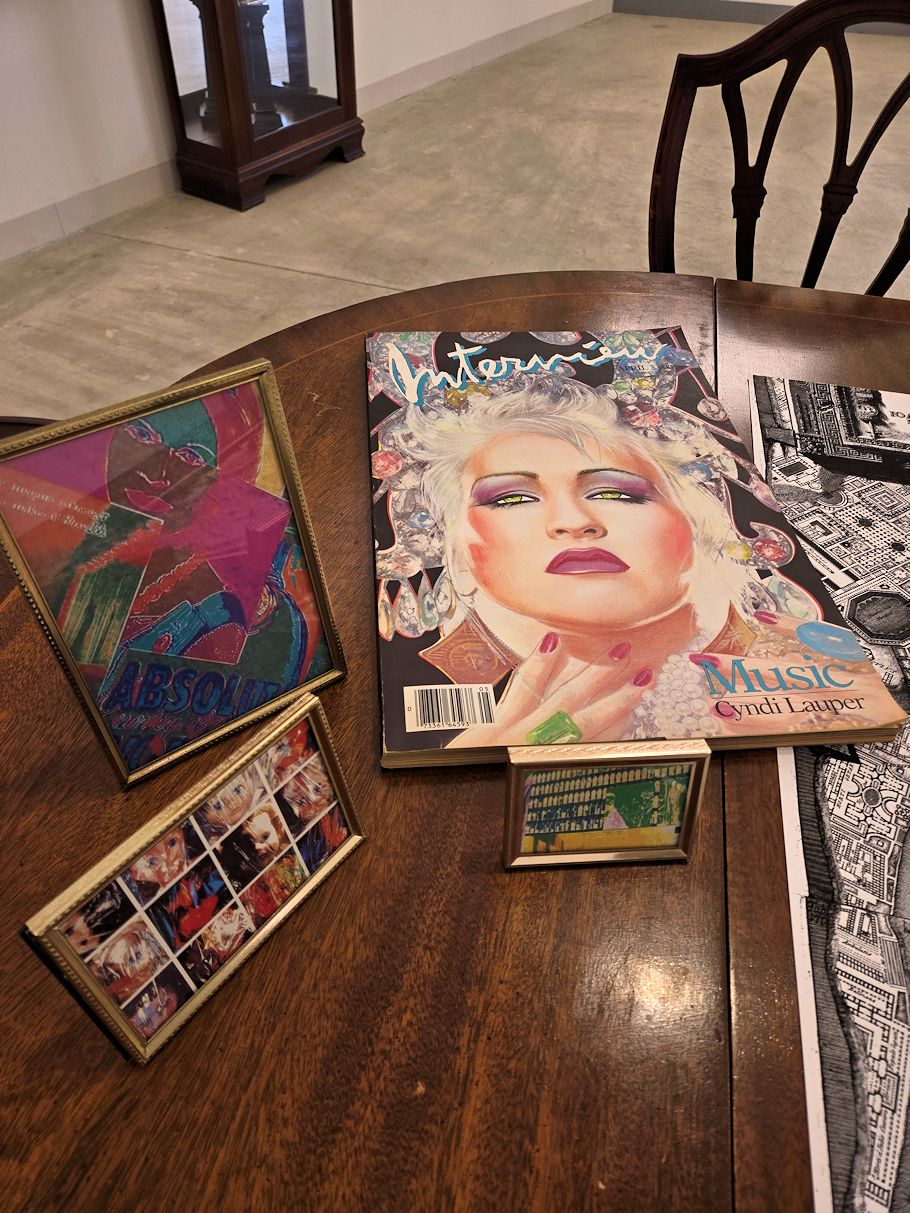
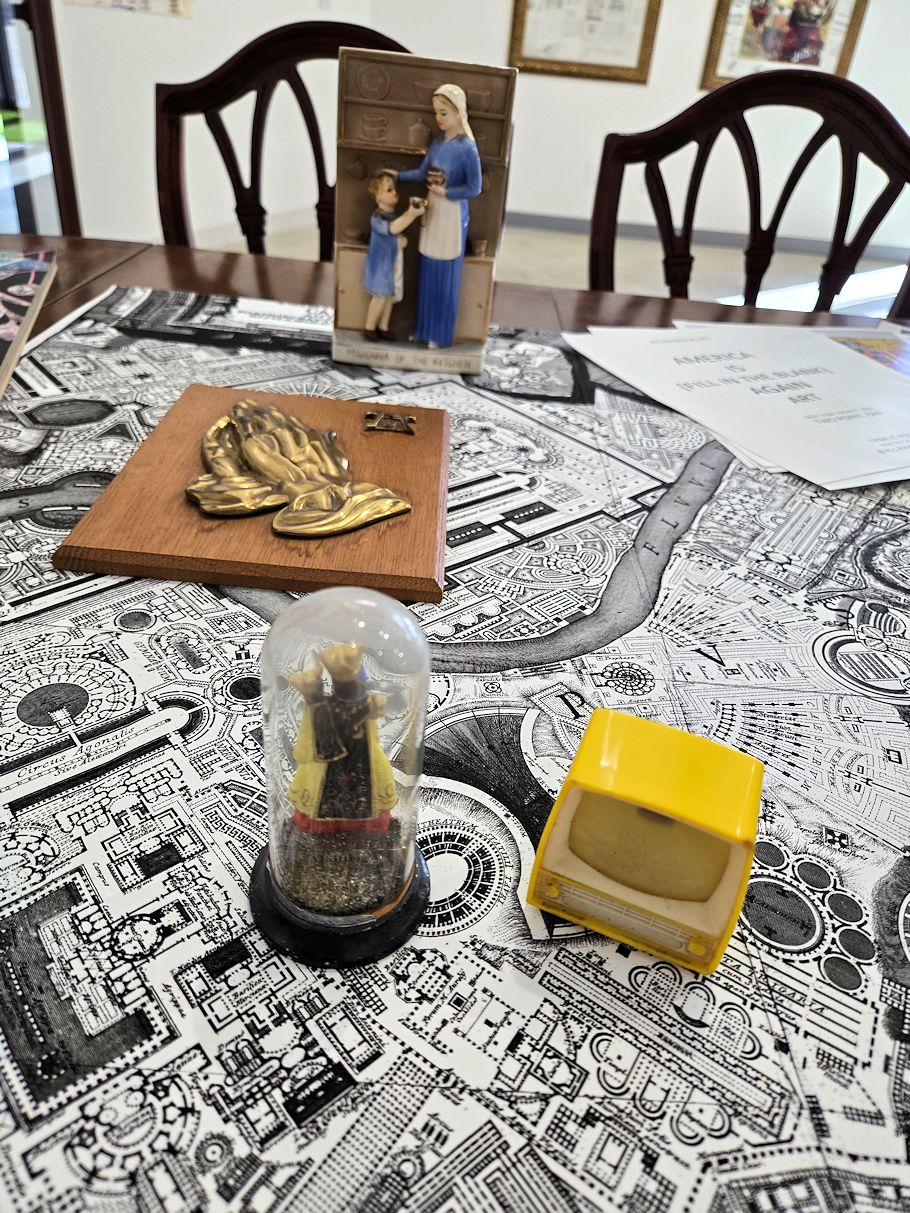
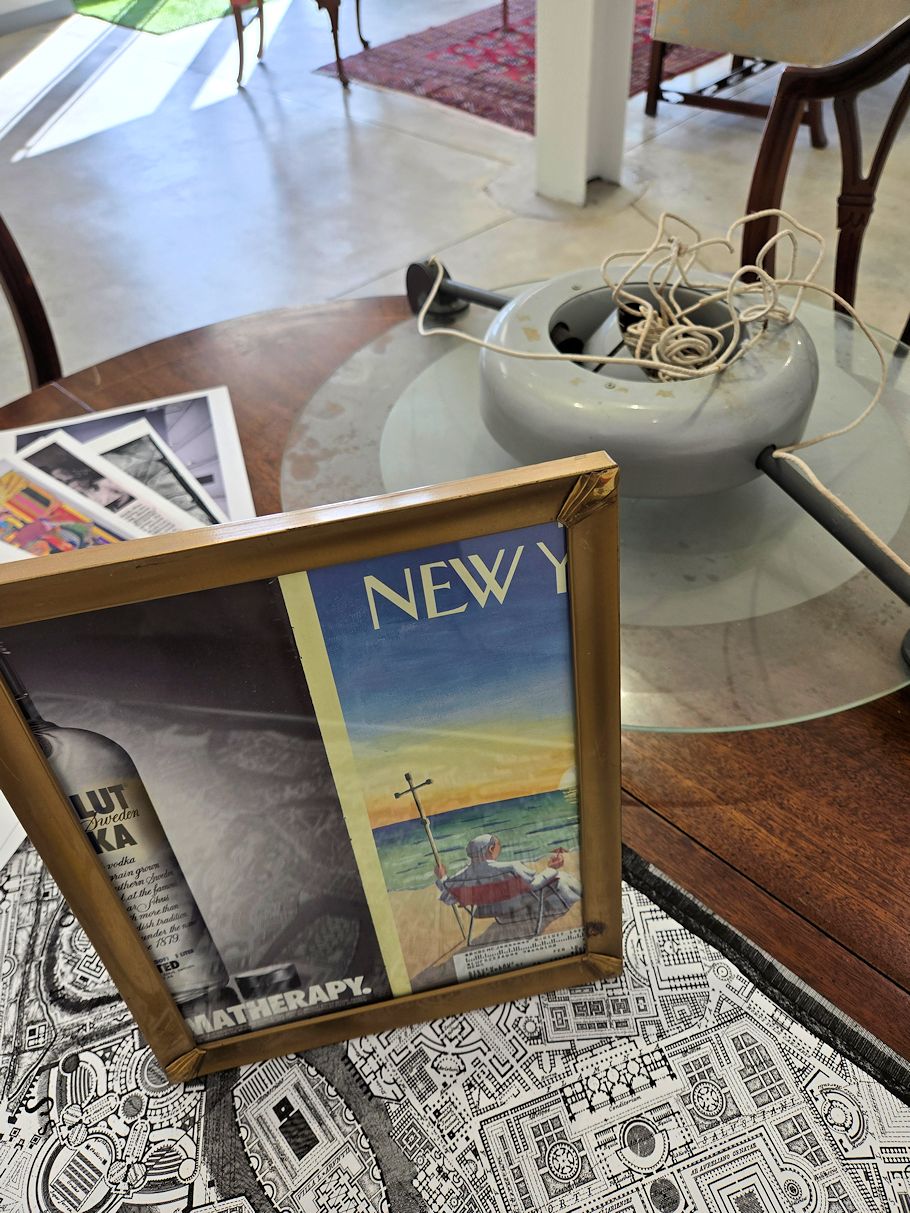
2017.09.20
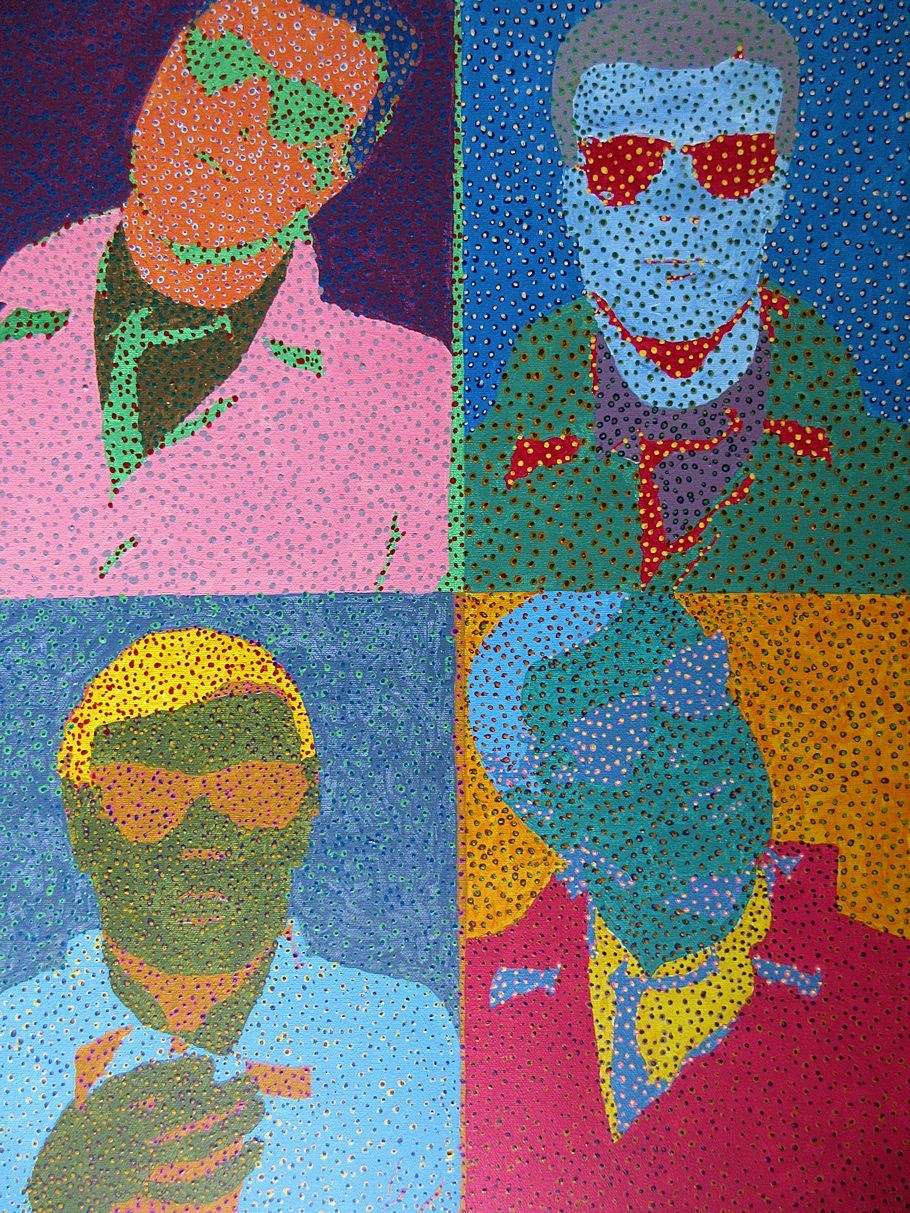
Warhol Reenactment 6
2014.09.20
20 September
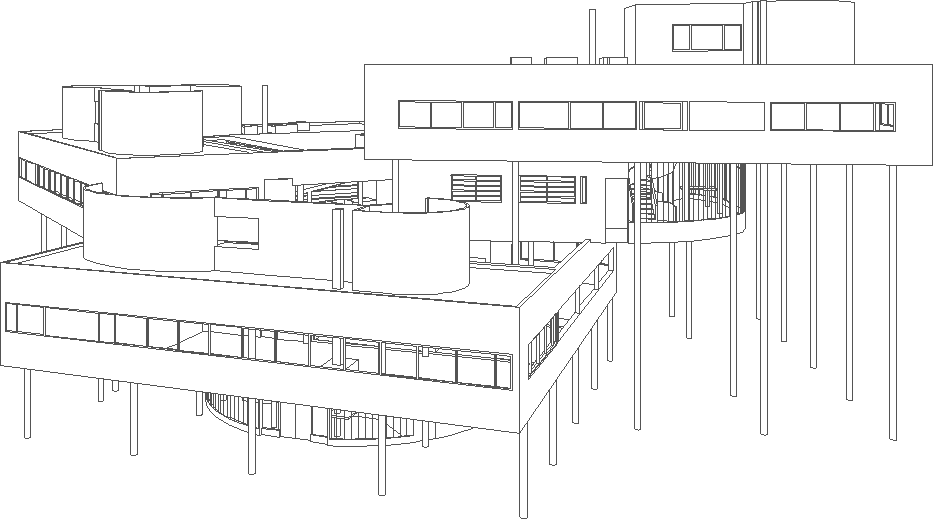
Villa Parkour
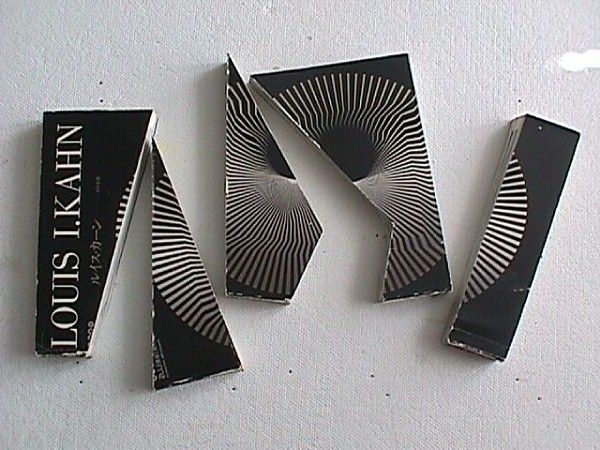
Pretty sure I used an Olfa knife.
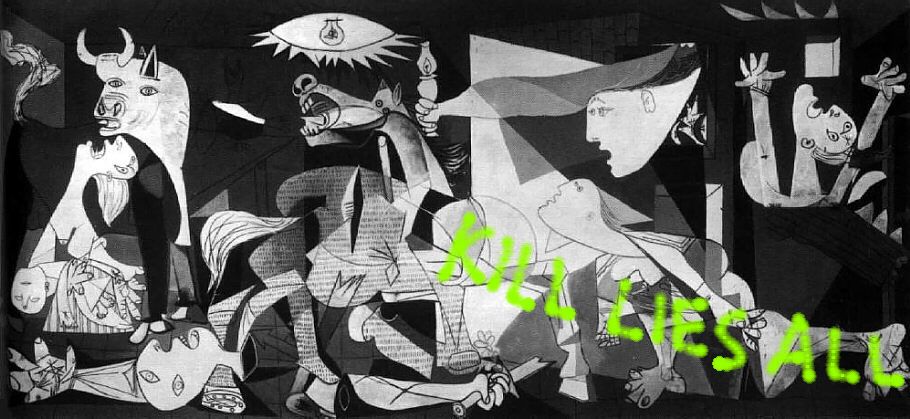
Anyone else here remember seeing Guernica at MoMA?
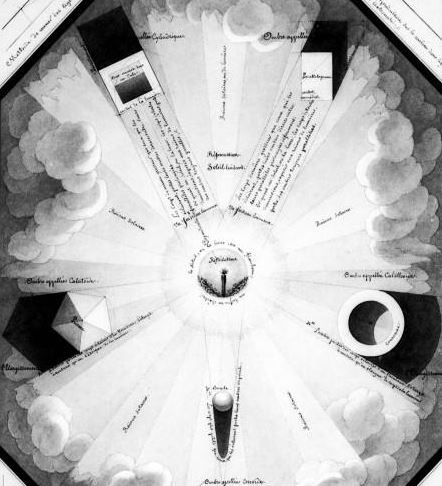
There's definitely something Hejduk about this first image of Lequeu's Architecture Civile.
2008.09.20
life-changing books
The Sexuality of Christ in Renaissance Art and in Modern Oblivion
"Originally published in 1983, Leo Steinberg's classic work has changed the viewing habits of a generation. After centuries of repression and censorship, the sexual component in thousands of revered icons of Christ is restored to visibility. Steinberg's evidence resides in the imagery of the overtly sexed Christ, in Infancy and again after death. Steinberg argues that the artists regarded the deliberate exposure of Christ's genitalia as an affirmation of kinship with the human condition. Christ's lifelong virginity, understood as potency under check, and the first offer of blood in the circumcision, both required acknowledgment of the genital organ. More than exercises in realism, these unabashed images underscore the crucial theological import of the Incarnation."
For me, it made the 80s a whole lot more fun.
2004.09.20
Julian Abele wept 20 September 1938
Racial bias was to remain a constant of [Julian] Abele's professional career. [Alfred S. Branam, an architectural historian, has concluded that Abele was the first Negro to practice architecture professionally in the United States. He was undoubtedly the first American Negro to study architecture at the Ecole des Beaux-Arts.] "There was a great deal of feeling against Mr. Abele because of his color," Mrs. Fennessy has recalled from conversations with her stepfather [Horace Trumbauer], whom she called Père, a reflection of her schooling in France. "Père was widely criticized for hiring Mr. Abele, and the bias extended right in the office--even after the years had passed. I remember him saying there was an office dinner once, and when several of the men found out that Mr. Abele was coming, they deliberately stayed away. But Père never backed down. He thought very highly of Mr. Abele. And they worked very closely for such a long time. I remember that when Père was buried, Mr. Abele broke down. He was a very reserved man, but that day he wept."
--James T. Maher, The Twilight of Splendor: Chronicles of the Age of American Palaces, p. 372.
Horace Trumbauer died 18 September 1838, and was buried 20 September 1938.
We were driving in the red VW sedan I had for a year or so. We were playing a game--we couldn't leave the cemetery until we each spotted a tombstone with our respective first names on it. That's when I suddenly saw TRUMBAUER on a rather nice pink stone plinth. I hit the brakes, jumped out of the car, knelt before the tombstone and shed fake tears of lament, albeit out of all respect. Who knew I was also reenacting Julian Abele?
2001.09.20
Re: travels in hyper-reality
The use of the word artificial in your argument is the tricky one. The reality is that themed environments are very real, and the money they produce surely goes a long way to prove that. Moreover, the notion of reenactment in architecture is not limited to themed environments/buildings. Within reenactment there is always a play of degrees of separation from that which is being reenacted, therefore where exactly is the authenticity that you see in reenactments that keeps them from being artificial? It might now not be prudent to make a case based on artificial versus authentic, because that distinction is completely blurred anymore. For example, Wildwood, New Jersey is full of themed hotels that artificially evoke other places on this planet and even sometimes other places in the solar system, yet it is now exactly this concentration of artificiality that gives Wildwood its unique identity (i.e., authenticity).
Not to confuse the issue, but Wildwood is overall a concentration of what is being called the "doo-wop" style, which is basically hotels and other buildings all done in playful 50s and 60s modernism. Even back then, however, each hotel evoked a different theme via the hotel name and stylist quirks in the building details.
1952.09.20
1952. Saturday, New York City
In the morning Marcel receives a letter from Beatrice Wood saying that although Walter Arensberg still has pains after his operation, his colour has returned.
*
"Your letter yesterday was a great relief," writes Marcel to Lou and Walter, "not so much by the 'long details' but the fact that you are feeling better..." For the work he has agreed to undertake on Le Paradis, the picture painted on the back of the canvas Le Roi et La Reine entourés de Nus vites [9.10.1912], Marcel requests that Budworth handles it in New York: "I mean to receive the case," he explains, "take the painting out and keep the case in his place; deliver the painting to my studio without the case--all this because I have very little room." Marcel also points out that as his studio isn't fireproof, a special insurance might be required.
*
Apologizing for his silence, Duchamp writes thanking Michel Carrouges for his letters and the chapter from his forthcoming book published in the Mercure de France [1.1.1952]. "I am delighted with the idea of the cover for your book," Duchamp says, "I suppose that you will easily have a line drawing made of the glass. In fact it is better that this is done by a 'professional'." After requesting to see a copy of the cover if it is printed before the book, Duchamp writes: "I read the manuscript that Breton lent me in Paris two years ago too quickly--but I have a very vivid recollection of it, confirmed moreover by the article in the Mercure and I await the new book with impatience..."
Ephemerides
1947.09.20
1947. Saturday, New York City
On the eve of her husband's return from Europe [27.5.1947], at ten-thirty in the evening Marcel calls to see Stefi Kiesler at 56 Seventh Avenue.
Ephemerides
|