2026.07.29
Project Strict Chronology
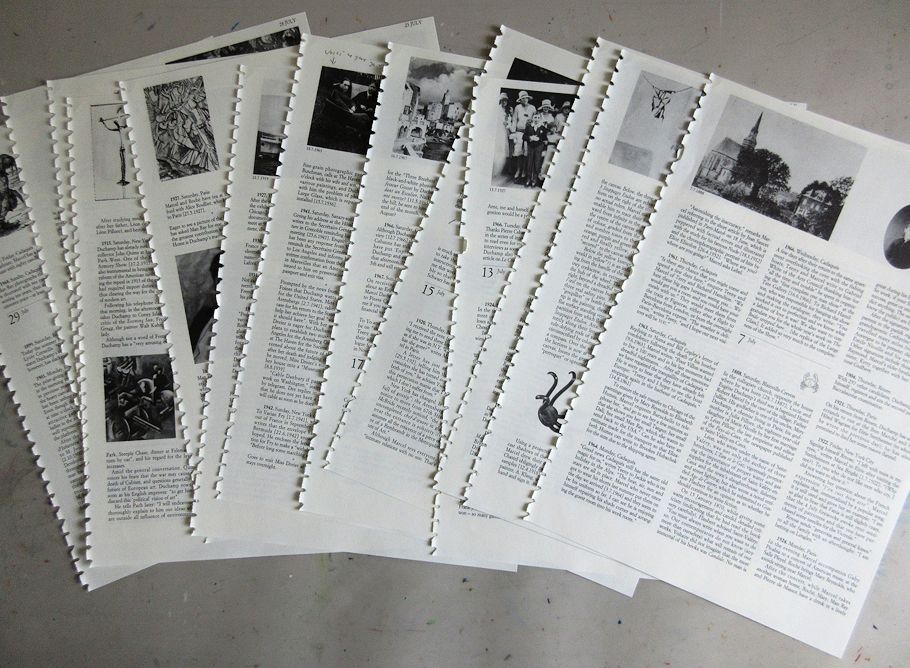
Transforming the Ephemerides from a collection of life anecdotes sorted by the 365 (or 366) days of the calendar year into a collection of life anecdotes arranged in strict chronological order beginning 28 July 1887 and ending 2 October 1968.
2025.07.29
451 Rhawn Gallery
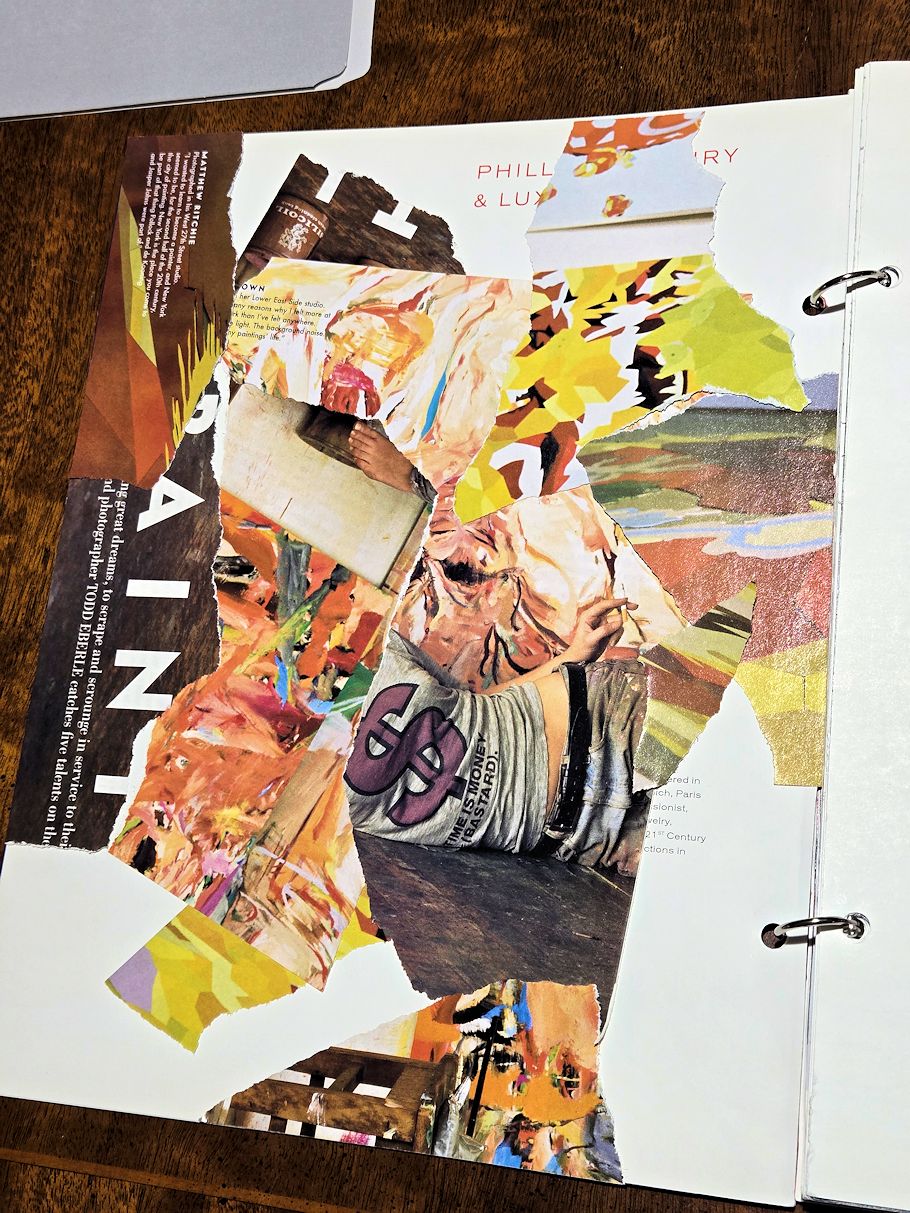
Stephen Lauf Not Lost, Just Unexecuted 001 2025.07.29
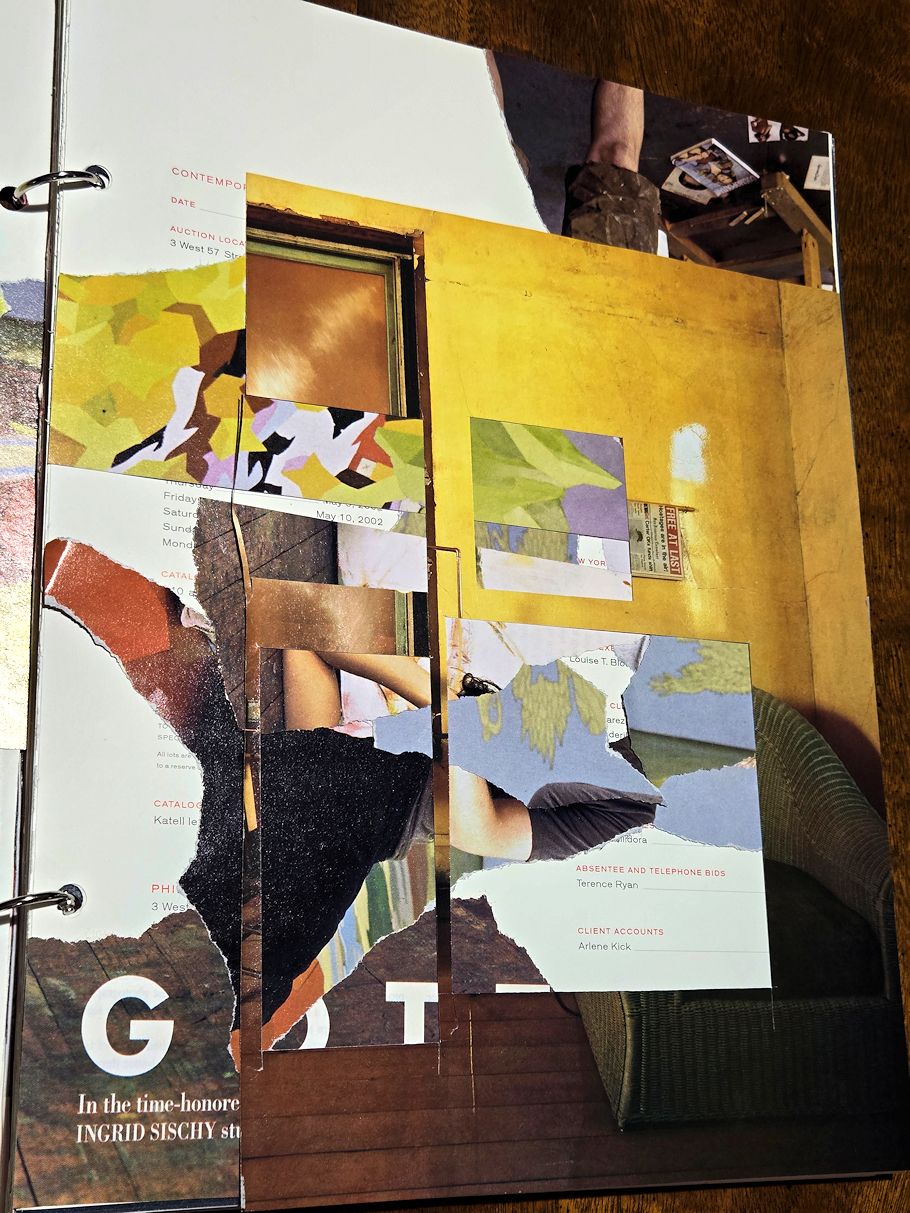
Stephen Lauf Not Lost, Just Unexecuted 002 2025.07.29
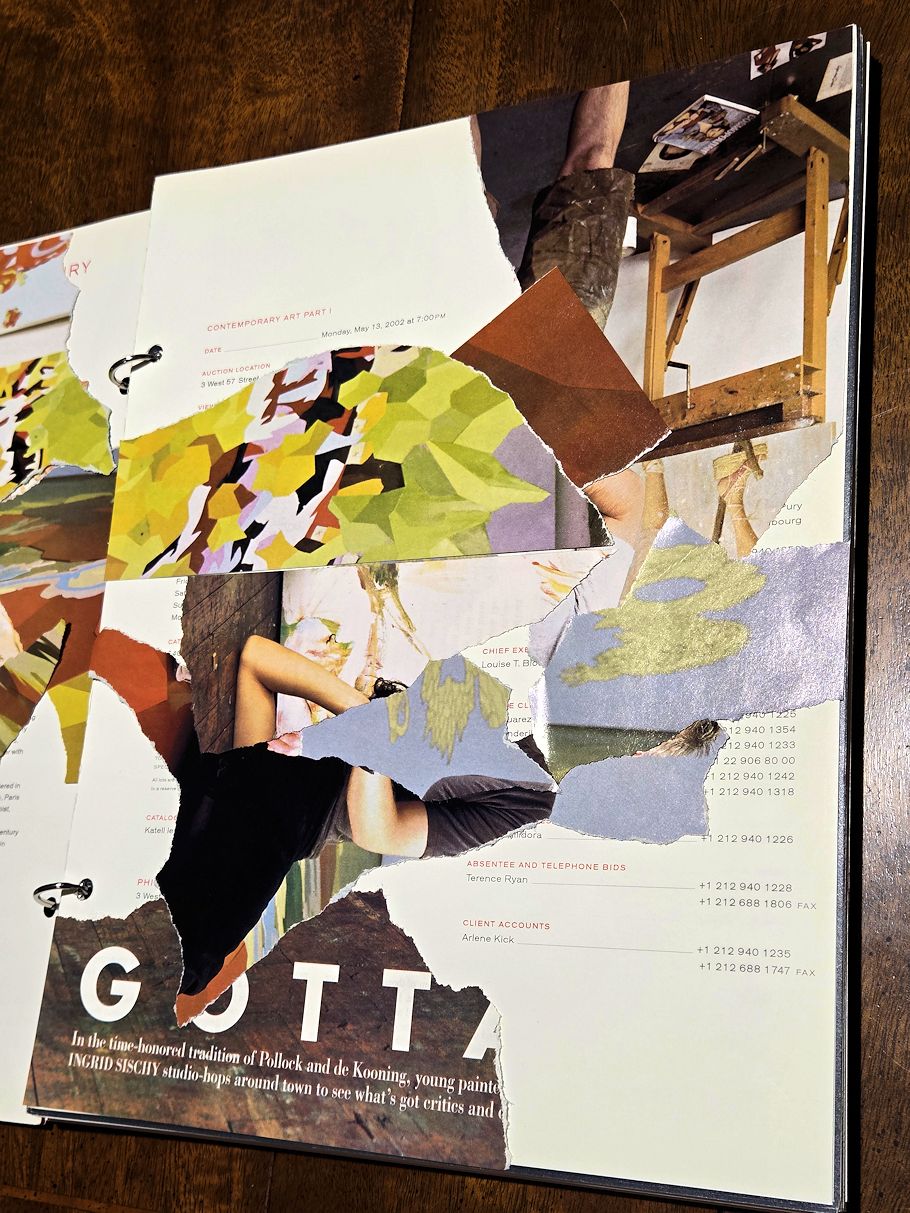
Stephen Lauf Not Lost, Just Unexecuted 003 2025.07.29
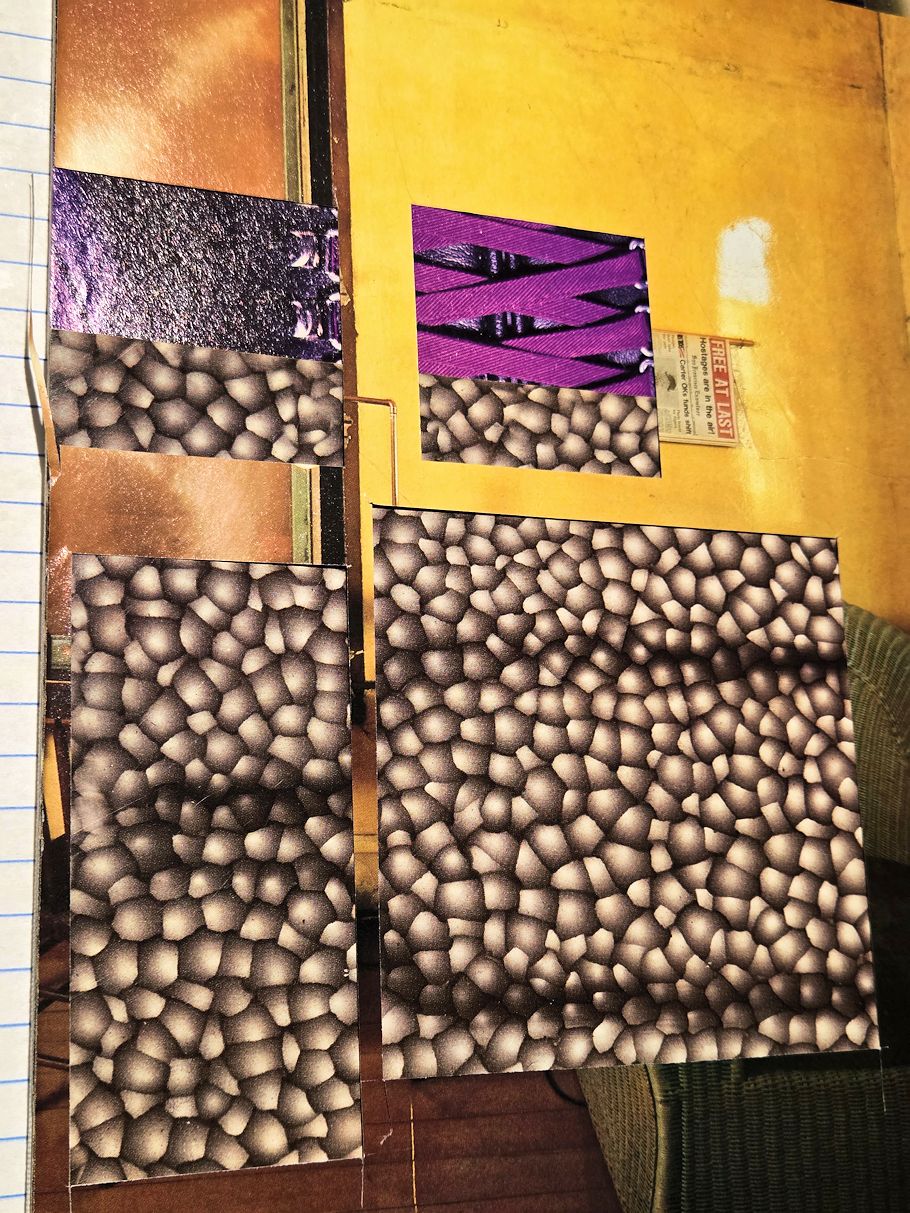
Stephen Lauf Not Lost, Just Unexecuted 004 2025.07.29
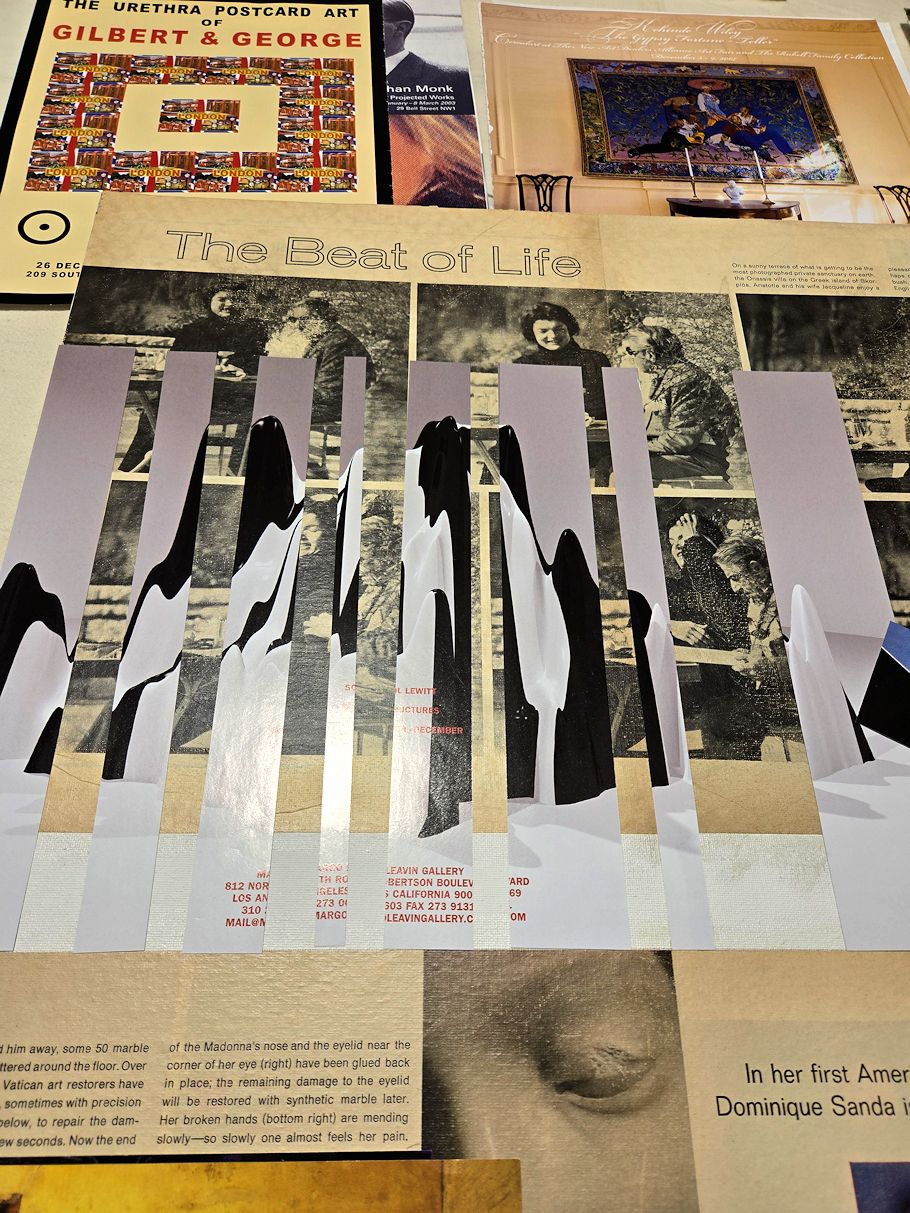
Stephen Lauf Not Lost, Just Unexecuted 005 2025.07.29
. . . so, one of the last things I did (in Philadelphia) on Marcel Duchamp's 138th birthday was to think about one of the things that Marcel Duchamp did (in Philadelphia) on my 5th birthday, proclaiming, "The great artist of tomorrow will go underground." Apparently, there's no tuition when you go underground.
2024.07.29
reenacting the largest painting in the world
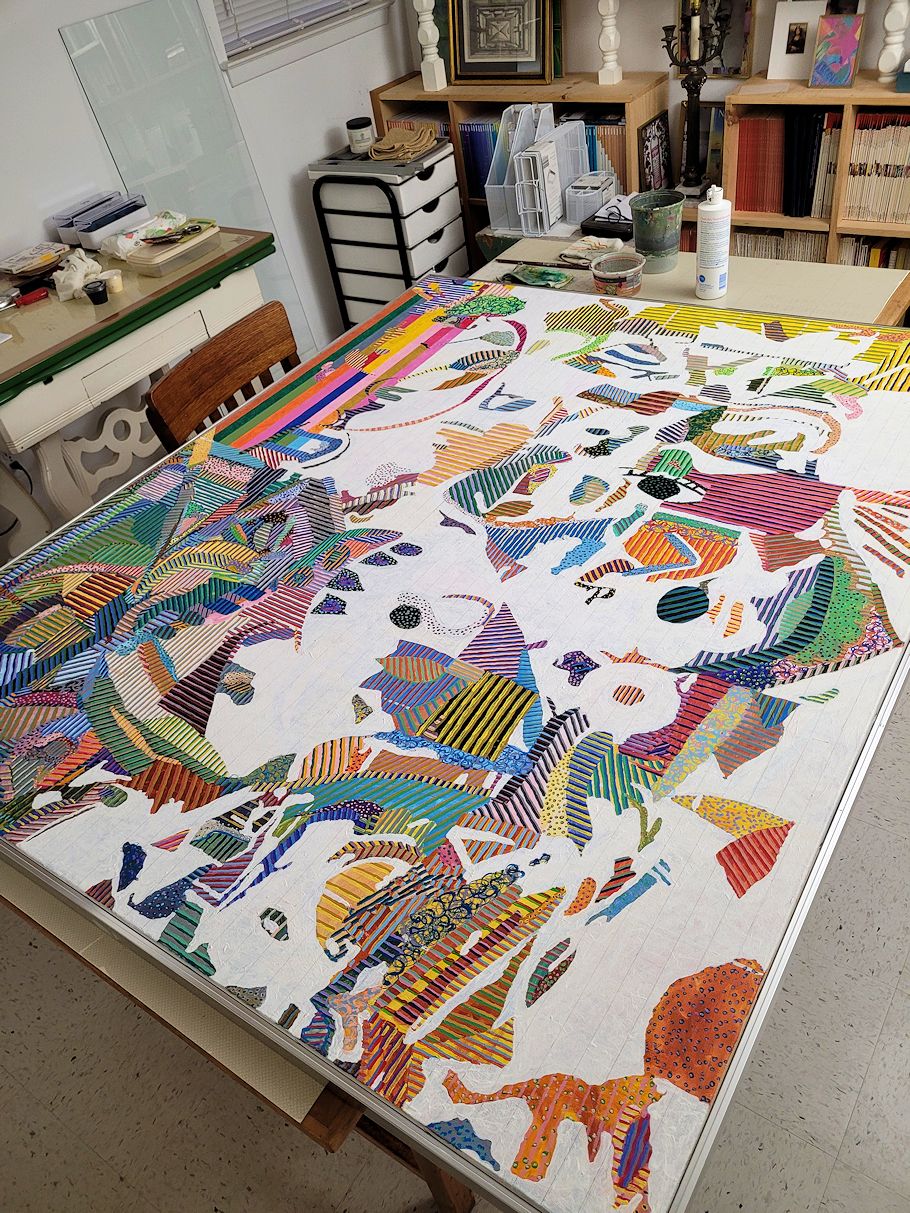
2017.07.29
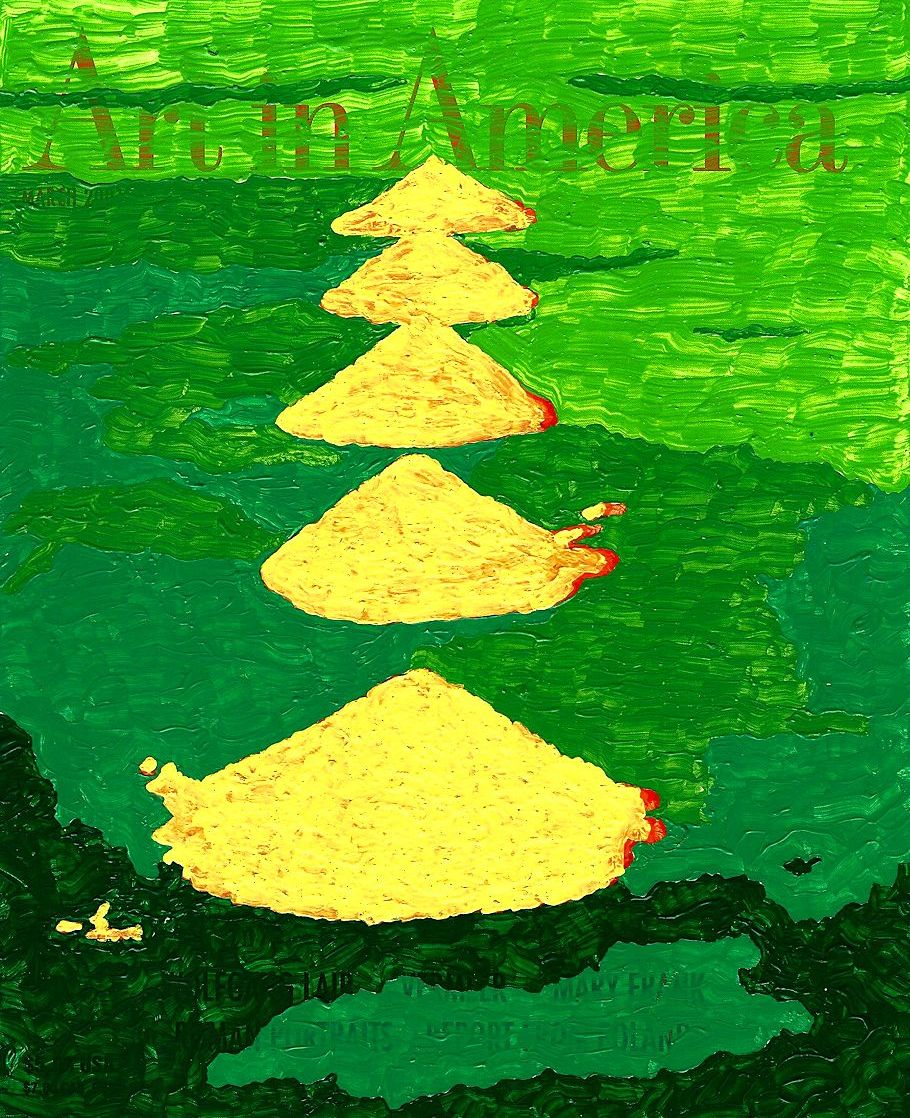
zero six nine
2013.07.29
Learning from Learning from Las Vegas (again)
...are you at all familiar with the first edition? What's missing from the second edition is Part III, Essays in the Ugly and Ordinary: Some Decorated Sheds which is a exposition of Venturi & Rauch projects from 1966-1971--in some relevant ways these projects complement the texts. The first edition is also much more a book where you can 'read' the pictures without reading much of the text (which is how I mostly 'read' the book as a student back in the last half of the 1970s).
Regarding hyperbole and the 1968-72 Zeitgeist here in the US. I was in 8th grade 1969-70 at St. Ambrose School at C St. and Roosevelt Boulevard, Philadelphia. Our teacher was Sister Charles Mary, a squat, very over-weight nun (her nickname among the students was Fat Chuck). Our classroom had large wall-to-wall windows facing Roosevelt Boulevard, a 12 lane green urban thoroughfare, and the R bus and the J bus had a stop right at our corner. Sister Chuck divided our class (of about 60) into girls on one side and boys on the other (window) side. In the spring of 1970, one rather suddenly saw Tan Hawaiian with Tanya advertisements on the sides of busses all over Philadelphia (the same as the billboard on the cover of Learning from Las Vegas). This ubiquitous bikini clad female body prompted Sister Chuck to lecture us one day on morality (or whatever), saying how such a public advertisement was shameful (or something like that). I sat in the row right next to the windows, and just after Sister Chuck gave her lecture, I looked out the window waiting for a bus to drive by, and it didn't take long before I simply said, "There it is." Well, the whole boy's half of the classroom went absolutely nuts, literally jumping out of their seats yelling and whistling, with those nearest the windows lunging their arms out the windows yelling "I want you! I want you!" Of course, now Fat Chuck also went berserk screaming, "Sit down! Sit down! Sit down!" and it only quieted down when Fat Chuck looked like she was actually about to have a heart attack.
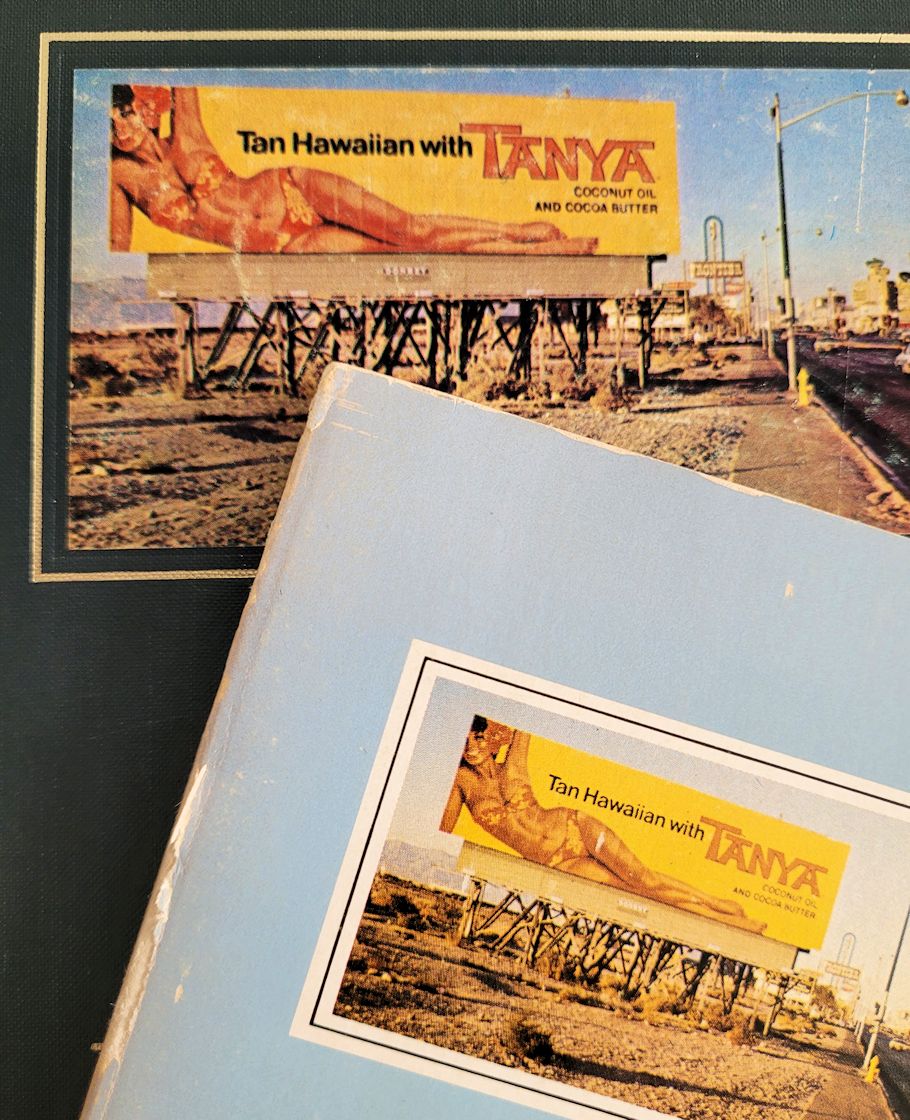
When I first saw Learning from Las Vegas circa 1975-76, I fell in love with the book as soon as I saw the cover. Can you really blame me?
1999.07.29
Wyoming Avenue
1947.07.29
1947. Tuesday, New York City
At eight Marcel is invited to dine at Maria Martins' with Stefi Kiesler, whose husband is still in Europe. Later, Enrico Donati and Miss Eakins join the party which continues until midnight.
Ephemerides
1937.07.29
1937. Thursday, Copenhagen
Infra-mince [infra-thin] is a subject to which Duchamp has given much thought during his fortnight in Denmark, now drawing to a close. Today, he dates a short note in which he examines infra-mince separation: that between two forms cast in the same mould and "identicals" however identical they may seem or are. He considers that two men are not an example of identicality, on the contrary, but admits the existence of a broad concept ranging from a general classification of objects to the most identical of castings. He suggests it is more useful to look at the infra-mince difference between two "identicals" than to say, for example, that "two twins are alike as two peas in a pod".
Ephemerides
|