2026.02.05
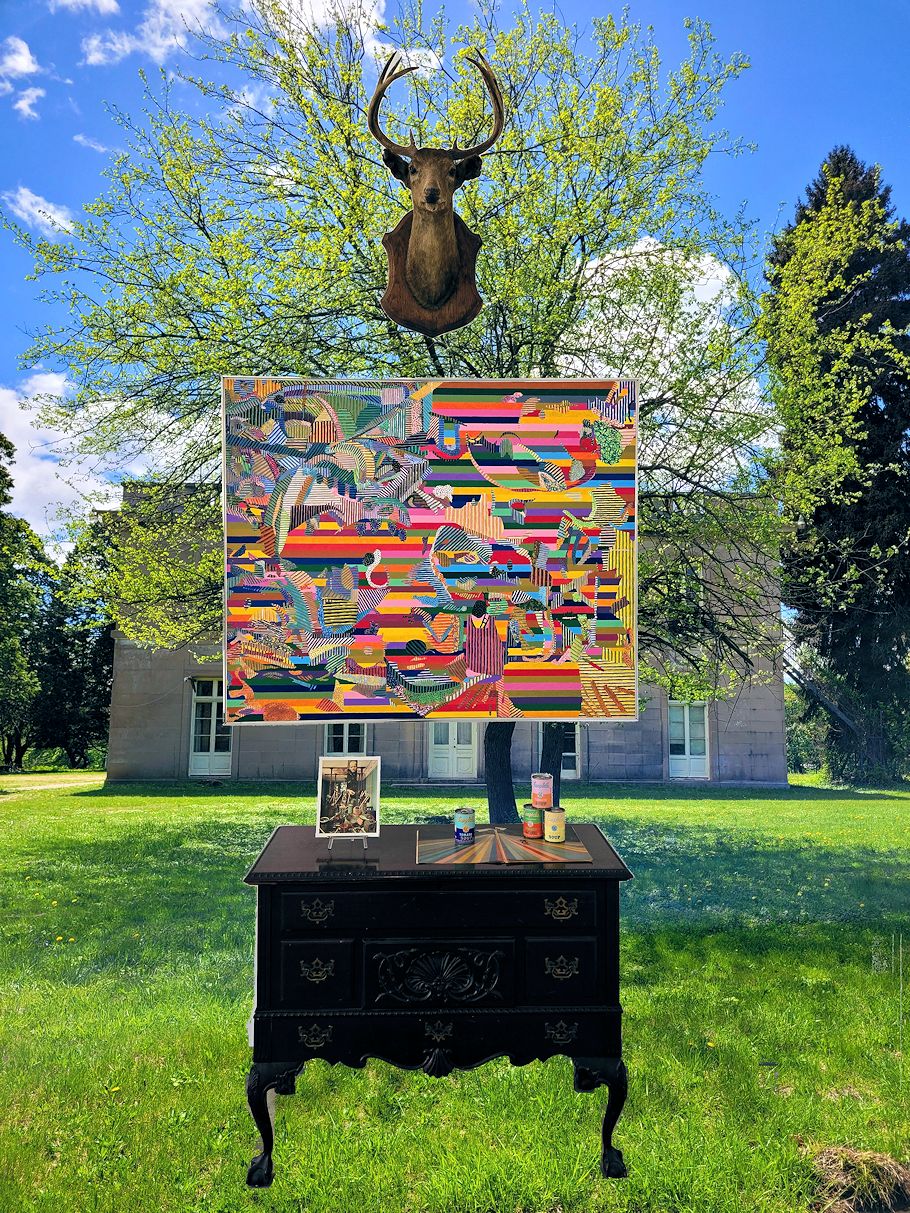
the calculus of "par" 001
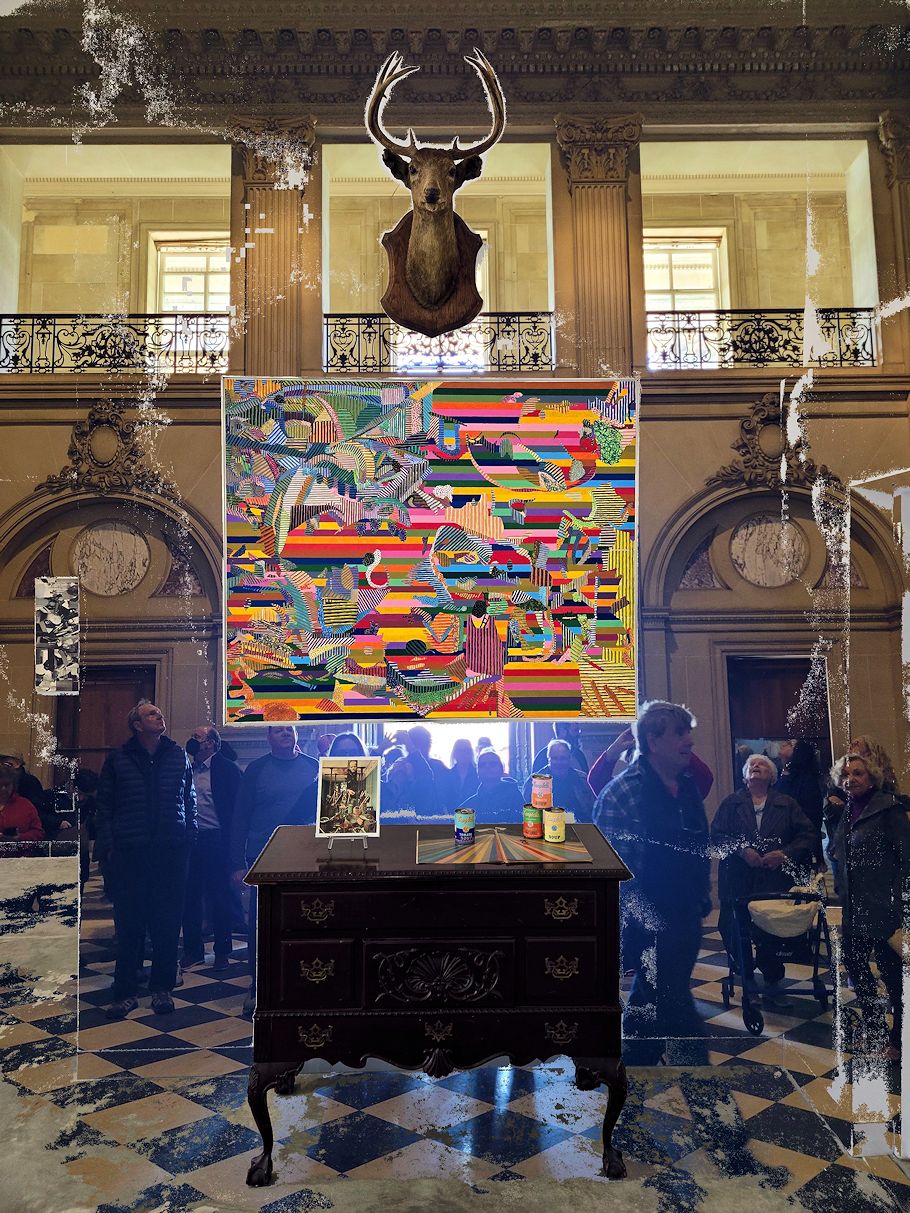
the calculus of "par" 002
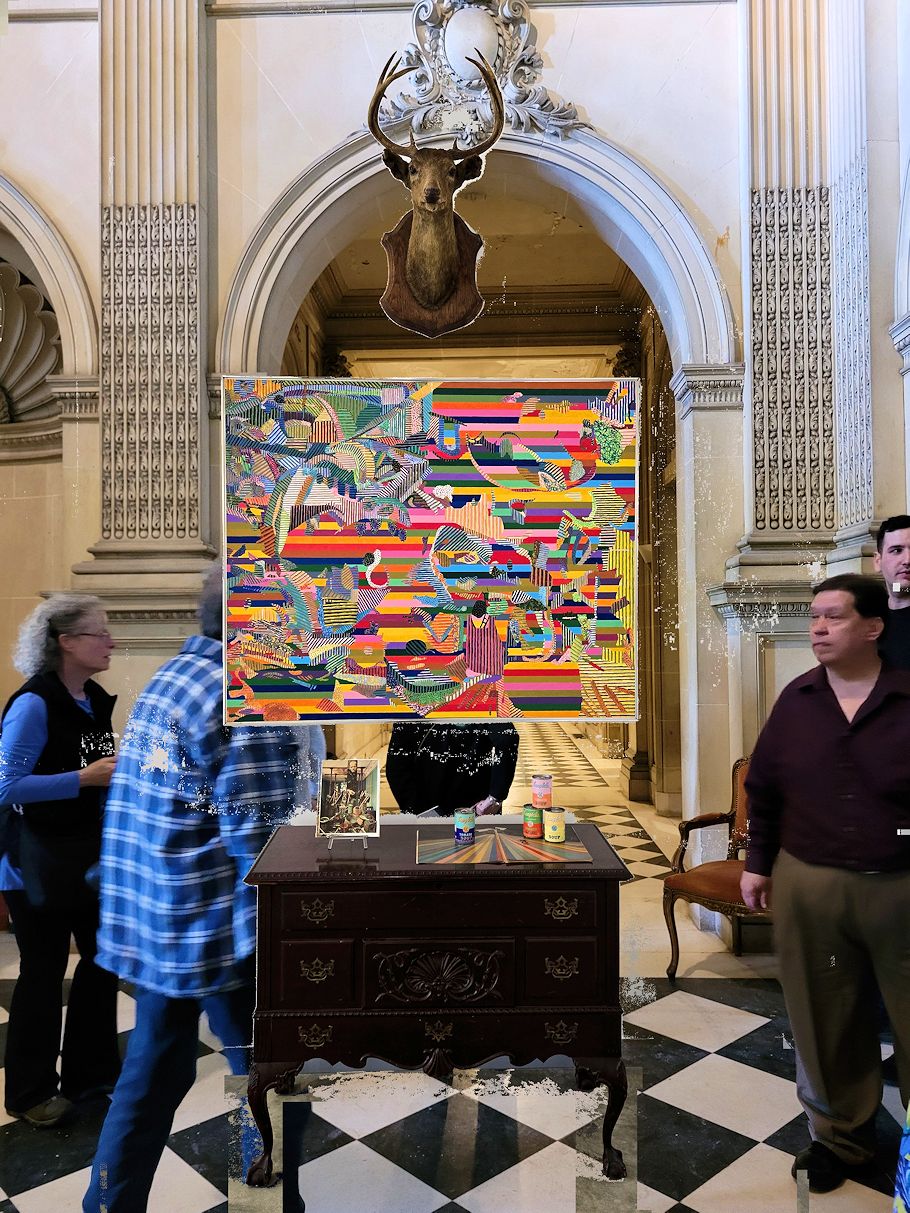
the calculus of "par" 003
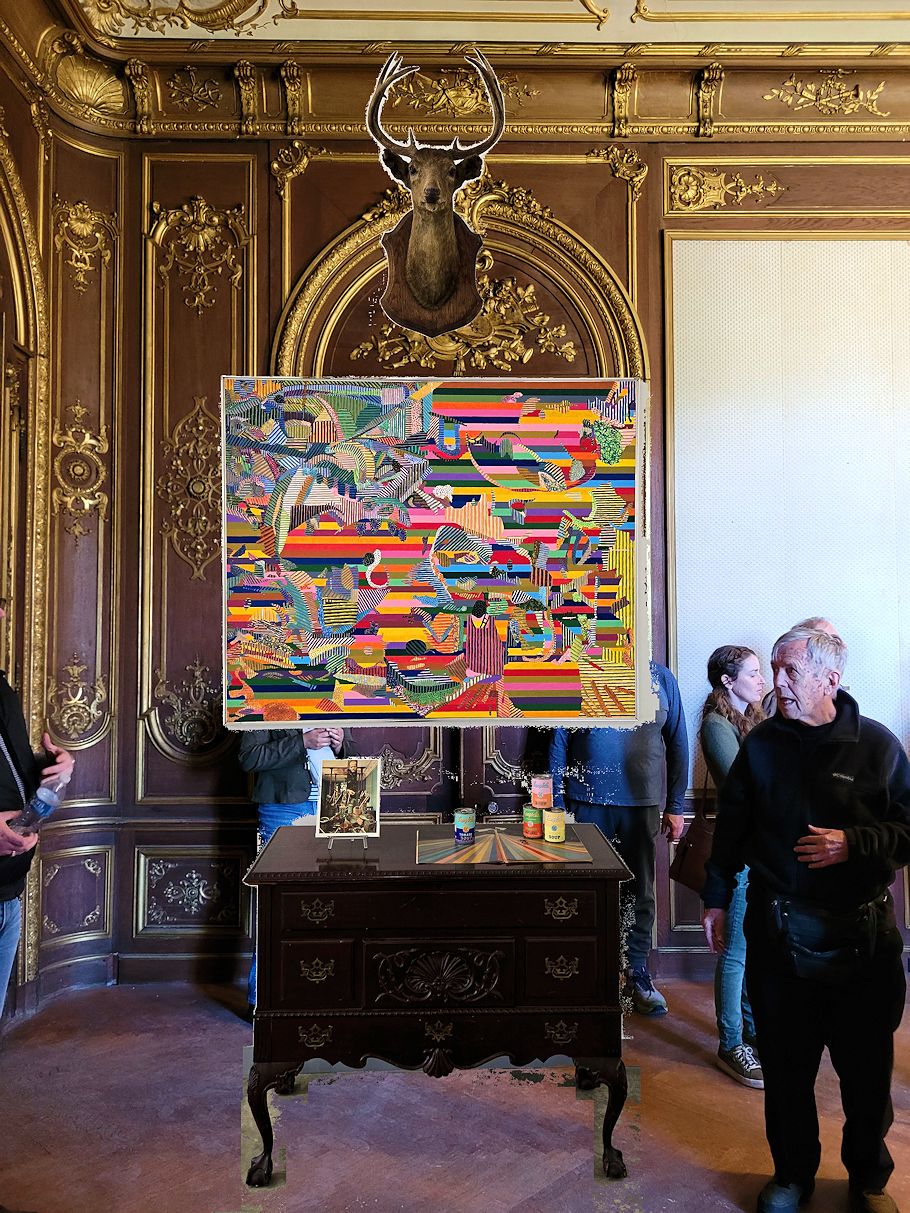
the calculus of "par" 004
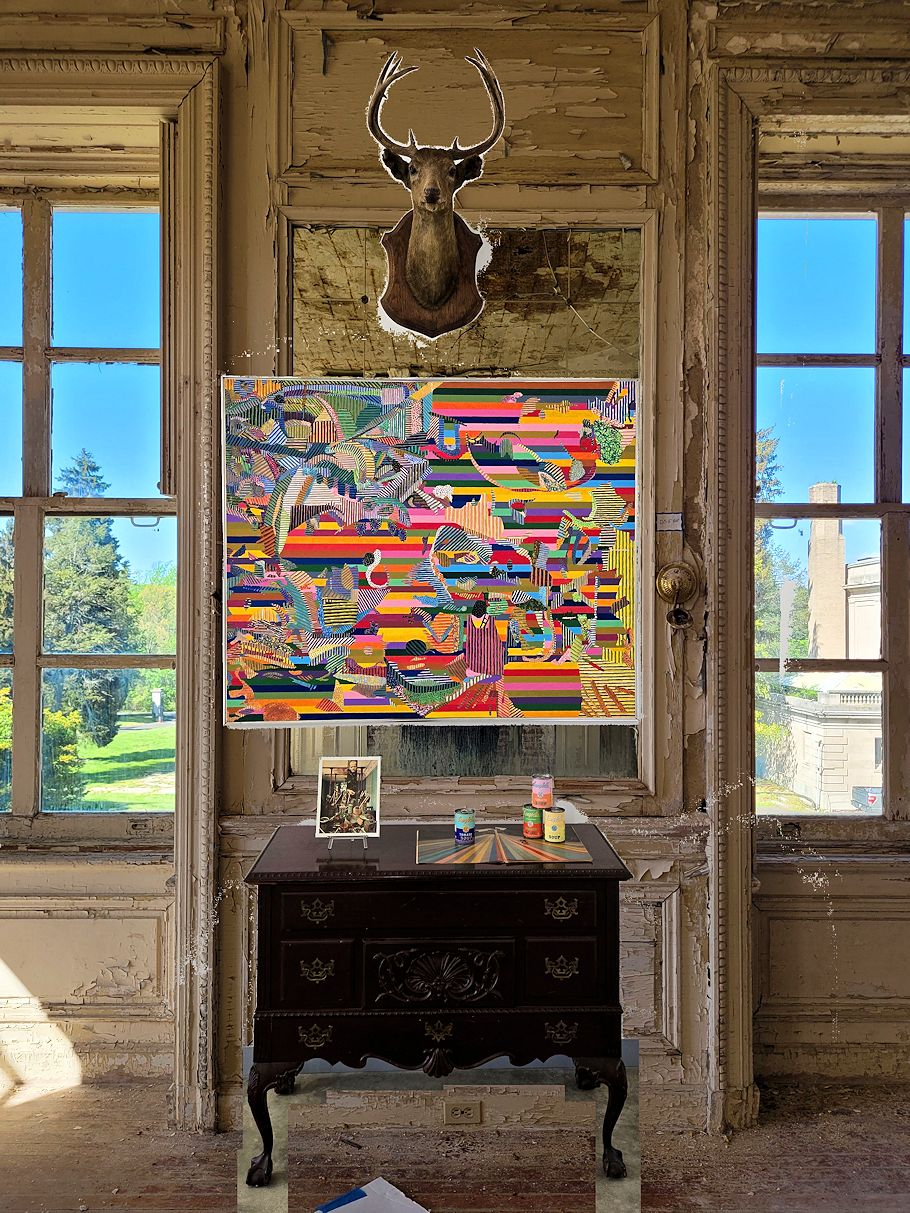
the calculus of "par" 005
the (AI) difference between "was accepted" and "was not rejected"
Q:
What if Fountain was accepted by the Society of Independent Artists in 1917?
A:
If Marcel Duchamp’s Fountain had been accepted and displayed by the Society of Independent Artists in 1917, it likely would have triggered an immediate, chaotic scandal, forcing a premature confrontation with conceptual art principles years ahead of schedule. It might have discredited the Society's "no-jury" rule faster, while validating readymades instantly.
Here is a breakdown of what could have happened:
Potential Outcomes of Acceptance
Instant Scandal & Public Outcry: The display of a urinal in a major exhibition would have caused a massive media sensation, likely deemed "offensive" and "gross" by critics and public alike.
Collapse of Traditional Art Standards: It would have forced the public and critics to confront the idea that art could be an intellectual choice rather than a product of craftsmanship.
Dada Movement Acceleration: The acceptance would have served as a huge victory for the Dadaists, cementing the "art-as-concept" shift earlier in the 20th century.
Society of Independent Artists Crisis: The Society, promising no rejection, would have been forced to stand by their rules, potentially destroying their reputation for "decency" and legitimacy immediately.
Duchamp's Role Shifted: Instead of resigning in protest to highlight their hypocrisy, Duchamp might have been viewed as a successful disruptor, but perhaps with less legendary mystique surrounding the "suppressed" work.
In essence, acceptance would have made the controversy louder and more direct, rather than the slow-burn revolution it became after its initial suppression.
Q:
What if Fountain was not rejected by the Society of Independent Artists in 1917?
A:
If Fountain had not been suppressed by the Society of Independent Artists in 1917, the immediate scandal, resignations, and the defining "R. Mutt case" defense in The Blind Man might never have occurred. This would have muted its revolutionary impact on conceptual art, delaying its status as the ultimate "readymade" challenge to art-as-craftsmanship.
Here is a breakdown of what might have changed:
1. Loss of the "Scandal Factor"
No "R. Mutt" Defense: The iconic argument published in The Blind Man—that the artist chose rather than made the object, rendering craftsmanship irrelevant—might not have been articulated so forcefully.
Less Immediate Notoriety: The rejection, debate, and photo session at Alfred Stieglitz's studio turned it into a "talismanic" object. Without the pushback, it might have been ignored as a joke rather than recognized as a landmark.
2. Impact on the Artist and Society
Duchamp Stays on Board: Duchamp would not have resigned in protest, potentially altering his immediate relationship with the NYC avant-garde.
Validation of the "No Jury" Rule: The Society’s rule that all submitted works be accepted would have remained intact, but without the "test" of Fountain, it would not have been proven in such a dramatic way.
3. Long-term Artistic Consequences
Delayed Conceptual Shift: The shift toward art as an "intellectual exercise" rather than aesthetic delectation might have taken longer to materialize.
Undermined Critique: The work was designed to mock pompous museum directors and the art market. If accepted quietly, its power to critique the establishment would have been significantly weakened.
In essence, the rejection was crucial to its success. The act of suppression is what turned an ordinary urinal into a symbol of artistic freedom and anti-art sentiment.
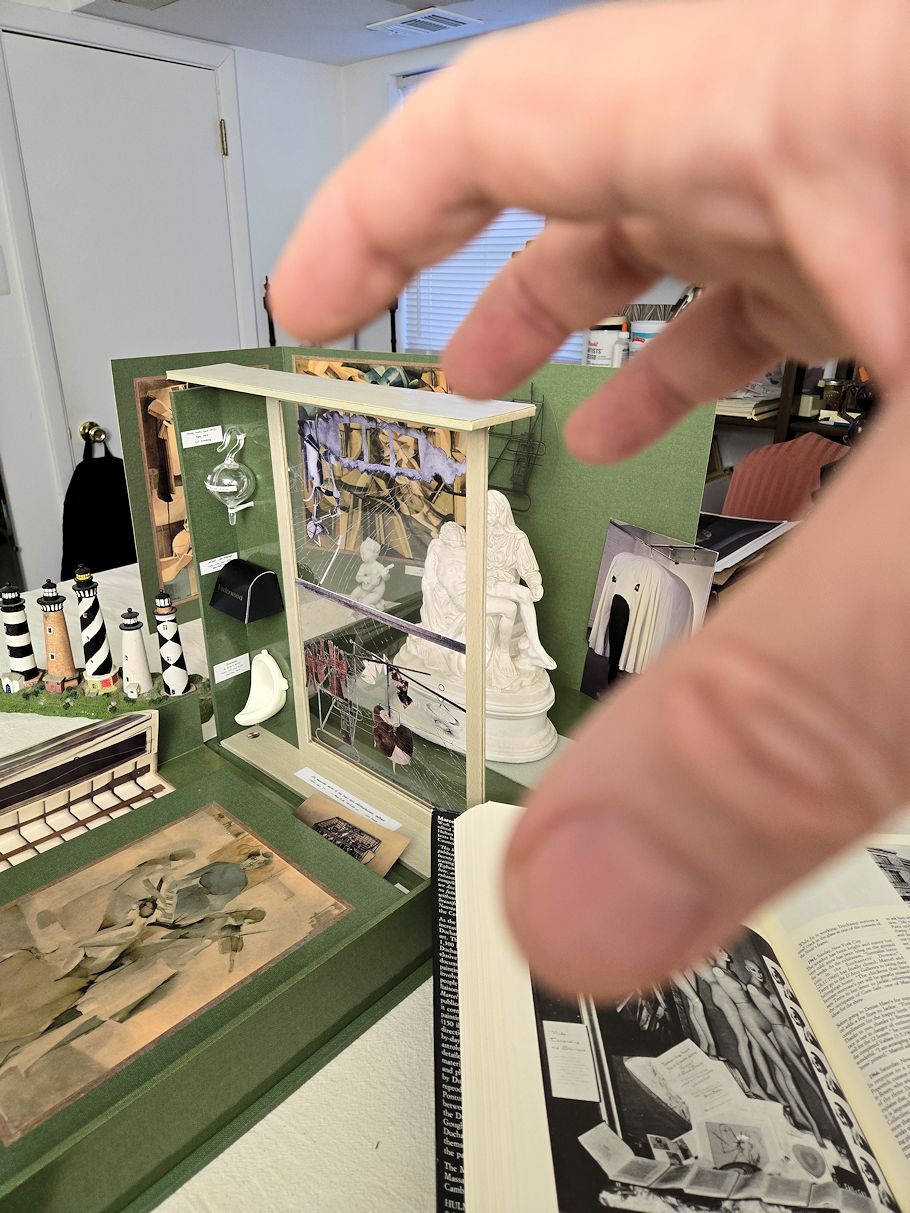
no doubt about it, I  museums! museums!
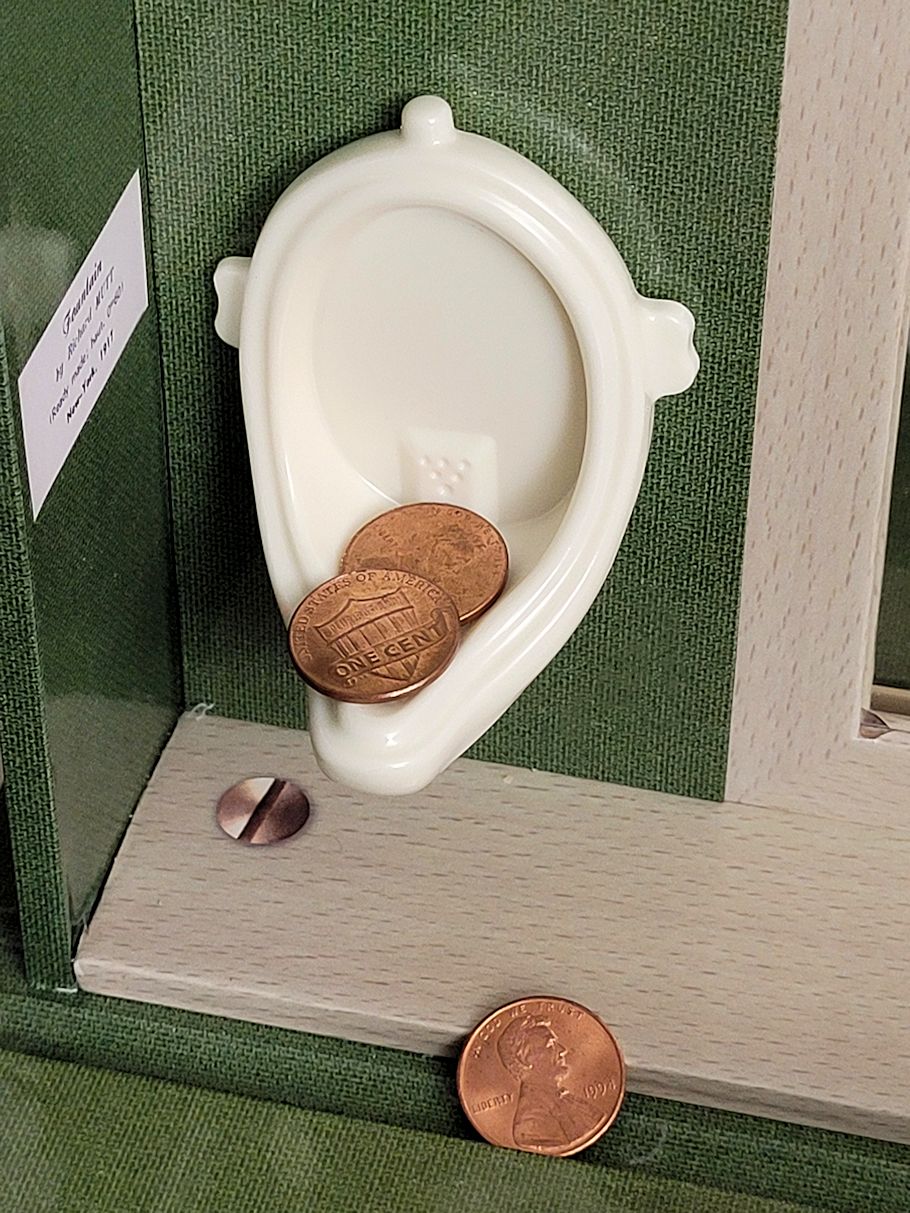
typical
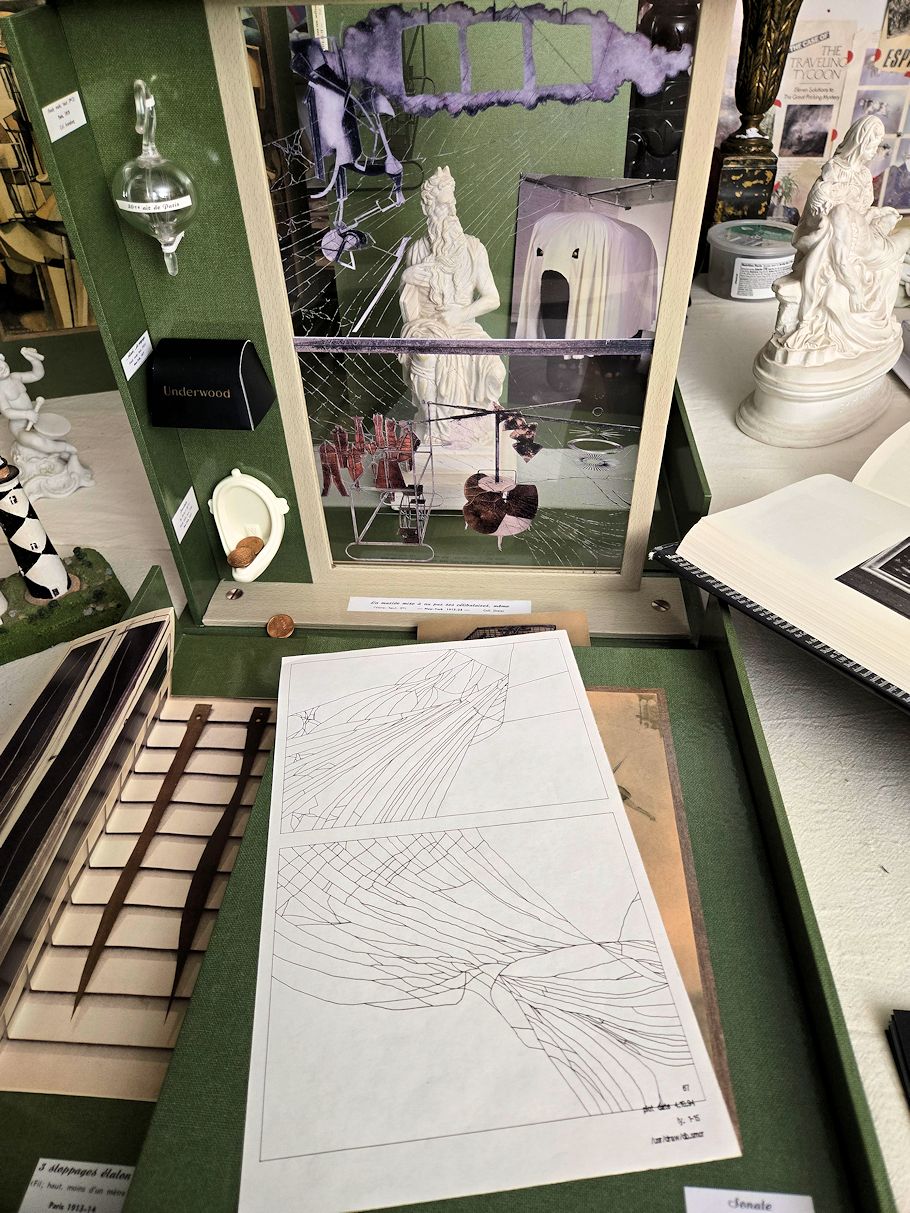
What's next, the burning bush?
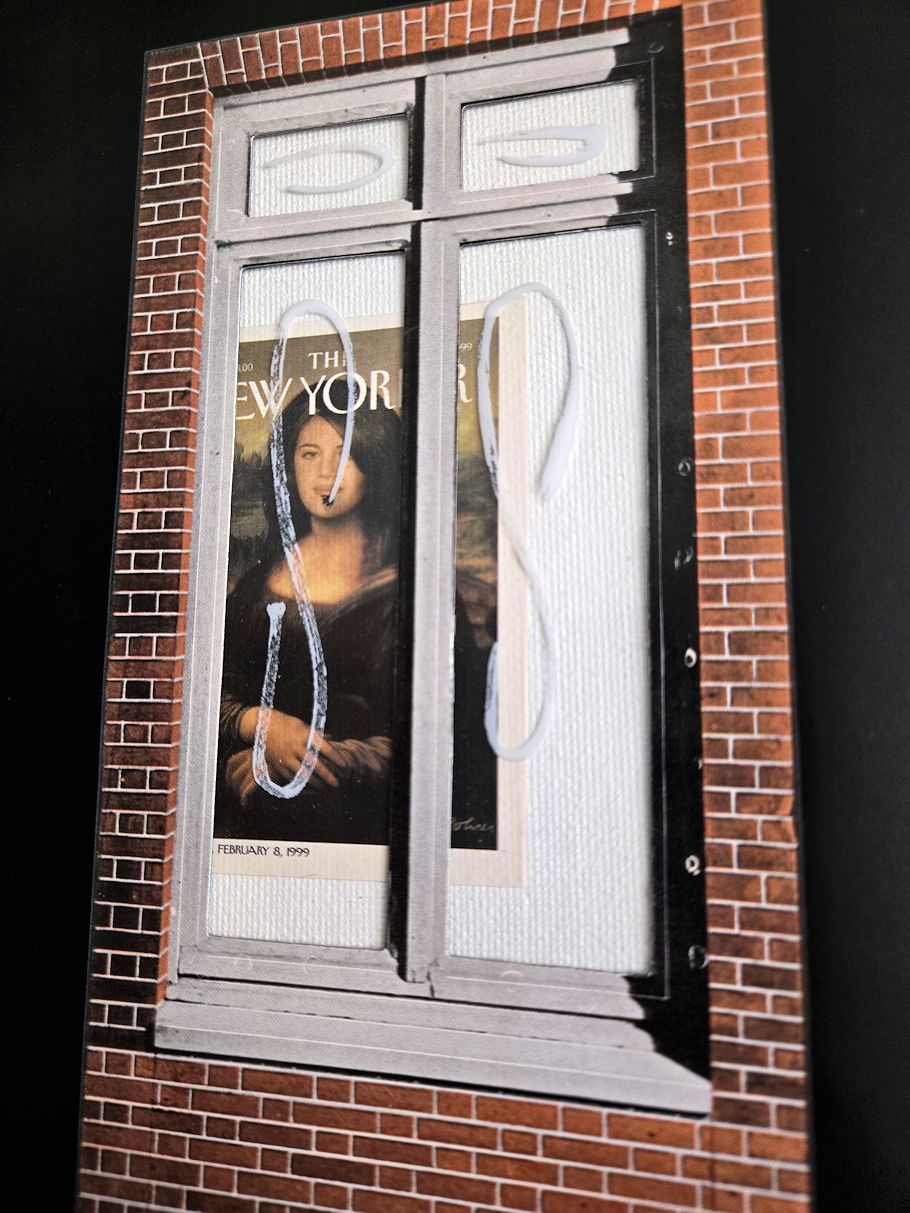
and speaking of burning bushes . . . I mean bridges . . . I mean hearts
2025.02.05
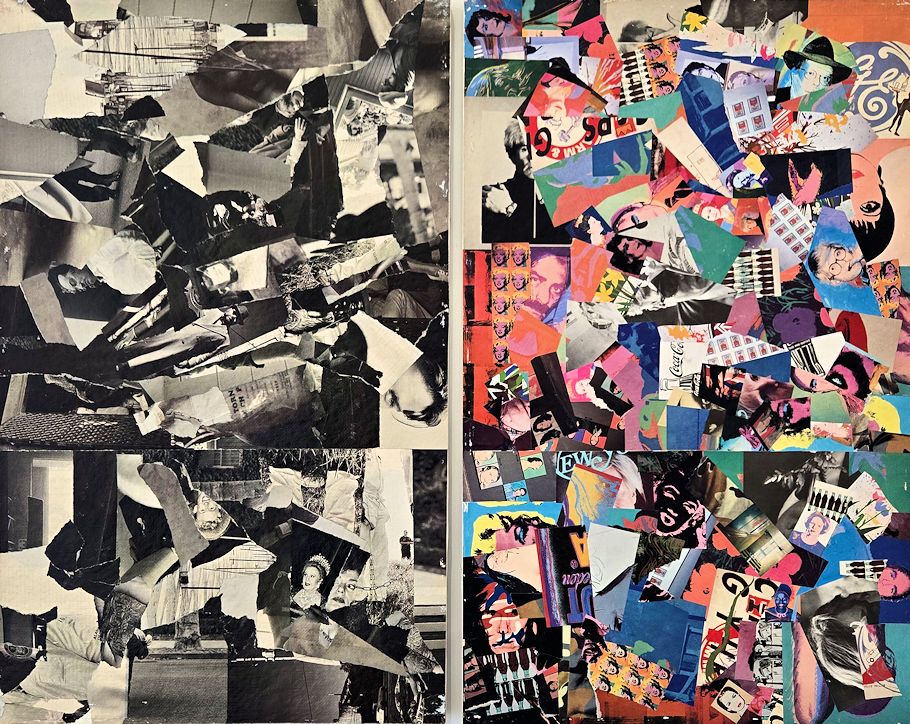
Twin Towers
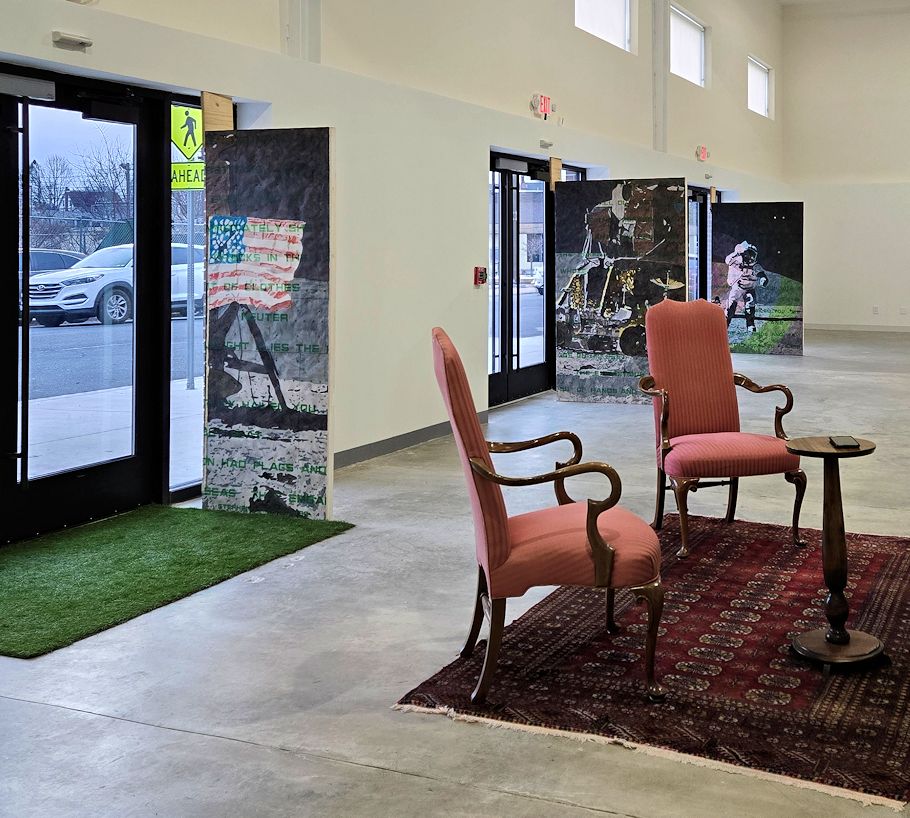
451 Rhawn Gallery
2023.02.05
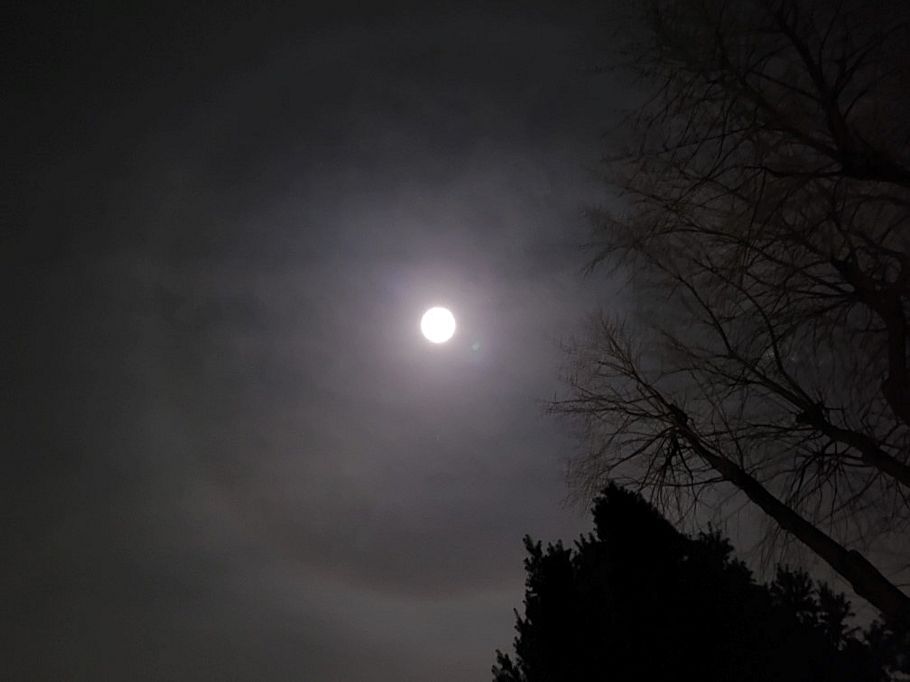
The full moon has a halo tonight.
2007.02.05
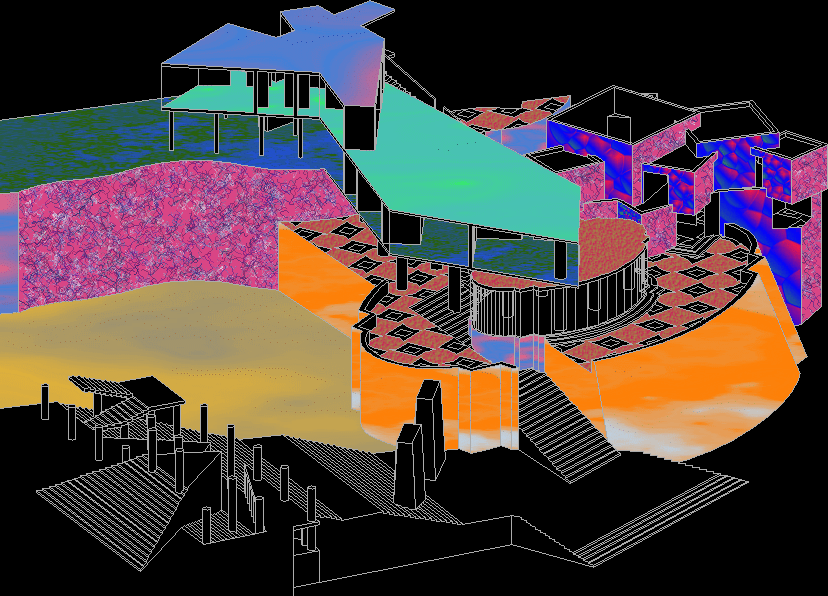
so what is the newest...
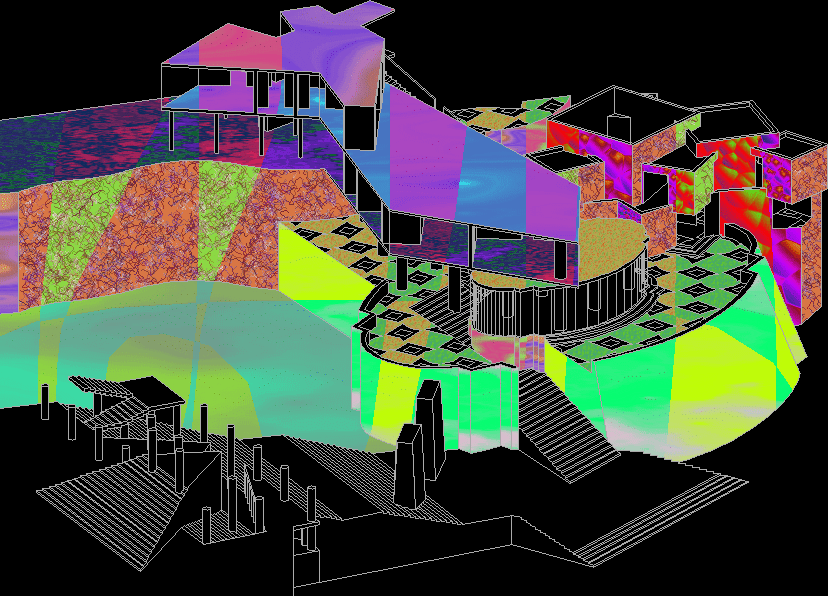
Architecture wasn't always a profession, and...
2004.02.05
Re: Declining Art Attendance
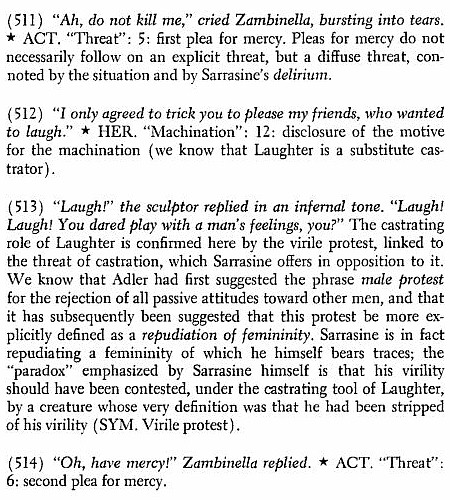
Somewhere in S/Z Barthes writes that laughter is the best form of castration. Is castration a high form of subversion? Well yes, if not also fatal.
I've always been a do-it-yourselfer, plus I've been architectural inclined since childhood and artistically inclinded since my architectural skills became computer-aided (1983), so in these 'wired' days it's somewhat natural for me to have DIY museums--me at my most subversive so far, you might say
Re: D.I.Y. Gallery
Apart from administering dosage after dosage of serious medications, real schizophrenia is something that a non-schizophrenic just cannot subvert.
Real schizophrenia, like my brother Otto is touched with, is very much an ultimate subversion itself.
About a half year ago, I was helping my brother clean up his room. I found a 20 year old vile half full of Thorazin tablets. That vile and its contents is now part of my art collection.
Ten years ago, I was working at Venue, my own DIY gallery. Five years ago, www.quondam.com was in the midst of a year long project entitled schizophrenia + architectures. These days I'm mostly working on writing a novel whose working title is Afterlife Address of Choice.
2003.02.05
Re: Do We Know What We're Doing?
We are all mirrors that have to see ourselves regardless?
|