2026.10.01
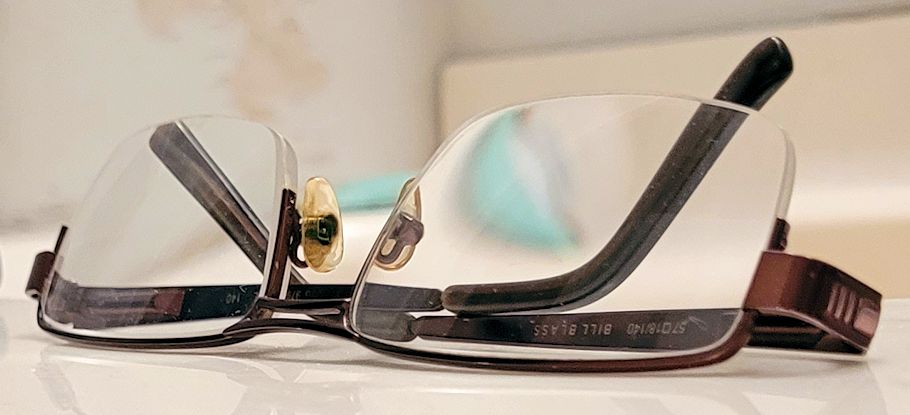
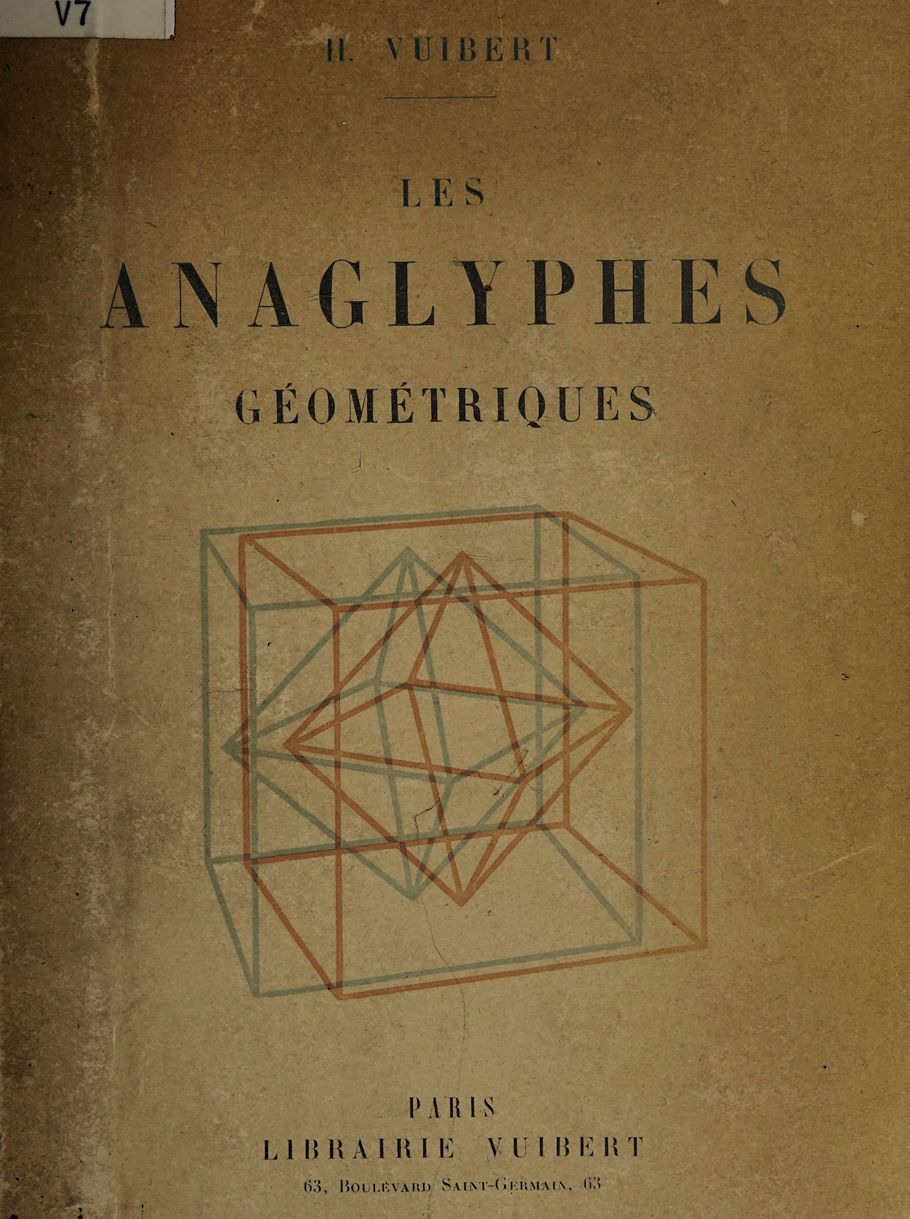
"He needed the book Geometric Anaglyphs...
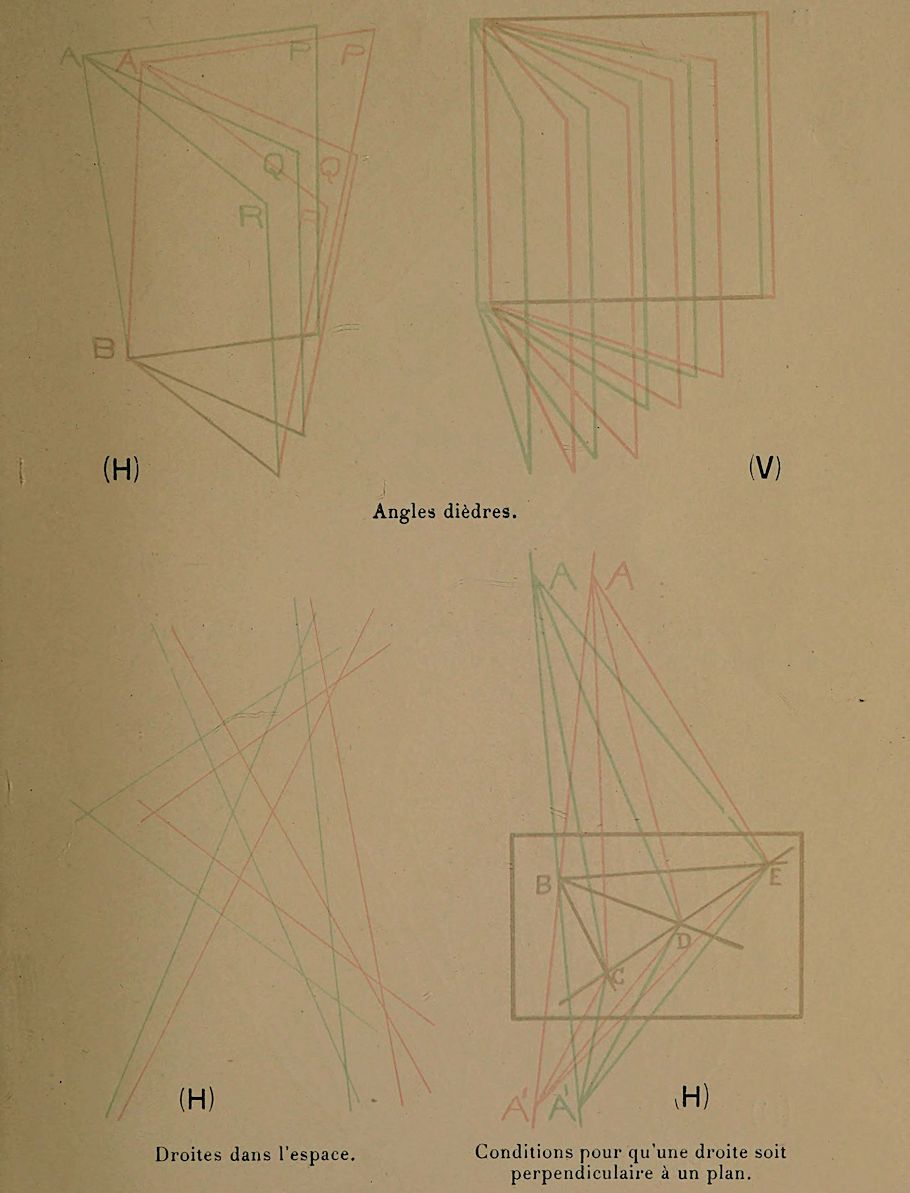
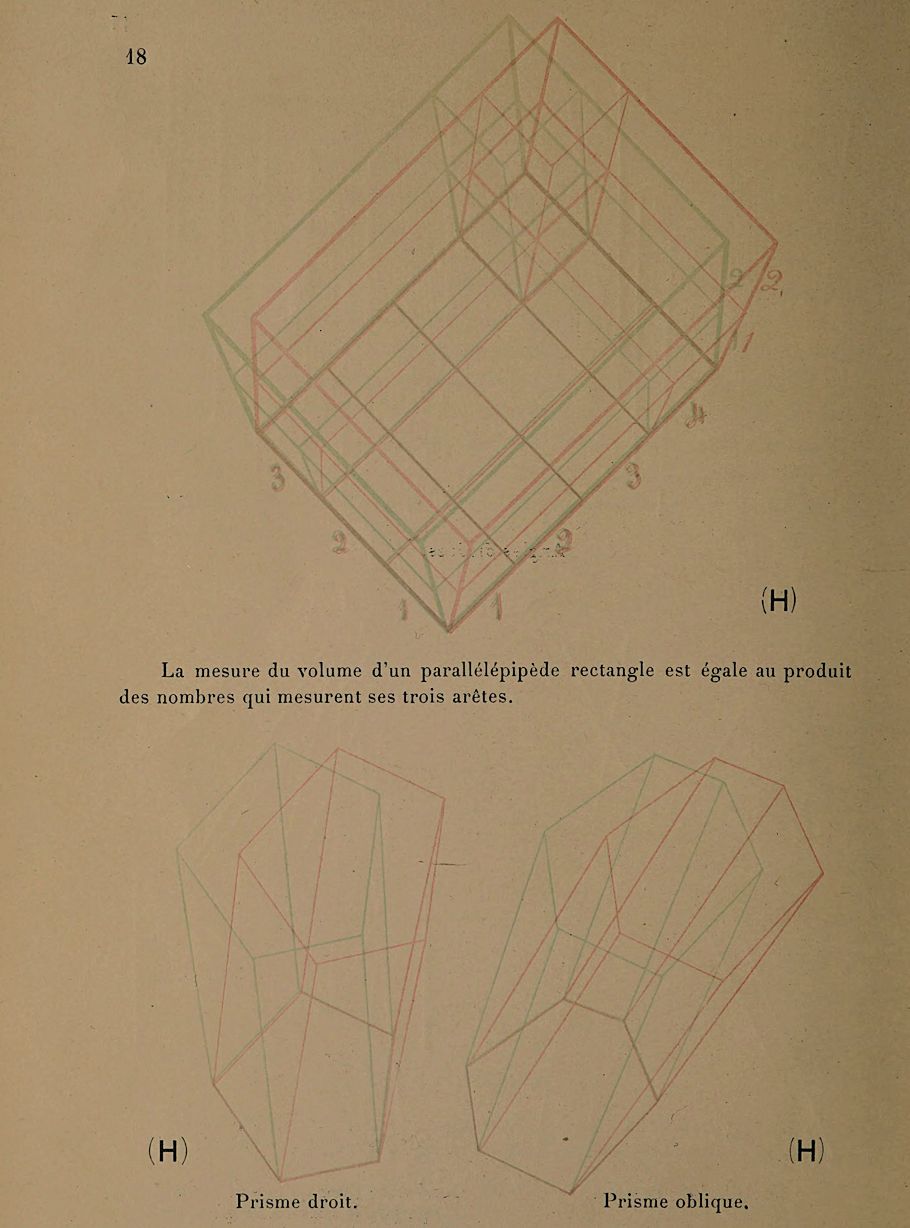
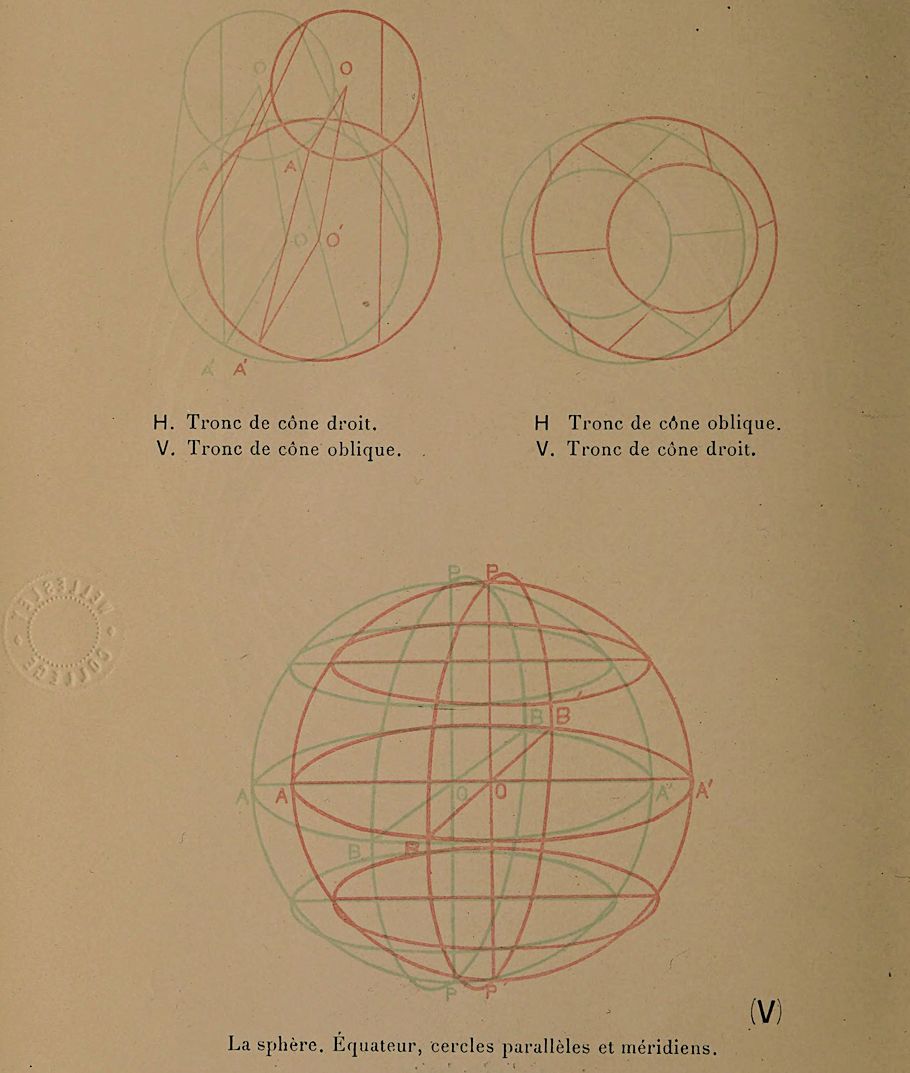
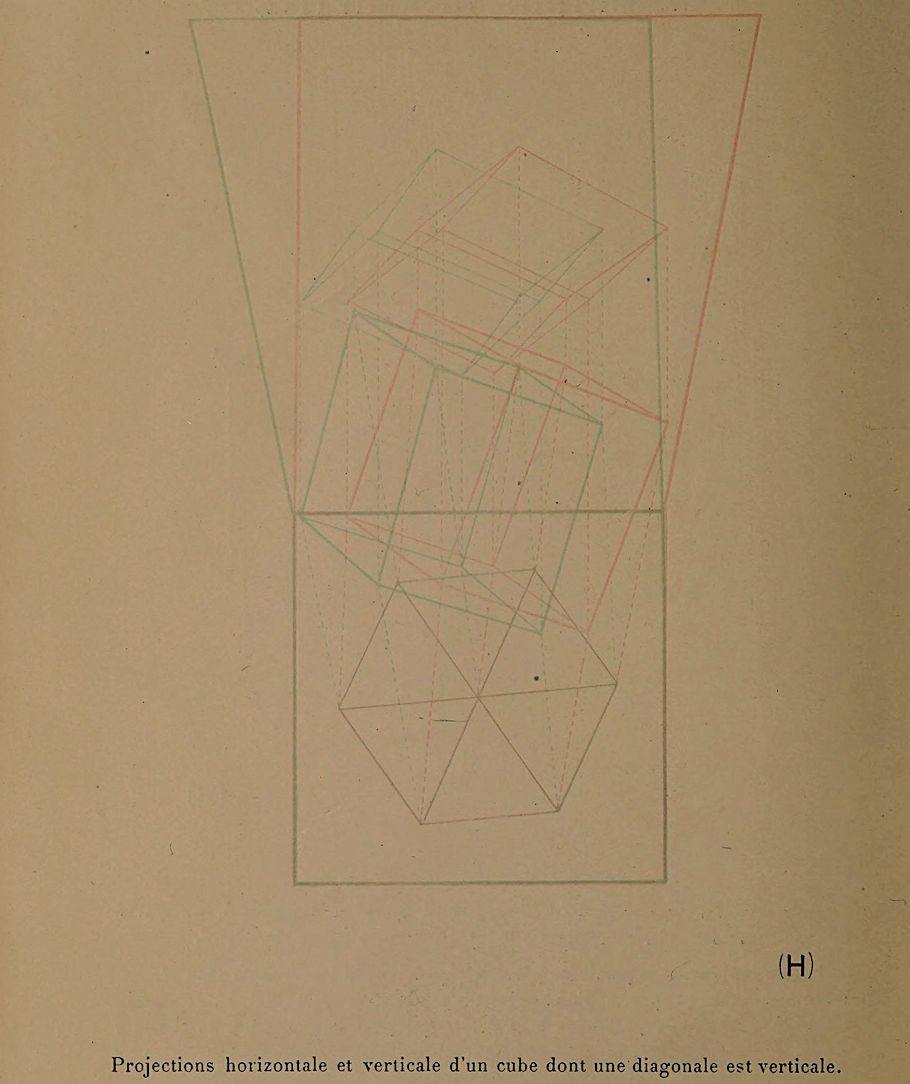
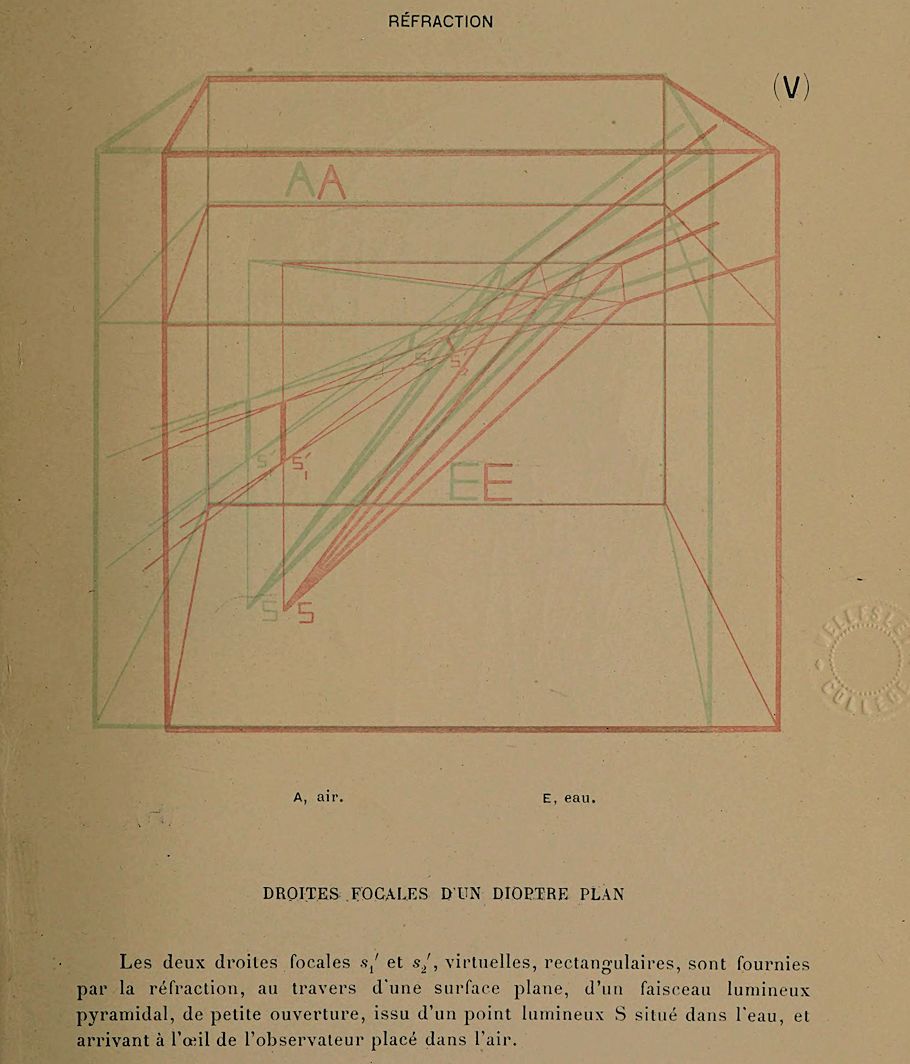
...to complete a printed image he was making of an unusual fireplace, to be included in a deluxe edition of his complete works."
Donald Shambroom Duchamp's Last Day p. 7
2025.10.01
2024.10.01
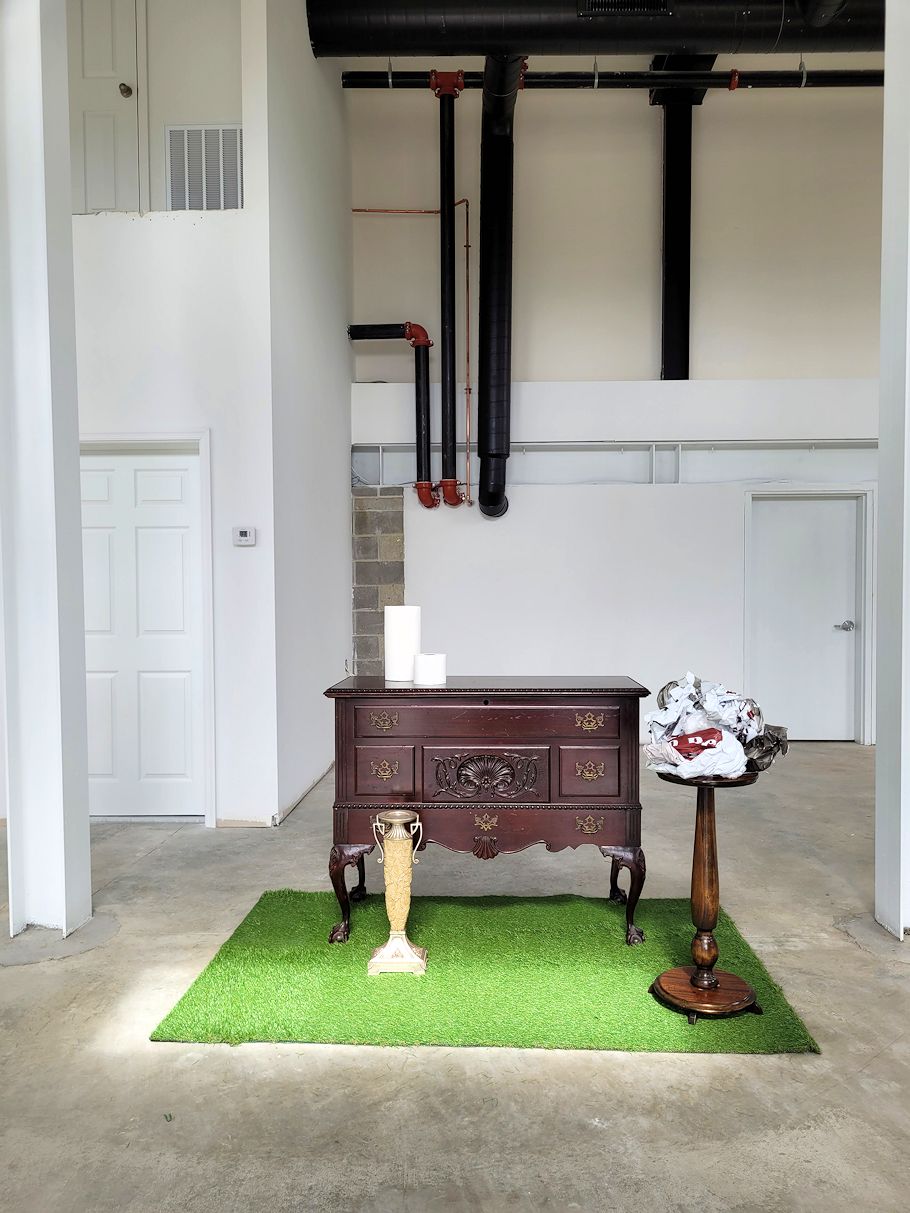
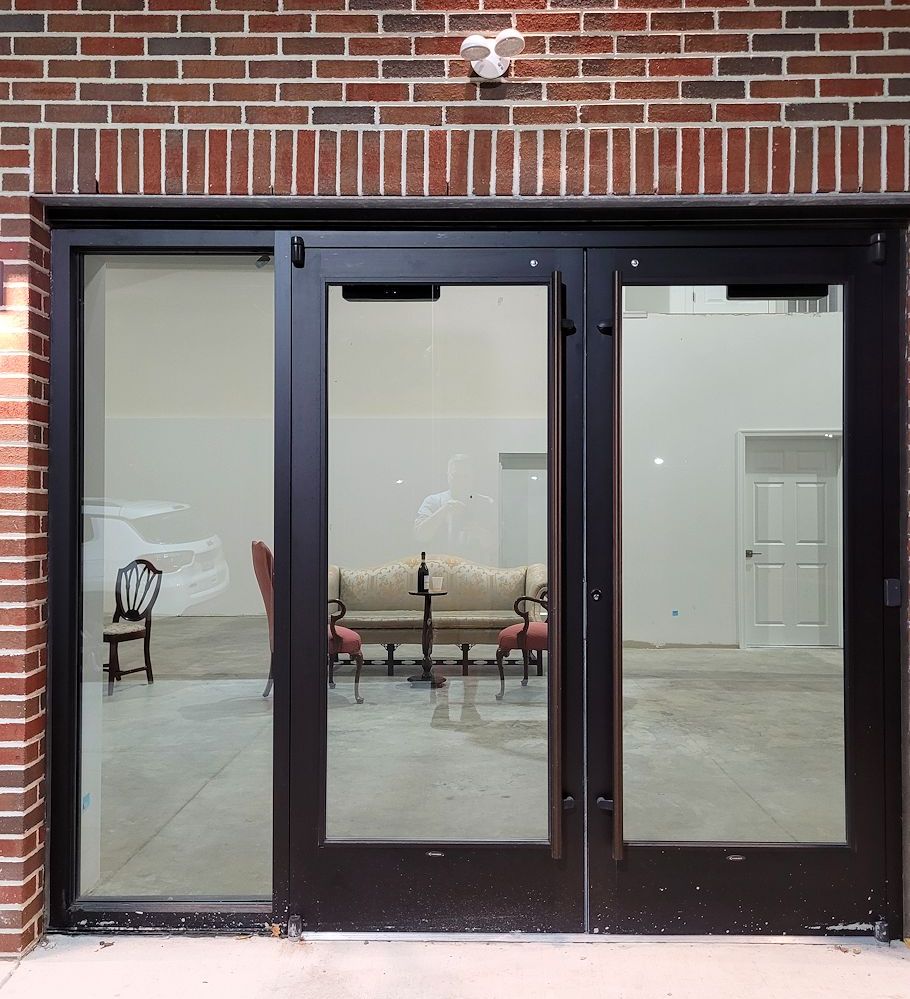
451 Rhawn Gallery
2020.10.01
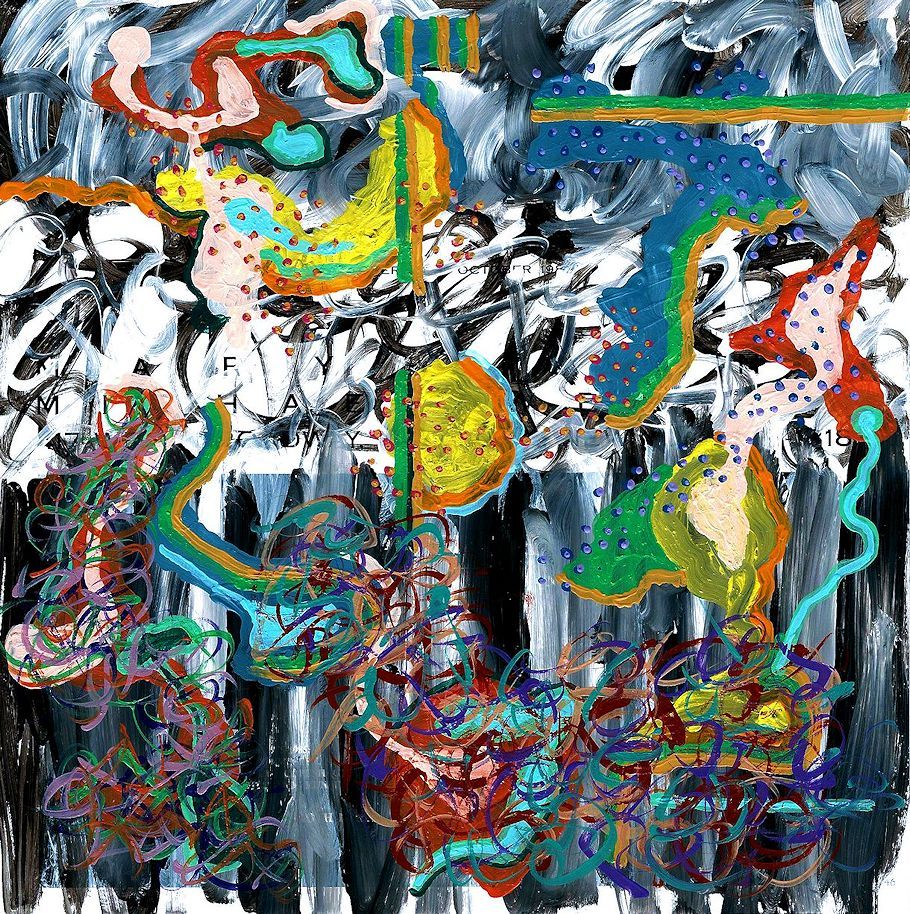
Mary Boone's 180 hours of community service hours 173 174 175
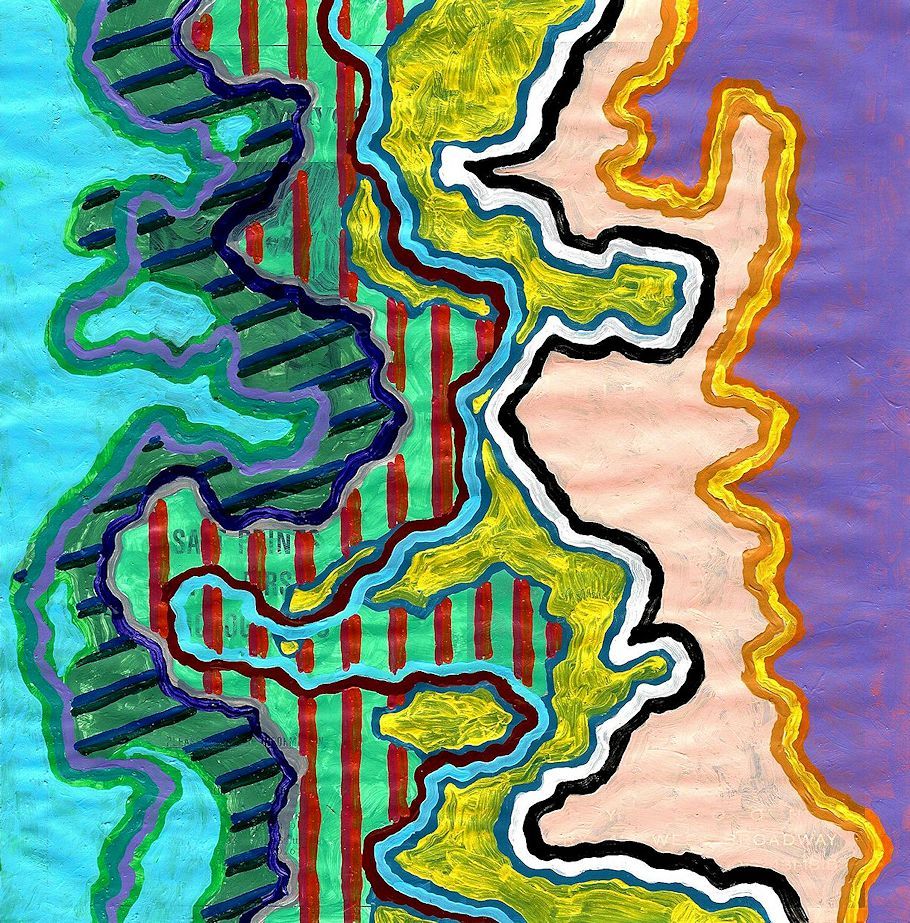
Mary Boone's 180 hours of community service hours 176 177
2018.10.01
negatives
2005.10.01
HATE
Modern art always "projects itself into a twilight zone where no values are fixed, he [Leo Steinberg] said. "It is always born in anxiety." Not only that, he said, it is the function of really valuable new Modern art to "transmit this anxiety to the spectator," so that when he looks at it, he is thrown into "a genuine existential predicament." This is basically Greenberg's line, of course--"all profoundly original art looks ugly at first"--but Steinberg made the feeling seem deeper (and a bit more refined). The clincher was Steinberg's own confession of how he had first disliked [Jasper] Johns's work. He had resisted it. He had fought to cling to his old values--and then realized he was wrong. This filtered down as a kind of Trubulence Theorem. If a work of art or a new style disturbed you, it was probably good work. If you hated it--it was probably great.
Tom Wolfe, The Painted Word
1983.10.01
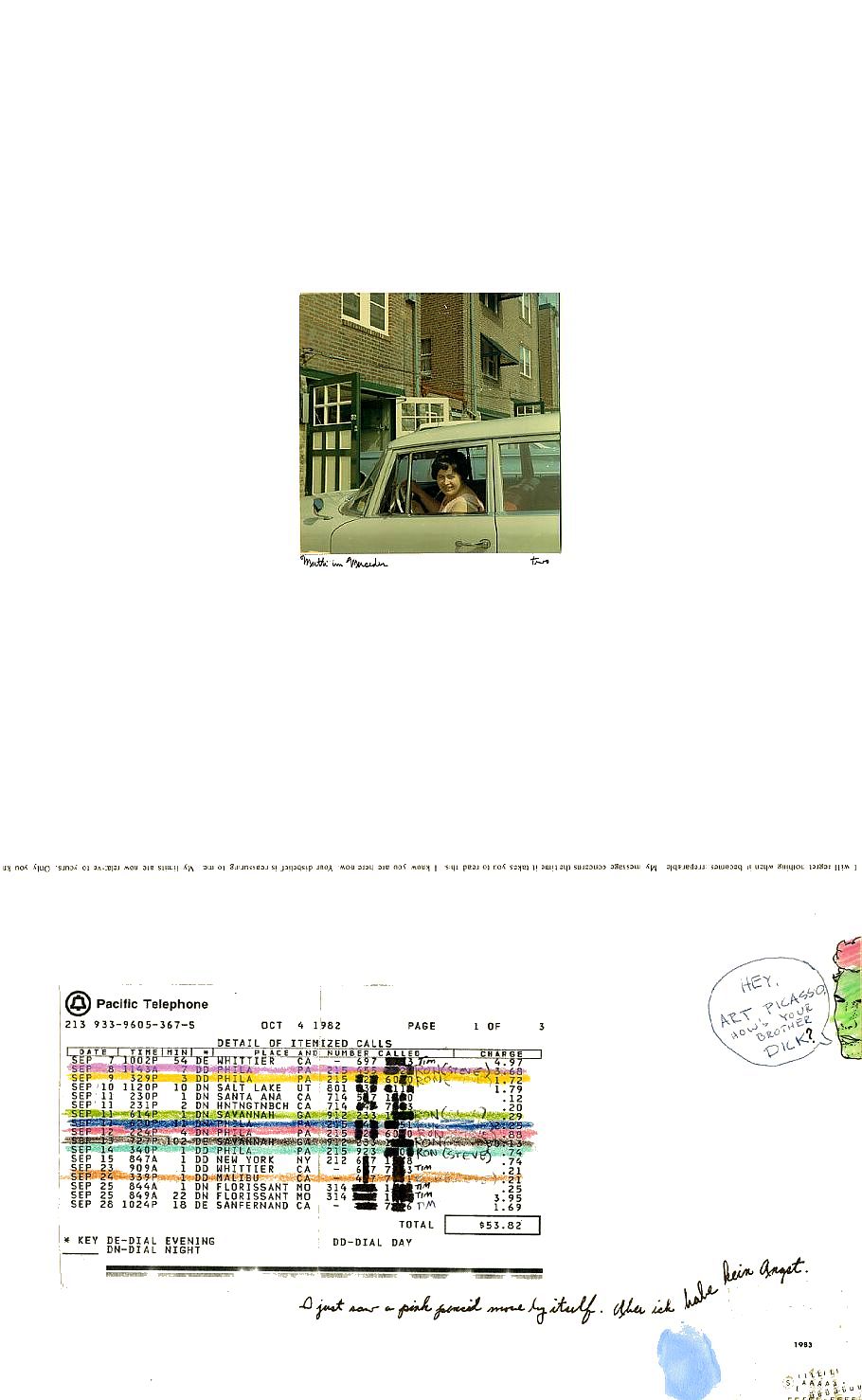
Hey Art Picasso How's Your Brother Dick? begins
1968.10.01
1968. Tuesday, Neuilly-sur-Seine
The Man Rays come for dinner and are seated talking to Marcel when Robert and Nina Lebel arrive. As Teeny greets them, Lebel catches sight of Marcel "abnormally pale", reminding him suddenly of those fine nineteenth-century pictures representing very great men: Socrates, Cato, or Leonardo da Vinci ... The vision fades as Marcel rises from his chair.
Man Ray has brought some magnificent photographs, which are handed round, including one of Marcel's birthday cake [28.7.1968].
They have dinner at the studio, Marcel is as frugal as usual with his food. He enjoys the pheasant, taking two helpings, which surprises and delights Teeny.
That afternoon Marcel had gone back to the old bookshop [22.9.1968] where he bought Les Anaglyphes Geométriques years before. He was absolutely delighted to find that they still had the same book, and he bought quite a few of them. At the same time he found a new edition of Alphonse Allais, a favourite author of his, and bought that too.
When everyone has finally left, Marcel goes to his armchair and starts reading Alphonse Allais, while Teeny heats milk for his usual drink before going to bed. While she is in the 'kitchen she hears him laughing aloud over one of the Alphonse Allais stories. His happiness makes her feel it had been a nice evening.
Ephemerides
1959.10.01
1959. Thursday, Paris
Publication by Le Terrain Vague of Marchand du Sel, writings of Marcel Duchamp, principally the notes of the Green Box [16.10.1934], the notices on the artists of the Société Anonyme [30.6.1950], and epigrams by Rrose Sélavy [19.4.1939], assembled and presented by Michel Sanouillet with a bibliography by Poupard-Lieussou. Glued and folded inside the front cover is a captioned illustration on cellophane of the Large Glass, photographed by Marcel Jean in Philadelphia, which Duchamp has numbered by hand to identify each element [25.10.1958]. The title of the book is inspired by a line from Rrose Sélavy by Robert Desnos [1.12.1922].
Ephemerides
1943.10.01
1943. Friday, New York City
After living for a year in the room sublet to him by his friends the Kieslers at 56 Seventh Avenue [2.10.1942], Duchamp moves around the corner to 210 West 14th Street. In a converted mid-nineteenth-century town house, on the top floor, reached by four flights of stairs, for $35 a month Duchamp rents the front room, measuring about 17 feet by 20, which is lit by a north-facing, floor-to-ceiling skylight. He shares the bathroom off the hallway with the occupants of the other two small living quarters on the same floor.
Ephemerides
|