2026.09.24
"a silly millimeter longer"
Duchamp was fond of the number three and Three Standard Stoppages is now regarded as having introduced the principle of chance to modern art. The artist created the work for his own 'amusement', to escape from the hand and the merely retinal, and to pursue his liberating quest 'against logical reality'. He described it as a 'joke about the meter--a humorous application of Riemann's post-Euclidean geometry which was devoid of straight lines. The French 'stoppage' translates as 'invisible mending', and upon close examination of the original Three Standard Stoppages at New York's Museum of Modern Art in 1999, the scholars Stephen Jay Gould (1941-2002) and Rhonda Roland Shearer (b. 1954) discovered that, contrary to the artist's statements, the threads are longer than 1 meter. The threads were sewn through a needle hole at each end of the canvas to help shape the curved lines visible from the front of the strips that are fixed onto glass. Therefore, while the threads appear to be 1 meter in length, they are in fact slightly longer as several centimeters remain invisible, hidden underneath the canvas through which they are sewn. Did Duchamp anticipate that the intricacies of the work would eventually be found out when, in 1914, he referred to his Three Standard Stoppages as 'canned chance'?
Thomas Girst, The Duchamp Dictionary (2014), p. 176-7.
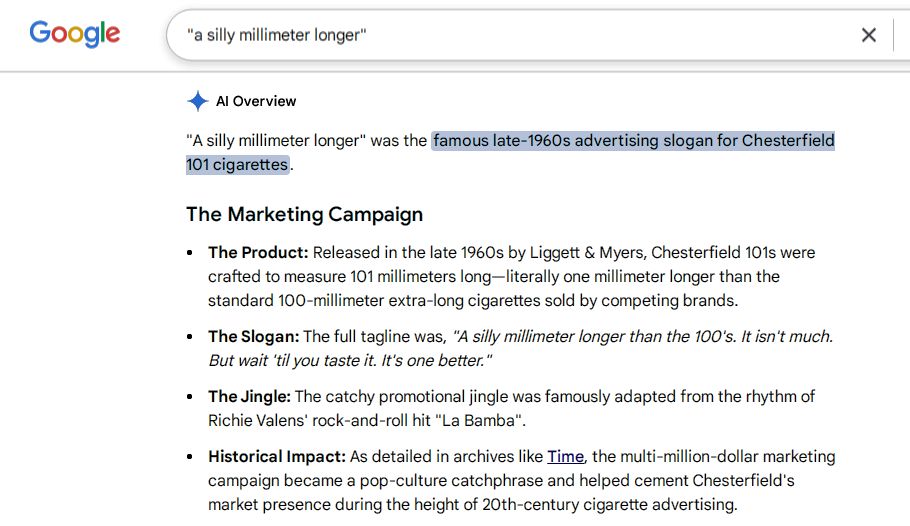
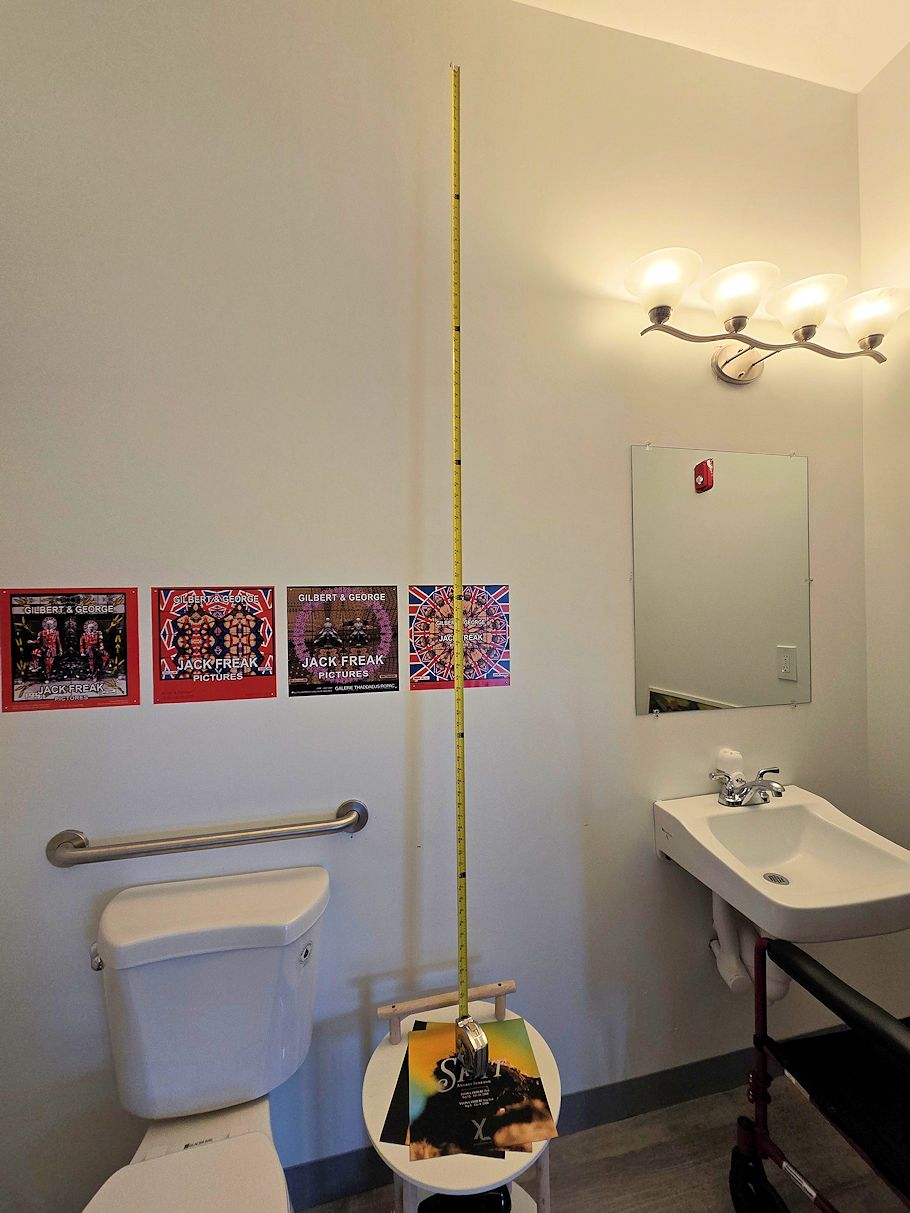
Stephen Lauf Precarious Readymade: Every Inch a Gentleman 2025.07.26
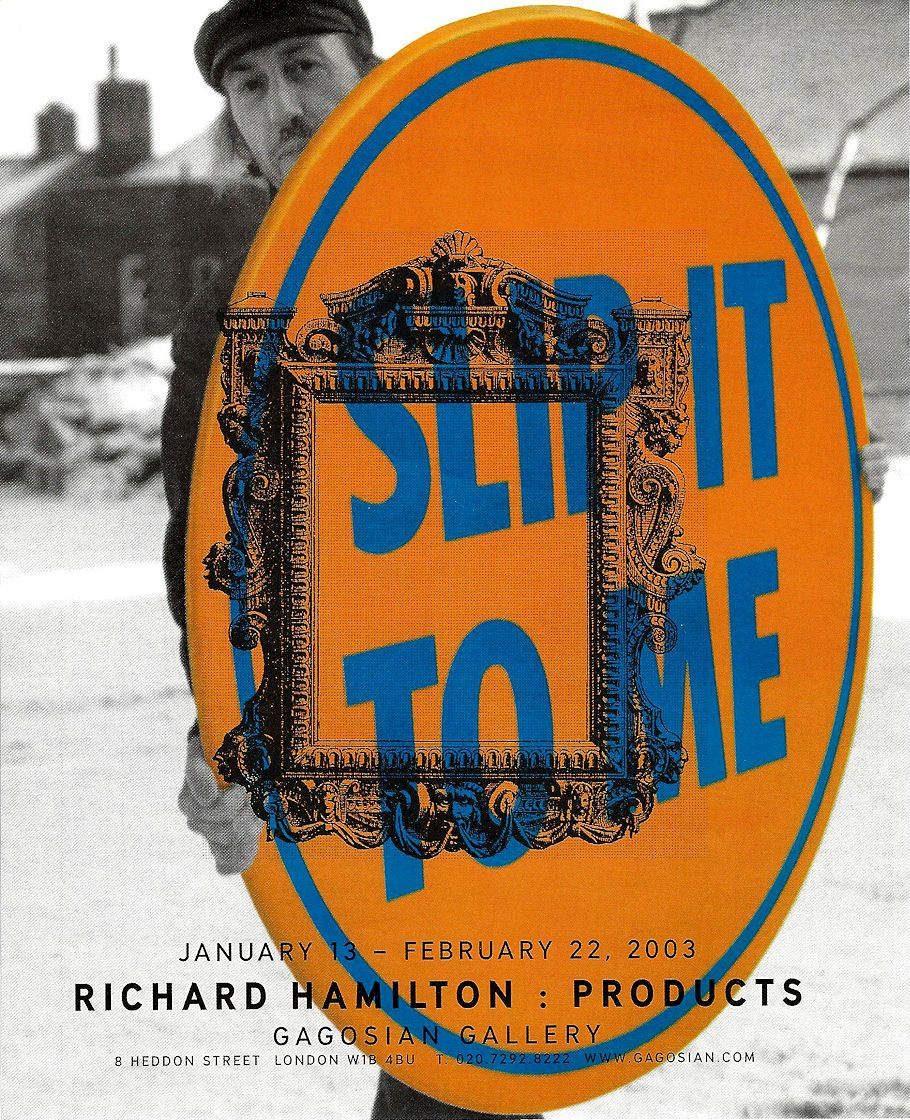
Stephen Lauf The Advertising of Art 029 2013.06.09
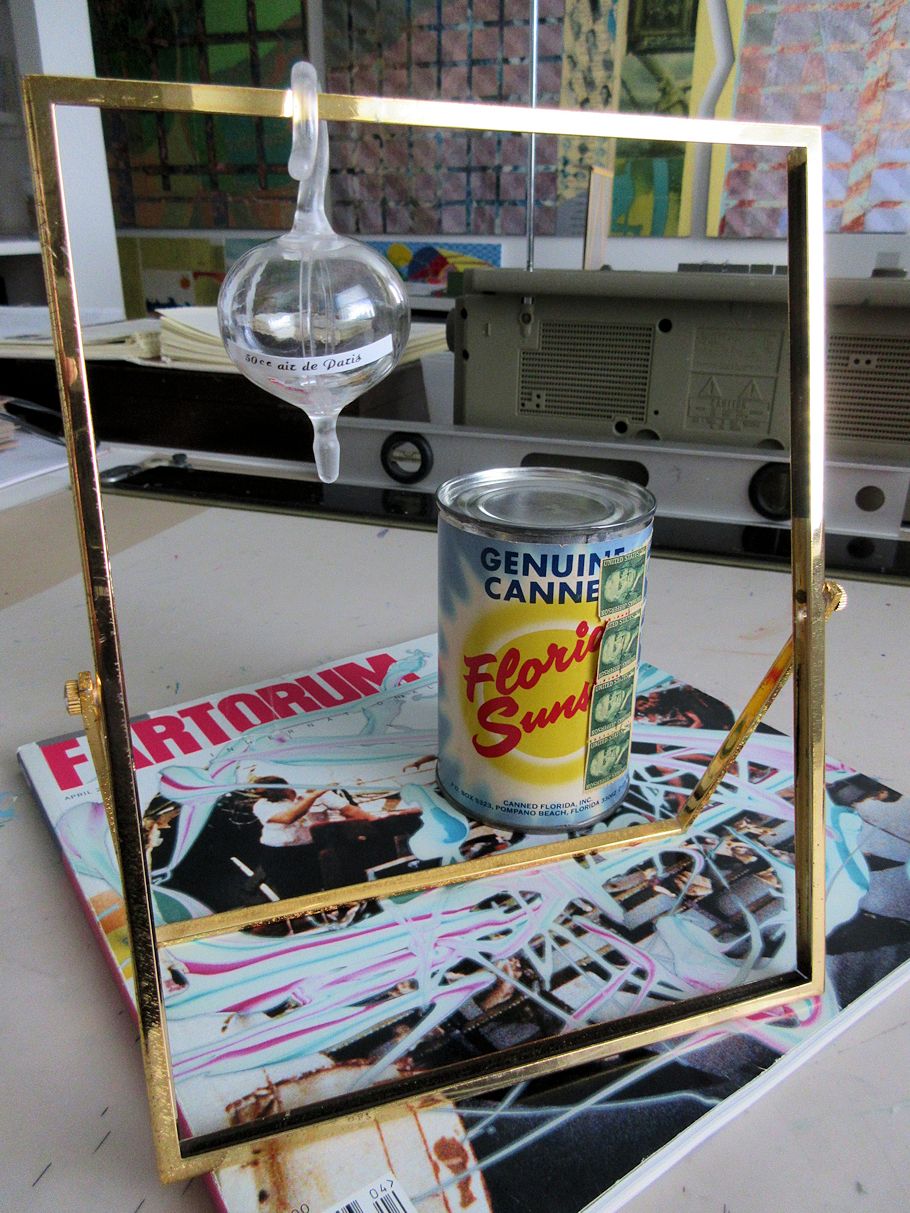
Stephen Lauf All Reality is Relative to the Vastness of it's Container 2026.04.30 17:04
2025.09.24
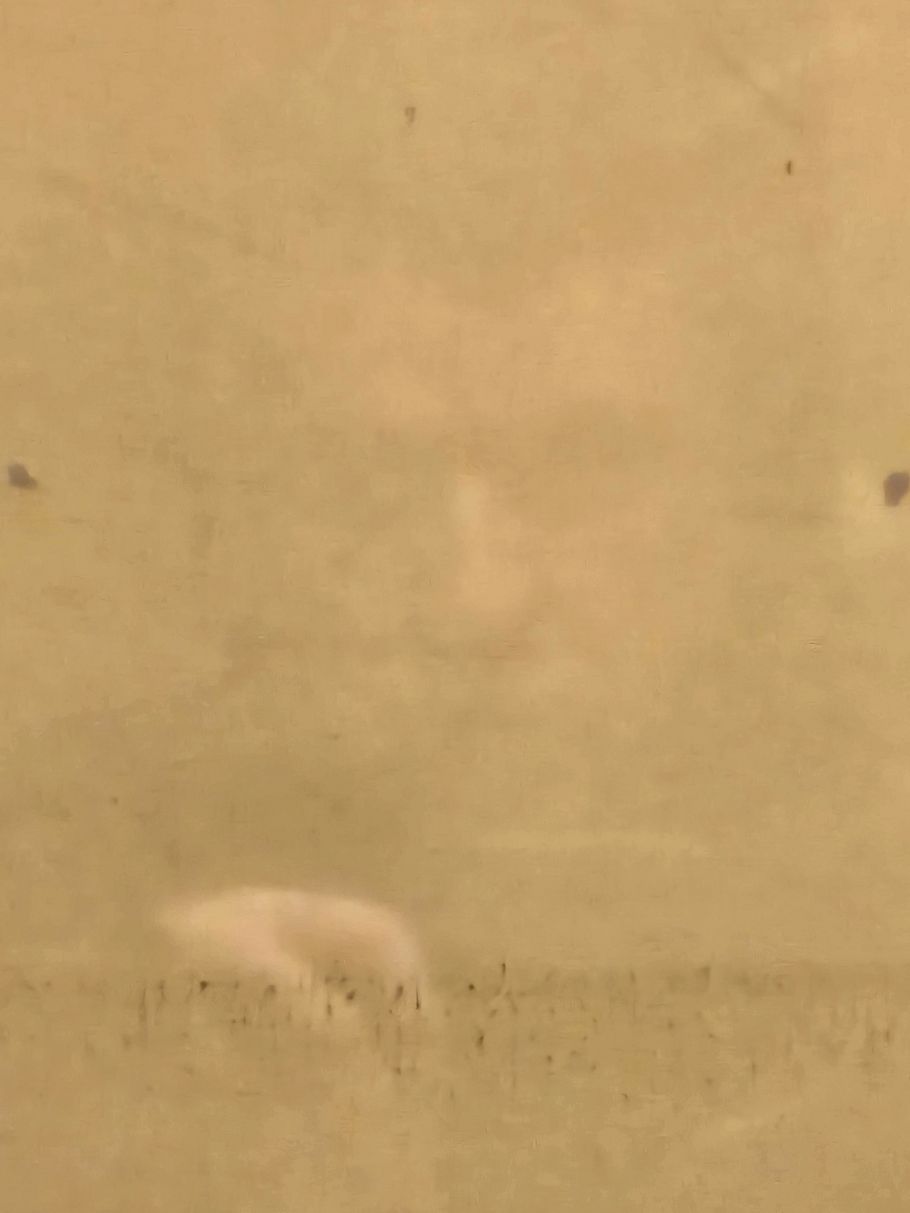
in the sunbeam dust
2024.09.24
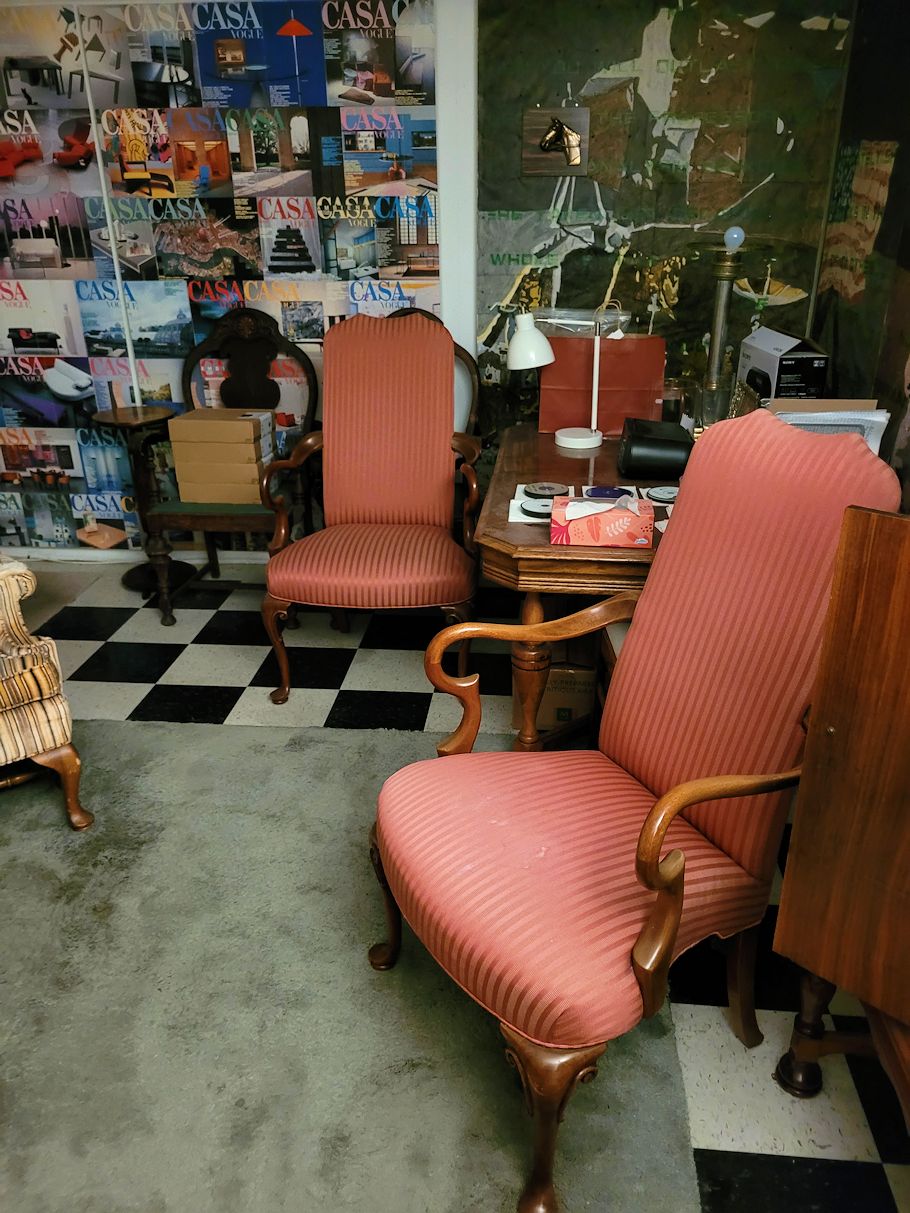
waiting room
2023.09.24
From The Discovery of Piranesi's Final Project:
24 September 2023 Sunday
Say stuff about being happy that Francesco inhabits all of Piranesi's Circus of Caracalla story, from being Pierre-Adrien Pâris's student in 1772-3 to the publication of Calcographie des Piranesi, ou, Traité des arts d'architecture, peinture et sculpture: développés par la vue des principaux monumens antiques et modernes in 1804. Francesco is essentially the secret protagonist of the entire Piranesian "Circus of Caracalla" saga. The key to Piranesi's final project, turned out to be a lifetime project for Francesco.
"It always seemed as if Francesco was leaving clues, mostly because there are no explanations for the disparate Circus-of-Caracalla-related artifacts he later published." --Lauf 2023.09.22
Yet, the Circus of Caracalla, albeit among other things, also appears at the very beginning of Piranesi's career. The difference being, where Piranesi, except at the very end, was about being doubly theatrical, Francesco was always about being accurate--from baroque epilogue to modern frontispiece.
2017.09.24
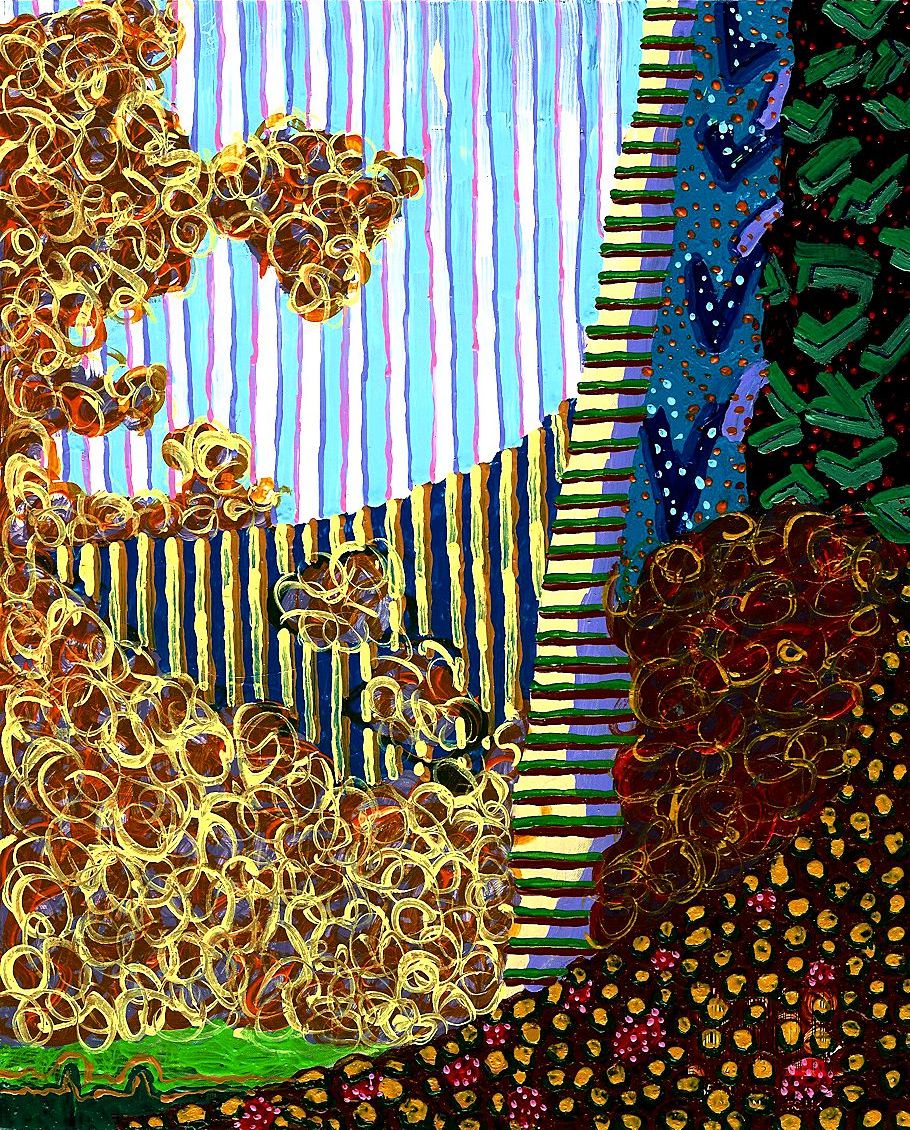
zero nine three
2008.09.24
How can a building be 'critical'?
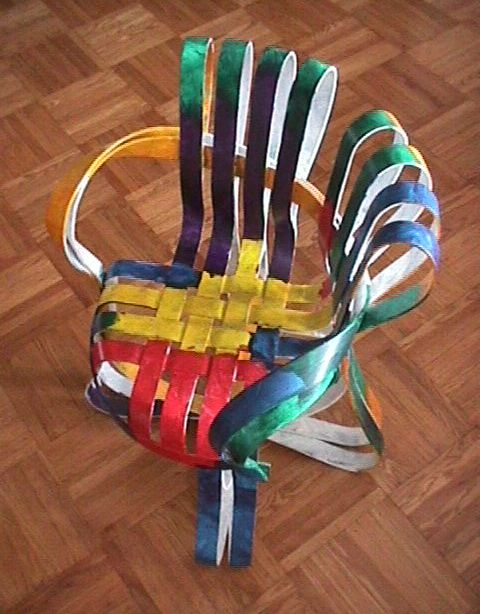
Eventually I'd like to see Museumpeace [the now non-existent chair] in a cell at Eastern State Penitentiary. And then call it Crime and Punishment, and be done with it.
2005.09.24
Stuff you find incredibly interesting, but aren't an expert on yet.
buying land in Greenland
people's jealous reactions
grand parenting
levitation
Arabic
laws of silence
educated stupidity
Greg Lynn Form VS Dildo Arch-Studio
"Nothing useful ever comes out from these threads..."
...talk about posts to express denial.
I'm not an expert, but I am interested in the subliminal effect of costly tuitions. I mean, how can you not automatically defend that which cost you so much to learn?
No one ever tells you how much fun it is to bite all the hands that don't feed you.
2004.09.24
Solution to the Unknown
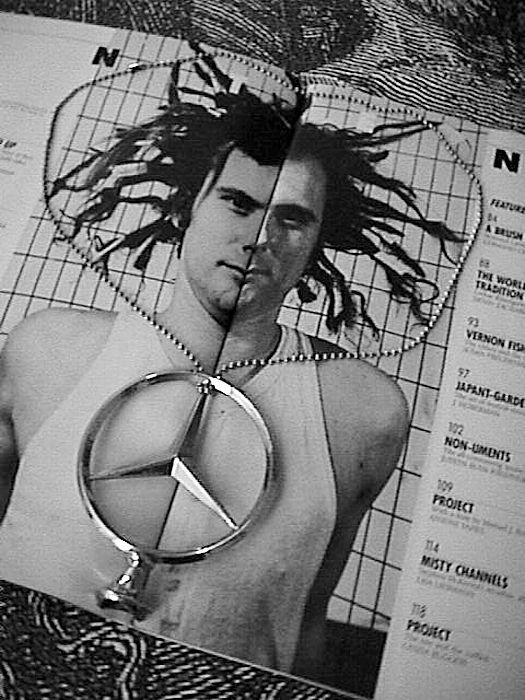
iheartberlin.jpg
especially now!
2003.09.24
Poll for Writers
Boy Meets World meets Lost in Space--kind of like déjà vu meets soup du jour the next day.
Soap meets Seahunt
Taxi meets The A Team in The Streets of San Francisco
Perry Mason meets Ali McBeal (in the Ballroom with the lead pipe)
Bonanza meets Queer Eye for the Straight Guy
All in the Family meets Dark Shadows
That Girl meets The Waltons
1984.09.24
1965.09.24
1965. Friday, Neuilly-sur-Seine
Richard Hamilton arrives from London for the weekend to discuss details for constructing another replica [5.9.1961] of the Large Glass for the forthcoming exhibition at the Tate Gallery.
*
Duchamp receives a telegram from, Dr Wieland Schmied confirming that he will be at the station in Hanover on Tuesday morning.
Ephemerides
1964.09.24
1964. Thursday, Neuilly-sur-Seine
Thanks Richard Hamilton for his letter and the one to SEPA, the printer in Rome making the cliché for the Cordier & Ekstrom catalogue [8.9.1964]: "Everything very clear for us--but will they understand?" Marcel wonders. "Hope that by Friday Oct. 9th when we arrive in London," he continues, "you will have an answer to your letter," and adds, "Teeny and I both looking forward to being with you and the children."
Ephemerides
1954.09.24
1954. Friday, New York City
In the afternoon at five Duchamp meets Monique Fong [21.7.1954], who is going back to Europe for a year.
Ephemerides
|