2026.08.30
fyi
Unbekannt "I live in the neighborhood of Fox Chase, and not in the neighborhood of Hedgehog Chase." 2026.08.30 00:05
waiting...
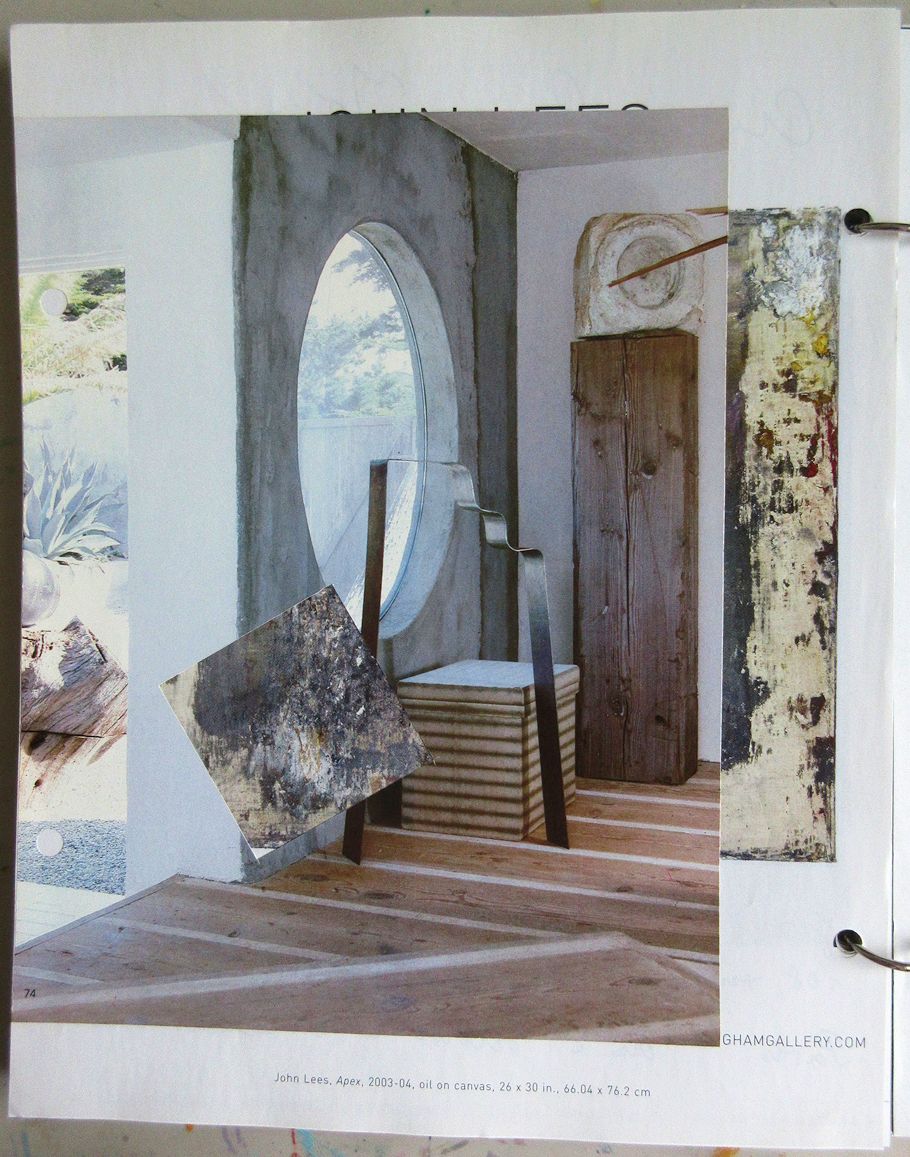
Stephen Lauf ...for the spectator to complete 118 2026.08.30
2025.08.30
451 Rhawn Gallery
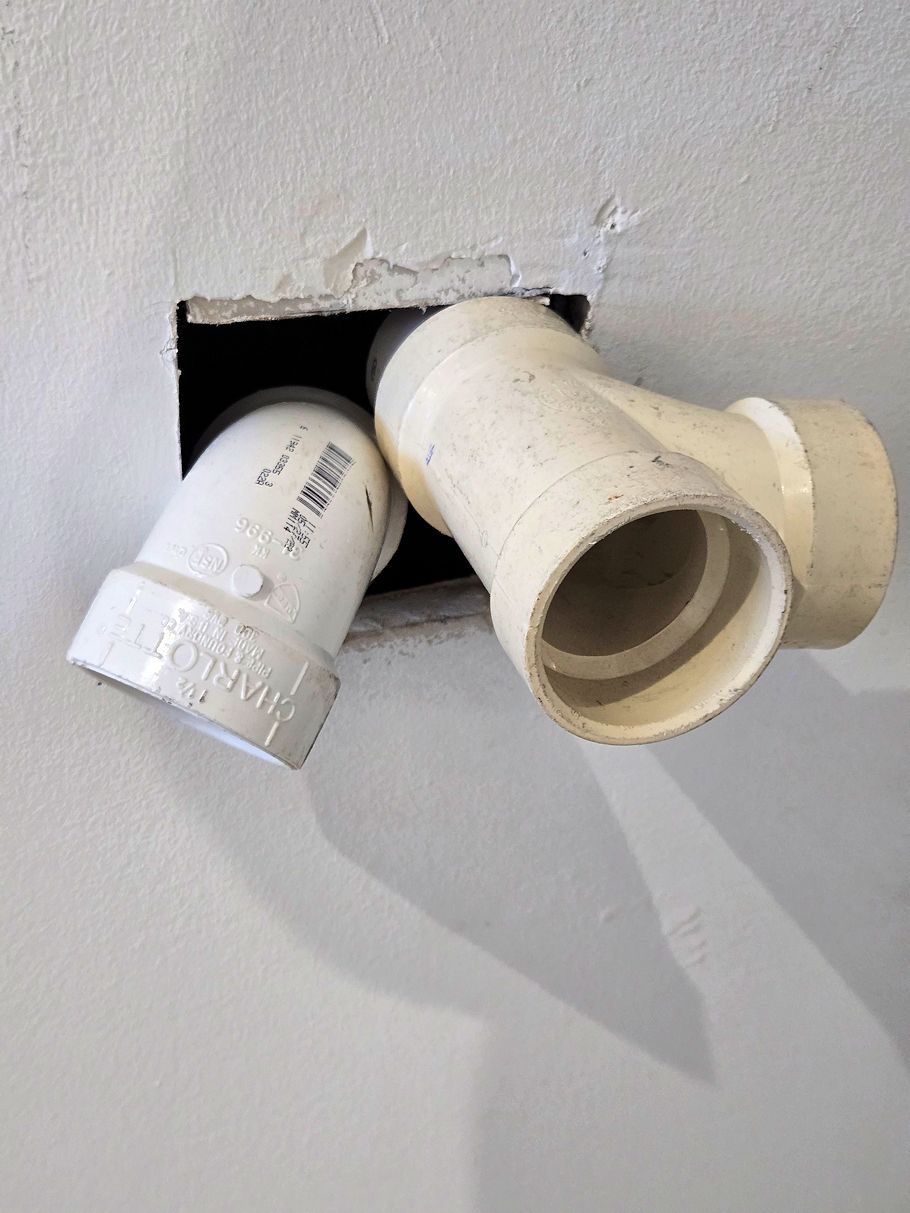
Stephen Lauf ...this sculpture lasted only four minutes; thank God someone invented the camera! 2025.08.30
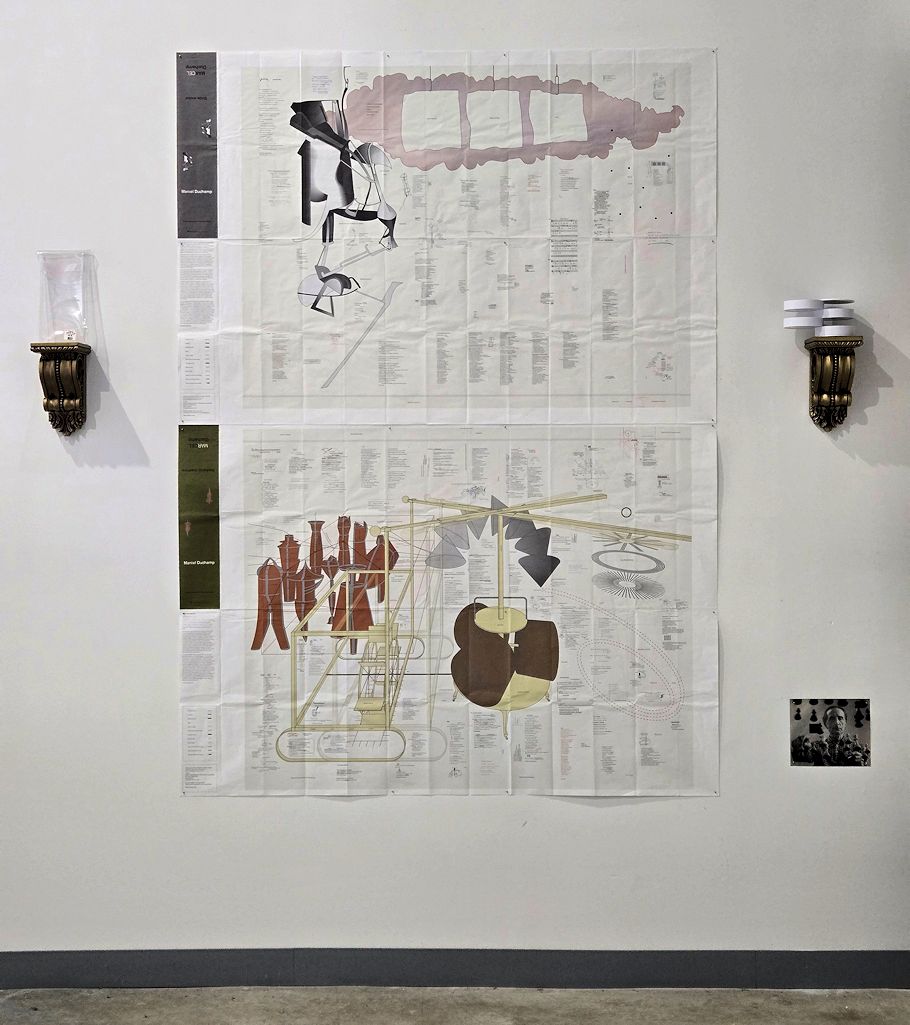
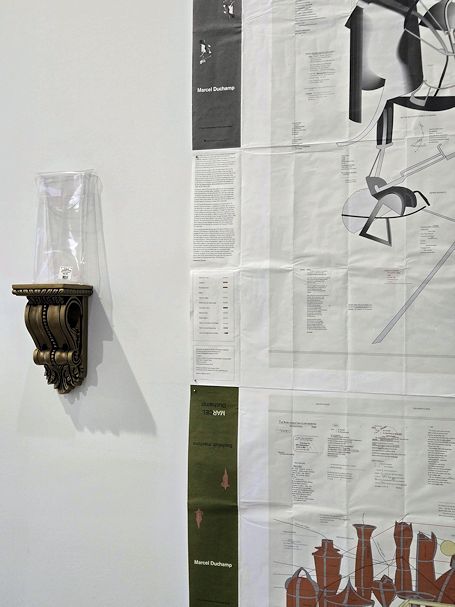 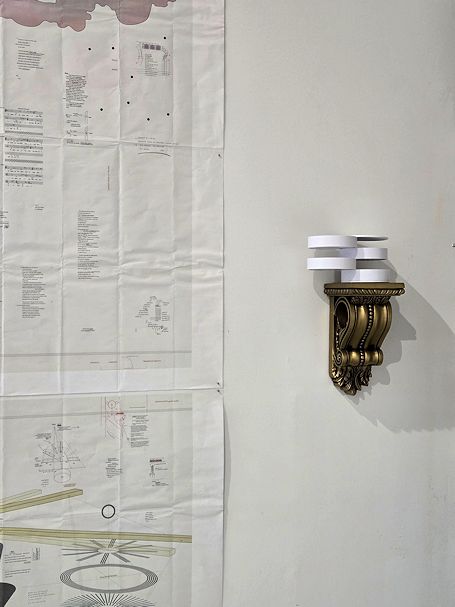
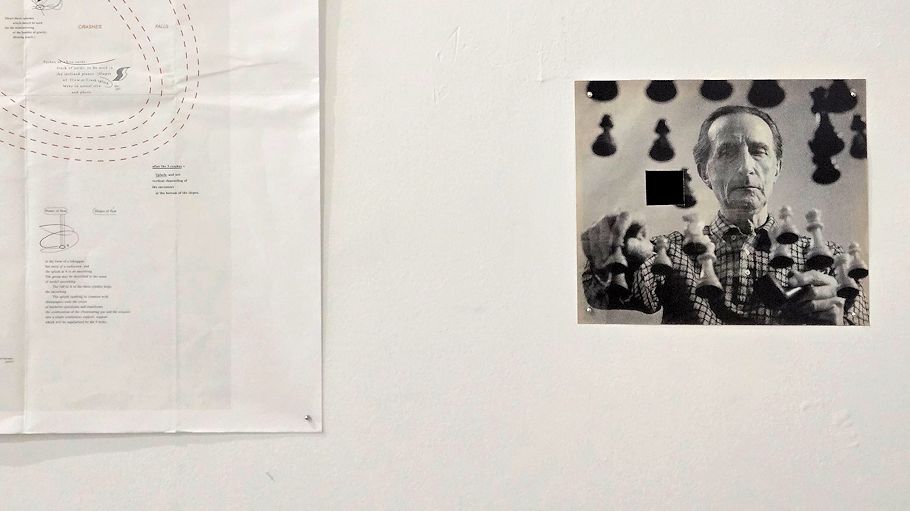
Stephen Lauf I wonder if this is on exhibit anywhere else in the world right now 2025.08.30
2021.08.30
2008.08.30
Theory needed: contextualism/transparency
Amidst the sporadic droolings of the high mid-summer's night cloud...
No, shift it, then park it.
But you didn't pay me yet. Cough it up!
Lunch in Milano?
No, a lunch of Milanos.
Discriminating palate.
He defines animality as immediacy or immanence. To explain what he means, he uses as a starting point the scenario of one animal eating another.
Animal crackers?
No, Sociables!
But Mulhall argues that this immediacy and spontaneity could never amount to late night light snack, so he digs into the topic of animality in Heidegger.
The imported beer.
No, the Bataille.
Yes, he suggests that for the animal nothing is given through time.
Herr Katzenjammer wo bist du?
Sexy Dubai. [This video has been removed for violating YouTube's Terms of Service.]
Are we there yet? I'm hungry.
2005.08.30
Hi, Gorgeous. Haven't I Seen You Somewhere?
Just to clarify, the readymades of Duchamp pictured in "Readymade Reenactment" are not actual "original" readymades, rather specially made reenactments of the "original" readymades that no longer exist.
Yes, my idea is worthless, and that's why agfa8x is so eager to know what it is.
I think it's interesting that most human teeth reenact themselves.
Since our minds reenact our perceptions, is that an indication that the operation of mental reenactment is somehow already coded in our DNA?
1977.08.30
August 30, 1977. Tuesday, Hadrian's Villa Villa d'Este
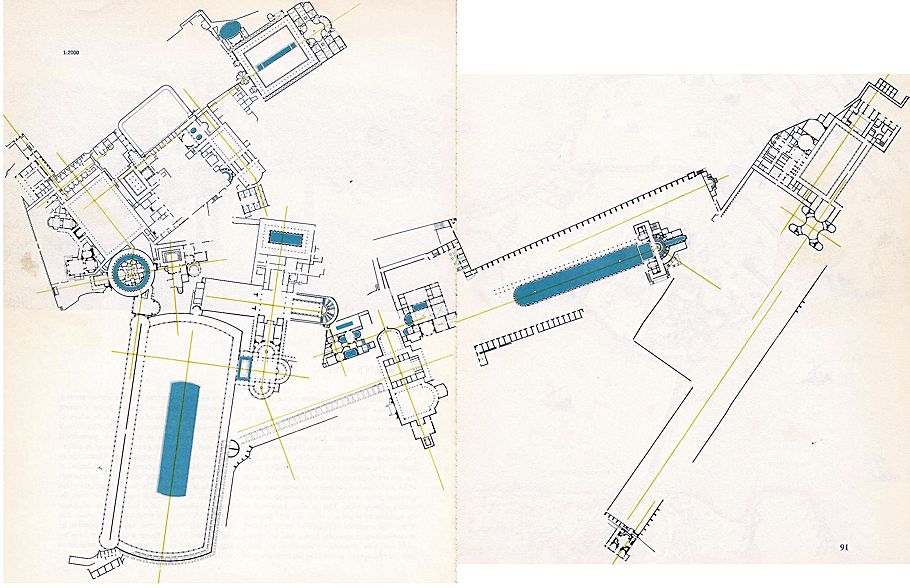
I carried Edmund Bacon's Design of Cities open to pages 90 and 91 throughout my tour of Hadrian's Villa because of the plan of Hadrian's Villa in the book. "Professor Pron" followed me throughout the villa because I had an actual plan of the place. Directly behind the Canopus was a fence marking the edge of the park, but the plan in Design of Cities showed some plans further beyond the fence. Pron jumped the fence and started walking through the overgrown field toward a cluster of trees. I followed but also asked myself, "Do we really think we're going to find something?" We're both probably lucky we didn't just get bit by something.
At Villa d'Este there are two busty sphinxes with water spouting out their nipples at the top of the railings either side the cascading central axis. Just as I suspected, if you stop the flow of one nipple, then the water projects twice as far out the other nipple.
1968.08.30
1968. Friday, Cadaqués
Accepts an invitation from Ms Cunningham of the Art Institute to attend a luncheon for the Press in Chicago on 16 October, prior to the members' preview (scheduled for the next day) of the exhibition "Dada, Surrealism and their Heritage" [27.3.1968]. Duchamp also writes to Brookes Hubachek giving him their programme and plans for visiting Chicago.
Ephemerides
1952.08.30
1952. Saturday, Cazenovia
Invited as the guest of honour at the New York State Chess Association's convention, Duchamp addresses the members at the banquet:
"It is not very often that anyone is a guest of honour at a chess convention, because chess players are very discriminating critics. I am therefore doubly happy that the great New York State Chess Association has selected me for that honour this year. I am very thankful and most appreciative.
"Of the three main aspects of chess, as I understand it, the first--the contest between two minds--may be the most attractive to the majority of players, as it satisfies, in a peaceful way, the natural instinct of competition in man.
"The second aspect--the application of scientific methods to chess--has for its aim the clarification of ideas in a game already too complex for the limitation of the human mind.
"Personally I have been more interested in the third aspect--the artistic side of chess.
"Objectively a game of chess looks very much like a pen-and-ink drawing, with the difference, however, that the chess player paints with black and white forms already prepared instead of inventing forms as does the artist.
"The design thus formed on the chessboard has apparently no visual aesthetic value and is more like a score of music which can be played again and again.
"Beauty in chess does not seem to be a visual experience as in painting. Beauty in chess is closer to beauty in poetry; the chesspieces are the block alphabet which shapes thoughts; and these thoughts, although making a visual design on the chessboard, express their beauty abstractly, like a poem.
"Therefore, the aesthetic source in chess is imagination, inventiveness. The pieces are moved about the board according to strict rules and the winner, following his flights of imagination, brings about the winning pattern. But then again, beautifully elaborated combinations and strategic conceptions tell an ideographic story through a series of moves and become a real visual pleasure.
"Actually, I believe that every chess player experiences a mixture of two aesthetic pleasures: first the abstract image akin to the poetic idea in writing, second the sensuous pleasure of ideographic execution of that image on the chessboards.
"From my close contact with artists and chess players I have come to the personal conclusion that while all artists are not chess players, all chess players are artists.
"Thank you."
Ephemerides
1950.08.30
1950. Friday, Binghamton
"Lou and Walter Arensberg ask me to go to Philadelphia and look again with you at the disposition of the rooms that eventually you will consecrate to the collection," writes Duchamp from the Arlington Hotel [26.8.1950] to Fiske Kimball, director of the Philadelphia Museum of Art. As he is staying in Binghamton until 5 September, Duchamp proposes to go to Philadelphia on 7 September if Kimball can see him that day.
Ephemerides
1936.08.30
1936. Sunday, West Redding
At eleven o'clock Walter Buschmann is due to return to The Haven [19.7.1936] with his various cameras and enough films or plates to take photographs of the Large Glass [5.2.1923] now installed with Tu m' [8.7.1918] in Miss Dreier's library. Duchamp is particularly anxious to have large negatives made of both these works so that the prints from them do not require any enlargement. For one photograph, which includes not only these works but also the collector and the artist, Buschmann seats Miss Dreier at the refectory table and poses Duchamp in his pale cotton pullover standing facing her exactly in the centre of the composition, his back touching the frame on the left side of the Large Glass.
Ephemerides
1935.08.30
1935. Friday, Paris
Opening of the 33rd Concours Lépine, the Salon des Inventions, at the Pare des Expositions, Porte de Versailles, where Duchamp has taken a tiny stand of three square metres [2.8.1935] to exhibit Rotorelief (Disques Optiques). In a joint venture with Henri Pierre Roché [20.7.1935], 500 sets of six coloured cardboard discs have been produced, each one printed recto verso with original motifs drawn by Duchamp, and designed to be placed on a gramophone. Turning at a certain speed the discs give an impression of depth, the optical illusion being more intense when viewed with one eye. In addition to the abstract images used for Anémic Cinéma [30.8.1926], Corolles [5.12.1934], [Sein-]Cage, and Spirale blanche, with the general public in mind Duchamp has devised some easily recognizable forms: Œuf à la Coque, Lanterne chinoise, Lampe, Poisson japonais, Escargot, Verre de bohème, Cerceaux, Montgolfière and Eclipse totale.
Situated in alley F, stand number 147 is "a regular carnival" with some of the discs turning horizontally and some vertically. Sandwiched between incinerators and a rubbish-compressing machine on the left and an instant vegetable-chopper on the right, Duchamp's invention, which is awarded an "honourable mention" in the Industrial Arts category, goes practically unnoticed by a public more interested in searching for useful gadgets.
Ephemerides
1913.08.30
1913. Saturday, Herne Bay
In reply to his letter, which has been forwarded from Paris, Duchamp writes a note to Elmer MacRae, treasurer of the Association of American Painters and Sculptors, acknowledging receipt of the remaining $600 due to him [2.7.1913] from the sale of his paintings at the Armory Show [17.2.1913].
Ephemerides
|