2026.08.15
April-May 1946: an interesting series of events
1946.04.01 Monday New York City
At the Museum of Modern Art, Duchamp supervises the removal of the Large Glass [5.2.1923] from the sculpture gallery in preparation for its return to Miss Dreier on 6 April. James Johnson Sweeney is sorry to be losing this major work by Duchamp which has been on loan to the museum since 9 September 1943.
1946.04.06 Tuesday[sic, it was a Saturday] New York City
At eight in the morning a truck arrives at the Museum of Modern Art to collect the Large Glass, which was removed from exhibition on 1 April, to return it to Miss Dreier in Milford. Two men from the museum accompany the precious Glass to 130 West River Street, where it is to be installed in the bay window of the sitting room.
For the sculptress Maria [Martins]' Duchamp signs and dates one of the "de luxe" copies of his Boîte-en-Valise [7.1.1941]. The original work, which he has placed inside the lid, is entitled Paysage fautif: the fluid shape "painted" on the transparent surface of Astralon, which is backed with black satin, has been formed with ejaculated semen.
1946.04.07 Sunday New York City
The painter Arshile Gorky invites Duchamp and the Kieslers to dinner.
1946.04.21 Easter Day Milford
Dee arrives from New York in time for dinner with Miss Dreier who moved into Laurel Manor only a week ago [26.1.1946]. As they are going to New Haven the following day, Miss Dreier has arranged for Dee to stay overnight with her neighbour across the street, Mrs Weston.
1946.04.22 Monday Milford
With Mrs Weston and another friend, Miss Dreier and Duchamp travel to New Haven to visit the exhibition "Plastic Experience in the 20th Century, Contemporary Sculpture: Objects, Constructions" at the Yale University Art Gallery. After their visit, Duchamp accompanies Miss Dreier back to New York.
1946.04.23 Tuesday New York City
Invitational preview of the Maria Martins solo exhibition at Valentine Gallery, New York City. There is no record of any Duchamp activity on 23 April 1946 within the Ephemerides. During the preview event is possibly when Martins engaged with a reporter from Time magazine.
1946.04.24 Wednesday New York City
Following a decision made at a meeting of the subcommittee responsible for acquisitions at the Museum of Modern Art, James Johnson Sweeney, who is the director of the Department of Paintings and Sculpture, requests Marcel to help with finding paintings and sculpture which might be of interest to the museum while he is in Europe.
In addition to requesting a report on the two large Picabias belonging to Gaby Picabia, Udnie and Edtaonisl, Sweeney would like to find a Delaunay circa 1912. Although Roché has promised to offer him Adam et Eve when he decides to sell it [21.8.1945], Sweeney is still anxious to find other good exam pies of Brancusi's work.
Due to leave New York on 1 May, Duchamp has also agreed to investigate for Sweeney the possibility of arranging an exhibition in Paris: "Painting in New York, 1939-1945."
1946.04.28 Sunday New York City
After dining with the Kieslers at seven-thirty, Marcel returns again to their apartment at 56 Seventh Avenue, at eleven.
1946.04.29 Monday New York City
Earliest possible release date of the May 6, 1946 issue of Time magazine which contains "Underground Art", a short of review of the Maria Martins solo exhibition at Valentine Gallery, where Martins is quoted saying, "...art is the underground of the world, and we will win in the end."
1946.04.30 Tuesday New York City
Second possible release date of the May 6, 1946 issue of Time magazine...
1946.05.01 Wednesday New York City
Third possible release date of the May 6, 1946 issue of Time magazine... Yet, and nonetheless, it is also possibly that Duchamp left New York with no knowledge of "Underground Art".
Aboard the SS Brazil of the Cunard Line, sailing today for France, Duchamp finds a telegram wishing him "Bon voyage speedy return" from James Johnson Sweeney [24.4.1946]. The majority of the passengers are families of American military personnel stationed in France and Belgium.
1946.05.09 Thursday Le Havre
Although the first contingent of American soldiers' families arriving on the SS Brazil today will stay aboard until transport for them is arranged to Reims, Compiègne and other towns in Provence and Belgium, Duchamp and Virgil Thomson are amongst the thirteen passengers going to Paris who disembark from the ship. Bringing with them gifts of all kinds for family and friends, Virgil, who is returning to his apartment on the Quai Voltaire, has "ten trunks of consumer goods: transparent music paper for composer friends, plain music paper for students at the Conservatoire, old suits of clothes for everybody, nylon stockings, Turkish towels, quantities of soap, toilet paper, razor blades, cigarettes and all kinds of packaged edibles ... "
1946.05.10 Friday Paris
The day after his return to France, at five o'clock in the afternoon Marcel calls to see Roché at 99 Boulevard Arago.
1946.05.11 Saturday Paris
Following their discussions the previous afternoon, Marcel returns to Arago at four-thirty for a couple of hours. He signs a paper to the effect that, due to the disappearance during the war of documents relating to his company with Roché, and having sold all his Brancusi sculptures, in the future he has no further rights on the Brancusis mentioned in previous lists.
1946.05.12 Sunday Paris
Duchamp sends what is presently the earliest dated letter to Maria Martins--"Your radio telegrams all arrived while I was on board and since my arrival I have received 3 airmails and 3 cables. ..."
2025.08.15
451 Rhawn Gallery
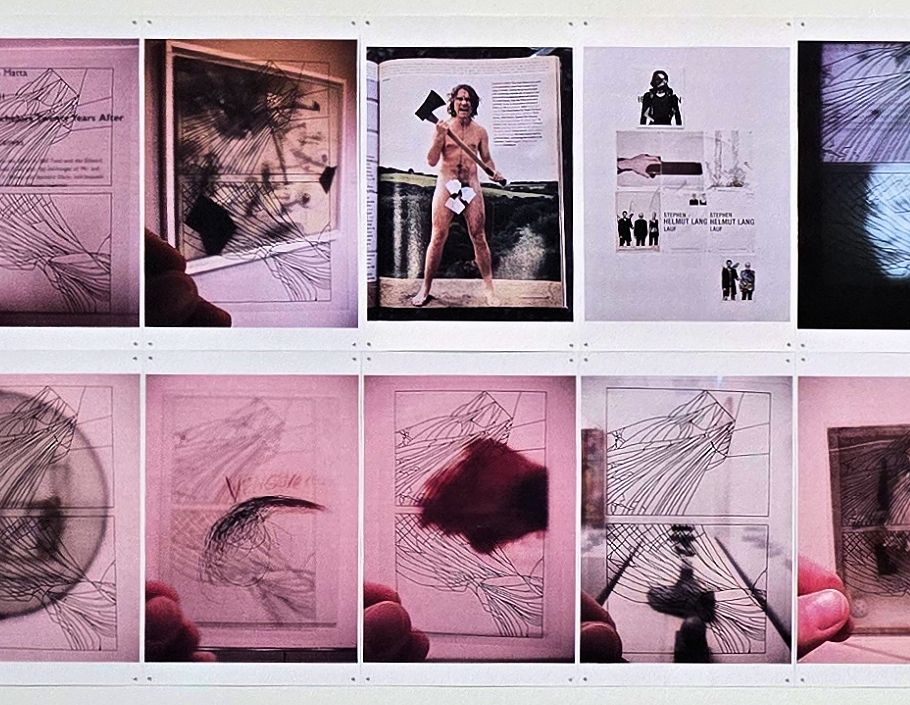
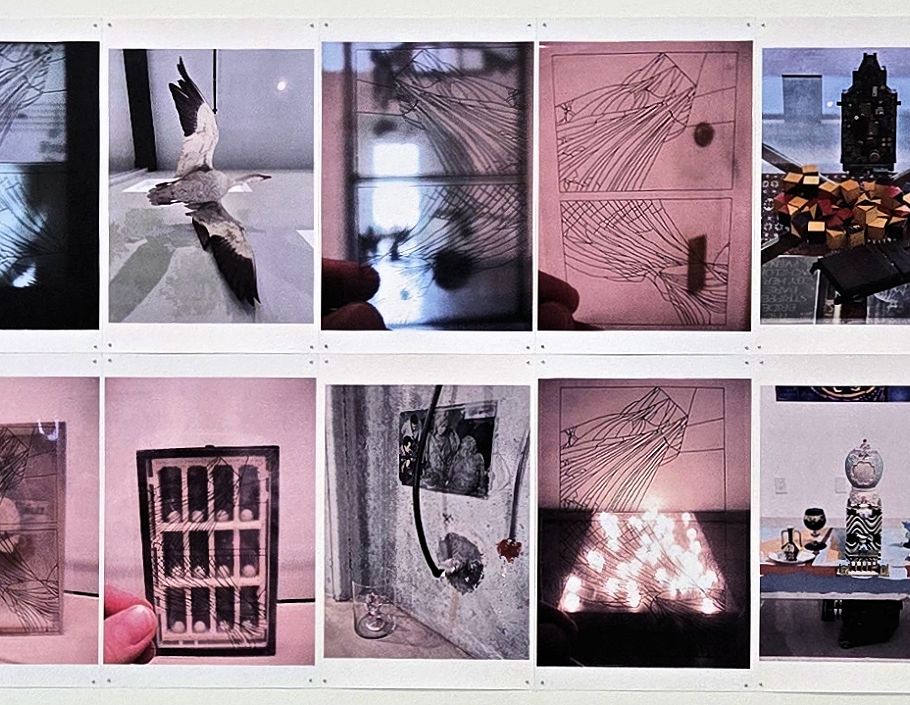
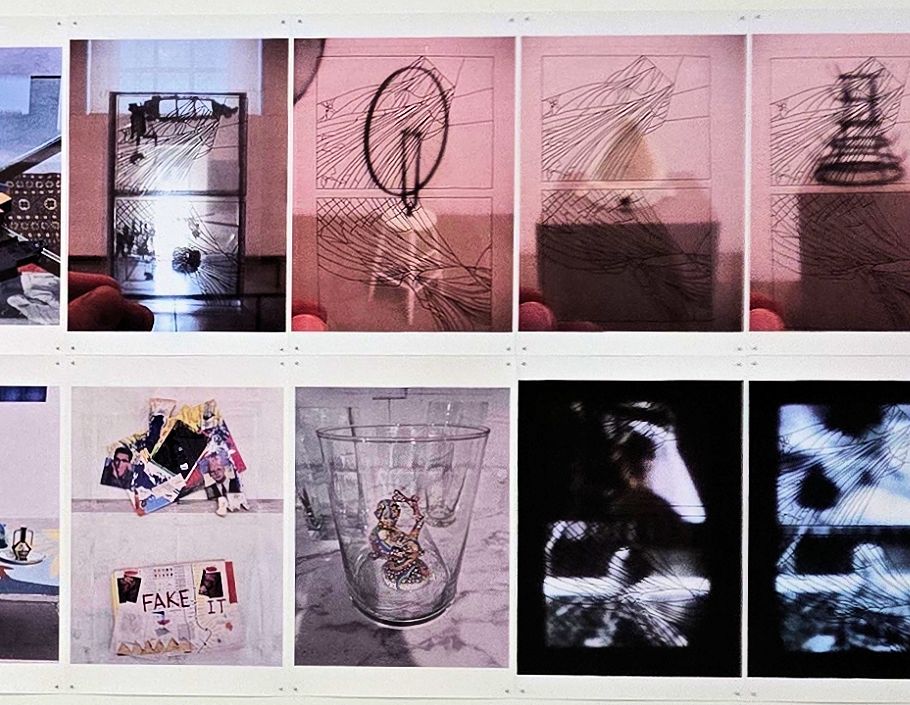
Stephen Lauf more fun with cosmodada 2025.08.15
at home
2013.08.15
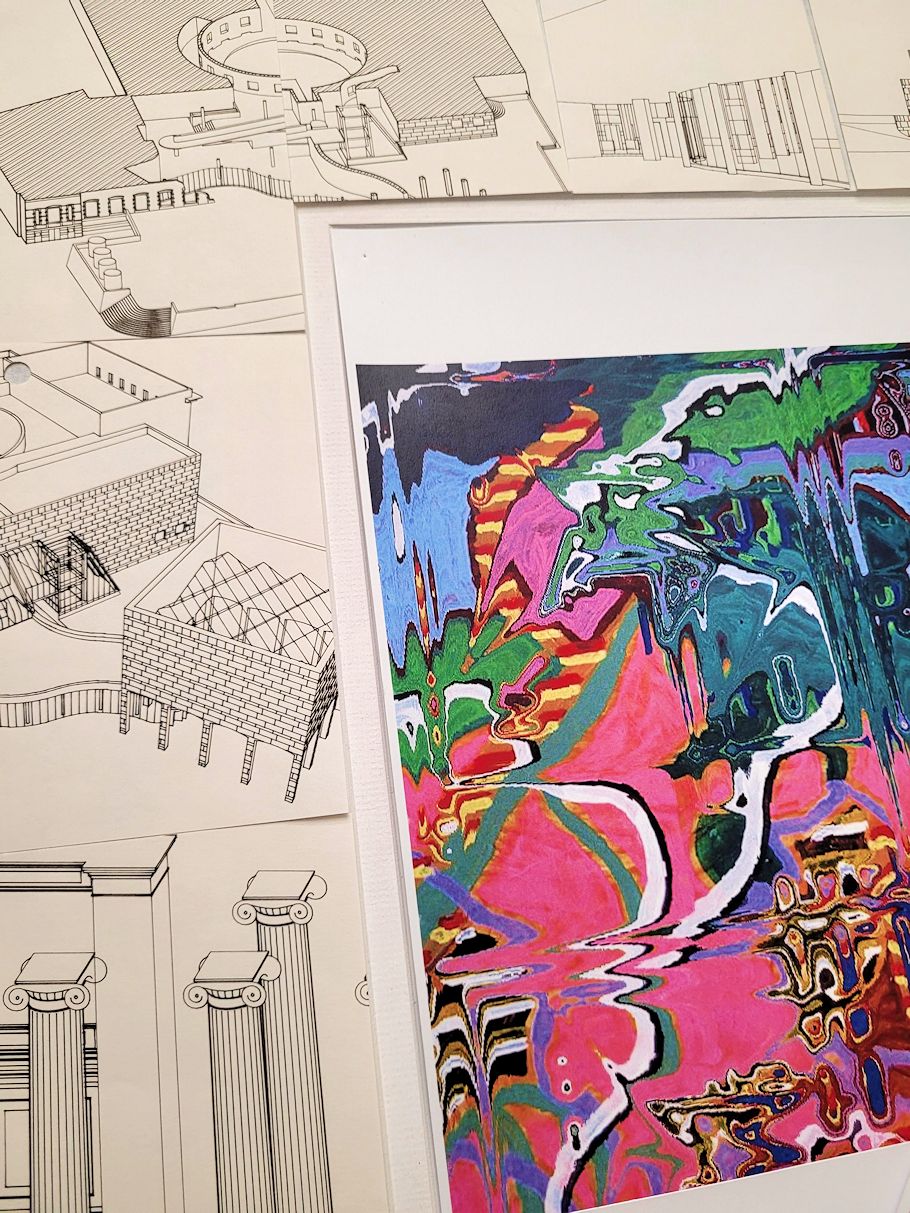
Art vs. architecture
...virtually nauseating until I saw how most (not all) of the posts reflect personal comfort zones vs. personal discomfort zones. And then it became virtually nauseating again when individuals try to project their comfort zones as being somehow axiomatic. And then it got interesting again seeing how the implicit discomfort zones harbor the most inspiration.
Perhaps the Duchamp Inn (2007)...
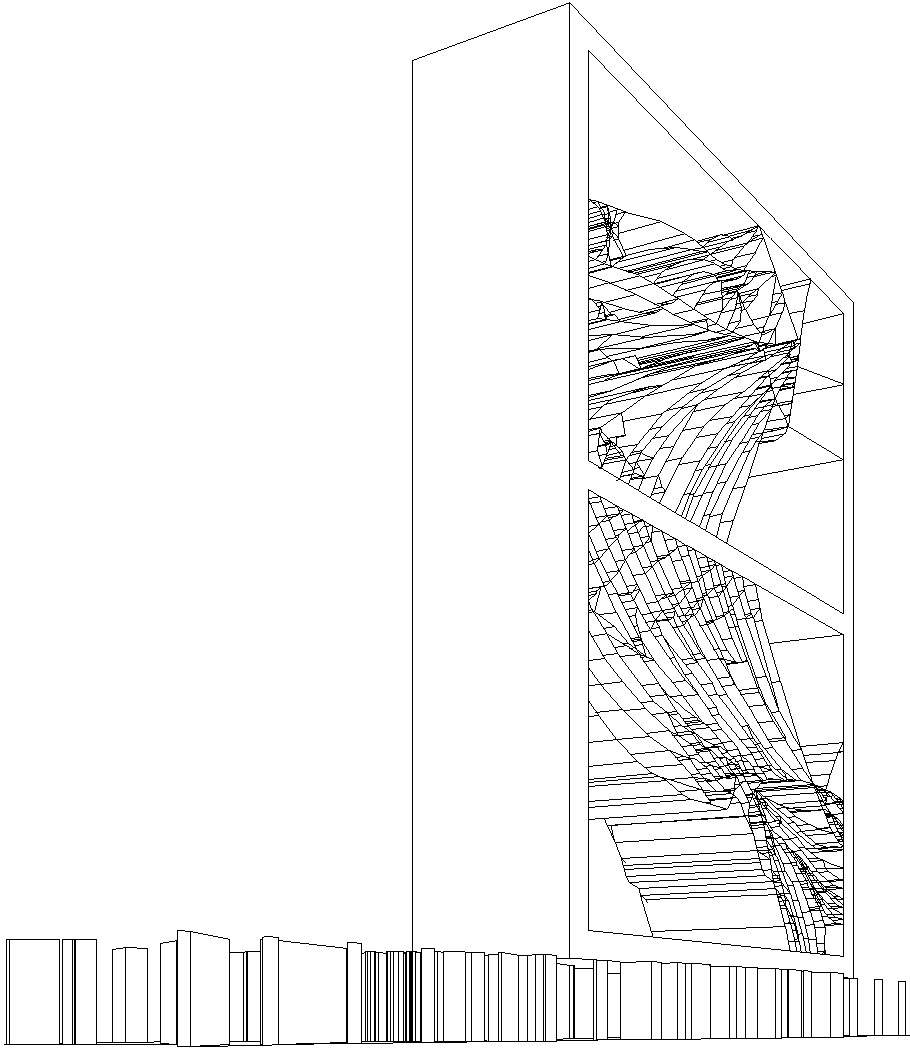
...will begin to be known as the Discomfort Inn.
Sign on the door reads, "Architects Pay Extra.
2005.08.15
10 books
I suggest reading the chapters of Revelations in reverse order. The book makes a lot more sense that way.
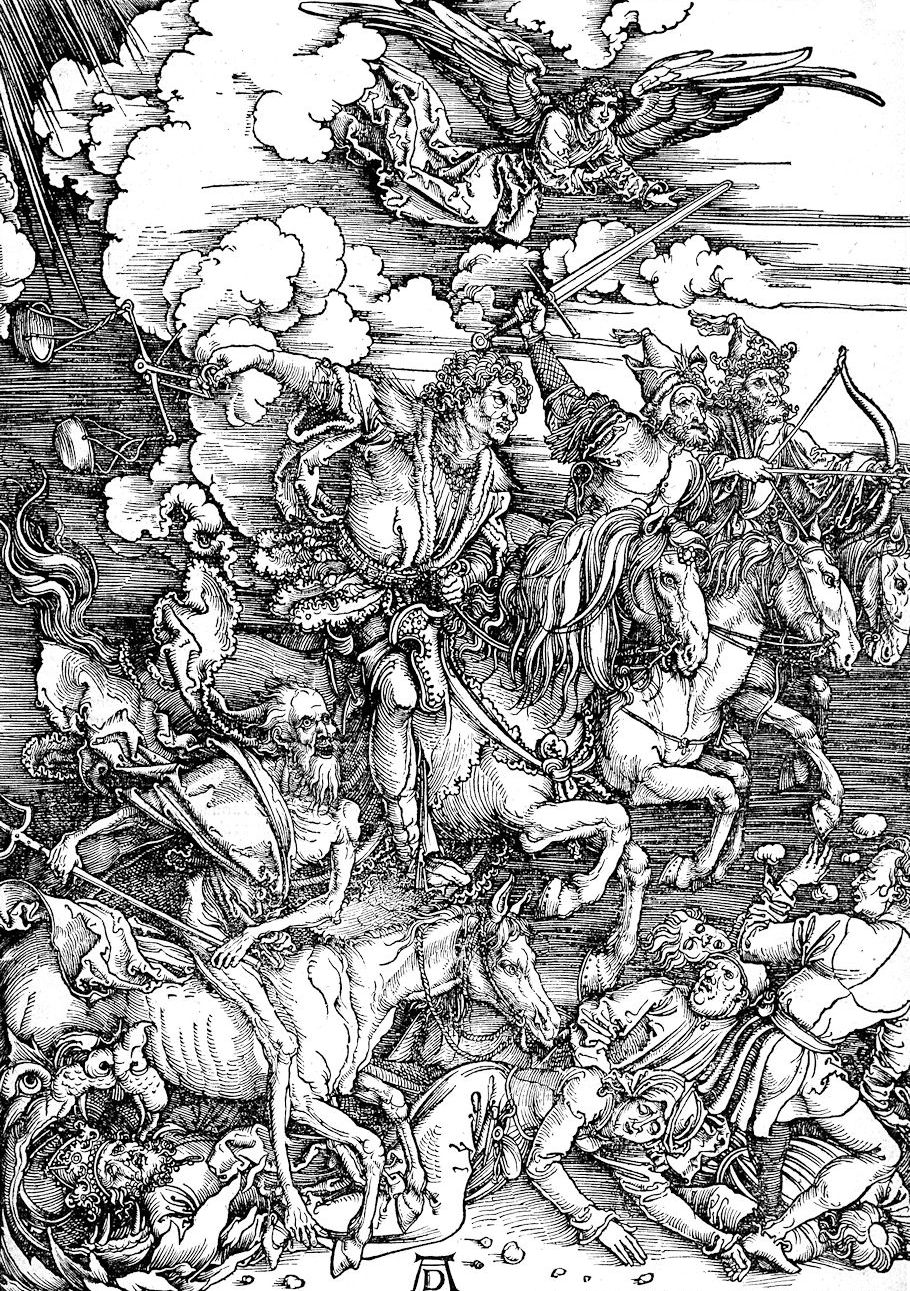
Chapter 20 won't happen until circa 3190 however.
2004.08.15
Artifact of Ottopia No. 70
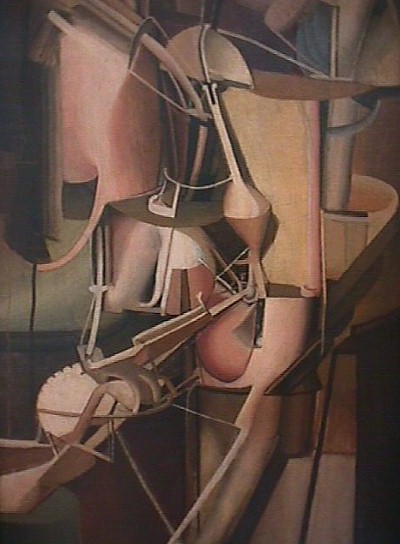
Marcel Duchamp Bride 1912
2003.08.15
death of the original Ezeri Mester
...a vast architecture of mnemonics, a House of Zeitgeists, you might say.
1991.08.15
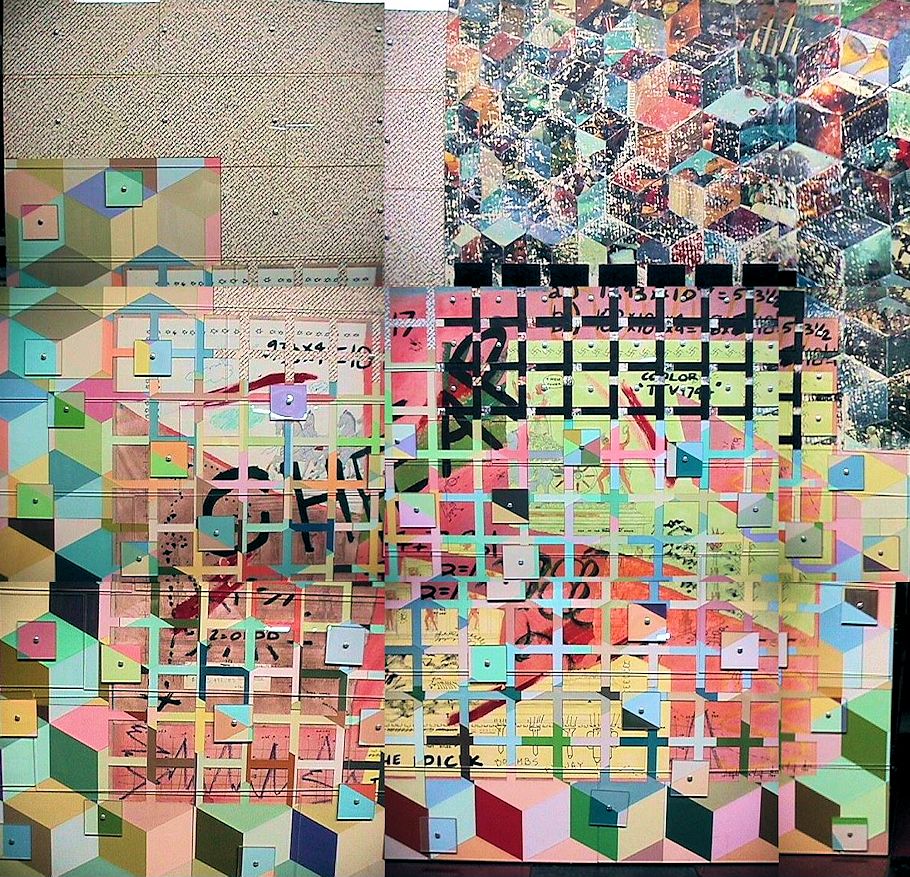
Stephen Lauf The Size of the Horse's Balls 1984.01.13 - 1991.08.15
1977.08.15
August 15, 1977. Monday, Vatican City/Rome
Mass at St. Peter's was not a huge spectacle. In fact, the basilica was full of tourists.
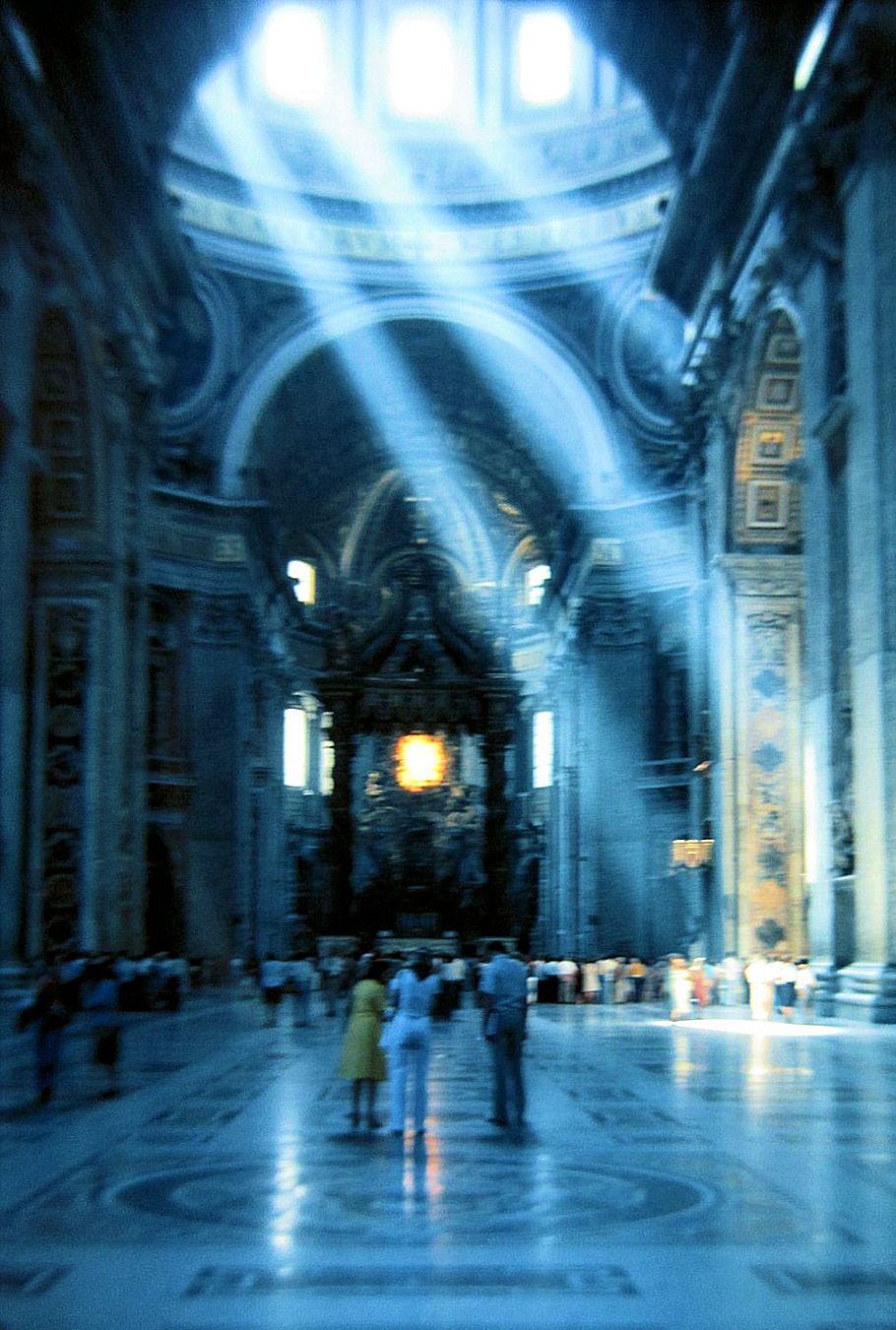
Took a long nap in the afternoon. Most others went to the beach again. Late afternoon went to the Campidoglio by myself. Also looked at the Forum and walked home via the Corso. Stopped to sketch at Popolo.

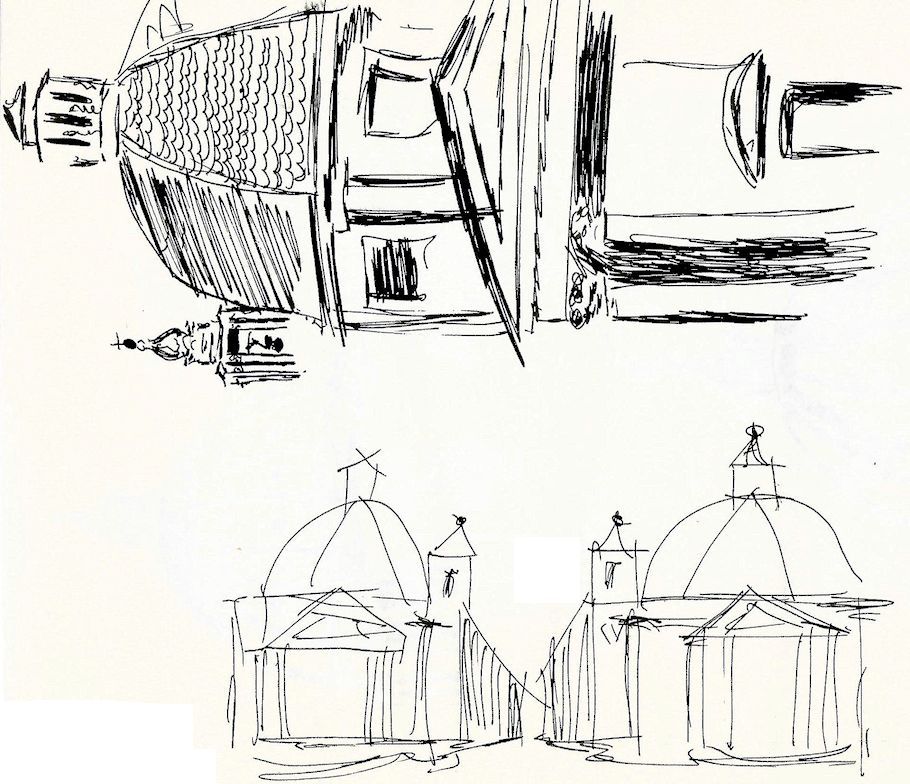
Ate at Othello's, and later sat at the Spanish Steps.
--not much of a day since it was the Assumption; most everything was closed.
Italian Study Tour Journal
1943.08.15
1943. Sunday, New York City
At the Brevoort: "Man and woman sitting casually at table with bottle, glasses, etc. on it," reads Maya Deren's shooting script for the film Witch's Cradle, which continues: "Woman is bored, drinks, looks out at the street. Man playing string game with his hands. One end dangles free, the other end leads off in back of him..."
Early in the afternoon, accompanied by Stefi and Frederick Kiesler, Maya Deren shoots the opening sequences of her film on the terrace of the famous artists' café on the comer of Fifth and 8th. Identified with his miles of twine [14.10.1942], Duchamp plays with a length of string which in the woman's imagination is to become alive, to crawl up his trouser leg and up his sleeve. Pajarito, Matta's wife and also an artist, plays the woman who later in the film is transported to a magical environment of surrealist paintings and sculptures in the Art of this Century gallery [20.10.1942], designed by Kiesler.
The inspiration of the film is the architecture of the gallery and the objects within it. "I was concerned with the impression that Surrealist
objects were, in a sense, cabbalistic symbols of the twentieth century," writes Maya Deren who considers that: "the surrealist artists, like
feudal magicians and witches, were motivated by a desire to deal with the real forces of underlying events... and to discard the validity of surface and apparent causation."
After the scene at the café terrace, Deren then continues filming Duchamp entwining his hands with string on the Kieslers' terrace at 56 Seventh Avenue.
Ephemerides
|