2026.07.15
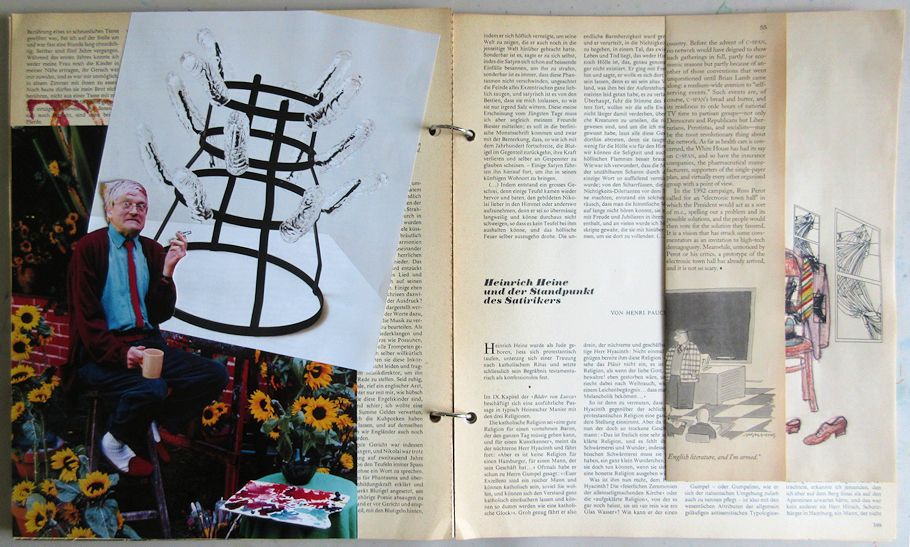
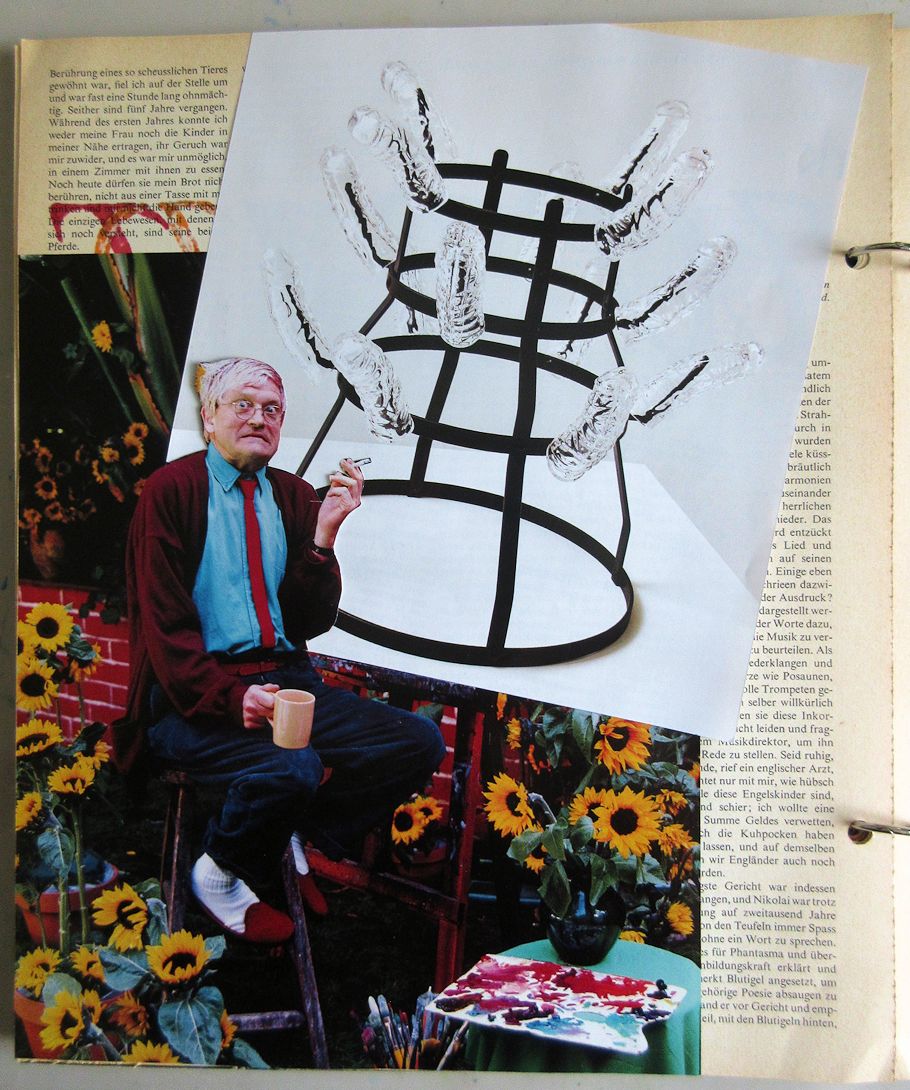
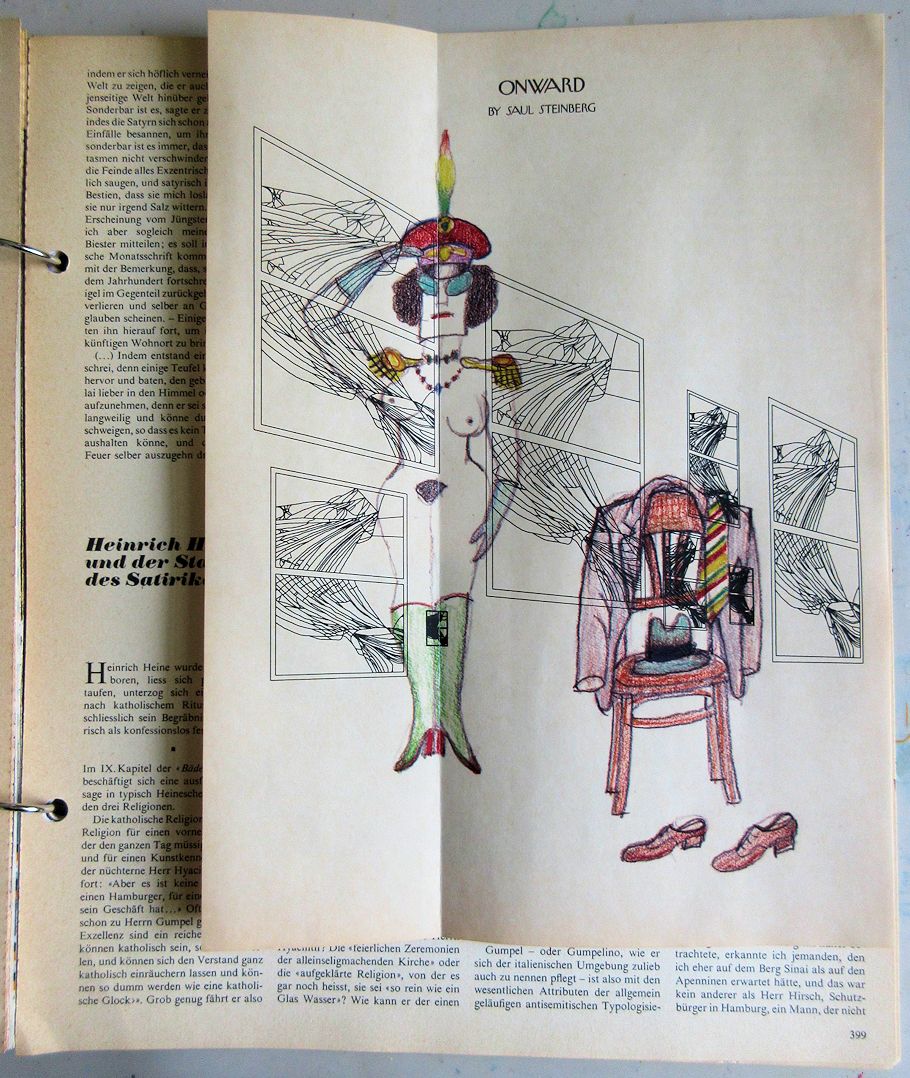
more pages from Duchamp & Ich
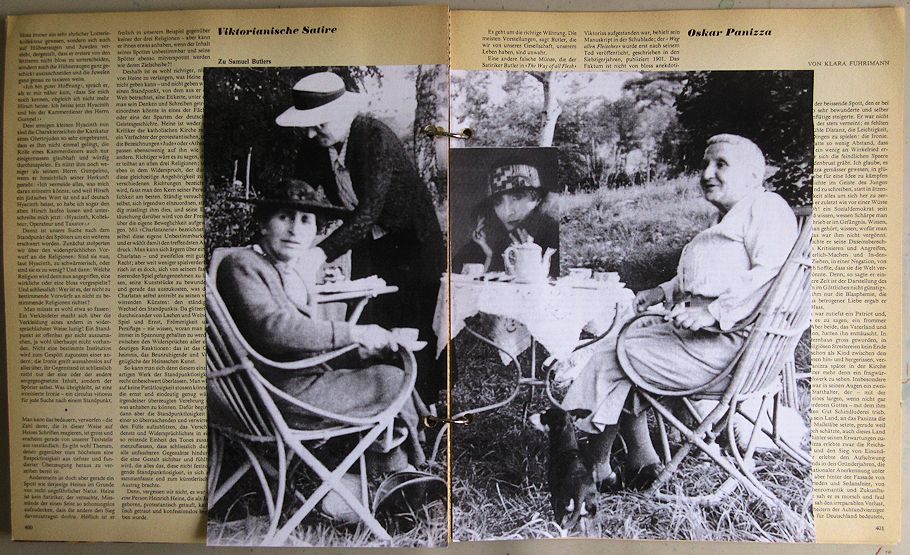
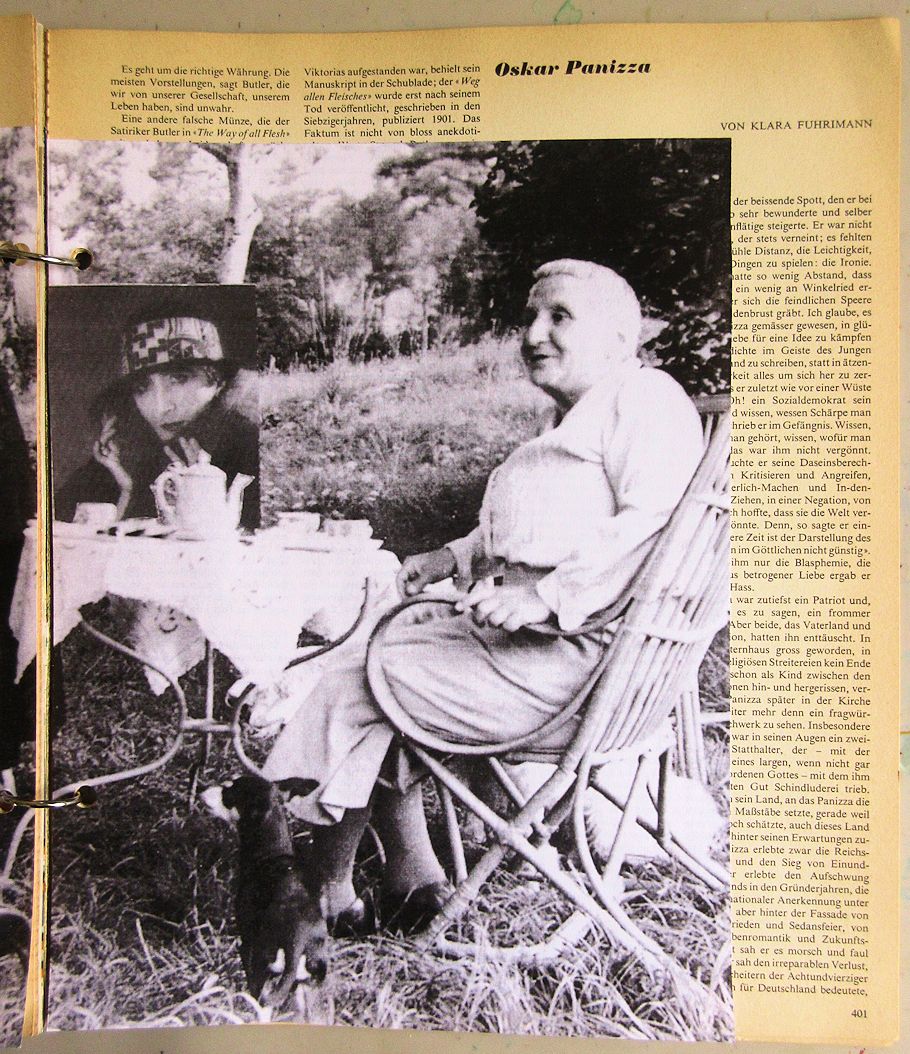
2025.07.15
451 Rhawn Gallery
DUCHAMP AFTER UNBEKANNT ha[d?] a subtitle, THE GROOM BRIDE STRIPPED BARE BY A BACHELOR OF ARCHITECTURE, EVEN,
2024.07.15
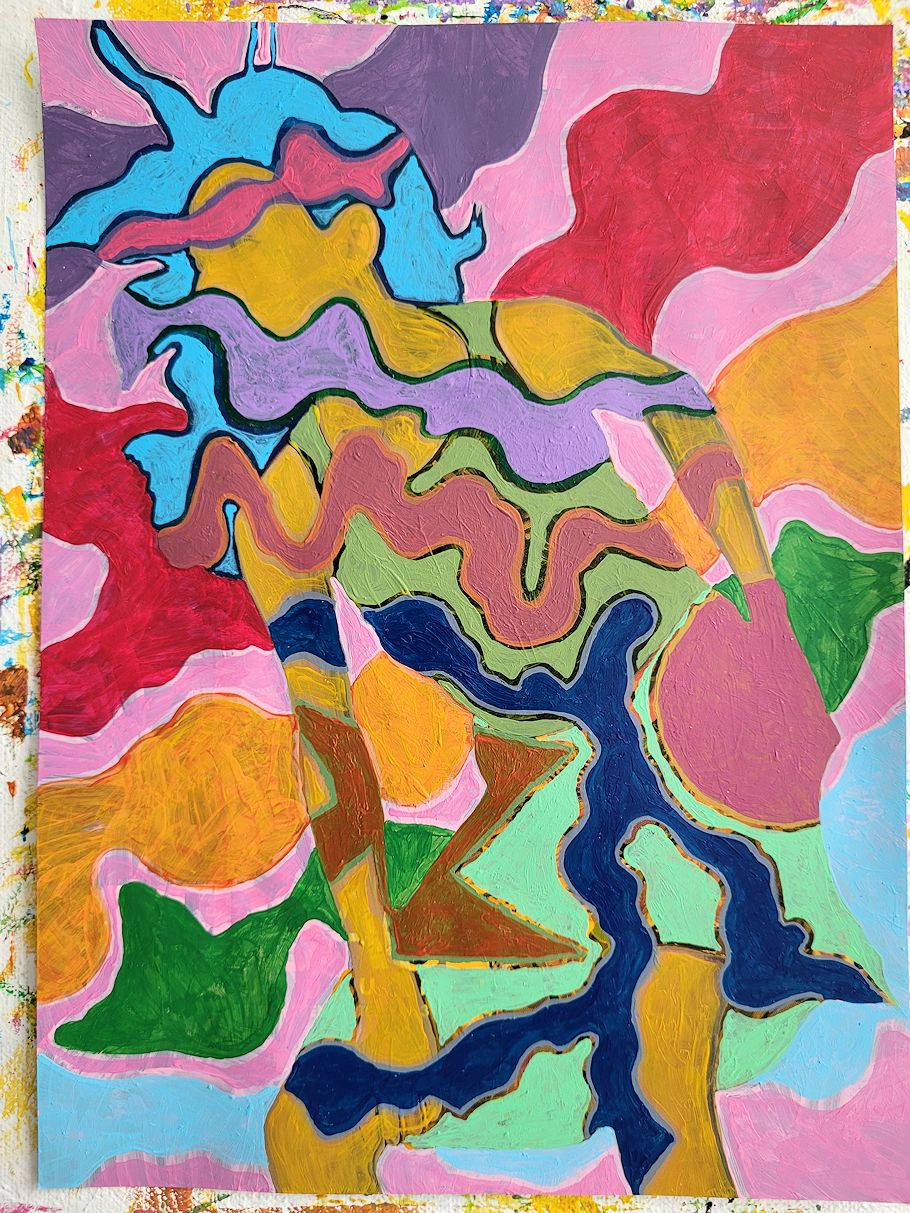
[still incomplete]
2008.07.15
bored with modern & contemporary, yet?
...there really is no evidence that Michelangelo knew the rules so well that he thus also knew best how to break them. That logic is more indicative of a latter-day, wishful-thinking, pedagogical explanation.
Michelangelo was more of a reluctant architect; architectural commissions were generally not something he sought. Sculpture was his real passion, and I suspect it was his sculptor's eye that really led him to use/design architectural molding the way he did.
bored with modern & contemporary, yet?

Picasso wasn't necessarily breaking any rules here, but he was being somewhat improper. What this work tells me is that Picasso recognized a sculptural potential in a bicycle seat and handle that when combined (improperly, in a way not done before) generated a masterpiece. I get the same sense when I look at Michelangelo's architectural detailing. Rather than simply breaking the rules, he saw potential in architectural details that others before him hadn't seen before, and he produced many improper combinations and many unprecedented details, e.g., Porta Pia.

Perhaps Michelangelo didn't even see classical architecture as a set of rules, rather a set of potentials. (And perhaps language/grammar too might not be seen as a set of rules, but rather a set of potentials).
2006.07.15
2D CAD database
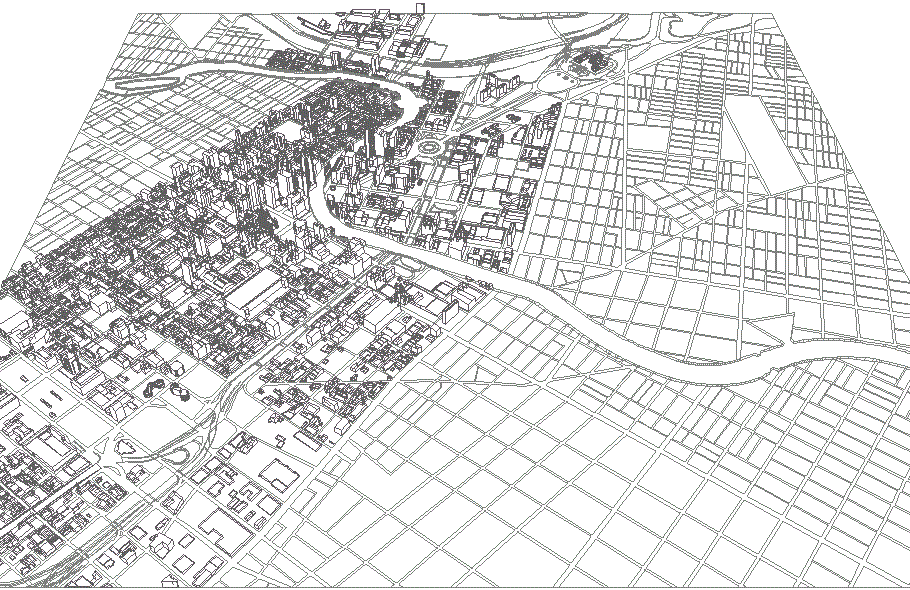
06071501.db Romaphilia Philadelphia perspective
2004.07.15
3D CAD database
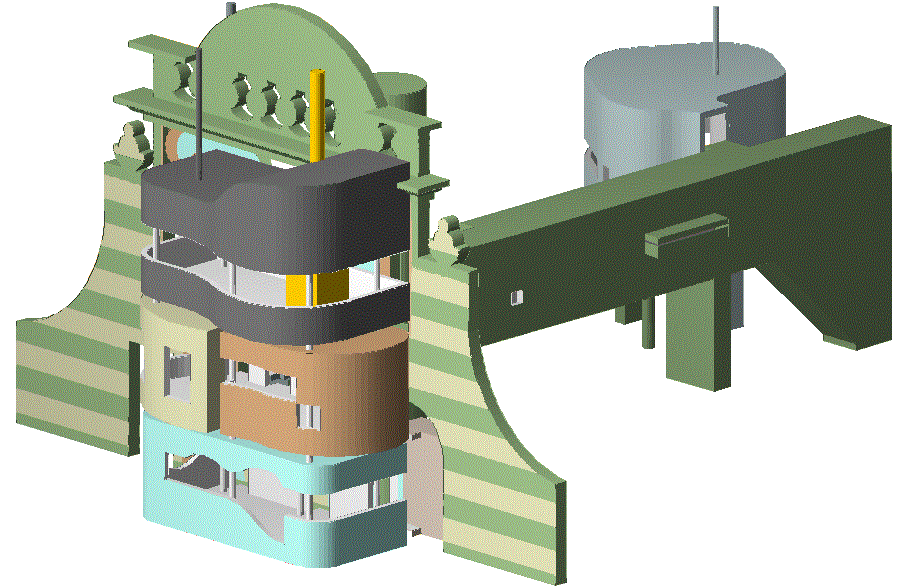
040715a.db Good-bye House model
2002.07.15
Re: Étant donnés' Back Door, etc.
The "2 KEY" was already scratched into the door at the Philadelphia Museum of Art. I don't know anymore about why it is scratched there; I assume the doors needs "2 KEY" to open it. Anyway, I'm intrigued by the idea that "Étant donnés' back door" is a "museum piece" without anyone realizing it is a museum peice.
Re: Étant donnés' Back Door, etc.
I am not familiar with Duchamp und die Anderen. Does Daniels write at all about the classical sculptural group within the (exterior) museum pediment above and on axis with the window to the Duchamp gallery at the Philadelphia Museum of Art? This sculptural group, a rare reenactment of classical antique polychromy, represents sacred and profane love via mythological characters. I've been wondering whether Duchamp knew of the symbolism of this group while he was arranging the interior disposition of the Arensberg collection, and specifically the room for the Duchamp collection, and hence the specially installed door.
In any case, I like to think of The Large Glass as a confirming furtherance of the sacred/profane love axis at the PMA. (I wonder where Yara is these days.)
2001.07.15
Bastille Day celebration
I returned to Fairmount on Sunday--there was a Bastille Day celebration at Eastern State Penitentiary. The highlight was when hundreds and hundreds of individually wrapped Twinkies where thrown by Marie Antoinette and her Court from the high parapet unto us common folk in the street. I was laughing practically the whole two hours I was down there. The entire event was pure camp.
1959.07.15
1959. Wednesday, Paris
After discussing plans for another exhibition, in Bief: Jonction Surréaliste Marcel Duchamp and Andre Breton announce enigmatically "an
exceptional rendezvous" for the end of the year...
Ephemerides
1947.07.15
1947. Tuesday, New York City
After receiving his letter and clippings about the exhibition "Le Surréalisme en 1947" [7.7.1947], Duchamp cables his "felicitations and kisses to all" to Kiesler at the Hôtel Lutétia in Paris.
Ephemerides
1943.07.15
1943. Thursday, New York City
Goes to see a film showing at 1660 Broadway with Mary Reynolds and others, including the Kieslers.
Ephemerides
|