2026.05.13
more . . . fiction all but for the fourth dimension
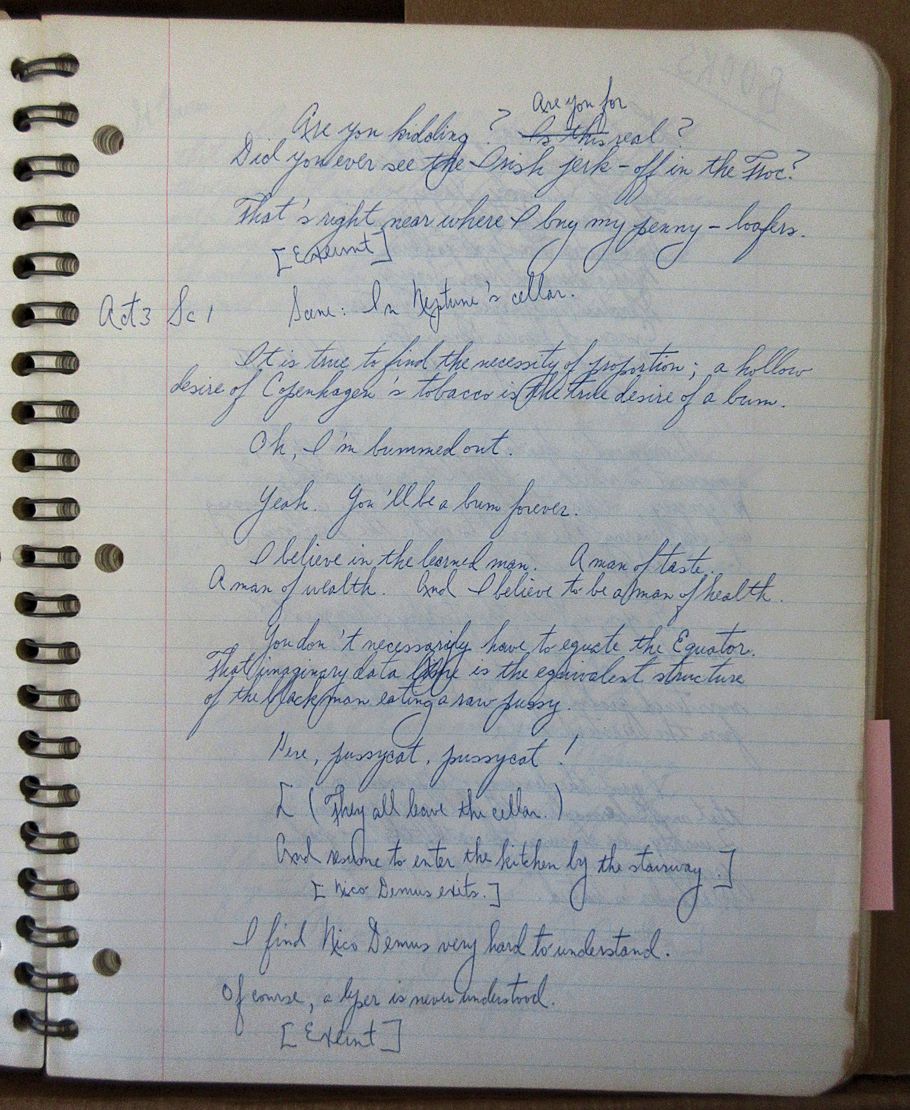
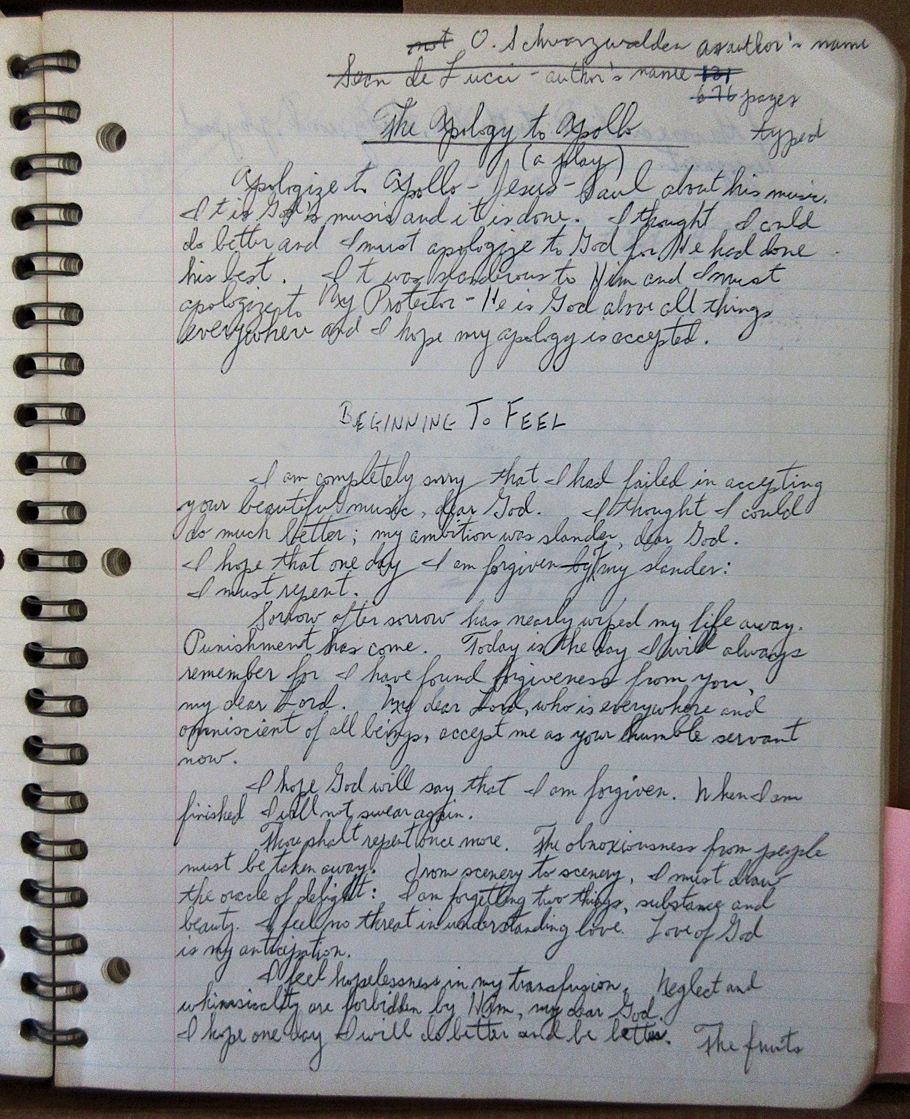 
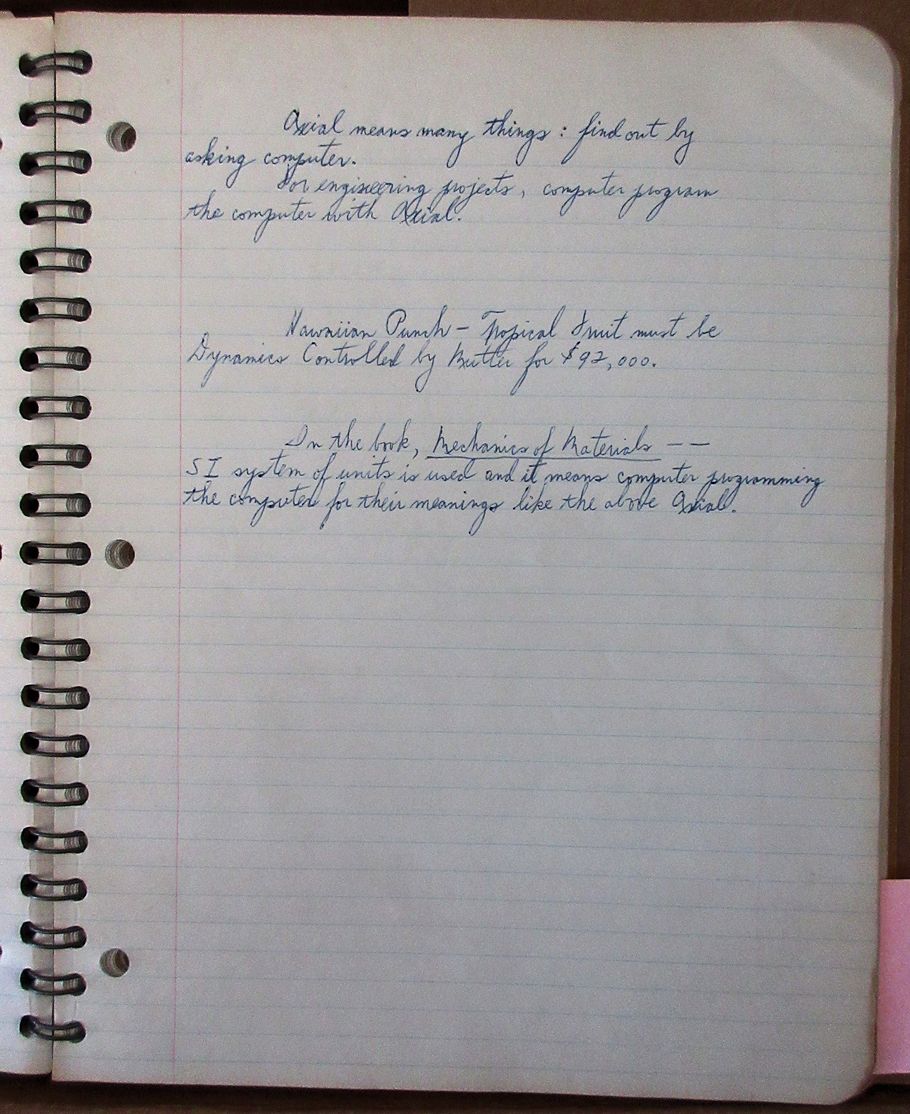
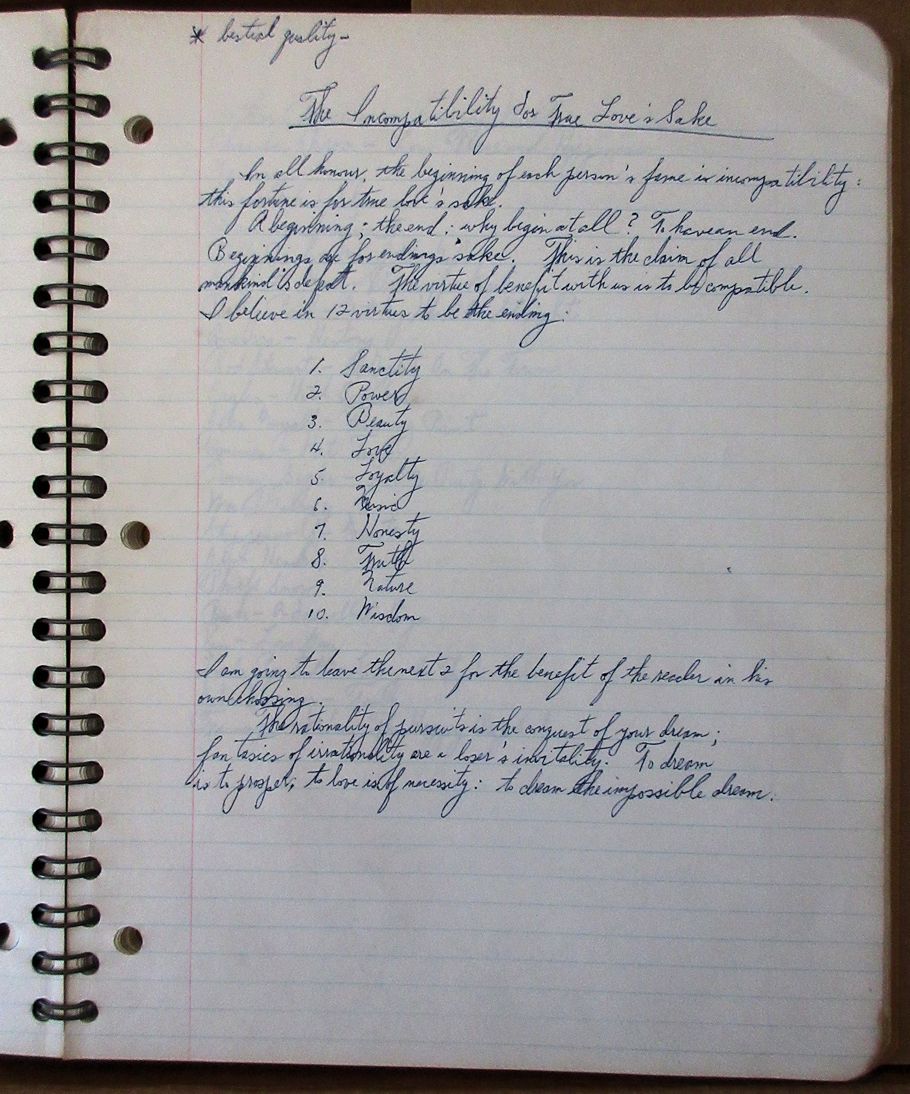
from Max Stirner's The Ego and His Own
Objects are to me only material that I use up. Wherever I put my hand I grasp a truth, which I trim for myself. The truth is certain to me, and I do not need to long after it. To do the truth a service is in no case my intent; it is to me only a nourishment for my thinking head, as potatoes are for my digesting stomach, or as a friend is for my social heart. As long as I have the humor and force for thinking, every truth serves me only for me to work it up according to my powers. As reality or worldliness is "vain and a thing of naught" for Christians, so is the truth for me. It exists, exactly as much as the things of this world go on existing although the Christian has proved their nothingness; but it is vain, because it has its value not in itself but in me. Of itself it is valueless. The truth is a--creature.
As you produce innumerable things by your activity, yes, shape the earth's surface anew and set up works of men everywhere, so too you may still ascertain numberless truths by your thinking, and we will gladly take delight in them. Nevertheless, as I do not please to hand myself over to serve your newly discovered machines mechanically, but only help to set them running for my benefit, so too I will only use your truths, without letting myself be used for their demands.
2025.05.13
451 Rhawn Gallery
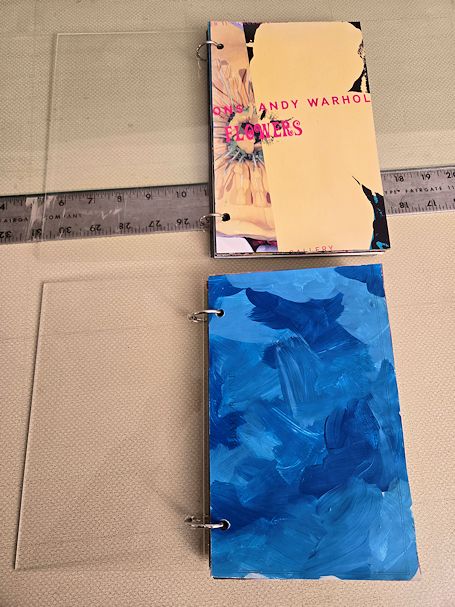 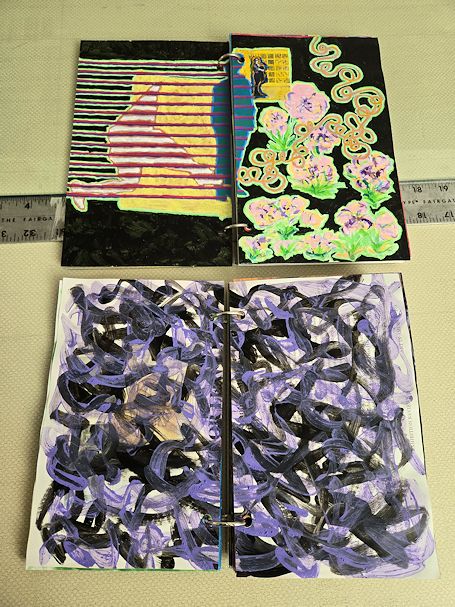
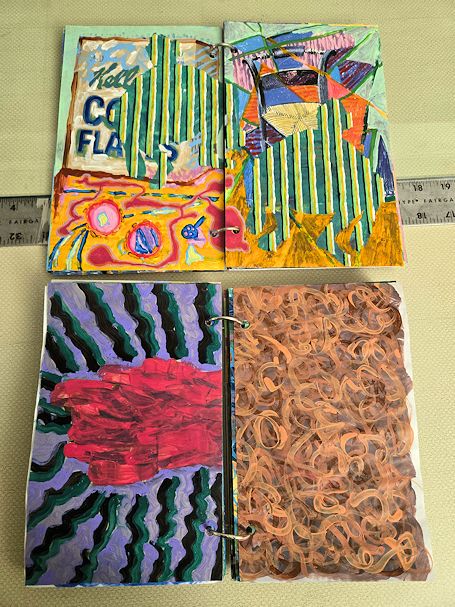 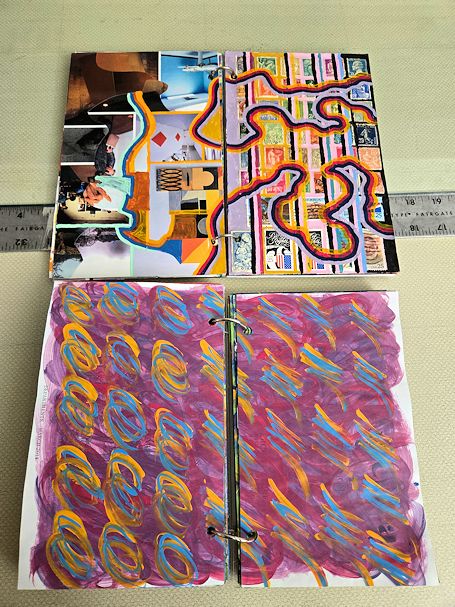
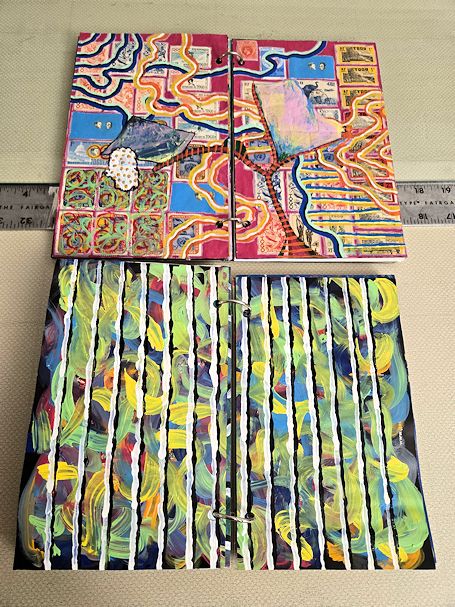 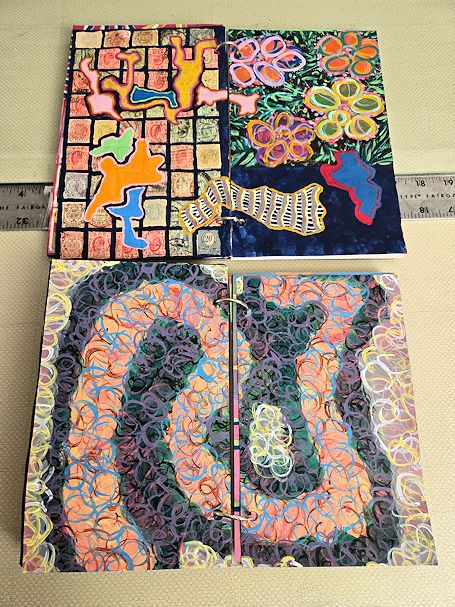
two books of paintings, bottom finished, top not yet
2004.05.13
du-da du-da
makes a nice painting, don't it?
well don't it?
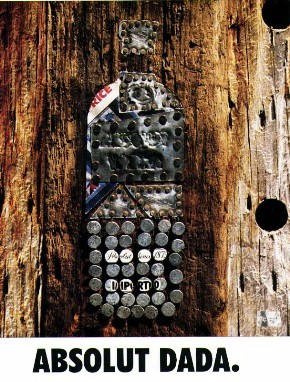
1985.05.13
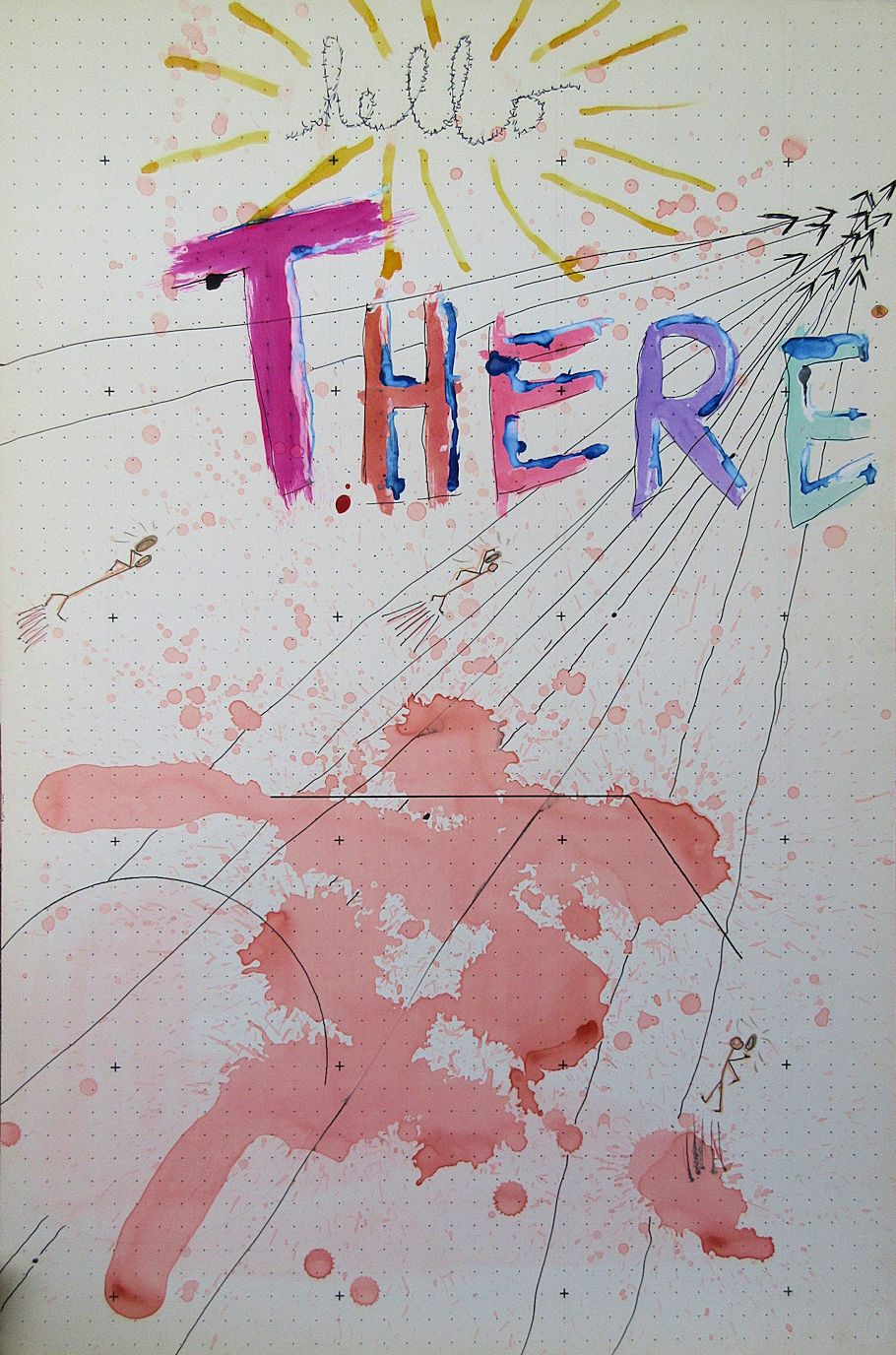
hello THERE
1963.05.13
1963. Monday, New York City
An irregular limerick composed in English by Duchamp for Bill Copley is published today in Iris Time Unlimited [(Paris)]:
There was a painter named Copley
Who never would miss a good lay,
And to make his paintings erotic
Instead of brushes, he simply used his prick.
Ephemerides
1960.05.13
1960. Friday, Hempstead
Lorraine Hansberry, Gilbert Seldes, and Duchamp are the guest speakers at the symposium entitled "Should the Artist go to College--and Why?", an event at the first Contemporary Arts Festival, which celebrates the 25th anniversary of Hofstra College. ... After the introductions, Duchamp delivers a short prepared speech [which ends with]:
"Max Stirner, in the last century, very clearly established this distinction in his remarkable book Der Einzige und Sein Eigentum (The Ego and His Own) and if a great part of the education applies to the development of these general characteristics a part, just as important, of college education, develops the deeper faculties of the individual, the self-analysis and the knowledge of our spiritual heritage. These are the important qualities which the artist acquires in college, and which will allow him to keep alive the great spiritual traditions with which even religion seems to have lost its contact. I believe that today, more than ever before, the artist has this para-religious mission, to keep lit the frame of an inner vision which the work of art seems to be the closest translation for the layman. It goes without saying that to feel such a mission the highest education is indispensable."
Ephemerides
1947.05.13
1947. Tuesday, New York City
In the evening while he is at Maria Martins' apartment, 471 Park Avenue, with his collaborators for the Surrealist exhibition--Kiesler, Matta and Donati [1.2.1947]--Marcel tries unsuccessfully to telephone André Breton in Paris.
Ephemerides
1917.05.13
1917. Sunday, New York City
After their night together, Aileen, Roché and Marcel have breakfast at Louise's.
Later there is a "grand evening" at the Arensbergs' with a Russian dancer.
Ephemerides
|