2026.05.05
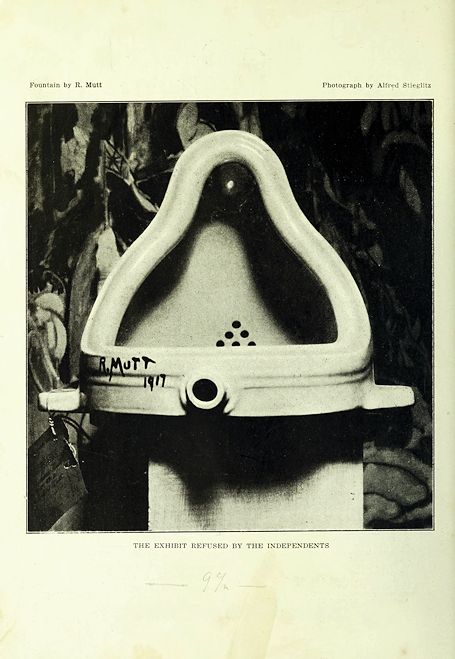
Apparently, Stieglitz photographed a urinal without a signature and date.
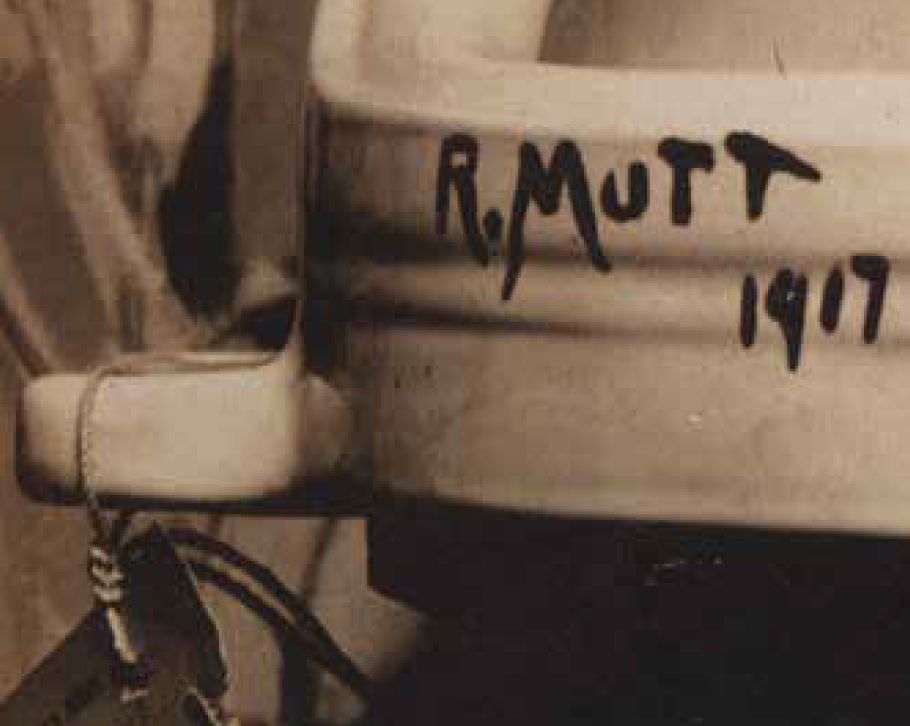
see 2026.03.06
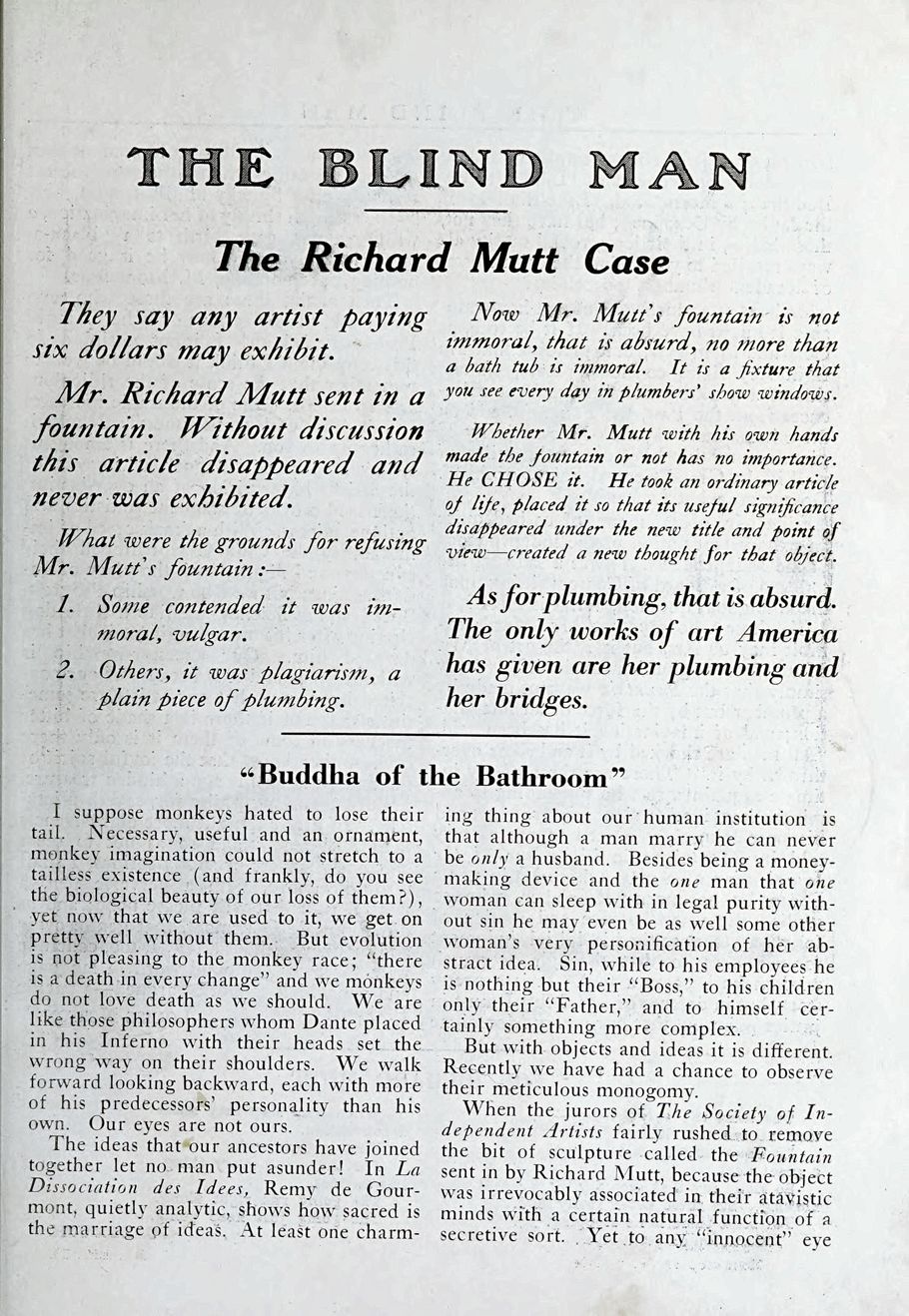
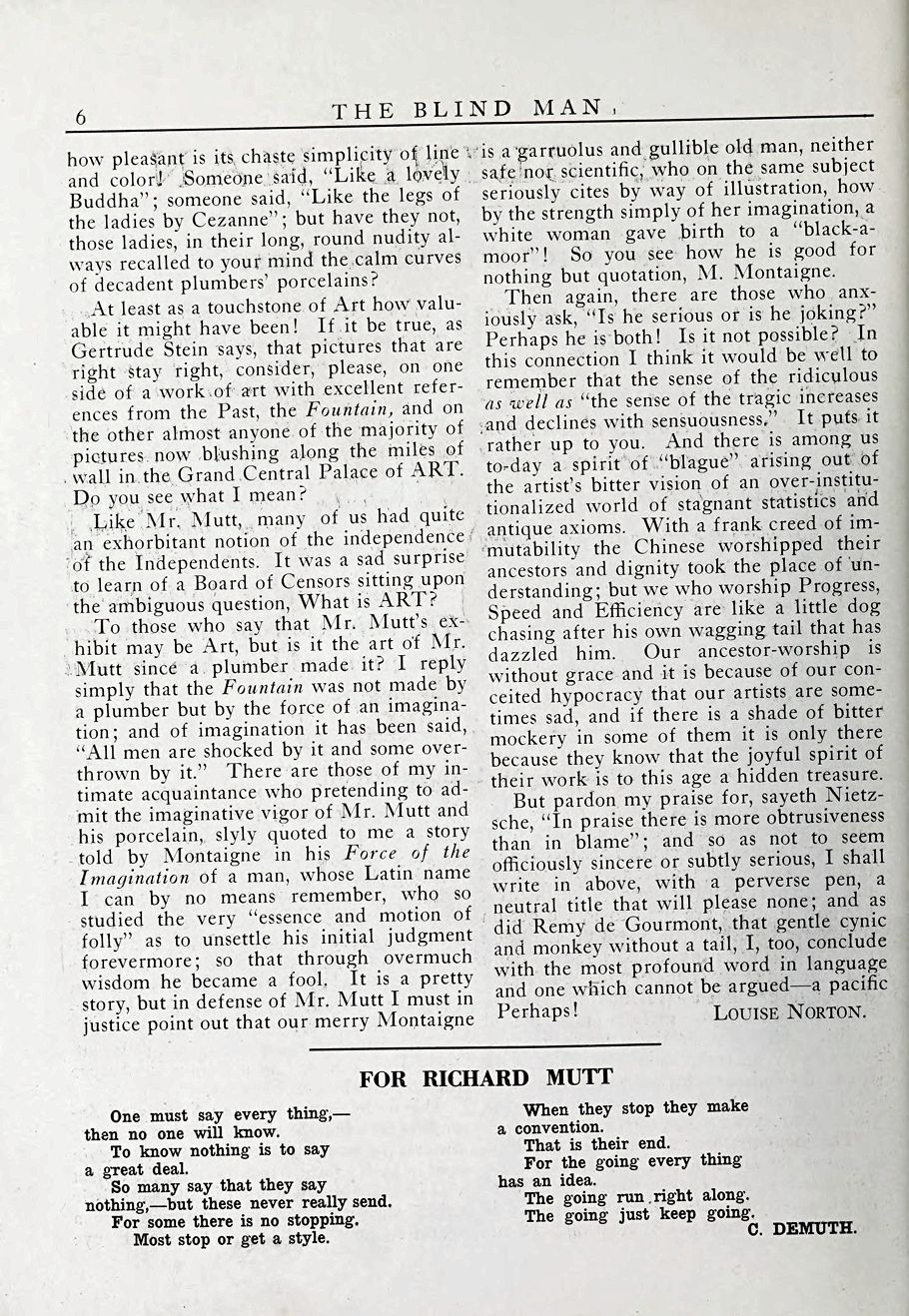
Presently, I'd say Duchamp was accused of perpetrating the Fountain hoax before the exhibition even opened; Duchamp (and Arensberg) denied the charges, and the subsequent publication of "The Richard Mutt Case" was a somewhat elaborate agenda-driven, cover-up fabrication.
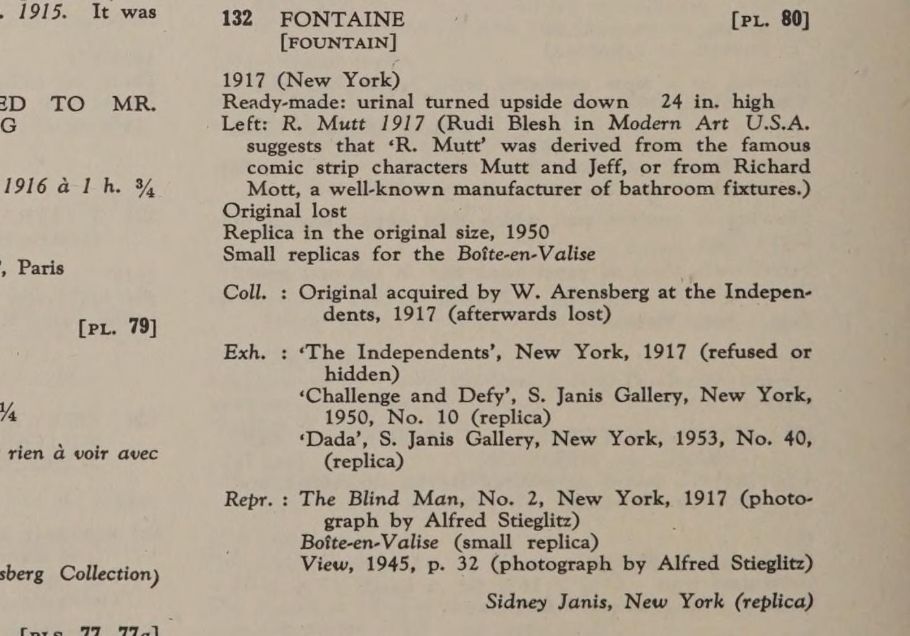
detail of page 168 of Robert Lebel's Marcel Duchamp (1959).
2025.05.05
451 Rhawn Gallery
21:02:41
22:11:02
2024.05.05
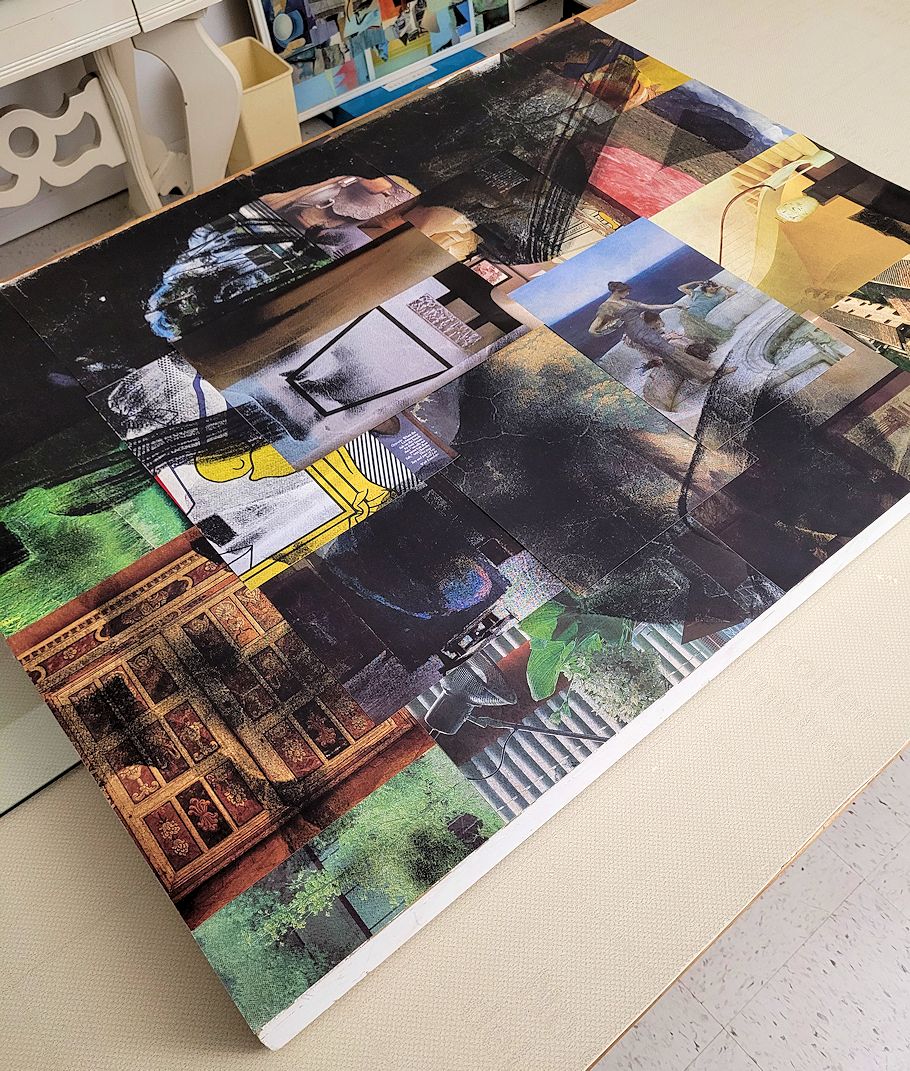
20240505_174855.jpg [The Libyan Sybil]
2017.05.05
2014.05.05
Building the Picture: Architecture in Painting review – a show to change the way you look at art
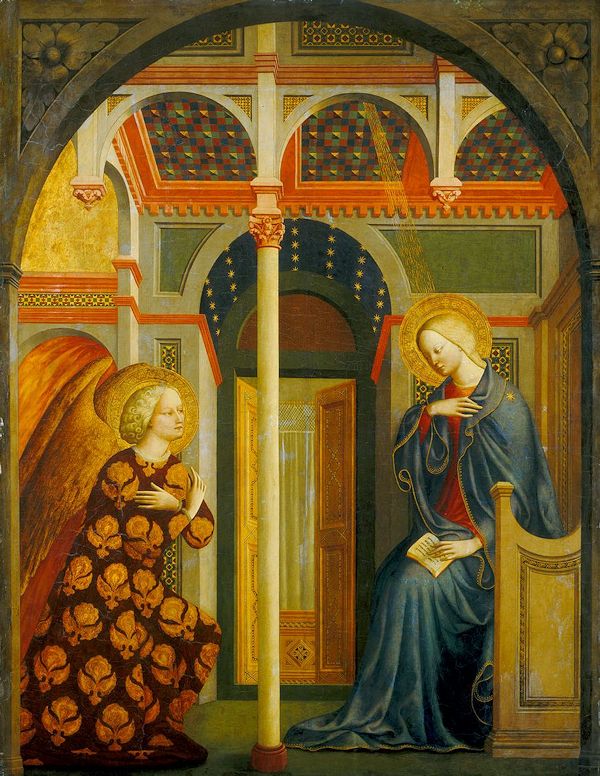
The most intriguing aspect of Masolino da Panicale's The Annunciation stands right in the middle of the painting.
2006.05.05
Architectural Pedagogy
Since it's one of the things I want to do before I die, I'm developing a course for blind people who want to teach some courses in architecture. It turns out here though that the blind people themselves are already the only people that can effectively teach this course. "It looks like," the blind consultant said, "maybe you should be developing a course for sighted people to learn how to accept blind people as capable of teaching some courses in architecture." "I think you're right, but you still like my idea of buildings (and classrooms) covered in Braille, don't you?" "Oh yeah, especially the one mixed with carved hieroglyphics."
Architecture Writers in Philadelphia...
...of the last hundred years or so.
.00
Kimball, Fiske (Sidney Fiske Kimball), 1888-1955, American architect and writer, b. Newton, Mass. He was professor of architecture and fine arts at the Univ. of Michigan (1912-19) and of art and architecture at the Univ. of Virginia (1919-23) and was in charge of the fine arts department, New York Univ. (1923-25). From 1925 until his retirement in 1955 he was director of the Philadelphia Museum of Art and was responsible for the acquisition of many important collections. Much of his architectural work consisted of the restoration of old houses, e.g., of Monticello, the Jefferson home, near Charlottesville, and Stratford, the seat of the Lees, both in Virginia. With G. H. Edgell he wrote A History of Architecture (1918). He was also the author of Domestic Architecture of the American Colonies (1922), American Architecture (1928), and The Creation of the Rococo (1943).
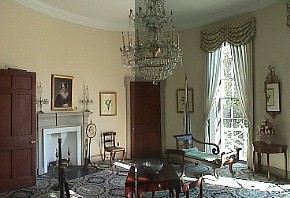
Almost everything I know about Fiske Kimball comes from reading Triumph on Fairmount, the first time in early 1975. While in Philadelphia Kimball and his wife lived at Lemon Hill, which contains one of my favorite rooms in America, the main oval parlor.
I like how an architect and architectural historian can also be a museum director. It's strange to think that it was an architect who was ultimately most instrumental in getting the Duchamp collection in the Philadelphia Museum of Art--Kimball's letters about his last visit in Los Angeles with the Arensbergs are within A Triumph on Fairmount. Although my favorite 'picture' of Fiske Kimball is:
A woman member brought a friend from New York to visit the museum. Fiske met them in the corridor. To the astonishment of the lady from New York, he knelt and kissed the member's hand. "We are not often honored with such charming visitors," he said. "Allow me to conduct two such exquisite creatures to the latest of our period rooms."
"This is our Louis Quatorze gallery. What things these walls have seen! The Grand Monarque was a great king and a great one for the ladies. What beautiful mistresses he had! Ah, if you ladies had only lived then he would surely have numbered you among them. Wouldn't you have liked that?" and he dropped to his knees again.
Kimball was forced to retire soon after that.
I actually haven't read any of Kimball's books myself, although I do have A History of Architecture and his "discovery" of the origin of the Rococo is definitely on my to-do list. Yet, I have walked within the Louis Quatorze and Duchamp galleries numerous times. Actions speak louder than words?
Fiske Kimball is a dear recurring character in The Odds of Ottopia and Leaving Obscurity Behind.
2005.05.05
Koolhaas versus the Actor
I do have a digital version of the Ichnographia in its second printed state, but it's in separate scanned pieces, and even each piece is a large file, so I won't be uploading anything to the image gallery just yet. What I can do is restore the Encyclopedia Ichnographica back to what it was at quondam 20 March 2000. Plus, "Inside the Density of Piranesi's Ichnographia Campi Martii" (the paper written for the Inside Density colloquium Brussels, Belgium 1999) will very soon be uploaded at museumpeace--there are lots of diagrams there.
Can you at least explain how "architecture bereft of the signified, split from any symbolic system... has a very parallel, almost identical meaning to 'the birth of the architecture of reenactment'?" I see lots of architecture of reenactment that's very much signifying and very much commingled with a symbolic system. Again, the Ichnographia Campi Martii is all signifiers and symbolic system which Tafuri missed entirely. Tafuri's take on the Campo Marzio is what's really bereft here, isn't it?
5 May 1821 Napoleon died on St. Helena Island. There's a game of solitaire called Napoleon at St. Helena or 40 Thieves. I've known about the game since the summer of 1972, and have played several thousand games of it since. What's neat about this game is that a winning game is like an incredible good luck machine every time. I don't know if there is actually any verification that Napoleon ever really played solitaire on St. Helena Island. He really wasn't in complete solitary exile, after all.
modernity/post-modernity
Chronosomatically, the present Zeitgeist is the transverse section of the male and female human body slicing through the lowest two tips of the rib cage. Study the morphology and physiology within that corporal slice (including a developing fetus within the female body) and there's the essence of the present Zeitgeist. Lots of transverse colon, thus assimilation in the extreme; two kidneys, thus osmosis and some specific metabolism; the very dualistic beginning of a peripheral webbed structural system; etc., etc.
1993.05.05

[sketching Picasso 22]
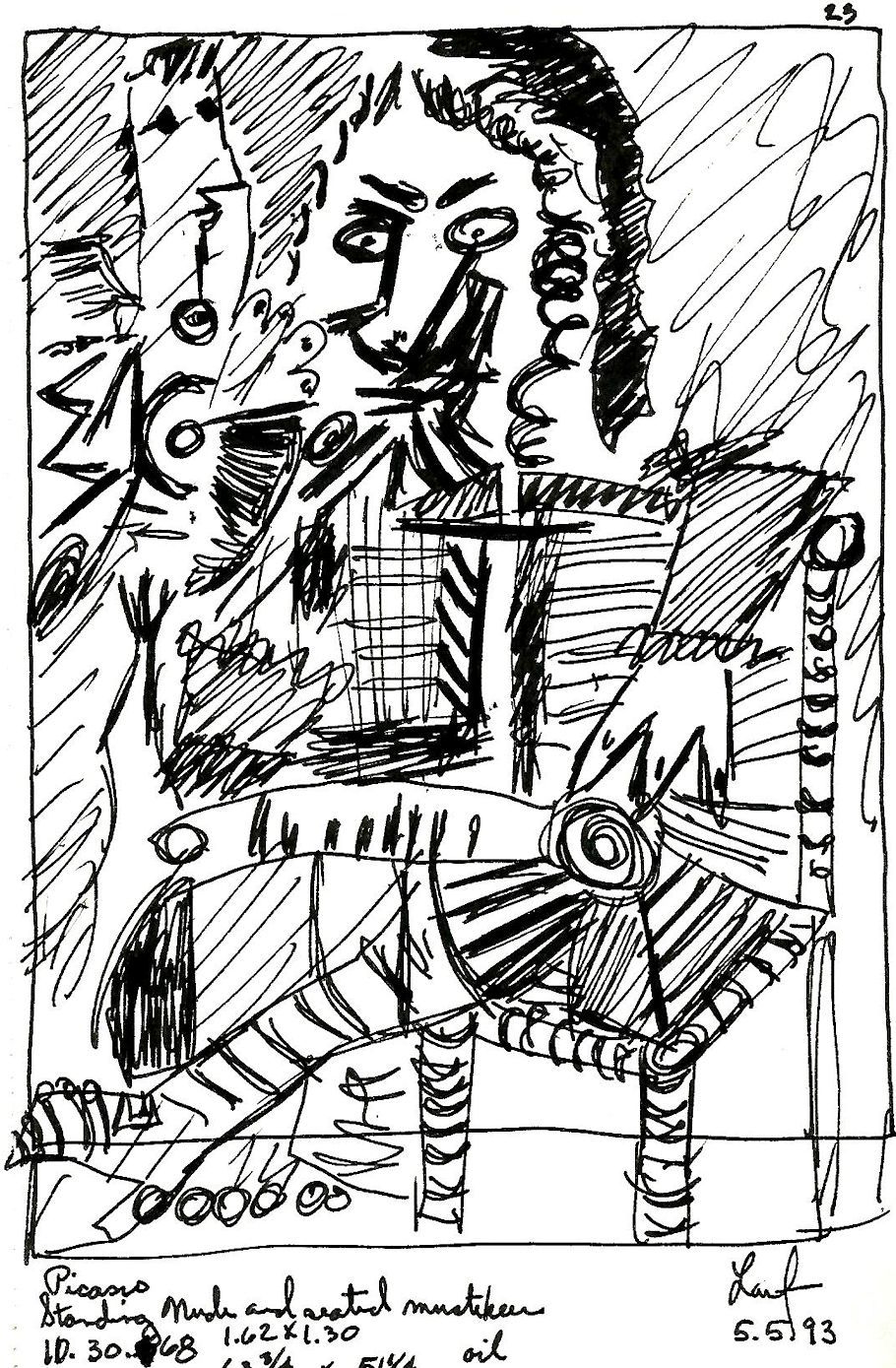
[sketching Picasso 24]
1991.05.05
a first attempt at generating 'art' via CAD
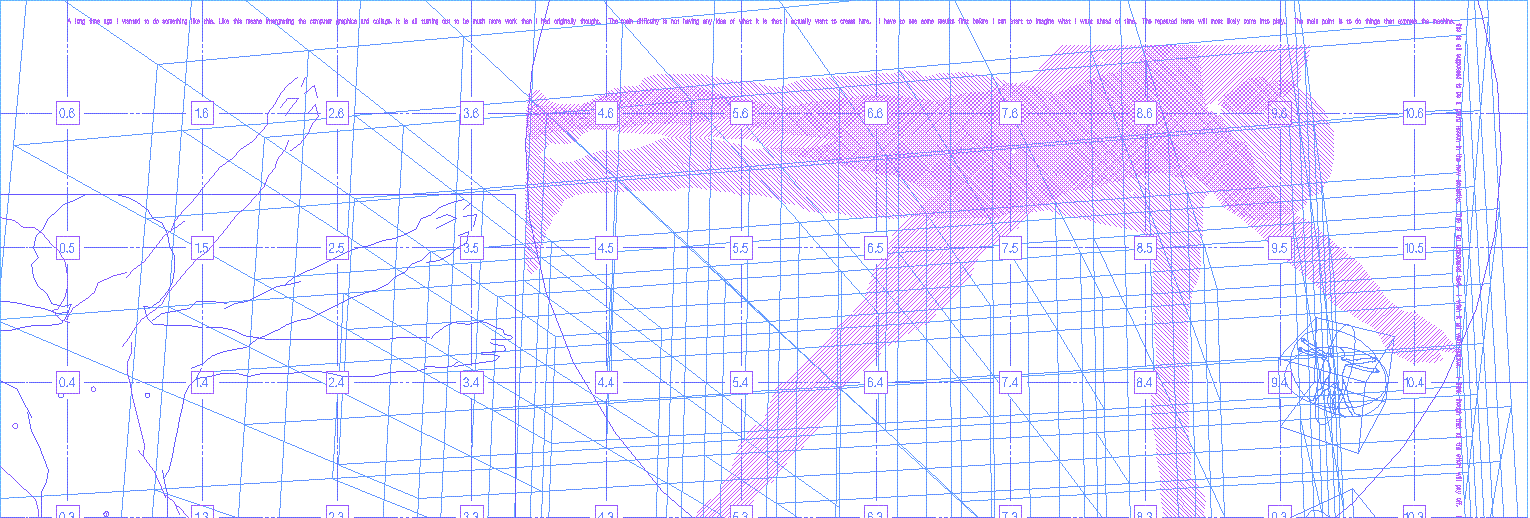 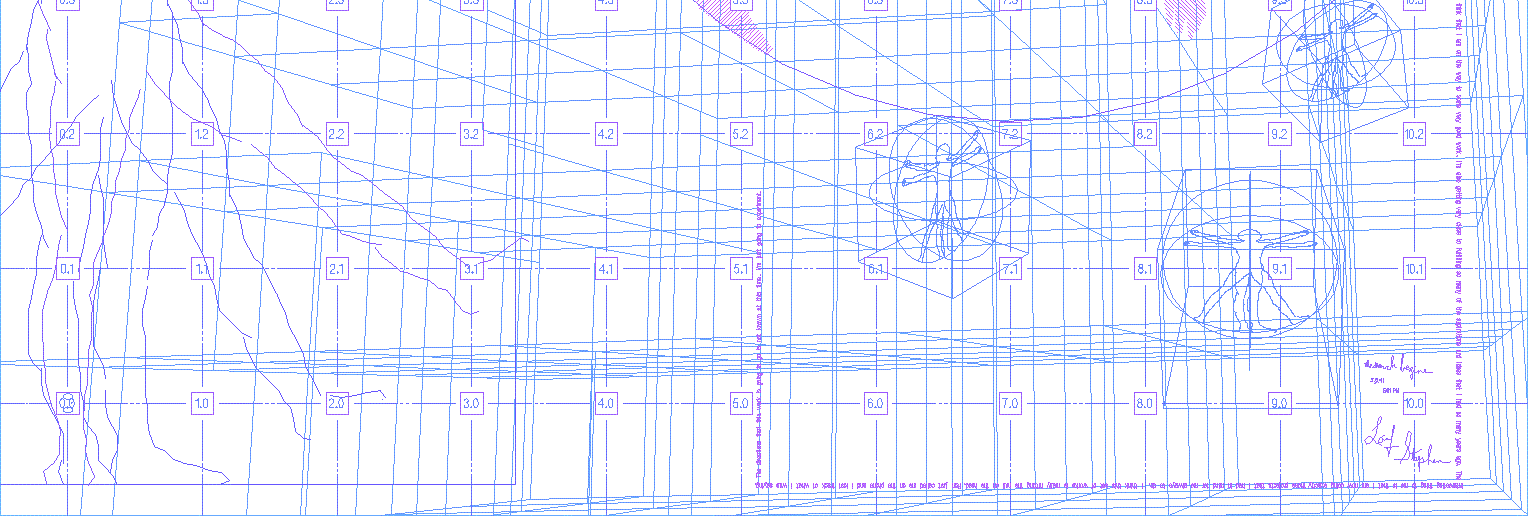
910505n1.db the search begins
1961.05.05
1961. Friday, Philadelphia
After spending two days advising Henry Gardiner on the rehanging of the Arensberg Collection in the museum, Marcel returns to New York with Teeny.
Ephemerides
1917.05.05
1917. Saturday, New York City
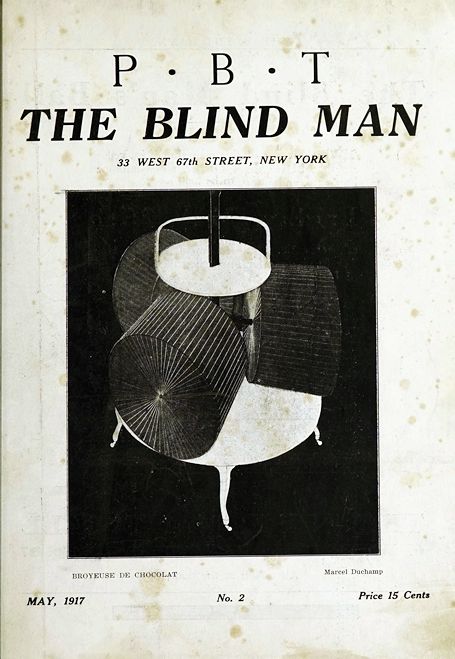
The second number of the Blind Man is published today by P.B.T. [27.4.1917]. ...
Ephemerides
|