2026.04.23
hide and seek
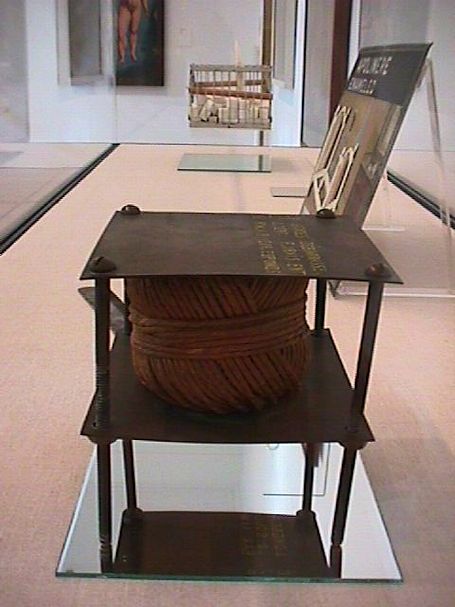 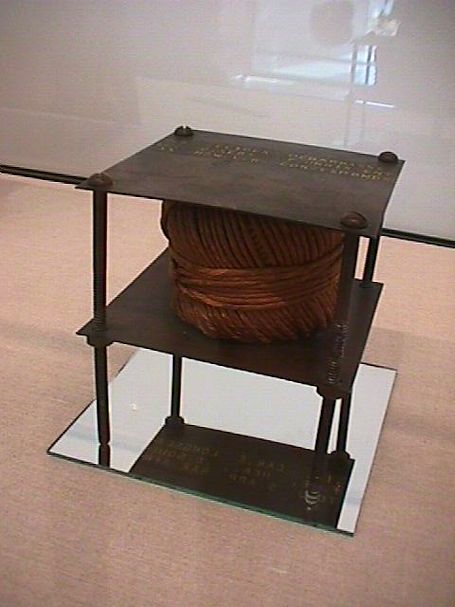 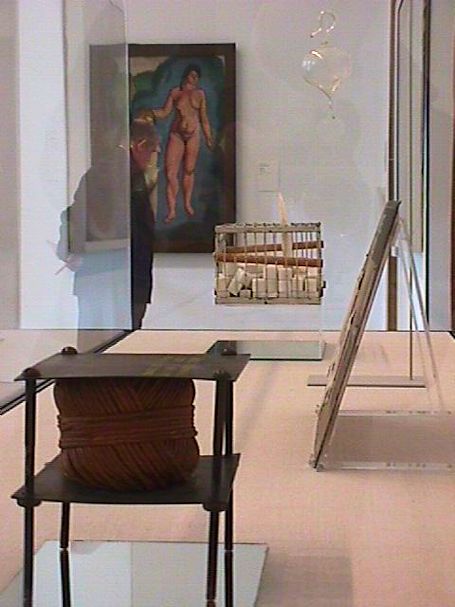 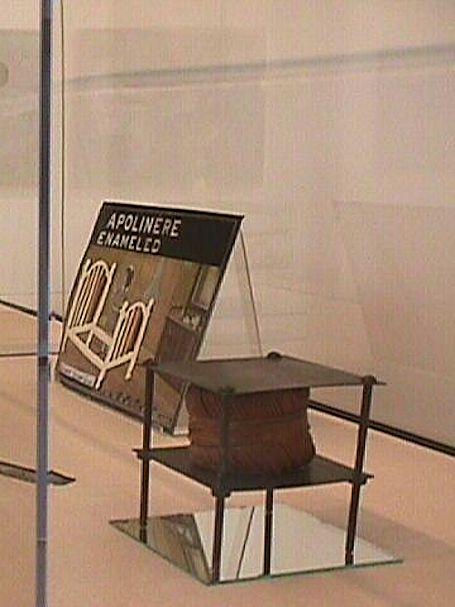
Marcel Duchamp A Bruit secret 1916.04.23 Philadelphia Museum of Art 2002.11.15
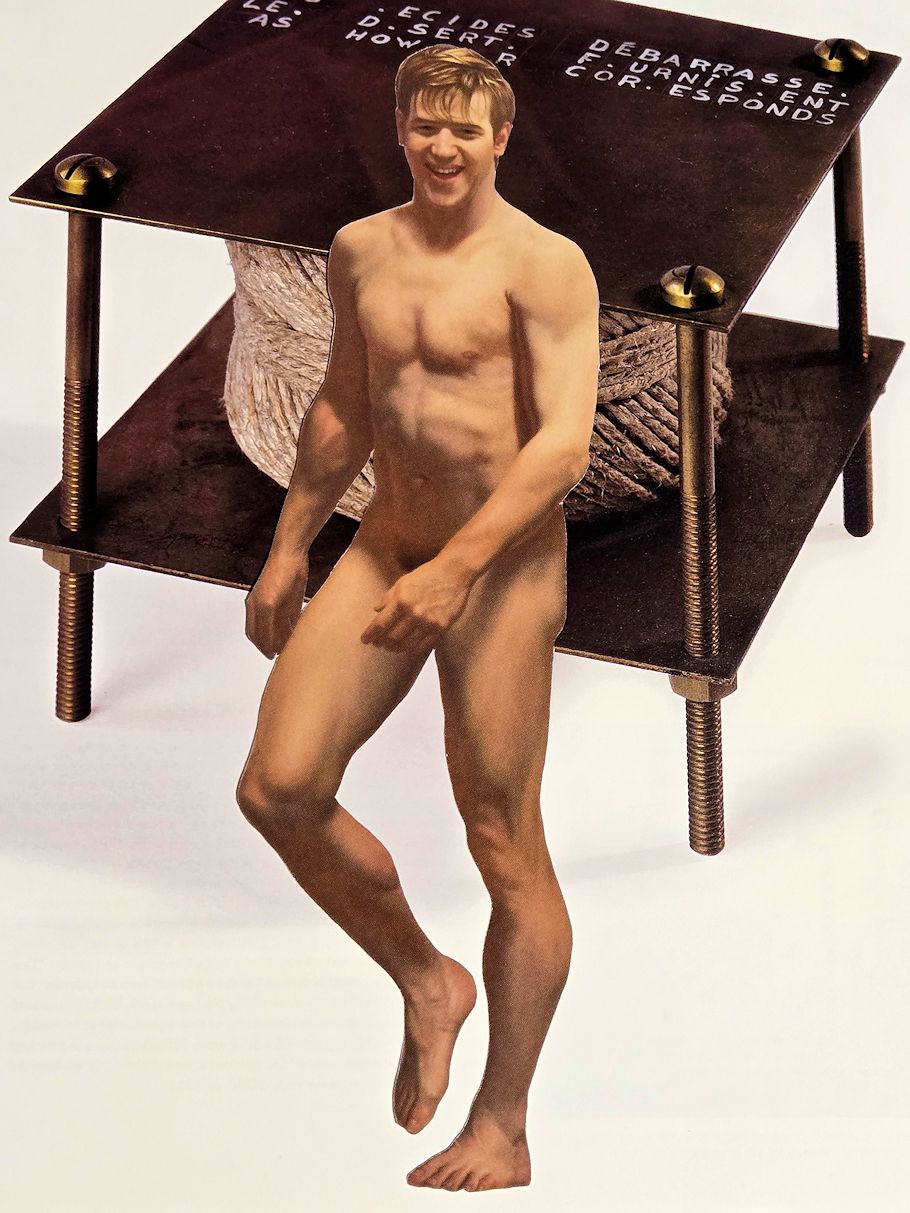
Stephen Lauf With Hidden Easter Egg from the set Trying Him Out For Size, Yet No Suicide Note Was Found 2025.07.19
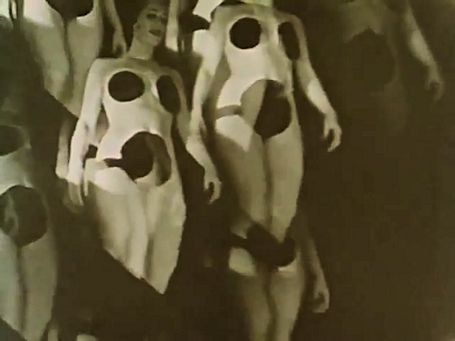
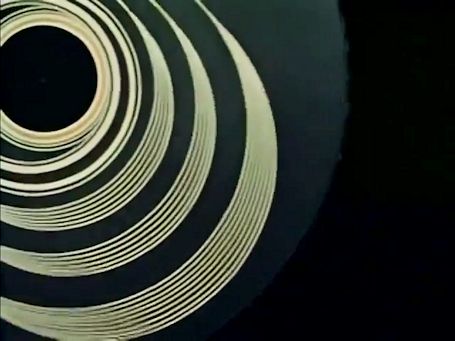
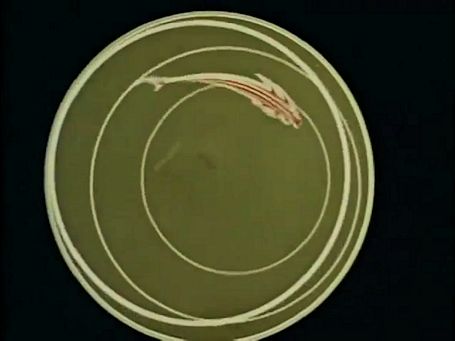
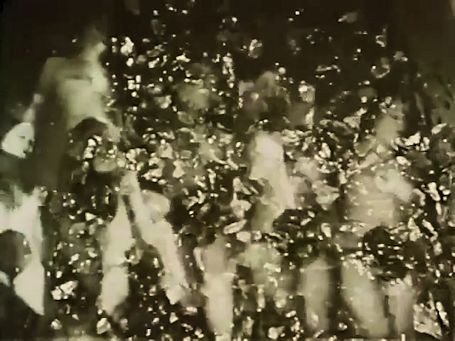
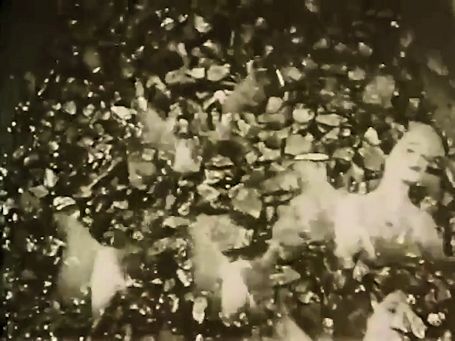
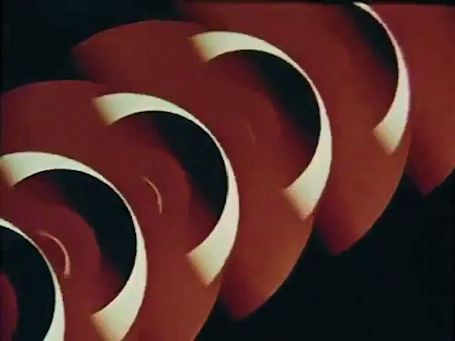
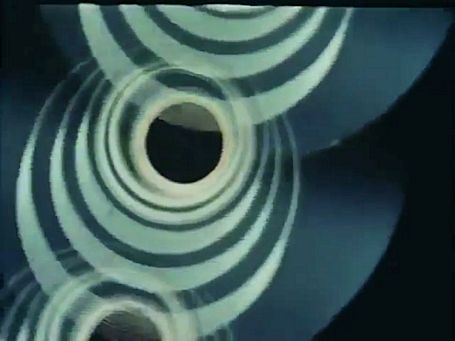
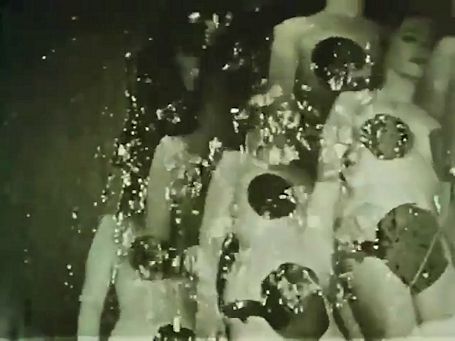
film stills from Dreams that Money can Buy
2025.04.23
451 Rhawn Gallery
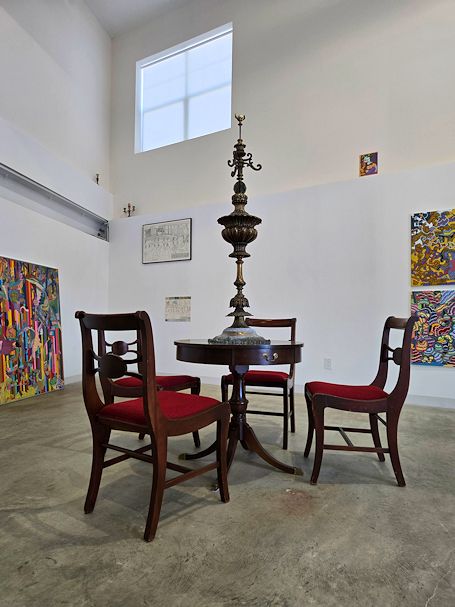 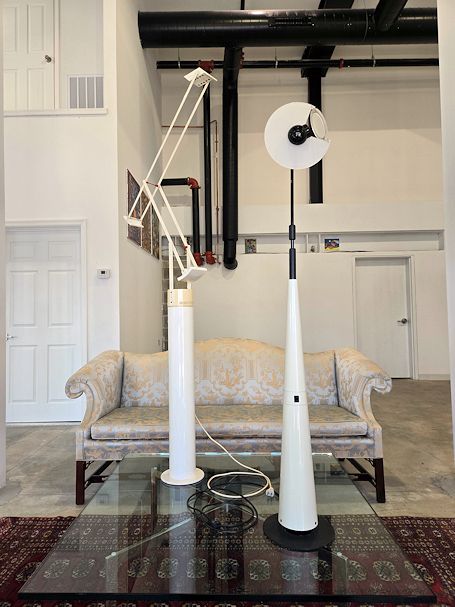
intermediate installations
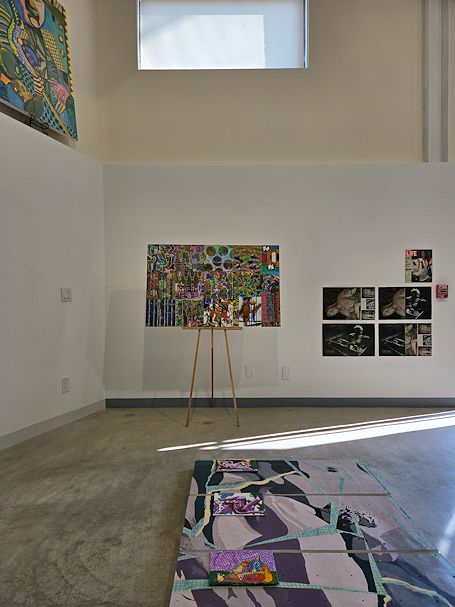 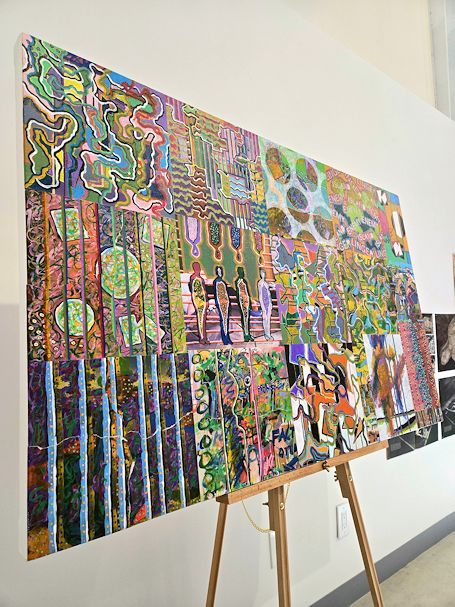
intermediate installations
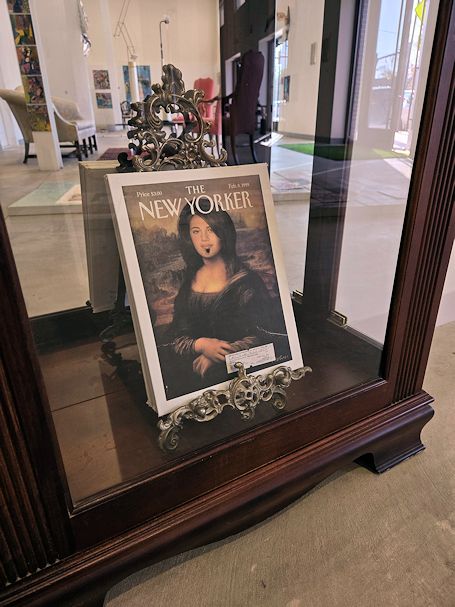 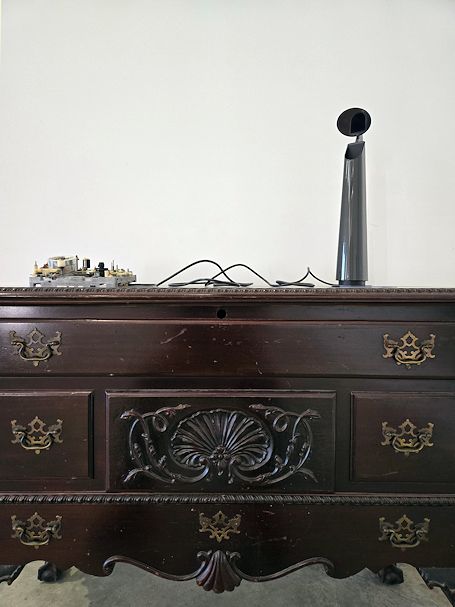
intermediate installations
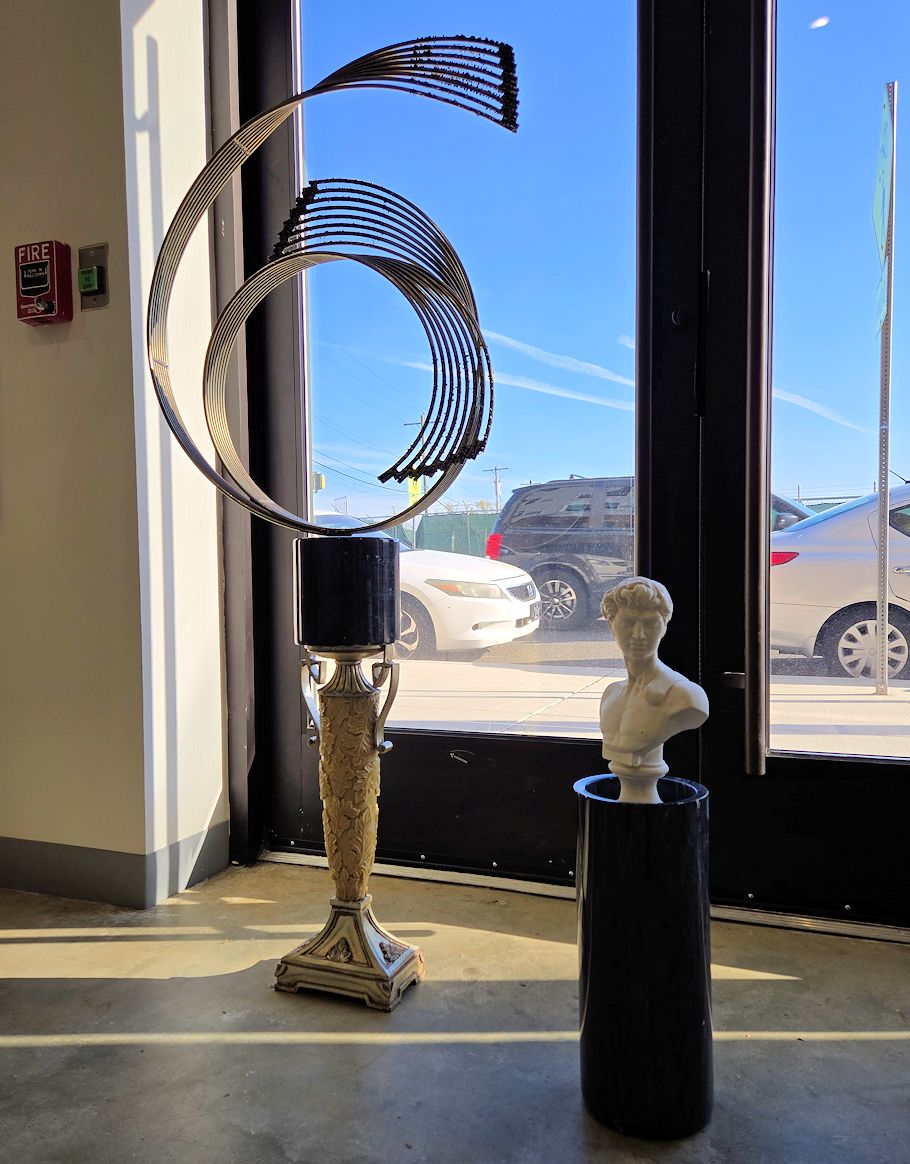
The Short-Lived Tail[end] of David and Goliath
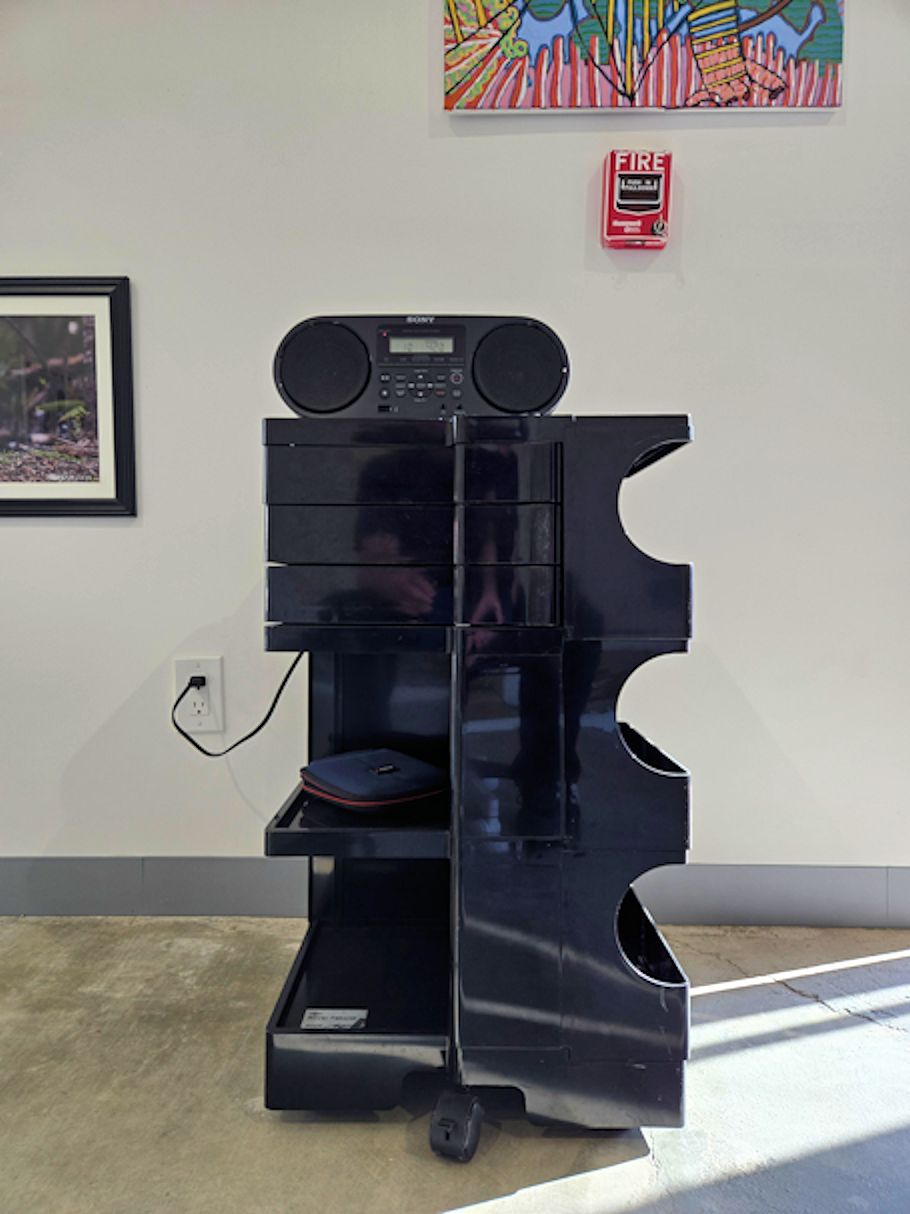
There's Something Strangely Right About This
2024.04.23
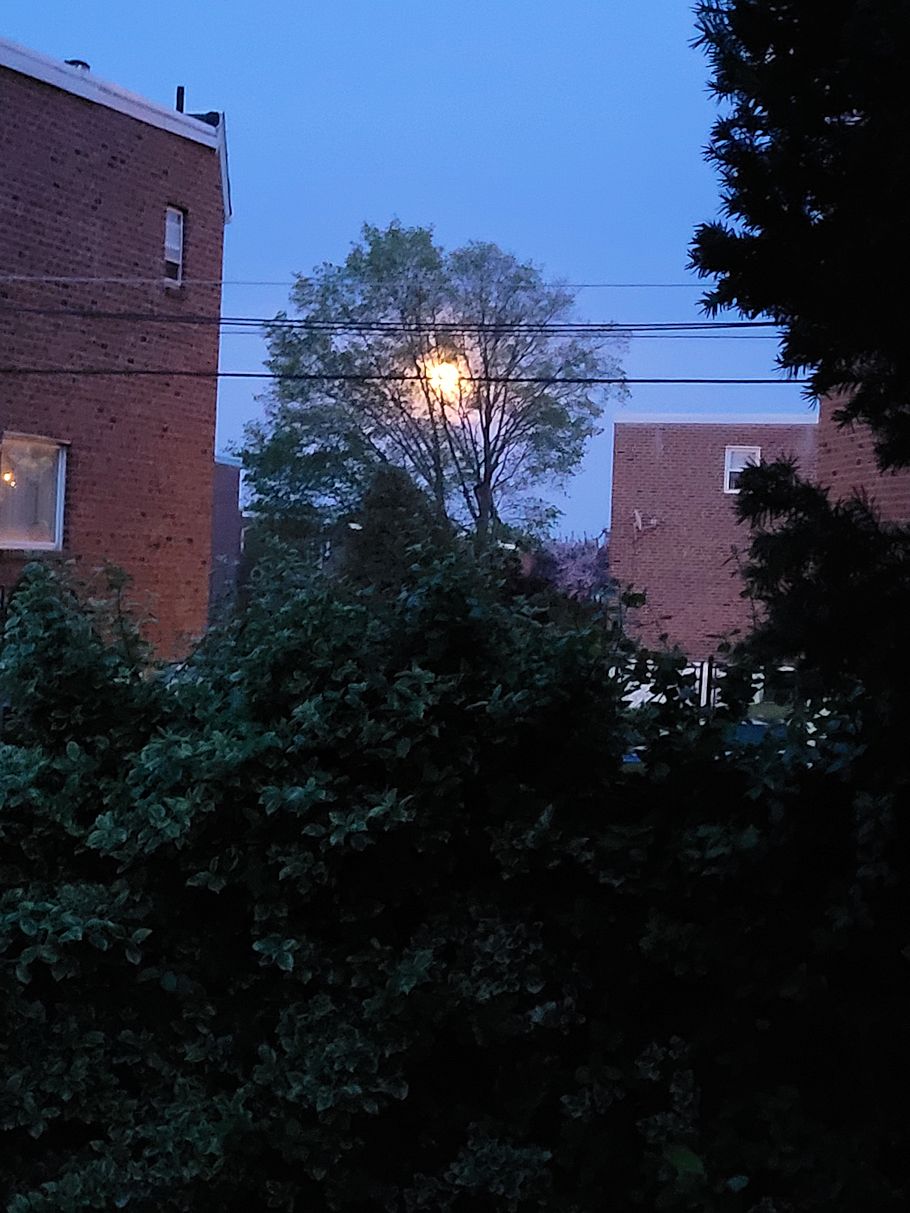
20:14
2023.04.23
an email sent today
Hello Yura,
The quick answer to your request for permission is a respectful and cooperative yes! I'm most interested to see how you will be using/interpreting “The Timepiece of Humanity.”
I would also like, however, to use our cooperation as a project of opportunity for me to 'artistically' express my reaction to being part of "Stellar Revenge."
I still have to compose my ideas, which I hope to send to you within the coming week, but I can start with the following anecdote:
Although I had no name for it at the time, the theory of chronosomatics first occurred to me in 1981, when I was living and working in Washington DC for the summer. It was not till years later that I first read the phrase "a timepiece of humanity" within a translated excerpt from Velimir Khlebnikov’s "The Tables of Destiny" published in October 27. It immediately occurred to me that I too have been thinking about and formulating a "timepiece of humanity," and that’s when I began to write my ideas down.
While I’m collecting my thoughts, I would greatly appreciate your telling me more about "Stellar Revenge."
I’m so happy and grateful that you contacted me, and, although the thought never occurred to me before, it feels to be perfect that The Timepiece of Humanity/theory of chronosomatics will be, for the first time anywhere, formally presented in Russia.
Yours truly,
Steve
2017.04.23
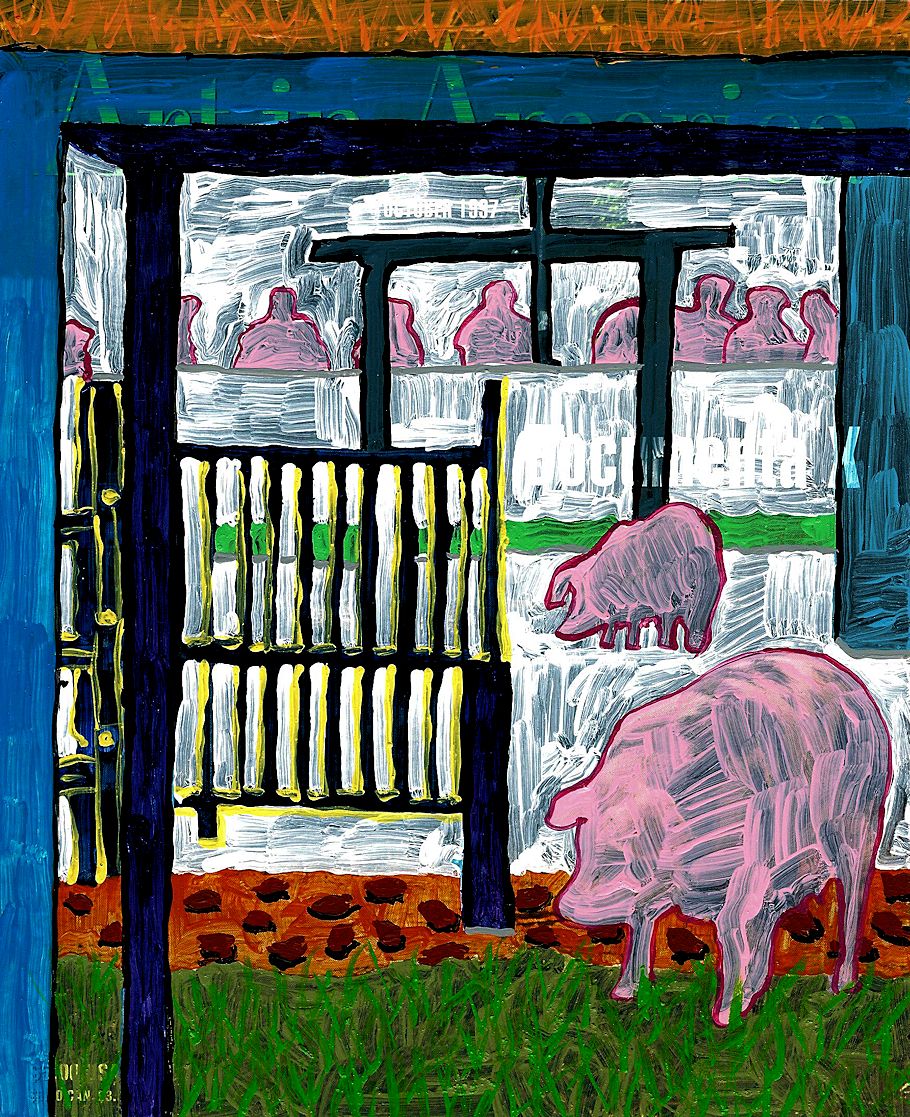
zero three one

zero three two
2014.04.23
Philip Johnson Was a Nazi Propagandist
Actually, the more I investigate and study the architecture of Philip Johnson, the more I find a very good if not also somewhat rare architectural talent. He's certainly not an architect's architect, but he's very much an architecture's architect, and that's where the rareness of his talent lies. Look at this quotation from Kramer's article (linked above):
"...what characterizes his work is a series of brilliantly performed charades in which other people’s ideas, other people’s tastes, and other people’s styles have been appropriated, exploited, deconstructed, and repackaged to advance the prosperity of his own reputation and influence." Take away the notion of charade (because Johnson was never trying to fool anyone about the character of his designs) and the notion of advancing his own reputation (because Johnson was more concerned about the advancement of architecture) and we're left with: "other people’s ideas, other people’s tastes, and other people’s styles have been appropriated, exploited, deconstructed, and repackaged" which is not something particularly easy to do because it requires a very sharp eye and a very facile imagination (toward manifestation) which is exactly what amounts to talent
2D CAD database
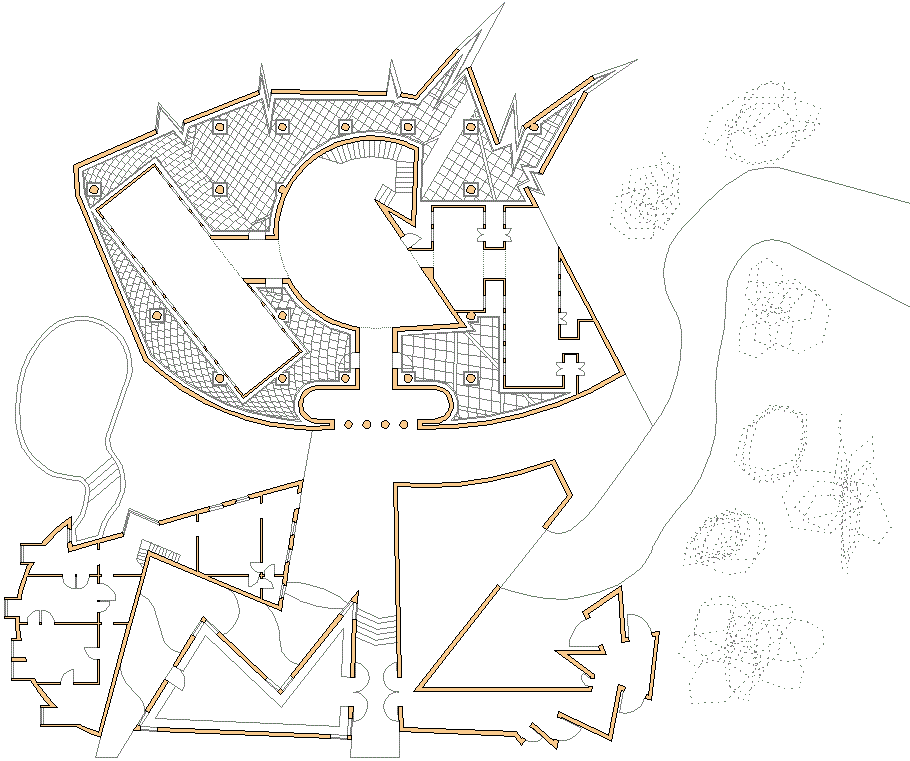
14042301.db Zany House 001 plan 22002 context
2005.04.23
Architecture displaying movement?
"Matta represented the "space of feelings" in hallucinatory images--for example, the project for an apartment, with intersecting spaces and soft walls that shifted in response to its occupants, that he published in the Surrealist magazine Minotaur, in 1938."
Maybe I should start a thread entitled "Architecture displaying reenactment?"
AN ARCHITECTURE OF REMOVEMENT
"If someone in the museum was truly interested in my work they would let me cut open the building. The desire for exhibiting the leftover pieces hopefully will diminish as time goes by. This may be useful for people whose mentality is oriented toward possession. Amazing, the way people steal stones from the Acropolis."
--Gordon Matta-Clark, February 1978.
2004.04.23
inspecting the summer rental
Ever since he heard about Catherine de Ricci and Louis I. Kahn's paper for the Horace Trumbauer Architecture Fan Club Convention, Le Corbusier has been anxious to also deliver a paper. Otto, of course, was thrilled to oblige, especially since Le Corbusier's topic is "The Promenade Architecturale Formula".
Le Corbusier finished swimming across the Atlantic Ocean yesterday, and Otto met him at Cape May Point. They had lunch together in the picnic area across the parking lot from the lighthouse, fed the cardinal (they nick-named Dougherty) posing in the bushes, and then inspected the World War II bunker, where Le Corbusier will be spending some vacation time this summer. "I love big concrete boxes raised on pilotis, you know. And, is that really a Nunnery on the beach over there?"
2002.04.23
Re: losing losing it (whatever it is)
Assimilation of and metabolizing of received data is how I mostly operate now.
2000.04.23
more
There are some items, such as elevation, section, Durchschnitt, porticus, plan, which are interesting, but not very evocative of long term development, likewise I'm not certain about Lauf-vague-s or casa-vague-s. I prefer almost, infrastructure, annexation, facade, trend?, physiology?, morphology?, iconoclasm?, infringement, nimiety.
1949.04.23
1949. Saturday, Los Angeles
In his article published today in the Daily News, Kenneth Rose compares the visit of two famouse artists to Hollywood: Duchamp, "who never made a business of notoriety" and slipped into town unannounced [12.4.1949]; and Salvador Dali, who characteristically made a spectacular media performance of his arrival.
. . .
Although Kenneth Rose considers that Nu descendant un Escalier [18.3.1912] will be counted in the 100 important paintings of the first half of the century, he believes that rather than as a painter Duchamp will be remembered as "the man who had the strength to cling quietly and unpretentiously to some spiritual and intellectual values in a crazy commercial world".
Ephemerides
1948.04.23
1948. Friday, New York City
"The film tells the story of seven people in the office of a heavenly psychiatrist. ..."
Based on ideas contributed by five artists, Duchamp, Fernand Léger, Max Ernst, Man Ray and Sandy Calder, with musical accompaniment by contemporary composers and filmed by Arnold Eagle, Hans Richter's Dreams that Money can Buy, which he commenced in 1944 and which progresses "at a snail's pace", is given its world premiere at the 5th Avenue Playhouse, 66 Fifth Avenue. Produced by Art of this Century Films, Inc., Peggy Guggenheim supplied most of the financial backing. For Duchamp's episode Peggy also provided her staircase, stipulating that the shooting be finished that day by six o'clock, the time when she expected to return home. As it was undoubtedly a quite complicated "dream" to realize, four nudes were still descending the staircase when Peggy walked in at six with her guests...
The staircase episode, a tableau vivant of Duchamp's famous Nu descendant un Escalier [18.3.1912], which was filmed in black and white, contrasts with the spiralling forms of the Rotoreliefs [30.0.1935] and a truck-load of coal being tipped into a cellar. Duchamp wrote of the sequence, which is accompanied by John Cage's music for a "prepared piano", that he was "delighted to have worked with the gangster who 'dreams'."
Ephemerides
1916.04.23
1916. Easter Day, New York City
Duchamp assembles an object made with a ball of twine placed between two rectangular brass plates, and secured at each corner by four long brass screws. He has composed three, short enigmatic sentences of English and French words which he has written in white paint on the plates but replacing certain letters with a dot, rather like "signs from which a letter has fallen off..." Starting on the lower plate and continuing to the plate on top, the three sentences are written horizontally on three lines one underneath the other, each letter in a rectangle, so that those replaced by a dot can be identified by their correspondence with those in the same column.
Duchamp shows the work to Walter Arensberg, cryptographer par excellence whose talent is concentrated on the works of Dante and proving that Sir Francis Bacon wrote the plays and poems usually attributed to Shakespeare. Passionate of all things mysterious, Arensberg says that he will loosen the brass plates and secretly slip something small inside the ball of twine so that the hidden message, when shaken, is accompanied by an indefinable sound. Duchamp agrees, gives the object its title, A Bruit secret, and presents it to his accomplice as a gift.
Ephemerides
|