2026.11.13
Rrose Sélavy
1922.11.12
1922. Sunday, New York City
At seven in the evening, Rrose Sélavy attends Louise Hellstrom's dinner party at 214 East 15th Street, where she plans to present Henry McBride to the hostess.
Ephemerides
1939.07.05
1939. Wednesday, Paris
As he is invited with Mary Reynolds to dine with the Rochés, Marcel takes with him a copy of Rrose Sélavy [19.4.1939]. Denise shrieks with laughter at the "risque thoughts" contained in the little book, while Pierre describes the aphorisms as "precise, precious fantasies".
Ephemerides
2025.07.10
451 Rhawn Gallery

Who's the Boss? 001

Who's the Boss? 002

Who's the Boss? 003

Who's the Boss? 004
2025.07.11
451 Rhawn Gallery
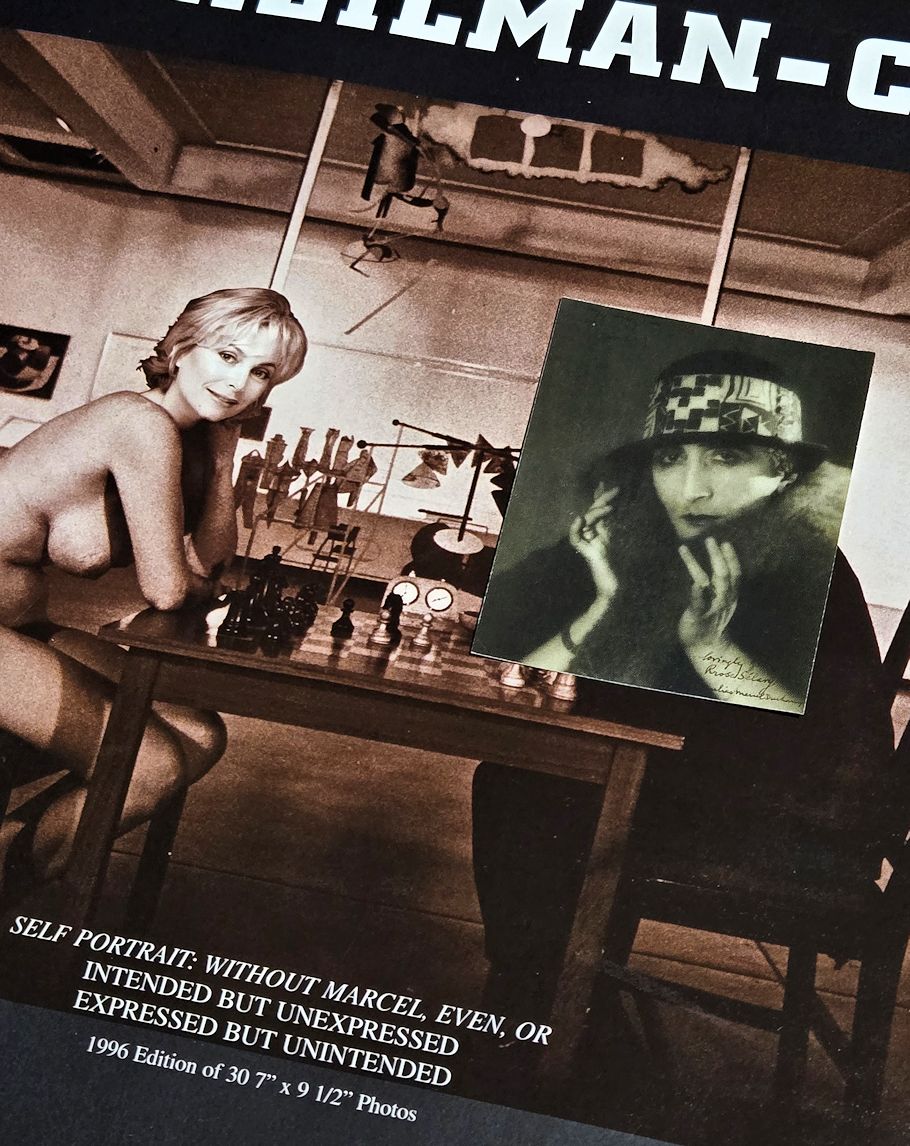
Who's the Boss? 005
2025.08.10
451 Rhawn Gallery

2005.08.25
Staged Photographs?
A few years ago I was (yet again) taking pictures within the Duchamp gallery (which is now named Galerie Rrose Sélavy) and a Tiny Tim look-a-like walked in. I took some pictures of him there and then also in the Jasper Johns gallery. I'll try to post them soon.
Has anyone else been to the Warhol Museum in Pittsburgh? I was there ten years ago, and within an afternoon I spotted five Warhol look-a-likes strolling through the museum. As I was leaving I asked the young woman at the reception desk if there are often Warhol look-a-likes in the Museum. She answered, "Yes, there are often several in the Museum." Has anyone else been there and seen Warhol look-a-likes?
"To stage or not to stage, that is the question?"
 
2002.11.05
Re: Neo Futurist Prime Time Show about Duchamp
The notion of casting Duchamp in the nude might be all that is needed to ensure success, with occasional slips into drag, of course. And that line, "Oddly enough, the crack of my ass is a ready-made" gets the audience howling every time. ["Don't tell me. I noticed it too. Something sphinx in here again."]
Then there is the competing notion of an enormous Duchamp dream of a chess game with the opponent unknown, yet all the pieces are actual personalities. For example, Duchamp's Queen is Michelangelo and Duchamp's King is Rrose Sélavy, while the opponent's Queen is Elizabeth II and the opponent's King is Michelangelo. [One has to wonder if playing with a real Queen has its advantages.] As usual, one of Duchamp's Bishops is Pope St. Celestine V, the one that "was unfitted for the papal office in every respect except his holiness." And, with any luck, the peon's are dedicated people like you and me.
2025.12.07
photography
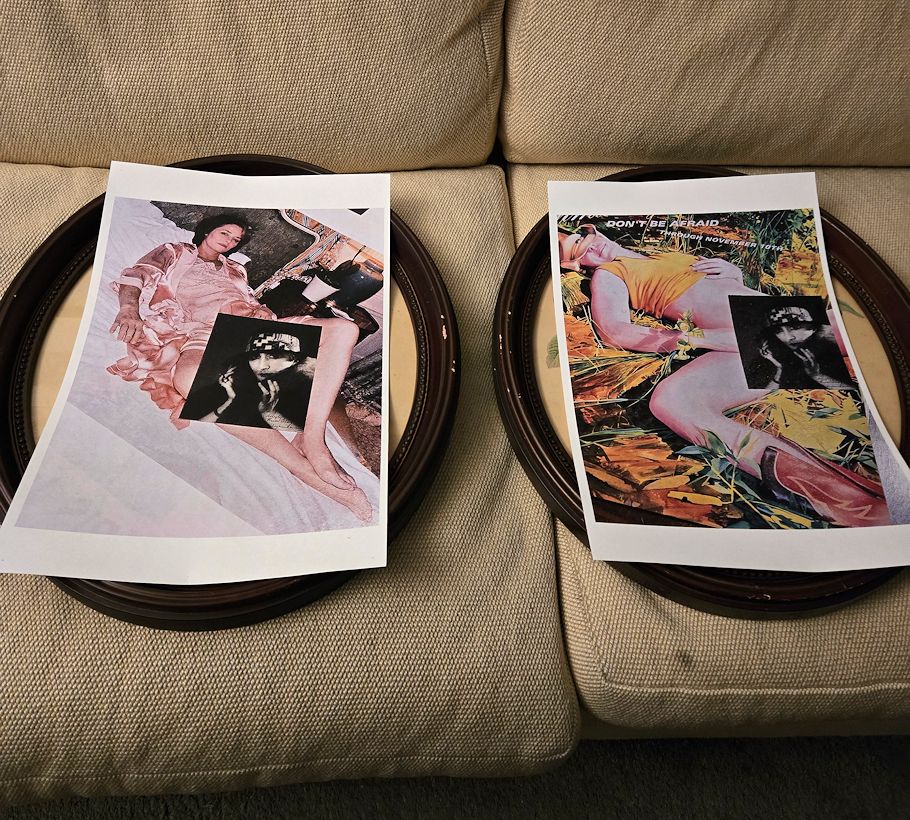
2026.02.26

Serendipitous Readymade Assisted, Even 001
2026.05.01
so I'd like to know where, you got the notion

Stephen Lauf Seeing is Believing 2026.05.01 12:56
2026.05.21
If Duchamp believed in reincarnation...

...he probably came back as an aroma.
2026.07.15
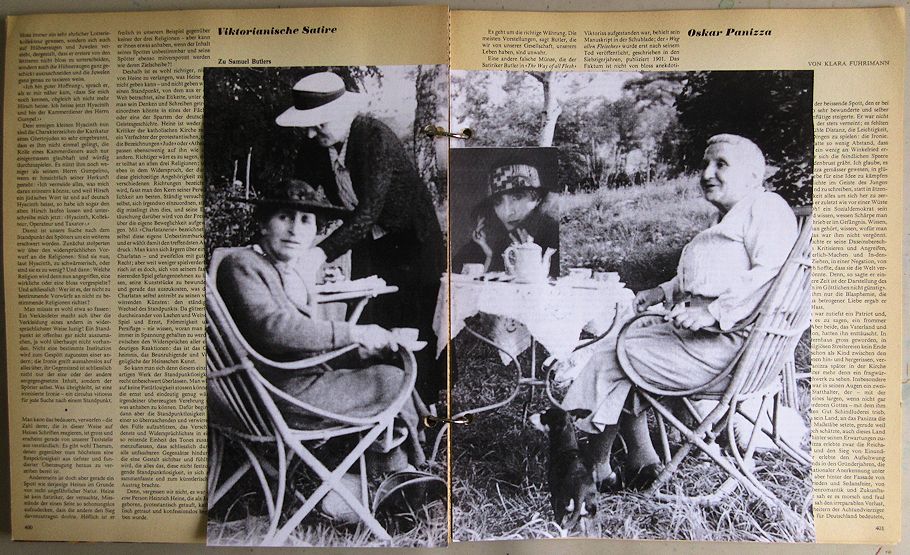
more pages from Duchamp & Ich
2026.10.15
Philadelphia Museum of Art
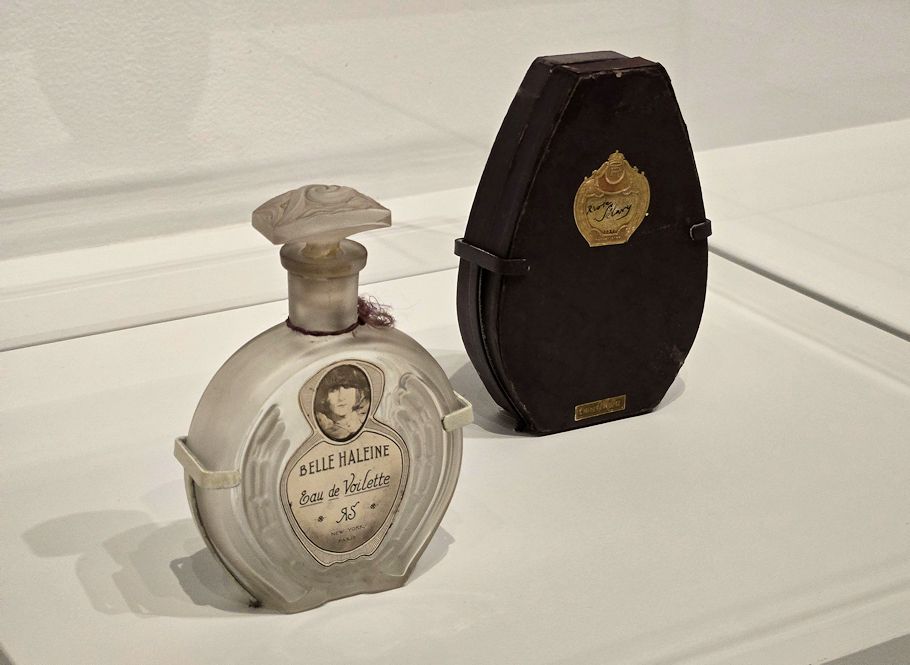
2026.10.17
diptychs derived...
 
 
...from the Philadelphia Museum of Art 2026.10.15
2024.11.13
451 Rhawn Gallery

Abington Friends Meeting House

after an Old York Road Historical Society lecture
2022.11.13
From The Discovery of Piranesi's Final Project
13 November 2022 Sunday
Part of finishing Ancient Circuses includes imagining how Piranesi may have continued working on Ancient Circuses if he hadn't died 9 November. With the plans of the Circus Maximus and all the circuses of the Campo Marzio now fixed, Piranesi's attention may then have turned to the Circus of Caracalla, while Francesco etched the Palace of the Caesars plan next to the Circus Maximus, and performed more field survey works at the Circus of Elagabalus. Furthermore, would Piranesi himself have ultimately figured out that the Circus of Caracalla is really the Circus of Maxentius? Who knows?
In reality, Francesco published his large plan of the Circus of Caracalla circa 1786, and his plans of the Palace of the Caesars in 1787.

 
2019.11.13

19111301.db iqq27 plan development
2000.11.13
memories of desire?
I wanted to rent Paris, Texas, but it was out, so I rented Spetters and Ulysses' Gaze.
In watching Spetters (14 years since I last did so) I have to report the mistakes I made in my last post about that film. What's funny is the types of mistakes my memory made.
The boys are all 20 years old, (not teenagers). The farmer father does not chase his son on a tractor, rather pulls the "whore of Babylon's" Chevy Impala (I was right about that) out of a roadside ditch that the farmer's son stupidly backed into. The 'puritanical', farmer father does routinely beat his son, however (and the son has a definite sado-masochistic streak to him--he gets himself 'coiled up' in the 'sub-plot' within the under-construction subway).
 
Only two of the boys are amateur racers, while the farmer's son is an auto mechanic at the gas station.
And here's my favorite memory mistake: it is not extra long hot-dogs that are the most popular item at the "whore's" luncheon business, rather it is 'croquettes' (or something spelled like that) which, unknown to the customers, are made of canned dog food. [Obviously serving the question, "is real fast food actually any better?"]
Overall, I was correct that Spetters is a nimiety of vehicles. It's like Two for the Road on multiple steroids.
After now being well re-acquainted with both films, what's really interesting is the difference the 1970s made. The change in 'style' from Two for the Road (1967) to Spetters (1980) is very noticeable, and the fact that both films are 'vehicular' heightens the changes. There is one very weird coincidence between the two films, however. The station wagon in Spetters is also driven by a family (husband, wife, a boy and a girl), and the hero of the film has his paralyzing motorcycle accident because the husband in the station wagon throws a bag of orange peels out the car window while he's driving. Perhaps it really isn't odd that the station wagon and the nuclear family come to represent conformity in both films, but they also come to represent the 'death' of the free (wheeling) spirit.
 
1947.11.13
1947. Sunday, New York City
In the afternoon, from three until seven, Marcel plays chess at the Kieslers', 56 Seventh Avenue.
Ephemerides
1945.11.13
1945. Tuesday, New York City
Duchamp dines with a number of friends, including Sidney Janis, Max Ernst, Edgar Varese and the Kieslers.
Ephemerides
1915.11.13
1915. Sunday, New York City
As agreed the previous day, Duchamp returns to the J. Pierpont Morgan Library in the morning at eleven to meet Miss Greene, who takes him to the Museum of French Art. [In 1915, from separate locations, the French Institute and Museum of French Art moved to Scribner's Building at 597 Fifth Avenue, near 48th Street.] Pending a decision by the Committee, Miss Greene gives Duchamp some provisional work to do for the museum, which he is to
commence on Monday.
Ephemerides
|