2026.11.06
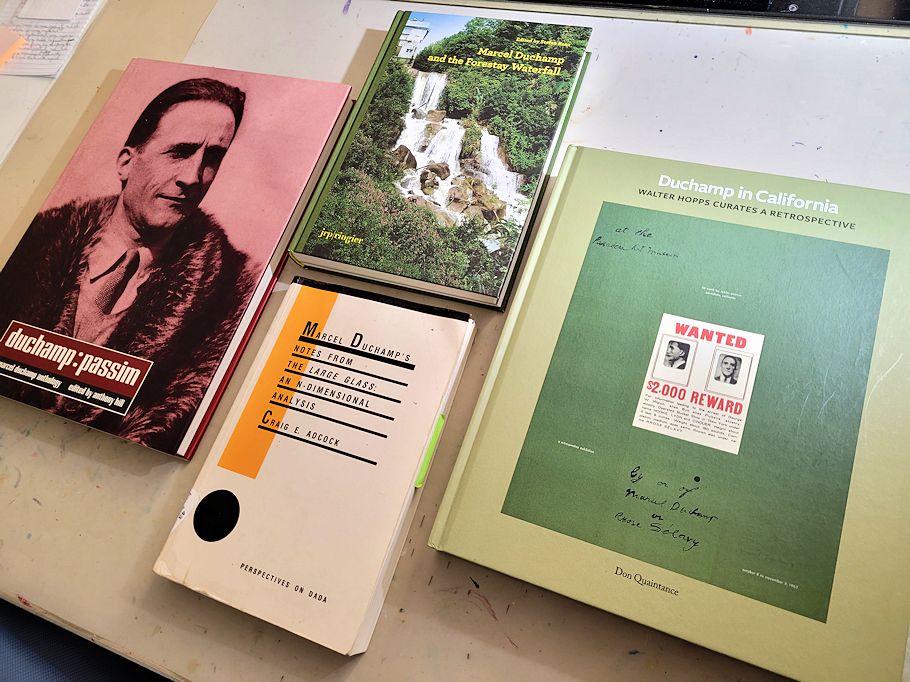
the library latest additions to
bon voyage
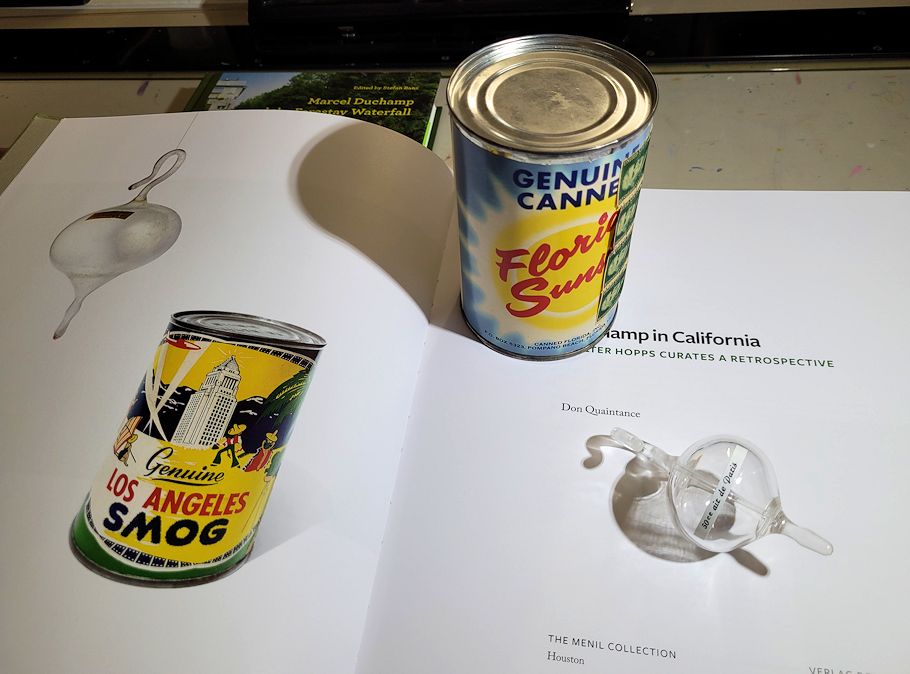
Unbekannt Now You Know What a Ticket to the 4th Dimension Looks Like 2026.11.05
2025.11.06
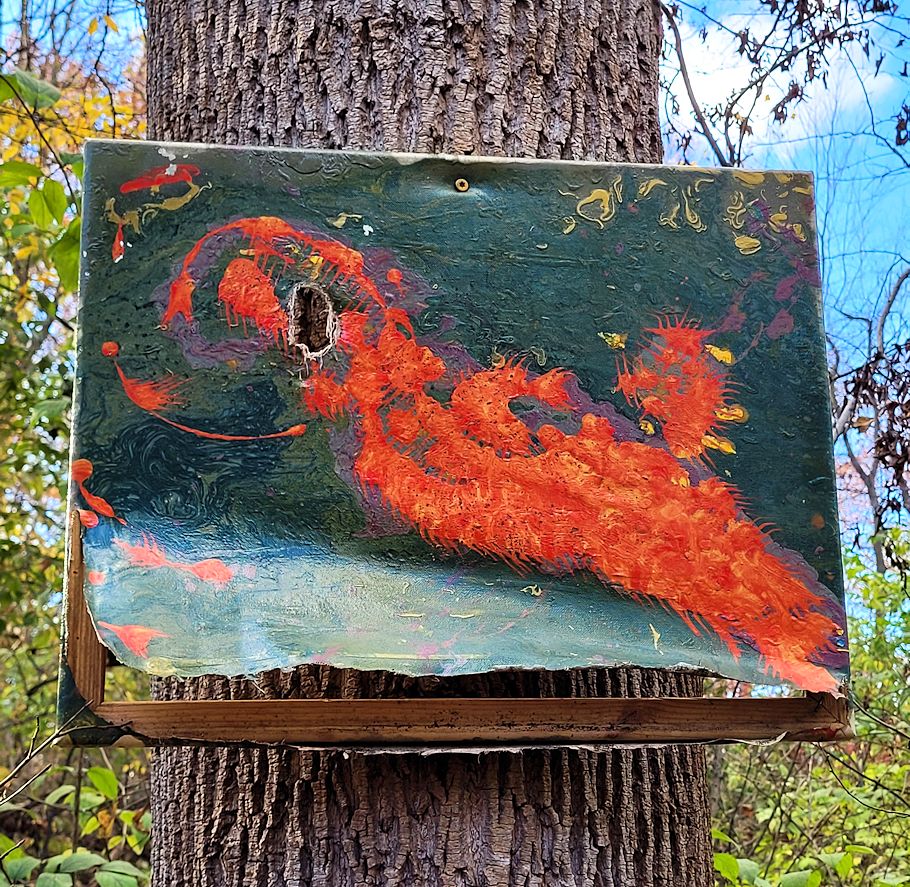
Pennypack Park
3D CAD database

451 Rhawn Gallery . . . continuing the tradition of making people ask, "But is it Art?"
2024.11.06
photography
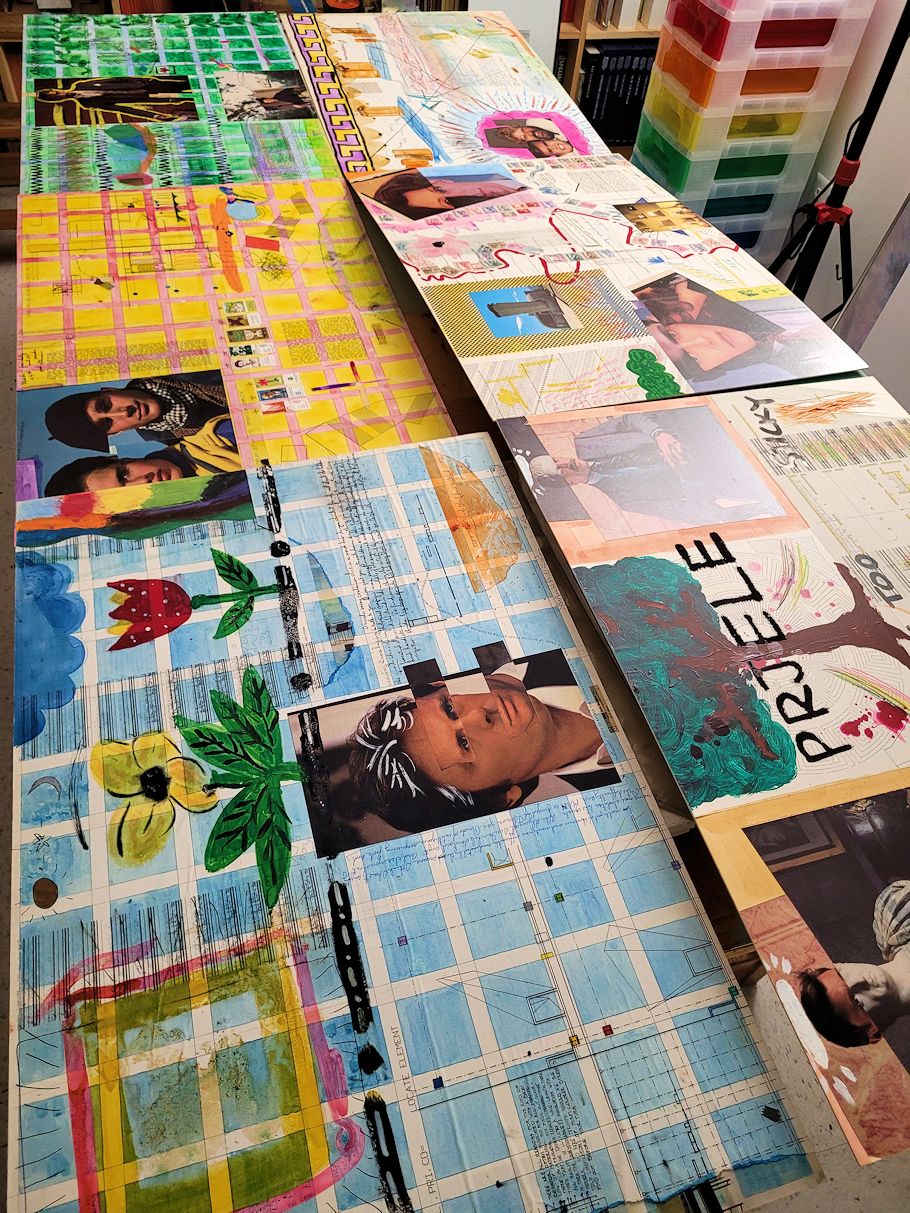
451 Rhawn Gallery
 
2023.11.06
photography


2016.11.06
photography

2015.11.06
Reinier de Graaf: "The western architectural ivory tower has become a theatre of the absurd"
It's true, a theater of the absurd is indeed very 20th century. The theater of the 21st century involves the approaching fulfillment of assimilation and the ever increasing metabolic dualism, a bilocational theatrics even.
[1992/]2014.11.06
3D CAD database

14110605.db Gallery B model
2005.11.06
Re: Ancient Christian church found at Megiddo
the news report said:
"Joe Zias, an anthropologist and a former curator with the Israeli Antiquities Authorities, said the discovery was significant but unlikely to be the world's oldest church. He said Christianity was outlawed until the time of Emperor Constantine in the fourth century, and there were no churches before then."
I ask:
What about the Christian church across the street from the palace (of Diocletian) in Nicomedia which predates the reign of Constantine? Or what about the church at Tyre that was re-dedicated in 315(?), which clearly indicates that a church existed at Tyre before its destruction during the Great Persecution?
1994.11.06
149. Timepiece note
Here is a list of [most of] the parts of the body sliced through in the year 2000 AD:
abdomen muscles
colon transversum
colon ascendens and colon decendes obliquely
just beginning to slice through the stomach (lower portion)
just beginning to slice through the liver (lower portion)
very upper part of the intestine tenue
middle section of both kidneys
middle section of the duodenum
lower part of the pancreas
aorta and vasa cava inferior
the second vertebra below the lowest rib bones
I'm not sure at all what the combined picture of all these parts represents, but it does seem a bit overwhelming right now. I'm not sure after having done just this one century, if the Timepiece can afford to get this specific. It may be possible that the colon has the largest cross sectional area, esp. the colon transversum.
1988
Barry Bergdoll Lequeu: An Architectural Enigma review Journal of the Society of Architectural Historians
2/4
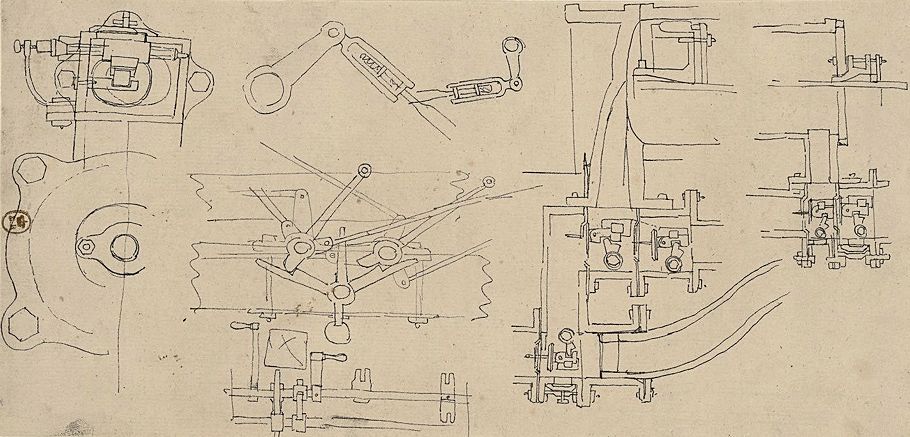
All of this adds multifold to the handful of Lequeu drawings which have been reproduced repeatedly in the past 50 years in the service of the most various interpretations, as the reputation of this intriguing and elusive architect, little known in his own lifetime and ignored for a century after his disappearance, has grown exponentially. Since his rediscovery in the 1930s, Lequeu has been inseparably linked with Boullée and Ledoux. But, although recent monographs on those two prolific practitioners have placed their most extreme and fantastic visionary schemes into the context of active careers, often with aristocratic patronage, Duboy's book serves principally to throw into doubt everything that has been said about Lequeu up until now. Like the drawings themselves, Duboy's book is dedicated to sustaining the enigma that Lequeu seems to have delighted in creating and, as the book suggests, subsequent generations of artists and historians have extended and amplified, both wittingly and unwittingly. For it seems that Jean-Jacques Lequeu of Rrouen, as several sheets are signed, became one of the alteregos of no lesser a modern day enigma than Rrose Sélvay, Marcel Duchamp. Duchamp, it is revealed in a book which is as challenging for those interested in the architecture of the French Enlightenment as in the mind and creations of the surrealists of the 1920s and 1930s, had access to these drawings when they were known to but a small circle of initiates, perhaps through one of his friendships with curators or bookbinders at the Bibliothèque Nationale. Did Duchamp tamper with the drawings, and if so what did he add and what were his motivations?
1959.11.06
1959. Friday, New York City
Publication by Grove Press of Marcel Duchamp, the standard edition of Robert Lebel's book [5.5.1959] Sur Marcel Duchamp, translated into English by George Heard Hamilton.
Ephemerides
|